EN
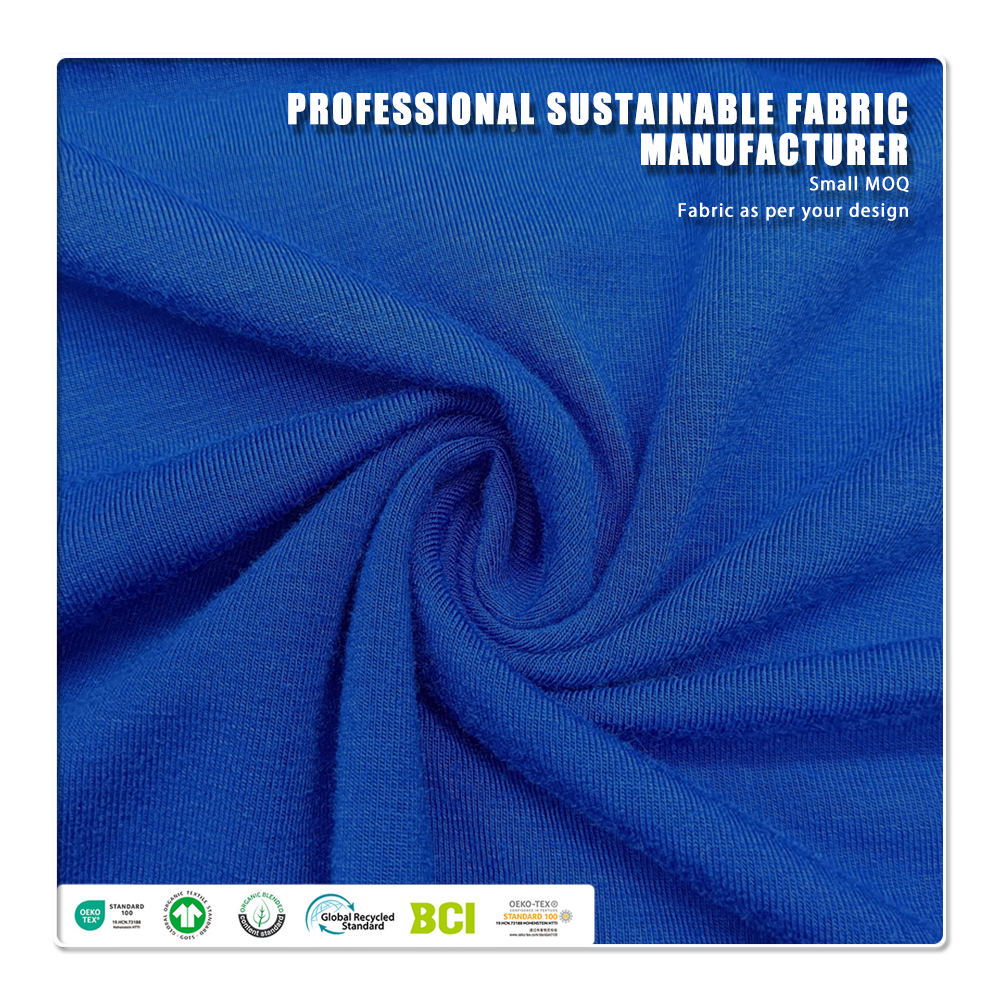
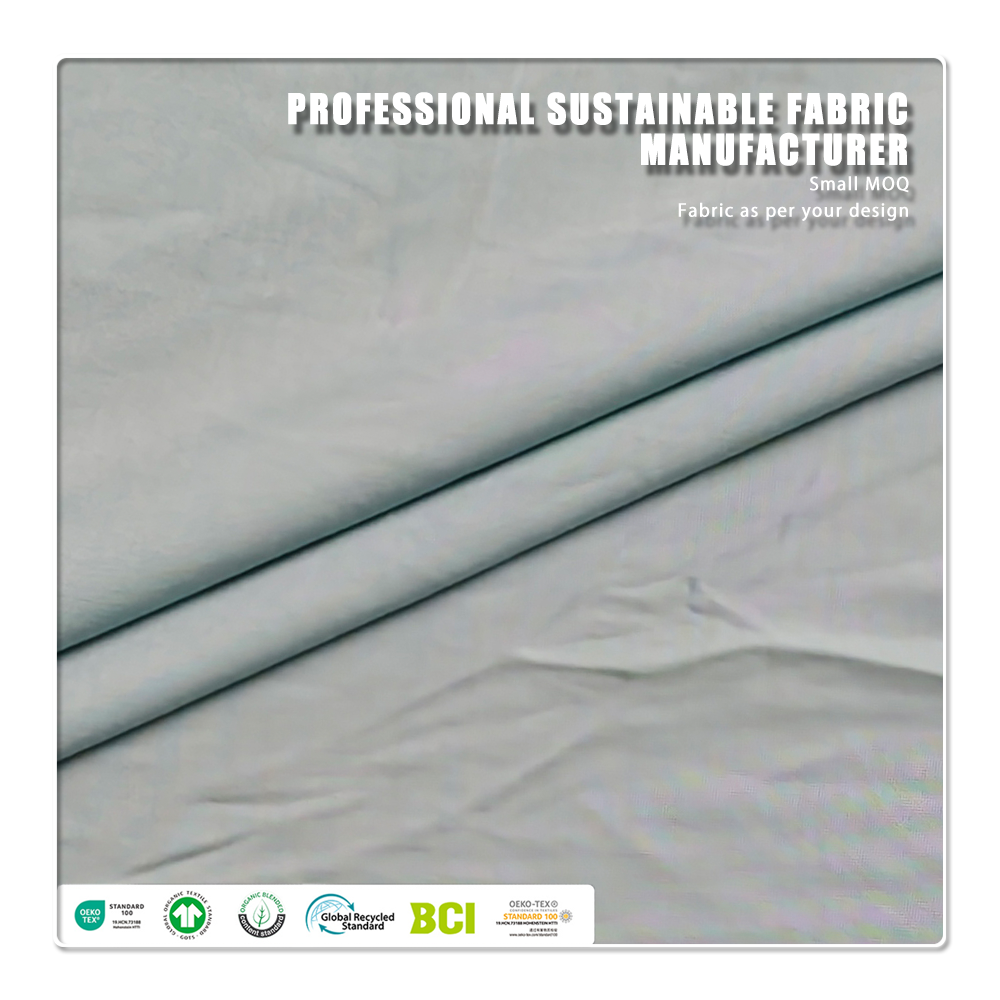
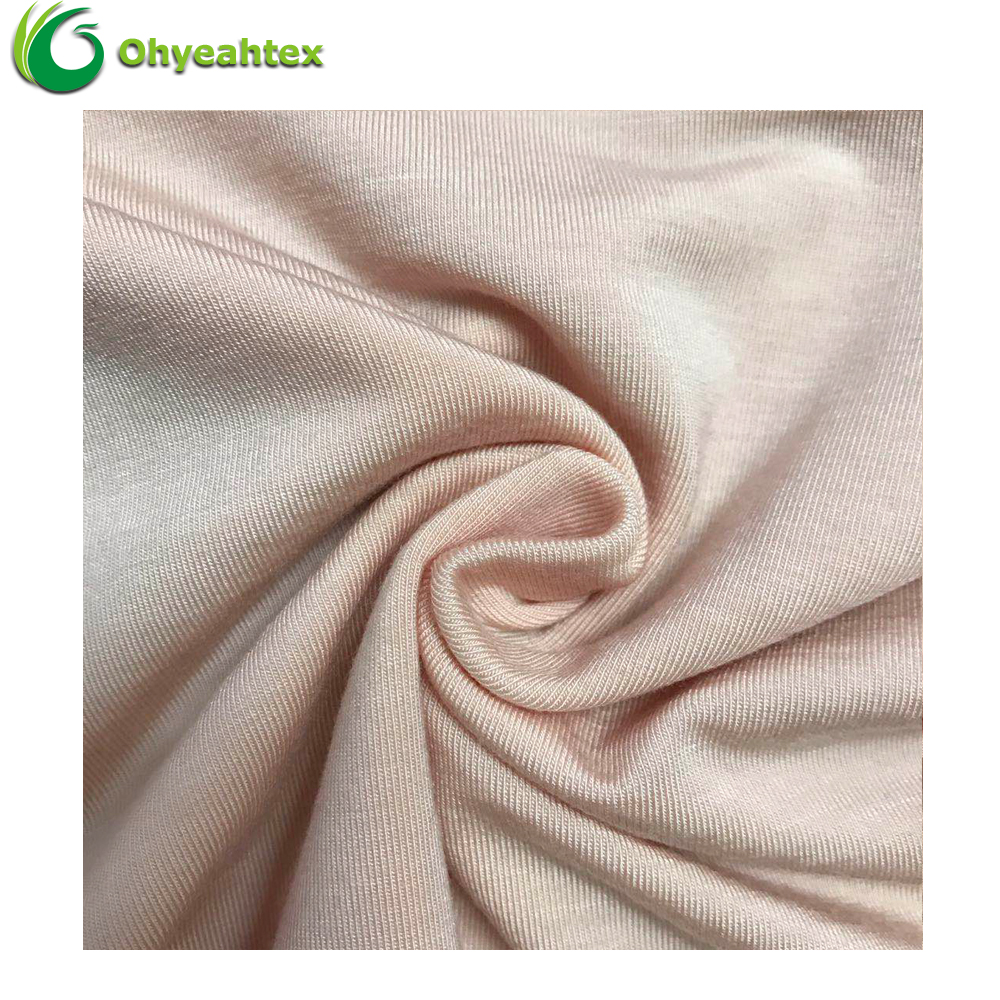
As a versatile and eco-friendly material, modal elastane fabric combines the softness and breathability of modal fibers with the stretch and flexibility of elastane. This fabric is increasingly favored in various industries, particularly in the manufacturing of clothing and textiles. B2B buyers, including purchasing managers, fabric distributors, and product developers, often prioritize quality, durability, and eco-friendliness when sourcing fabrics. This article will delve into key specifications, quality evaluation, comparisons with other stretch materials, applications across industries, and factors influencing costs related to modal elastane fabric.
How to Evaluate the Quality of Modal Elastane Fabric Products
Evaluating the quality of modal elastane fabric involves several practical steps. First, it’s critical to conduct a thorough visual inspection of the fabric samples. Look for consistency in color and texture, as variations can indicate issues during production.
Next, perform tactile evaluations by feeling the fabric; it should be soft and smooth against the skin. Additionally, consider the following quality checkpoints:
Stretch and Recovery: Test the stretchability by gently pulling a sample. The elastane should allow the fabric to regain its original shape without sagging.Dimensional Stability: Wash a fabric sample according to care instructions and measure any changes in size to verify shrinkage claims.Certification Verification: Ensure that the fabric is certified (e.g., OEKO-TEX, GOTS) to guarantee it meets environmental and safety standards.Finally, buyer representatives should be involved in pre-production sample approval to confirm that the fabric meets the desired specifications and quality standards before mass production begins.