Understanding Bamboo Fabric Cost for Wholesale Buyers

Get a Free Quote

Our representative will contact you soon.
Email
Name
Mobile/WhatsApp
Company Name
Message
0/1000

Bamboo fabric cost

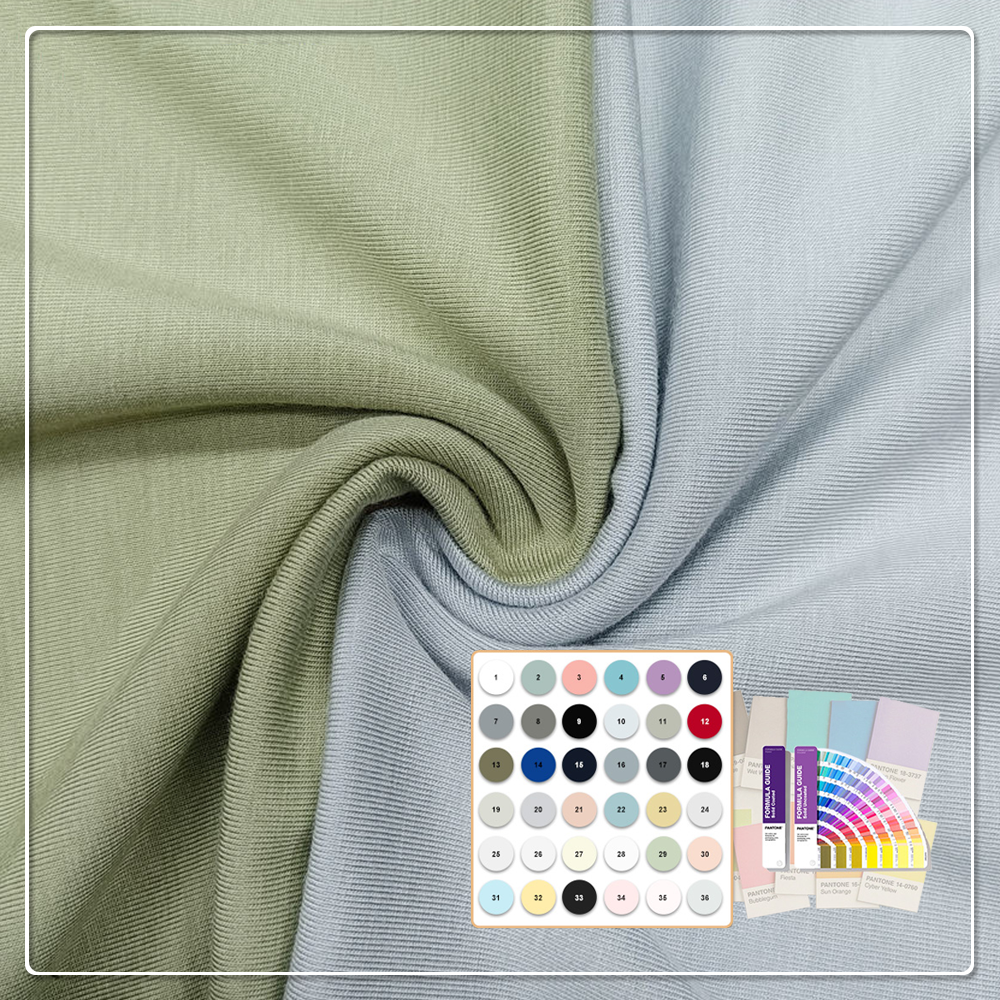
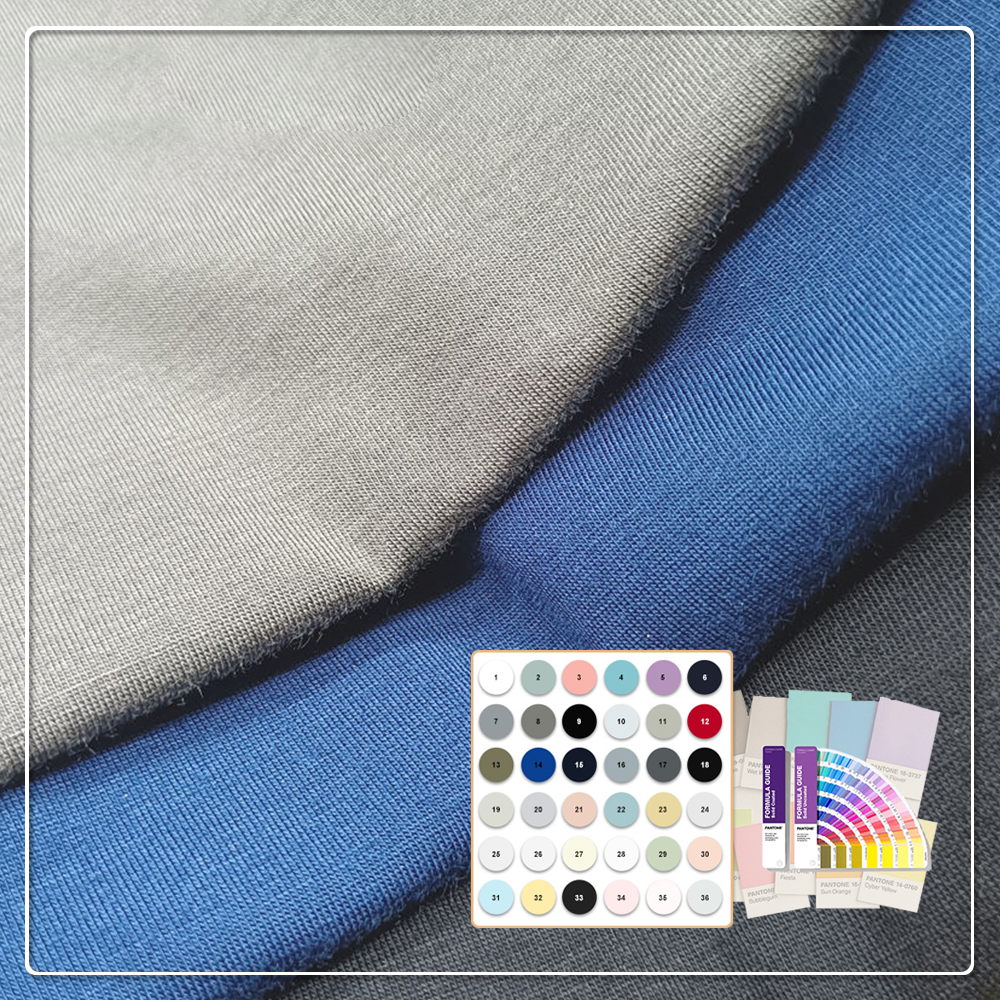
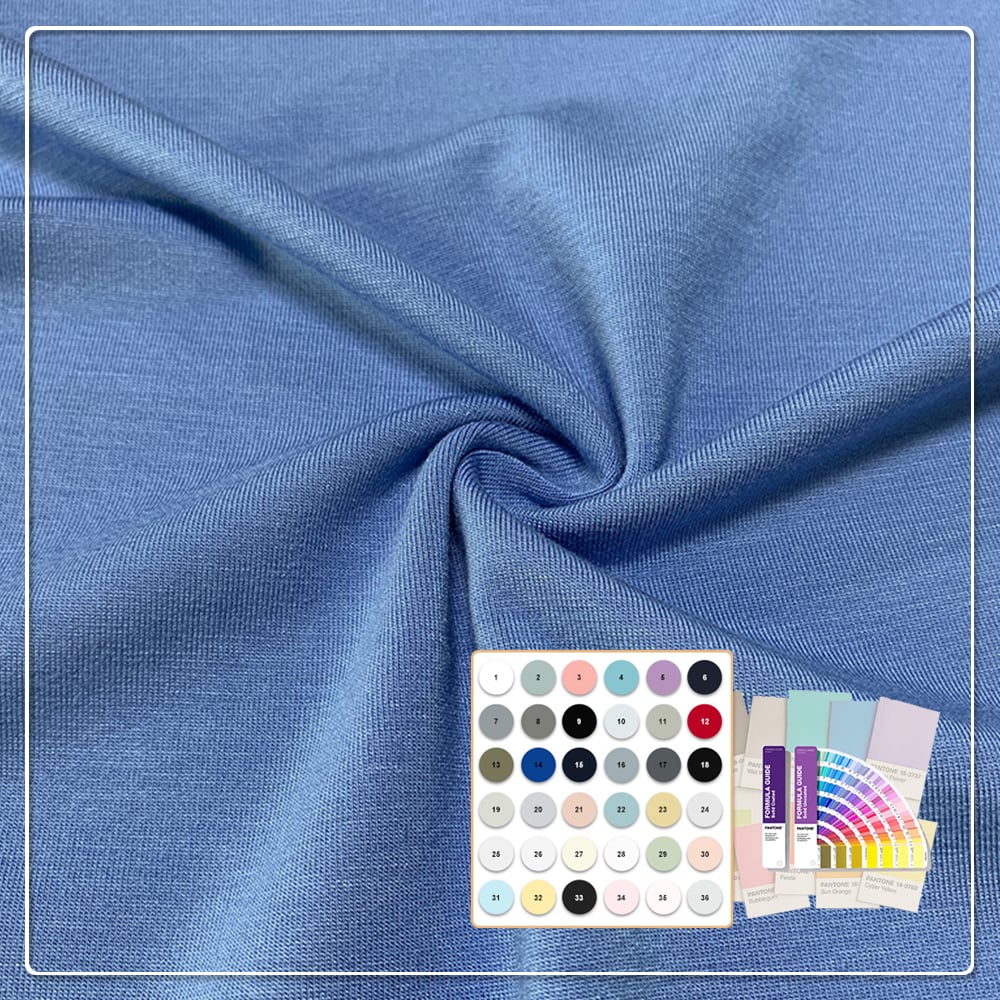
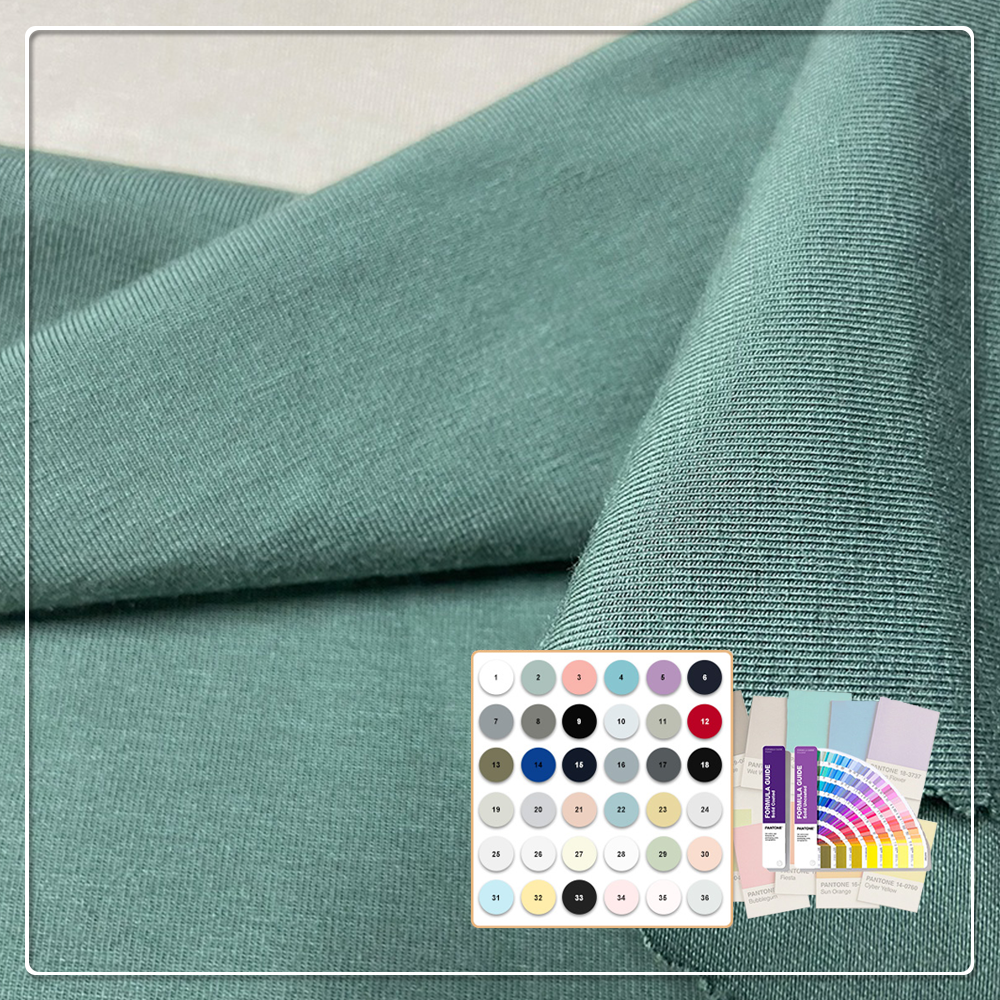
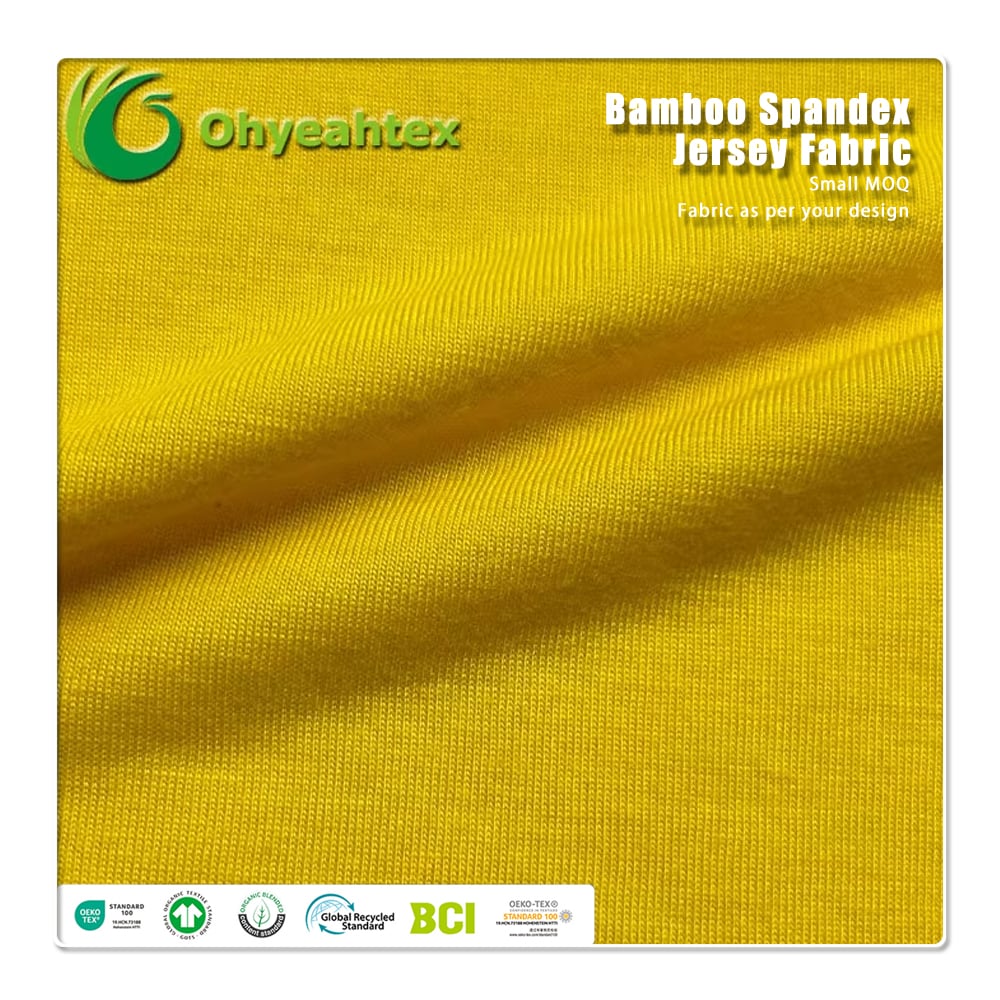
Bamboo fabric is gaining popularity in the textile industry due to its eco-friendly properties and luxurious feel. However, when it comes to wholesale purchases, understanding bamboo fabric cost can be complex. Buyers often grapple with factors like quality, specifications, and bamboo fabric sourcing challenges. This article aims to provide clarity on what influences the bamboo fabric cost, the specifications that matter, and common challenges buyers face when sourcing this sustainable material. 
Our Products

Key Specifications to Consider

When evaluating bamboo fabric, buyers should pay attention to several key specifications that can affect both performance and pricing: 

Weight and Thickness: The weight of the fabric, typically measured in grams per square meter (GSM), affects its durability and application suitability. Heavier fabrics are often used for outerwear, while lighter fabrics may be suitable for undergarments or linings. 

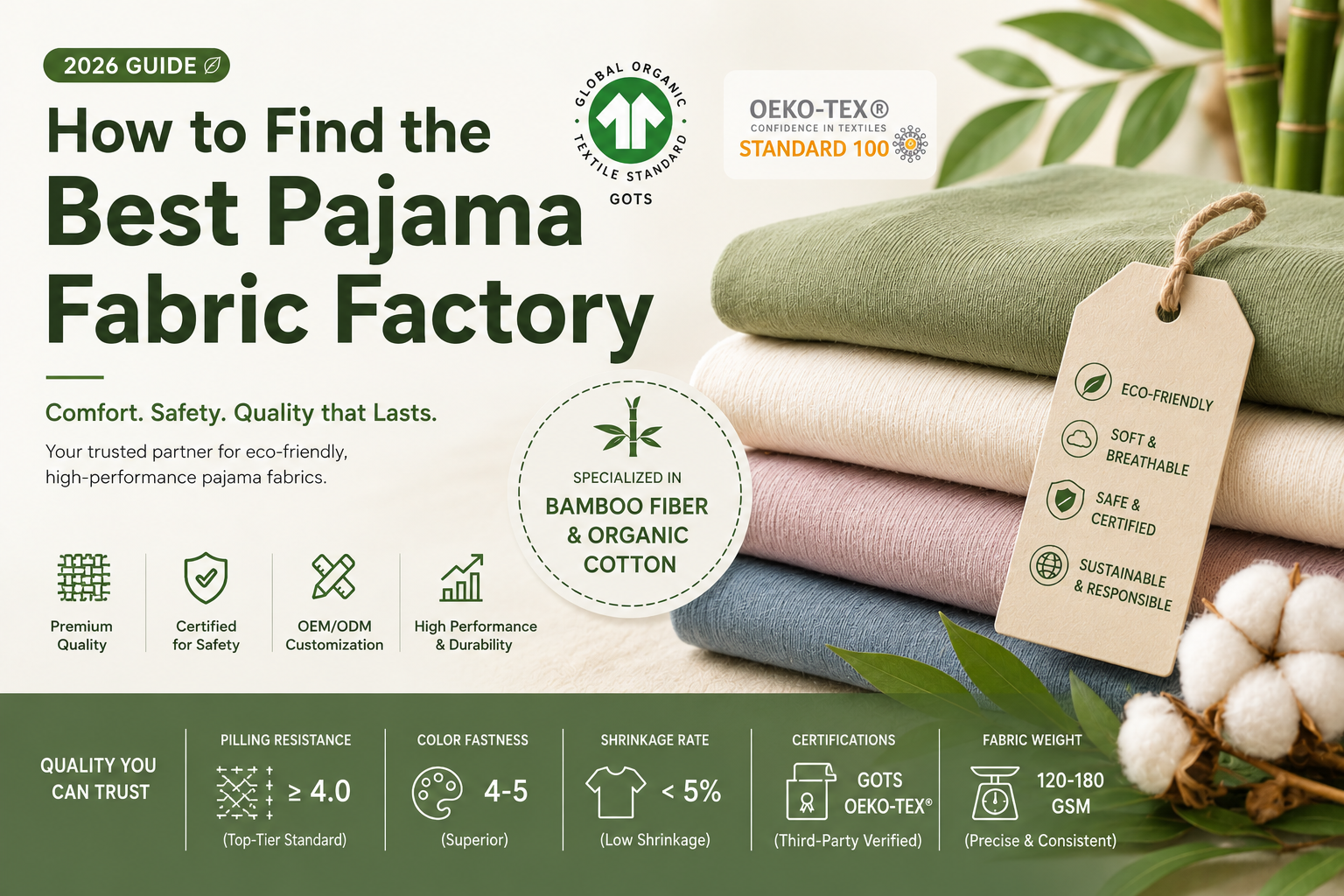
Shrinkage and Color Fastness: Buyers should consider the fabric's shrinkage rate, ideally below 5%, and its color fastness, which should fall between levels 4-5. These specifications ensure the fabric maintains its shape and color after washing, which is crucial for end-user satisfaction. 

Breathability and Moisture Management: Soft bamboo fabric is known for its ventilation and moisture-wicking properties. Buyers should verify these characteristics, especially for applications in active wear or bedding, to ensure comfort and functionality. 

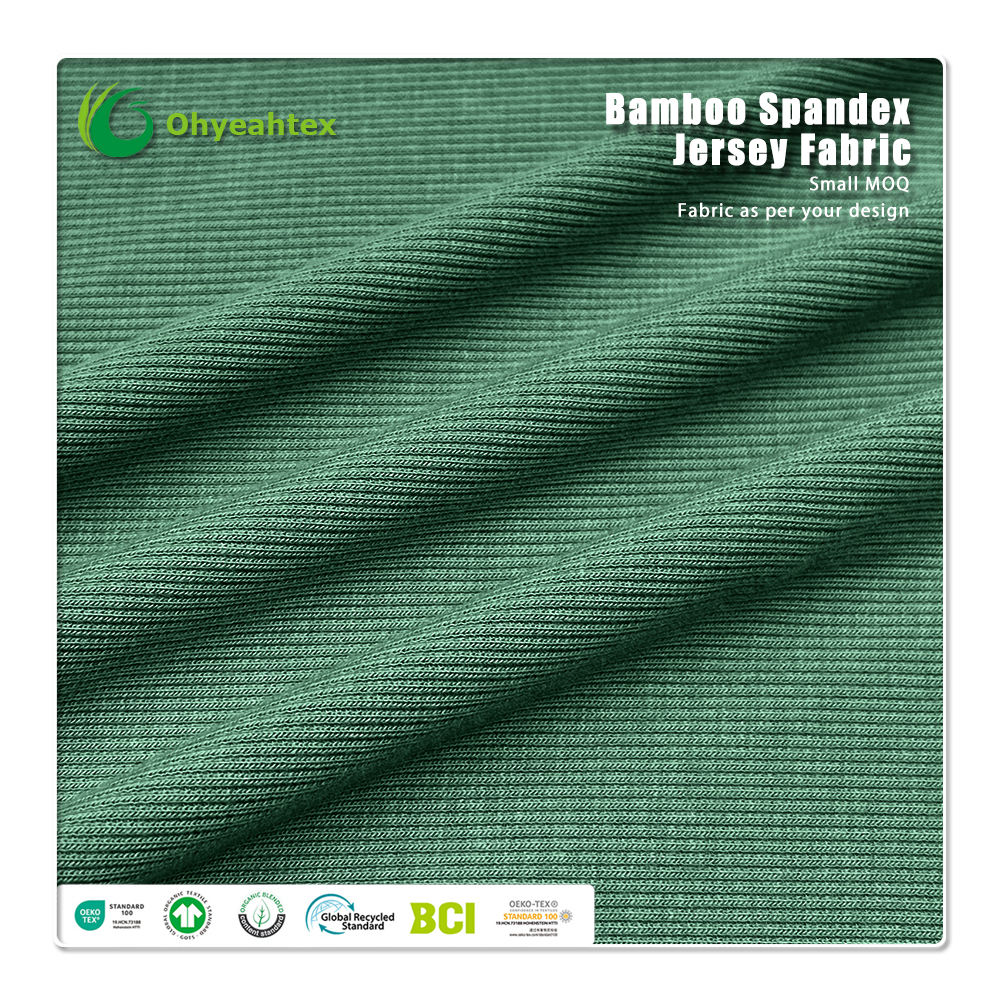
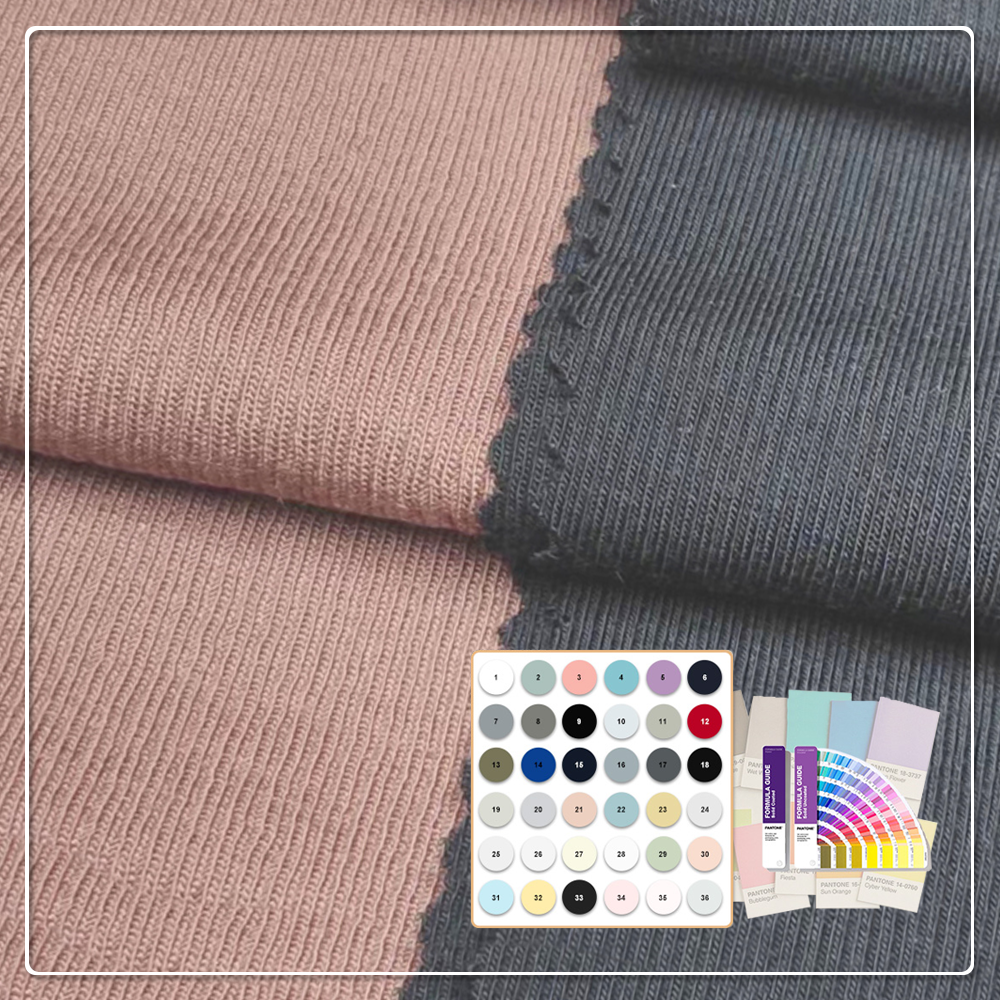
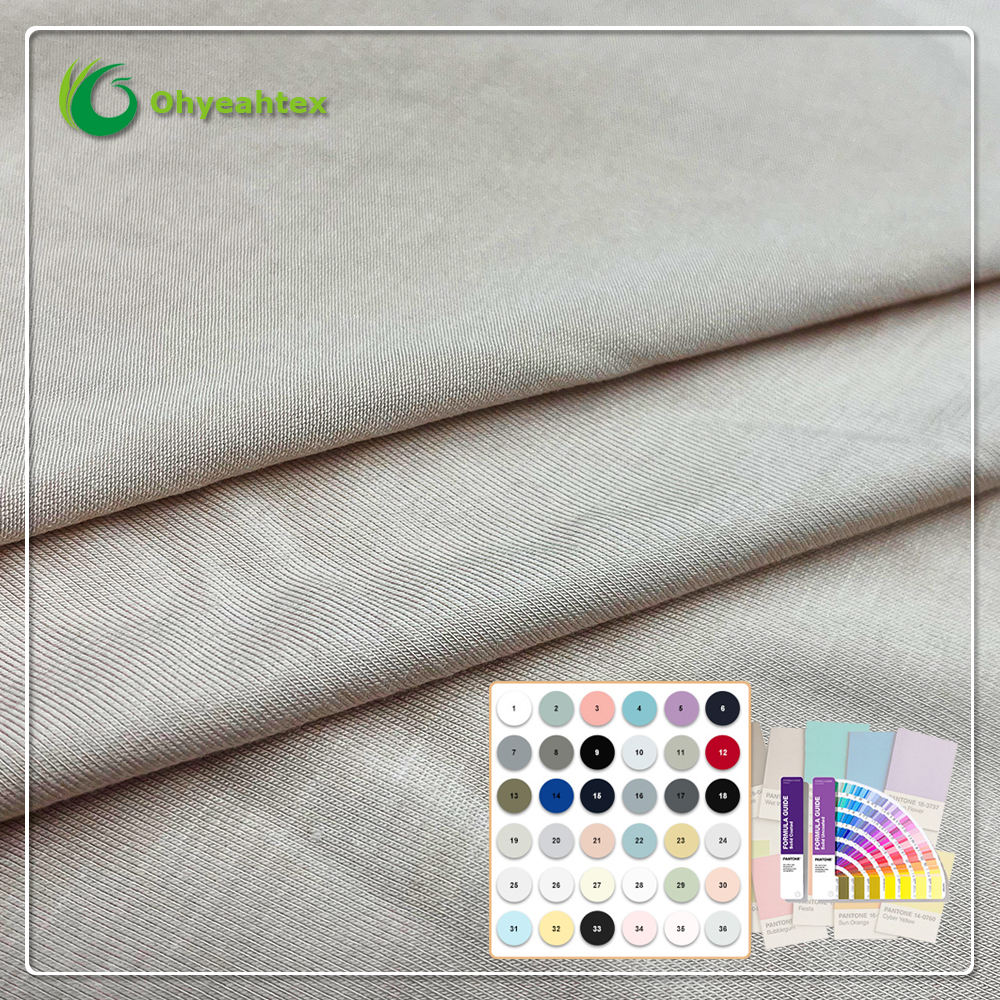
Pattern and Texture Options: Different knitting techniques can yield varying textures and patterns, impacting both aesthetics and application. Understanding these options is important for aligning the fabric with the intended use. 
Wholesale vs. Retail Pricing

Wholesale pricing structures differ significantly from retail pricing, primarily due to volume and negotiation dynamics. Wholesale buyers purchase in bulk, which generally results in lower bamboo fabric costs per unit compared to retail prices. Retailers mark up prices to cover their operational costs and profit margins. 

Additionally, wholesale buyers can negotiate terms based on order size, frequency, and long-term partnerships, providing opportunities for discounts not available to retail customers. For those considering entering the bamboo fabric market, understanding these dynamics is crucial for budgeting and cost management. 

Comparing suppliers, minimum order quantities, shipping fees, and payment terms can also help buyers accurately estimate total expenses and identify the most cost-effective purchasing options. 

Understanding the Cost Breakdown of Bamboo Fabric Manufacturing

To grasp the total cost of bamboo fabric, it is essential to break down the manufacturing expenses:

Raw Material Costs: The bamboo fabric cost is the starting point. Prices vary based on fiber quality and bamboo fabric sourcing location.  

Processing Costs: This includes labor and energy expenses involved in transforming raw bamboo into fabric. Sustainable practices can sometimes increase processing costs but enhance product value. 

Quality Control: Implementing robust quality control measures can add to bamboo fabric costs but is necessary to ensure the fabric meets buyer specifications and industry standards. 

Packaging and Shipping: Costs here can fluctuate based on order size, destination, and packaging requirements. Efficient logistics planning can help minimize these expenses. 

Overheads: General operational costs, including factory maintenance, equipment depreciation, and administrative expenses, also contribute to the final price of the fabric. 

Common Challenges in Bamboo Fabric Sourcing and Their Solutions

Sourcing bamboo fabric can present several challenges for buyers. Understanding these challenges and their solutions can streamline the purchasing process: 

Quality Inconsistencies: Variability in fiber quality can lead to inconsistent fabric performance. Buyers should request samples and conduct quality inspections before finalizing orders to mitigate this risk. 

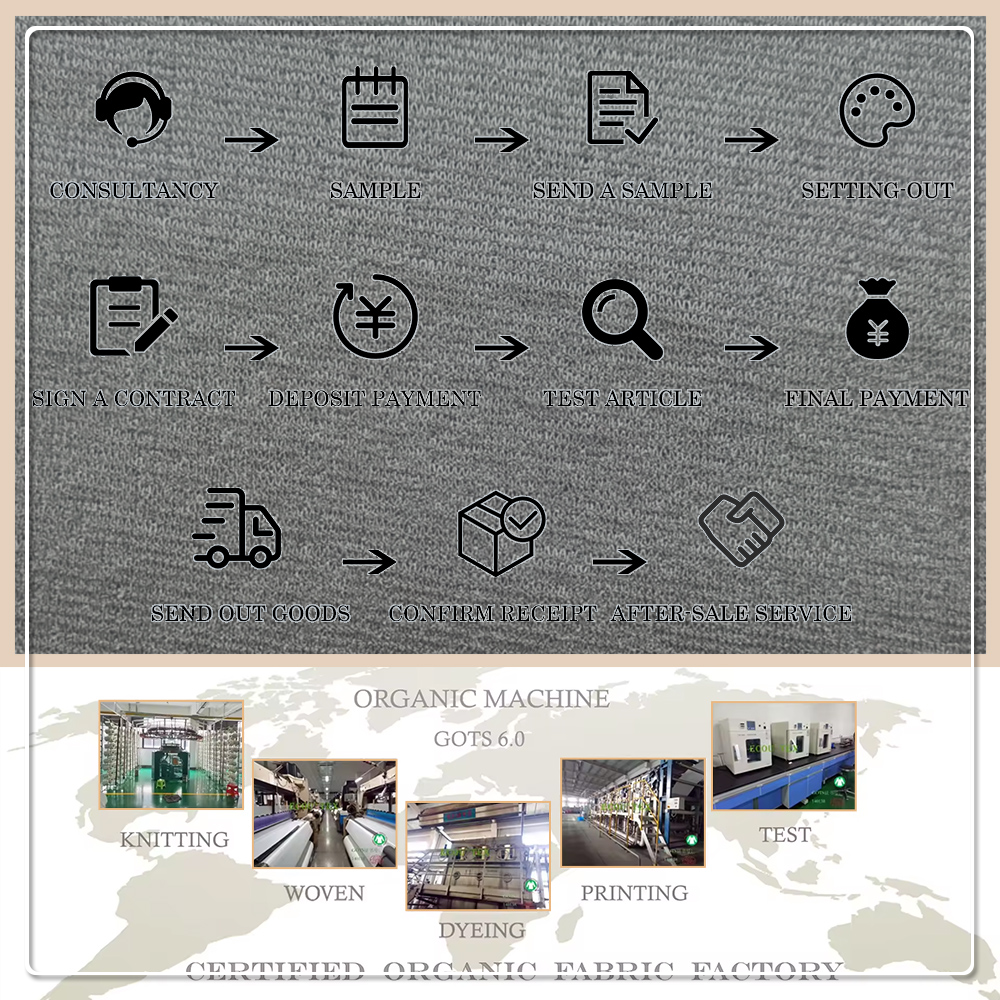
Supplier Reliability: Identifying trustworthy suppliers like Ohyeah is critical. Researching a supplier's certifications, production capabilities, and customer reviews can help buyers make informed decisions. 

Lead Times: Longer lead times can disrupt supply chains. Buyers should communicate clearly with suppliers like Ohyeah about their timelines and consider strategic ordering to ensure timely delivery. 

Sustainability Claims: With the rise of eco-conscious consumers, verifying sustainability claims can be challenging. Buyers should seek transparency from suppliers regarding their sourcing and bamboo fabric manufacturing practices. 

Customization Requests: Customization can complicate bamboo fabric sourcing and may result in higher costs or longer lead times. Buyers should clearly outline their requirements and confirm feasibility with suppliers early in the process. 

By understanding these factors, specifications, wholesale pricing structures, and challenges, buyers can better navigate the complexities of bamboo fabric sourcing eco friendly bamboo fabric. With the right approach, they can ensure they procure high-quality, eco-friendly textiles that meet their needs. 

What Factors Influence Bamboo Fabric Cost for Wholesale Buyers?

Several factors affect the cost of bamboo fabric, making it essential for wholesale buyers to understand before placing an order. The primary considerations include: 

Material Quality: The quality of bamboo fibers directly impacts the bamboo fabric cost. Higher-grade fibers yield a softer, more durable fabric, which commands a premium price. 

bamboo fabric Manufacturing Process: The method used to convert bamboo into fabric can also influence bamboo fabric costs.  Processes like enzymatic hydrolysis, which yields softer and more breathable fabric, typically result in higher costs compared to standard processing methods. 

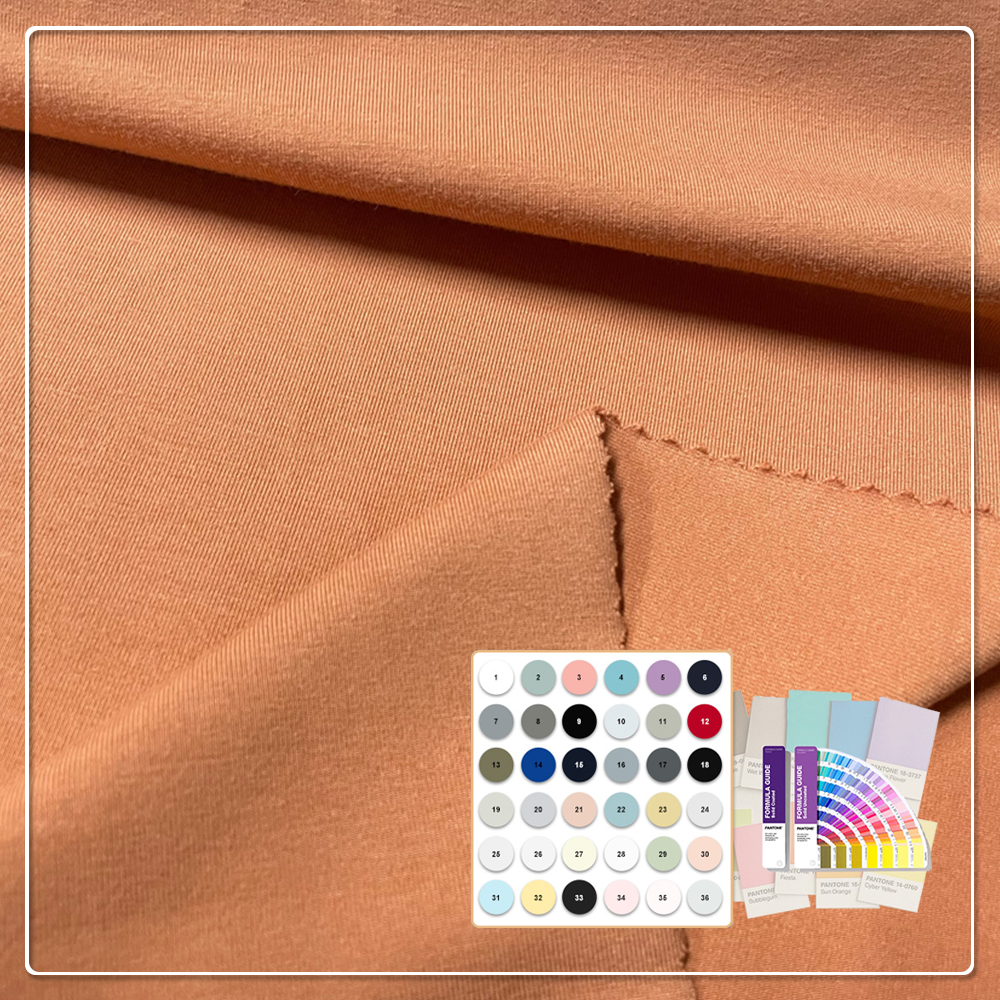
Customization: Tailoring fabric to specific requirements, such as color, texture, and finish, can increase bamboo fabric costs. Bulk orders may receive discounts, but unique specifications can drive up the unit price. 

Production Scale: Larger orders benefit from economies of scale, reducing the overall bamboo fabric cost per yard.  However, small orders may incur higher costs due to setup and production runs. 

Certifications: Ohyeah fabrics with certifications such as OEKO-TEX, GOTS, or OCS often come at a higher bamboo fabric cost due to the rigorous standards involved in their production, but they assure buyers of quality and sustainability.  

Our Blog Posts

Top Pajama Fabric Factory Recommendation Guide 2026: Sourcing the Best Materials

08

May

Top Pajama Fabric Factory Recommendation Guide 2026: Sourcing the Best Materials

Executive Summary: How to Find the Best Pajama Fabric Factory Finding a top pajama fabric factory means looking for more than just a low price. The best factories focus on three things: comfort, safety, and quality that lasts. According to the latest...
View More
How Tencel Lyocell Improves Breathability in Modern Textile Applications

29

May

How Tencel Lyocell Improves Breathability in Modern Textile Applications

Today, breathability is not merely a perk in fabric, but a standard and expected characteristic for consumers wearing sportswear, loungewear, and general apparel. A breathable fabric allows the body to remain cool, dry, and comfortable...
View More
The Natural Softness Advantage of Tencel Lyocell in Knit Fabrics

29

May

The Natural Softness Advantage of Tencel Lyocell in Knit Fabrics

Consumers look for softness in knitwear above all else. Softness builds trust,encourages comfort,and leaves a positive lasting impression. When compared to all the other sustainable fibers available on the market today,none will offer the same amount...
View More
What Makes Tencel Modal Ideal for High-Quality Loungewear Fabrics

29

May

What Makes Tencel Modal Ideal for High-Quality Loungewear Fabrics

Loungewear, originally designed as casual clothing for the home, has become a key item in the modern wardrobe. Consumers now demand that their loungewear be ultra-soft, extremely comfortable and durable enough to wear day in and day out. They also re...
View More

Get a Free Quote

Our representative will contact you soon.
Email
Name
Mobile/WhatsApp
Company Name
Message
0/1000

Get a Free Quote

Our representative will contact you soon.
Email
Name
Mobile/WhatsApp
Company Name
Message
0/1000