EN
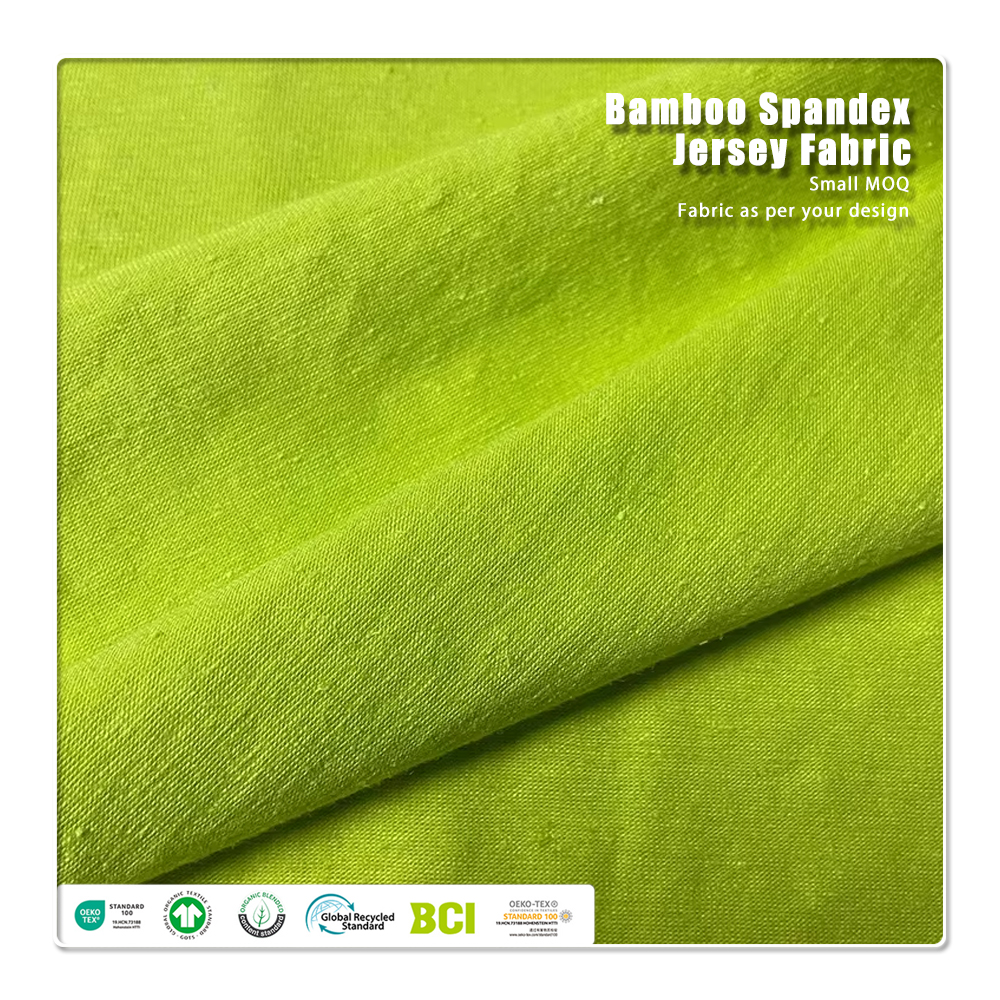
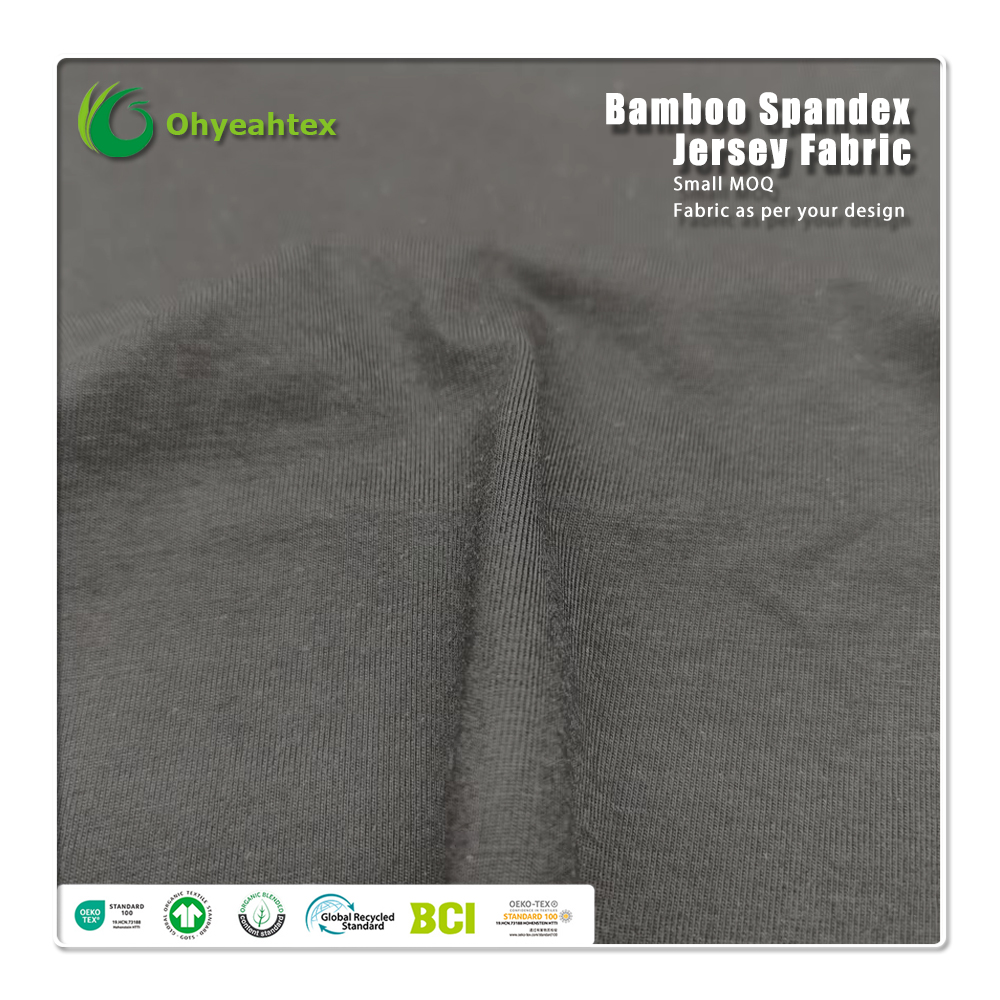
Bamboo lyocell clothing is a sustainable and luxurious fabric choice, increasingly favored for its softness, breathability, and eco-friendly properties. As a B2B buyer, understanding the nuances of bamboo lyocell clothing can help you make informed purchasing decisions, ensuring that the products meet your quality standards and performance requirements. This article will guide you through essential considerations for selecting, evaluating, and utilizing bamboo lyocell clothing, addressing key concerns such as quality, cost, and installation.

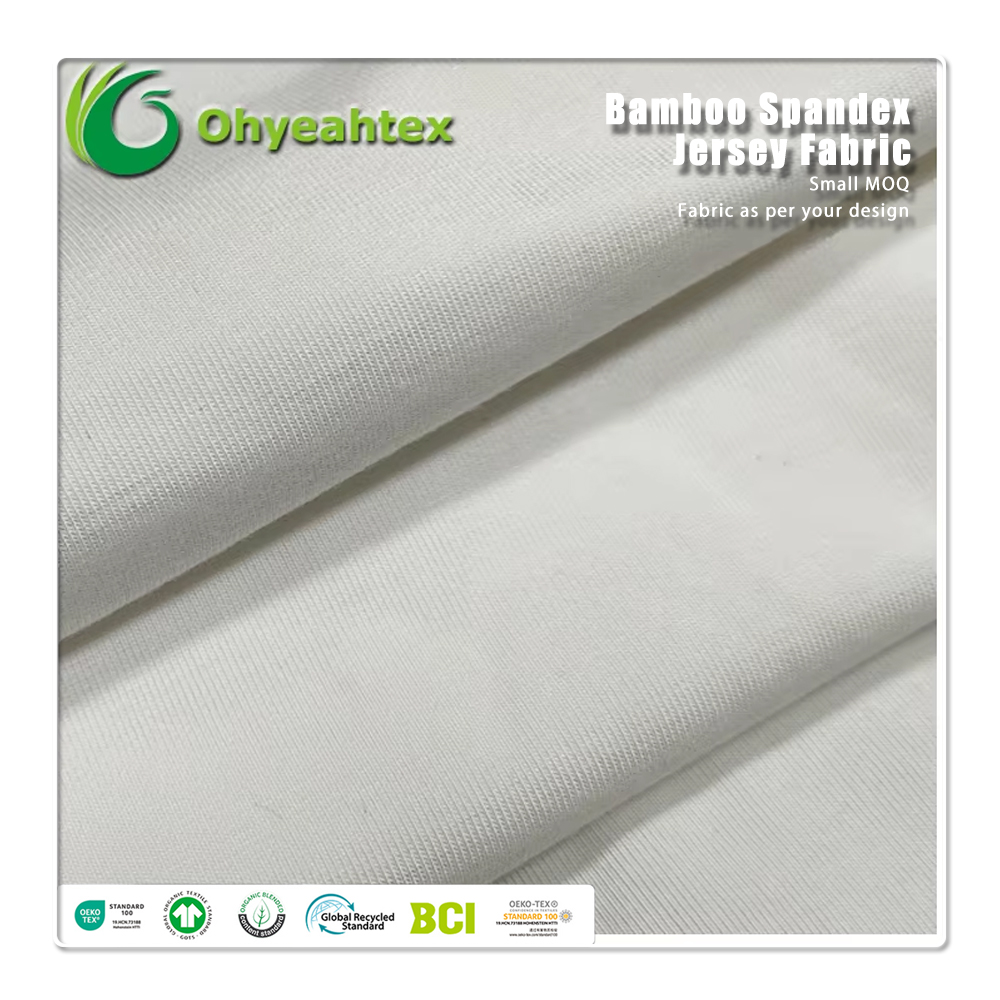
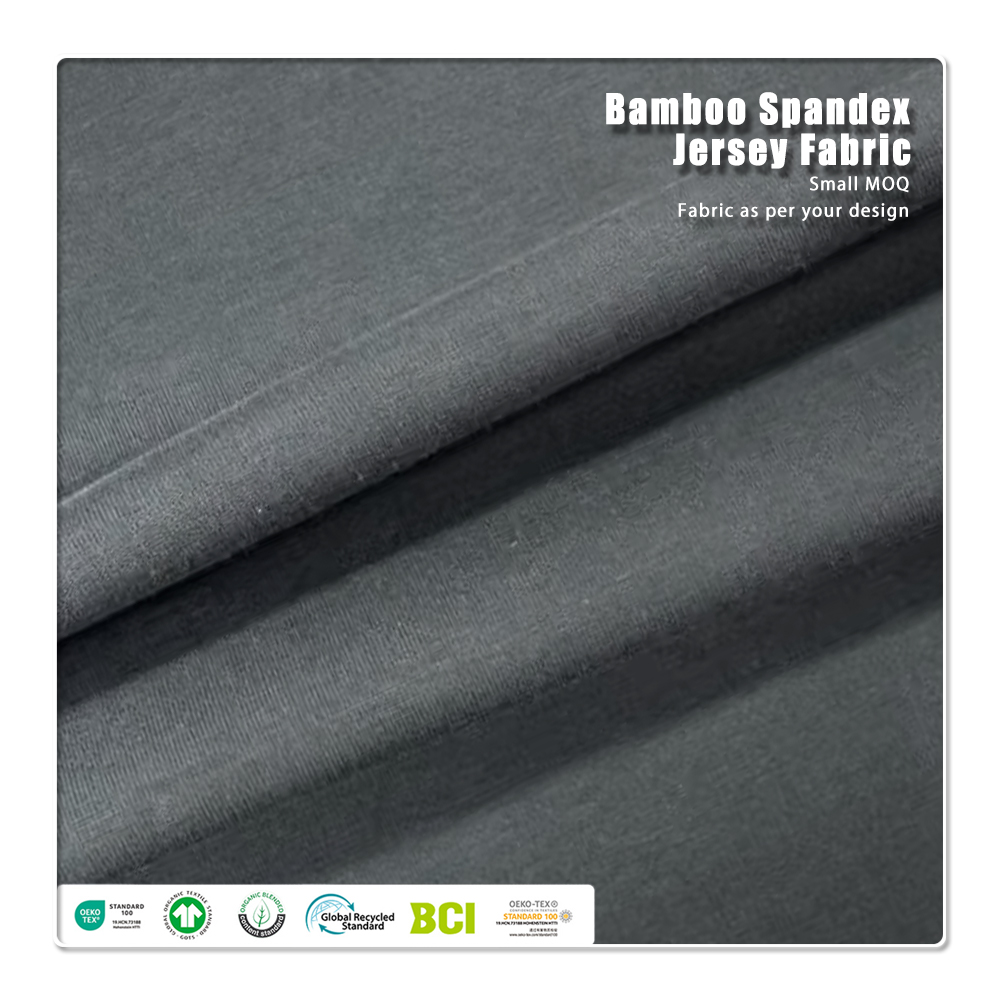
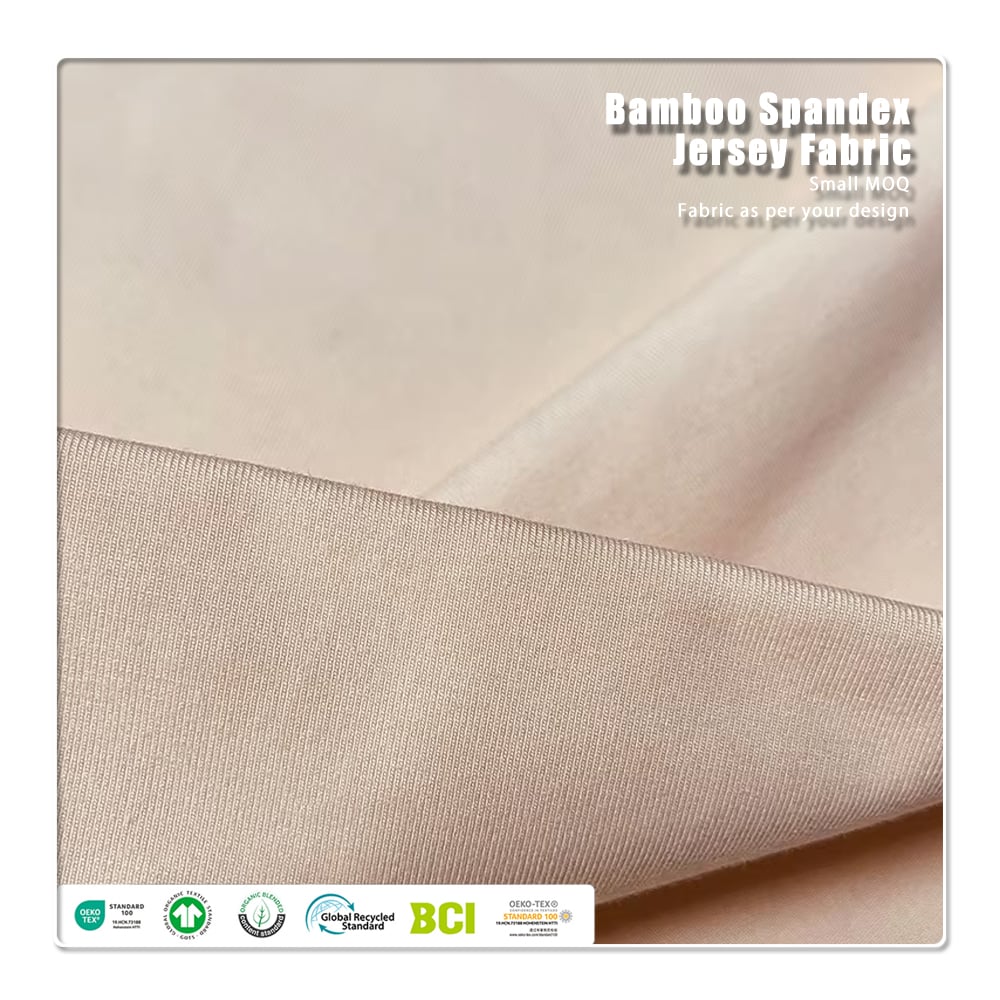
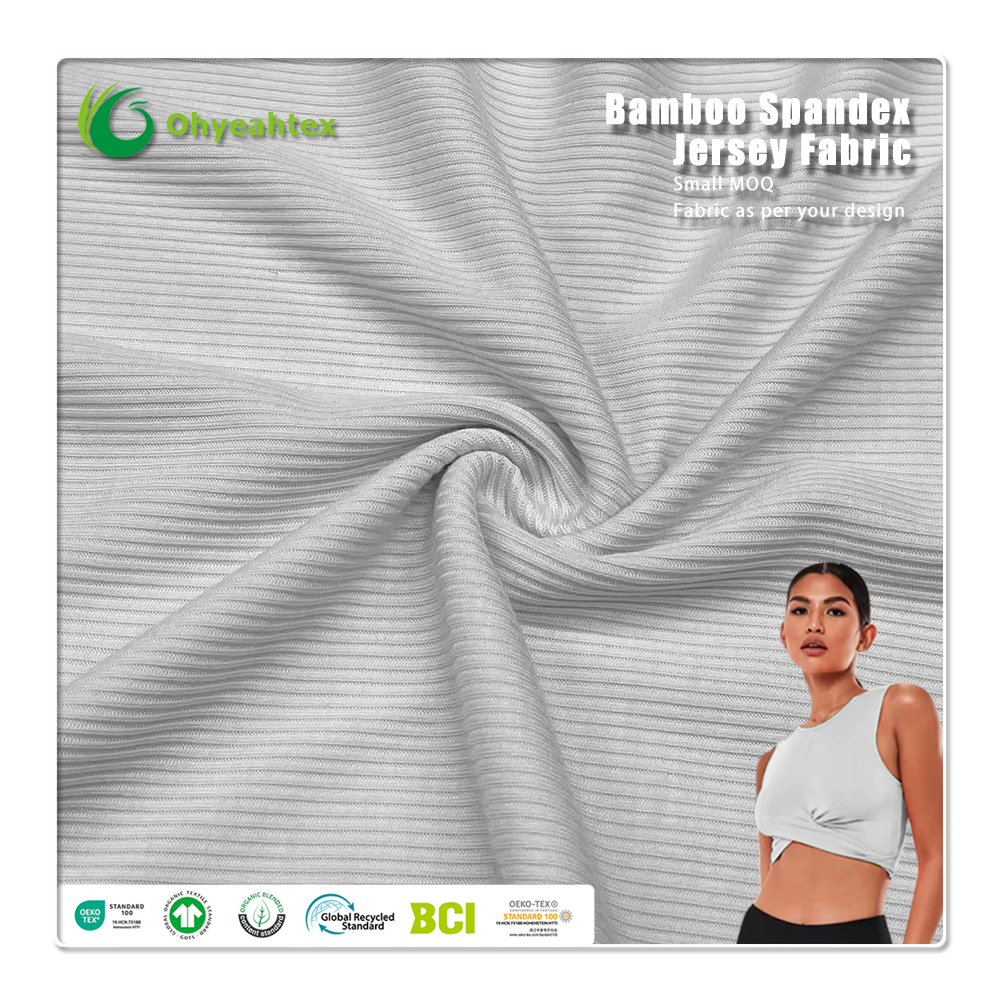
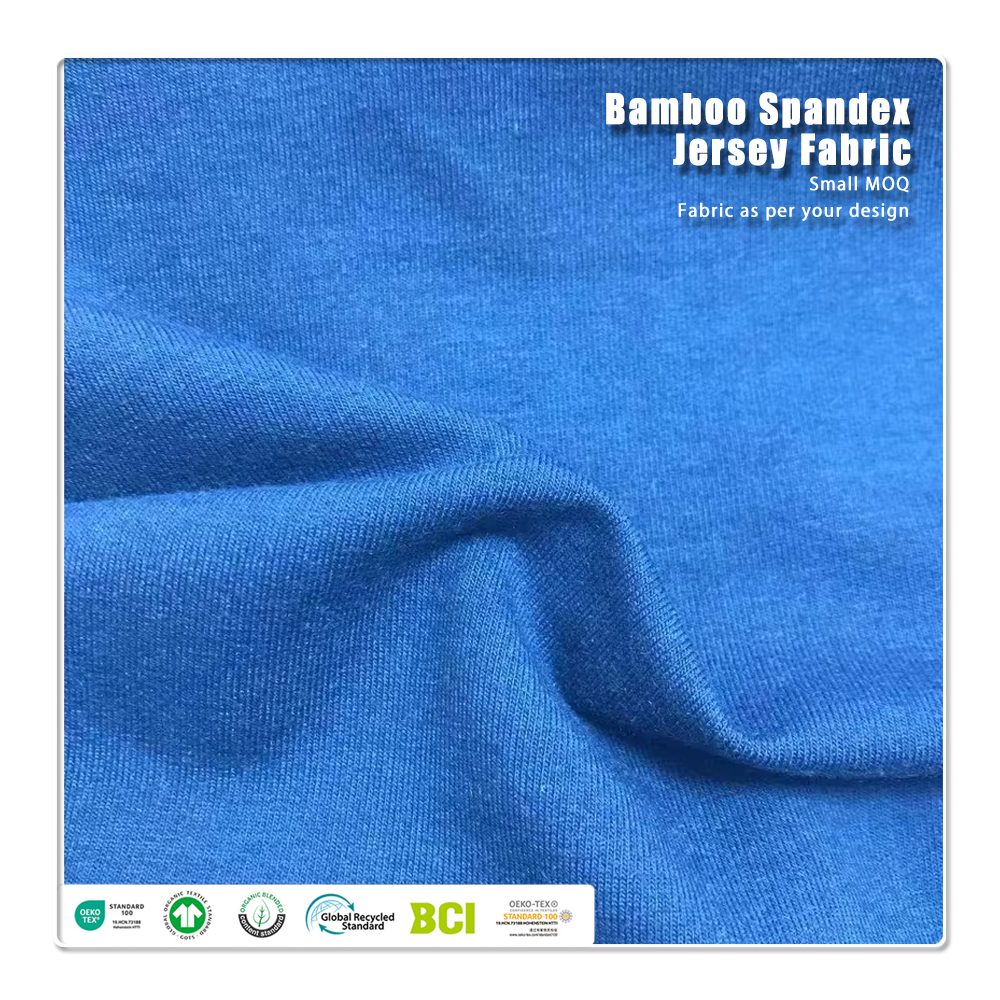
Quality and Cost Factors
The relationship between quality and cost is a critical consideration when selecting bamboo lyocell clothing. While premium fabrics may come at a higher price, they often yield better performance, longevity, and customer satisfaction. Buyers should assess the total cost of ownership, factoring in durability and potential maintenance costs over time.
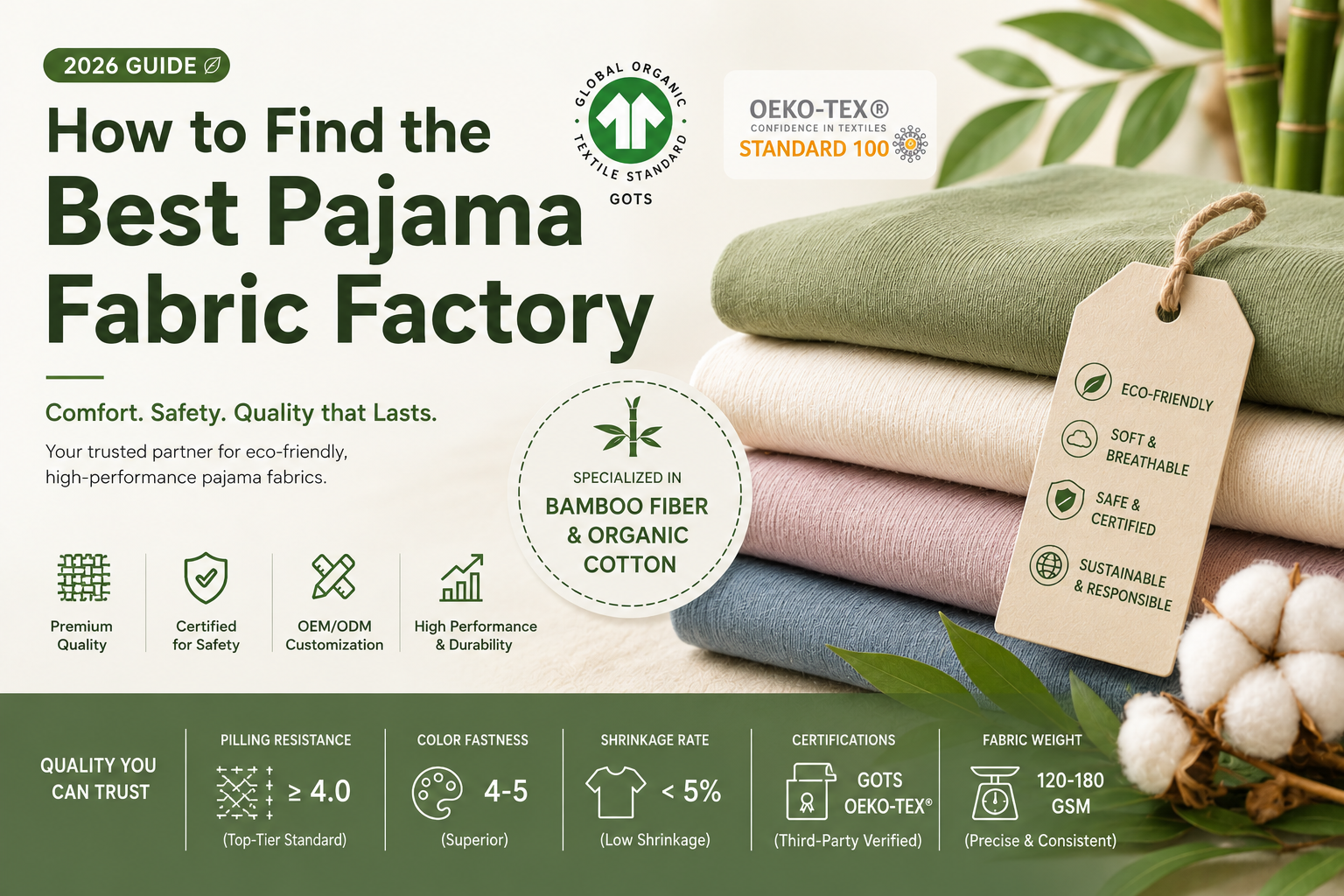
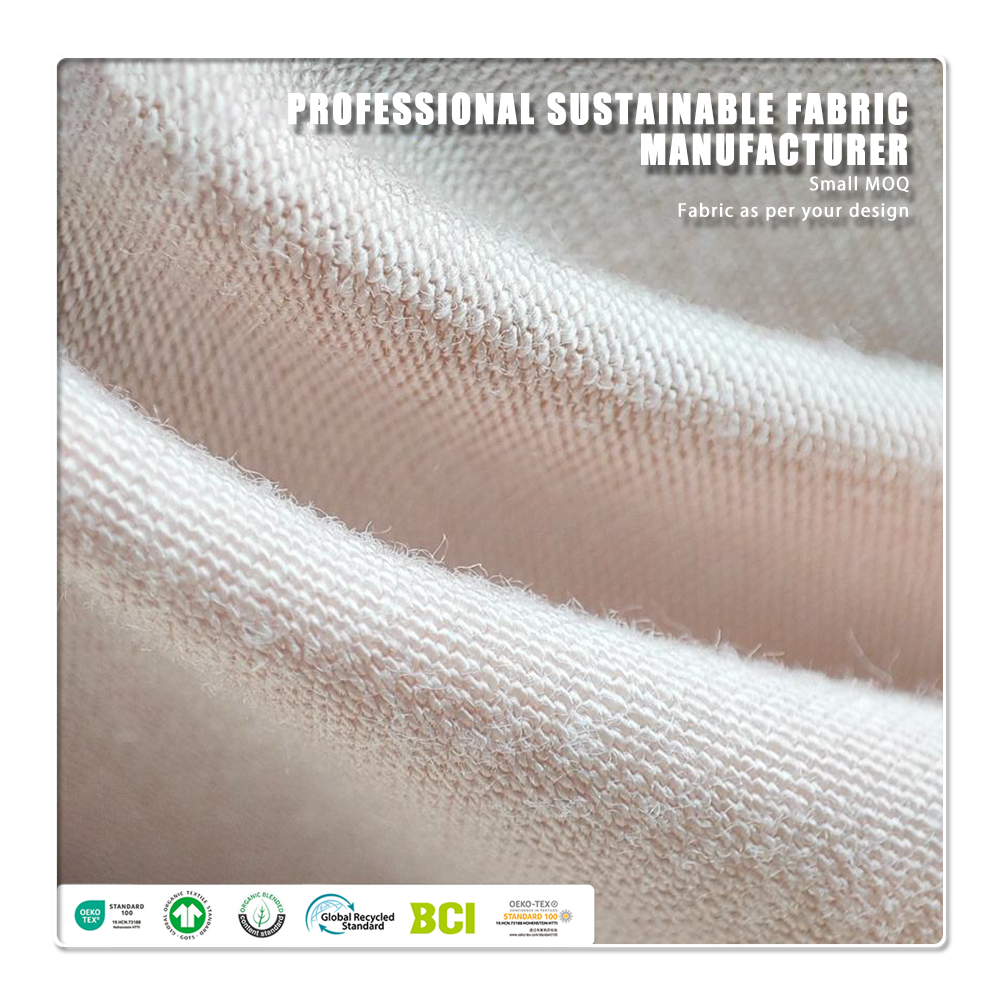
Quality indicators for bamboo lyocell include color fastness ratings, shrinkage levels, and overall fabric structure. For instance, a fabric with a color fastness rating of level 4-5 and shrinkage below 5% is a sign of a well-manufactured product. In contrast, lower-quality fabrics may exhibit fading or distortion after washing.
Additionally, consider the manufacturer’s quality control processes. A transparent quality assurance protocol, such as rigorous testing for strength and durability, can provide peace of mind that the products will meet your standards. Engaging with a supplier that prioritizes quality, like Ohyeah Textile, can help mitigate risks associated with inferior products.