Bamboo Rayon Material: Key Sourcing Insights

Get a Free Quote

Our representative will contact you soon.
Email
Name
Mobile/WhatsApp
Company Name
Message
0/1000

bamboo rayon material

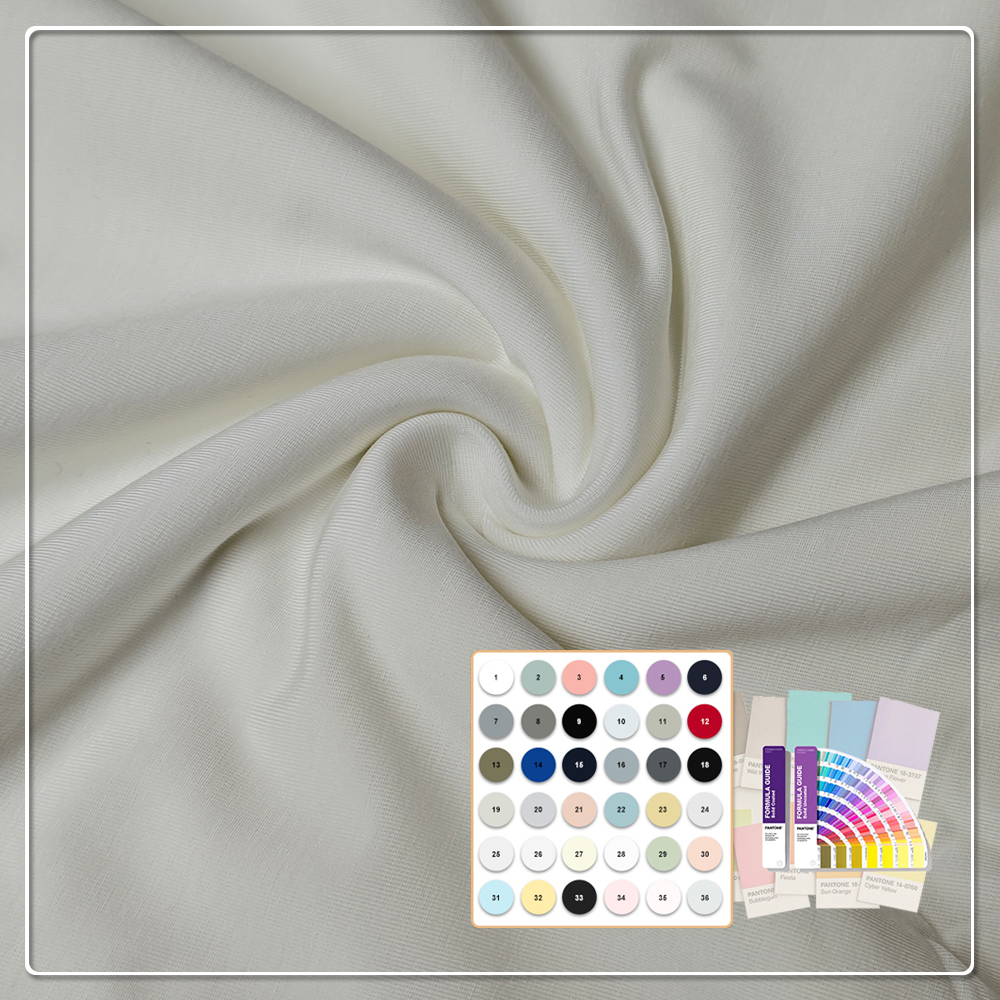
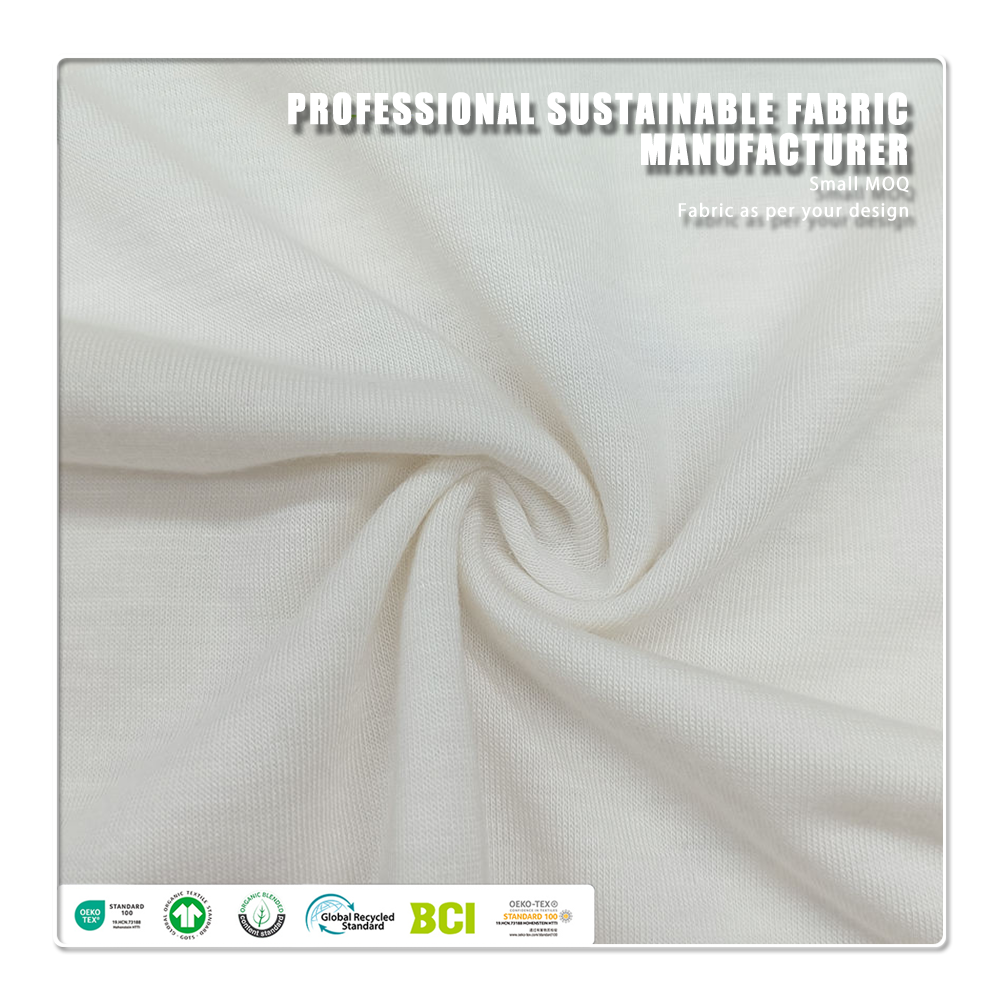
Bamboo rayon material is an innovative and eco-friendly fabric derived from the pulp of bamboo plants. As a B2B buyer in the textile industry, understanding the nuances of sourcing bamboo rayon is crucial for making informed purchasing decisions. Key considerations include quality specifications, sourcing reliable manufacturers, and installation requirements for various applications. This article will delve into what you need to know when navigating the complexities of bamboo rayon for bulk orders, ensuring you find the right material for your projects.

Key Specifications of Bamboo Rayon for Wholesale Buyers

Understanding the key specifications of bamboo rayon is essential for wholesale buyers. When evaluating this material, consider the following specifications:

Weight and Thickness: Bamboo rayon typically comes in various weights, which can affect its drape and application. A lighter fabric may be suitable for summer garments, while heavier weights are ideal for winter wear.

Breathability: One of the standout features of bamboo rayon is its breathability. This characteristic makes it an excellent choice for activewear or clothing intended for warm climates.

Moisture Absorption: Bamboo rayon has high moisture-wicking properties, which can enhance comfort in clothing. This specification is particularly important for applications in the activewear industry, where fabrics like Recycled Polyester Fabric may also be considered.

Fabric Structure: The knitting technique used in producing bamboo rayon can significantly influence its quality. Circular knitting, for example, provides a seamless finish that enhances the fabric's stretch and comfort.

Certification Compliance: Ensure the bamboo rayon meets international standards for safety and environmental impact. This includes checking for certifications such as GOTS for organic textiles or OEKO-TEX for harmful substance testing.

Wholesale buyers should confirm these specifications with manufacturers before placing orders to ensure the material meets their specific needs.
Comparing Bamboo Rayon to Other Eco-Friendly Fabrics

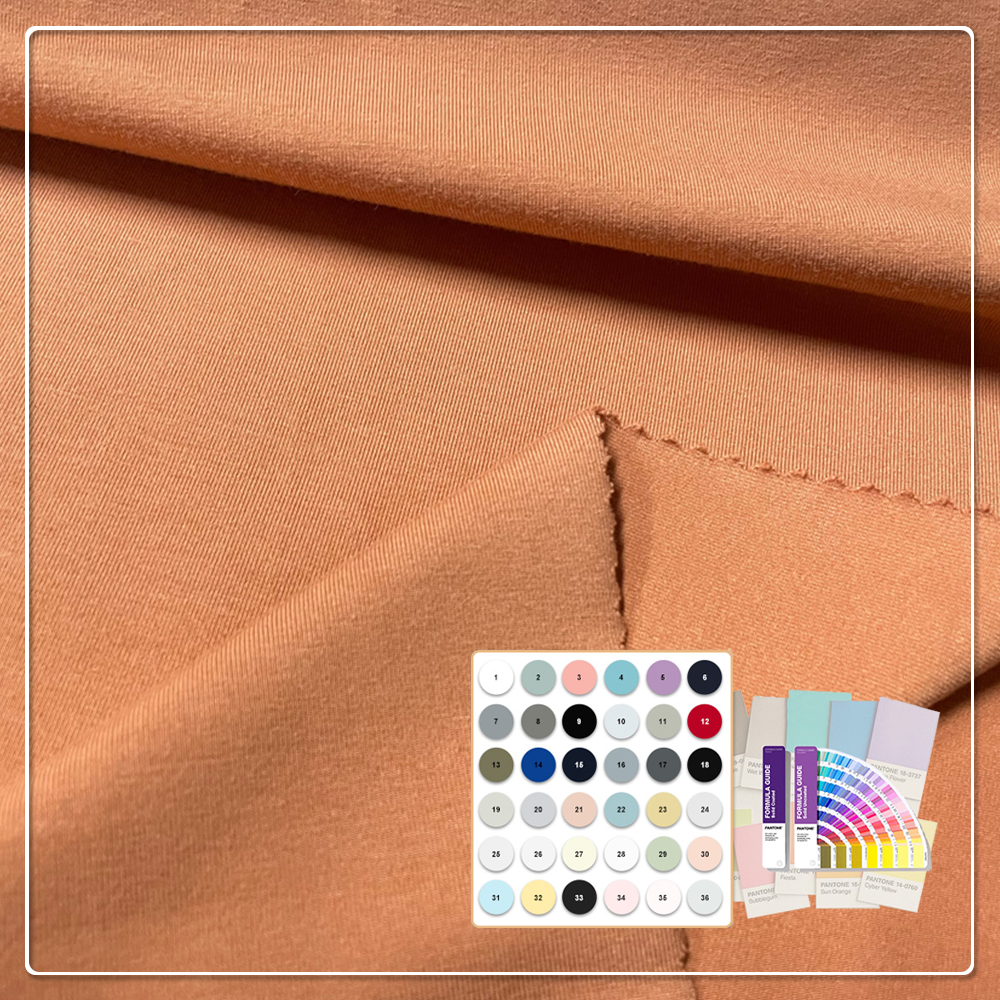
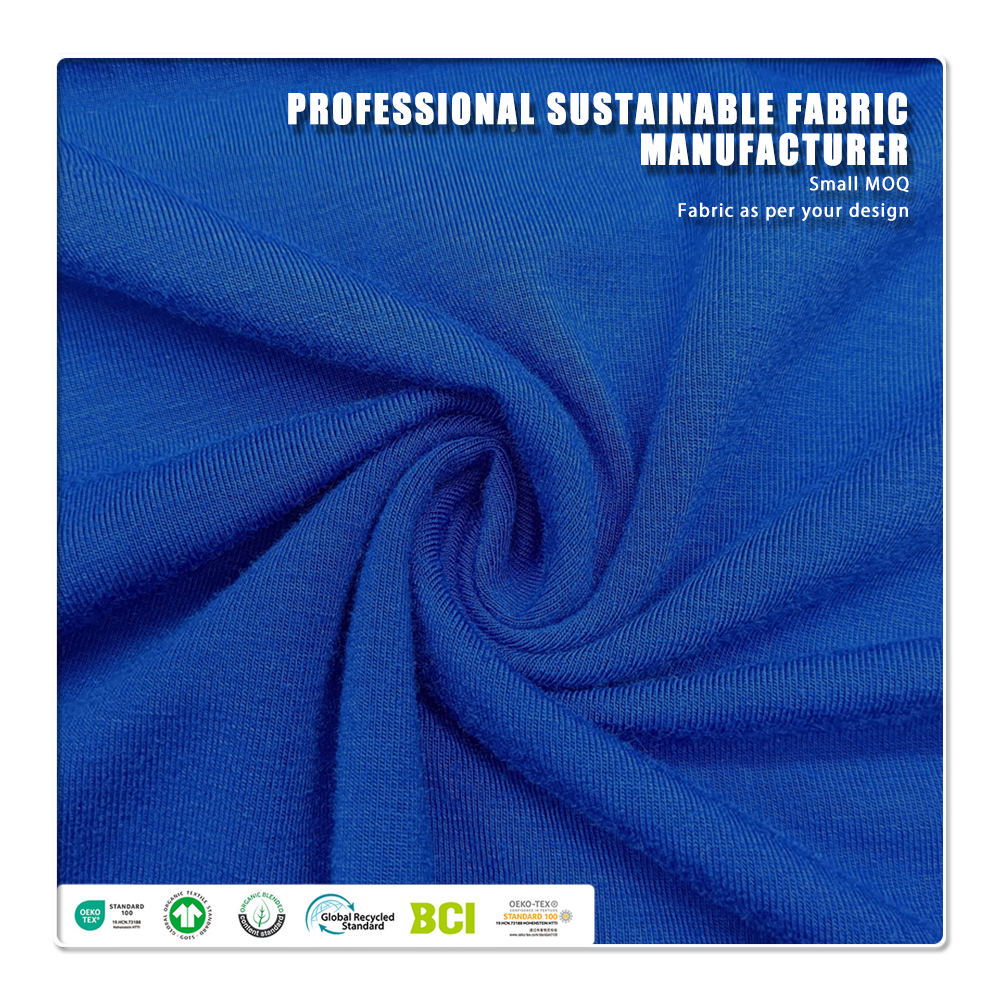
When comparing bamboo rayon to other eco-friendly fabrics, it’s essential to highlight its unique advantages and potential drawbacks. For instance:

Bamboo Rayon vs. Organic Cotton: Bamboo rayon typically has a softer and silkier feel compared to organic cotton, making it more suitable for luxurious apparel. However, the production process for bamboo can be more chemically intensive than organic cotton, which is often produced using fewer chemicals.

Bamboo Rayon vs. Recycled Polyester: Bamboo rayon is biodegradable, while recycled polyester is not. However, recycled polyester can offer superior durability and moisture resistance, making it a better choice for outdoor or high-performance applications.

Bamboo Rayon vs. Tencel (Lyocell): Both fabrics are derived from plant materials and have similar eco-friendly credentials. However, Tencel is often considered to have higher strength and durability, while bamboo rayon can be more affordable.

Understanding these differences can help buyers select the most suitable fabric for their specific applications, considering factors such as cost, performance, and sustainability.

Finding Trustworthy Bamboo Rayon Manufacturers

Finding reliable manufacturers for bamboo rayon is critical to ensuring product quality and supply chain stability. Start by researching manufacturers with strong reputations in the industry. Look for companies with relevant certifications, such as OEKO-TEX and GOTS, which indicate a commitment to sustainable practices.

Request product samples to assess the fabric's quality firsthand. During this process, pay attention to details such as texture, color consistency, and any potential defects. Additionally, inquire about the manufacturer’s quality control processes to ensure they have rigorous checks in place throughout production.

Consider engaging with suppliers who can provide transparency in their production processes. A manufacturer like Shaoxing City Ohyeah Textile Co., Ltd., with over 100 circular knitting machines and a monthly output of 200 tons, can demonstrate the capacity to meet large orders while maintaining quality.

Lastly, ask for references and case studies from previous clients to evaluate their reliability and performance in fulfilling orders.

Installation Guidance for Bamboo Rayon in Textile Projects

Installing bamboo rayon in textile projects requires careful consideration to ensure optimal performance and longevity. Here are some key installation guidelines:

Pre-Washing: Before using bamboo rayon, pre-wash the fabric to remove any residual chemicals from production. This process also helps to minimize shrinkage during the first wash.

Sewing Techniques: Use appropriate sewing techniques for bamboo rayon to prevent fraying or distortion. Employing a ballpoint needle can help navigate the fabric’s fibers without causing damage.

Finishing Touches: Consider using finishing treatments that enhance the fabric's durability, such as enzyme washes or softeners that can improve texture and reduce pilling.

Care Instructions: Provide care instructions for end users, as bamboo rayon may require gentle washing and air drying to maintain its properties. This helps ensure the longevity of the fabric in its final application.

By following these guidelines, buyers can ensure successful integration of bamboo rayon into their textile projects, enhancing product performance while maximizing customer satisfaction. Understanding these aspects will not only facilitate better purchasing decisions but also contribute to the overall success of your textile projects involving bamboo rayon material.

What to Consider When Sourcing Bamboo Rayon for Bulk Orders

When sourcing bamboo rayon for bulk orders, several factors should be at the forefront of your decision-making process. First, assess the fabric's intended application—different uses may require specific characteristics or certifications. It's vital to confirm the quality specifications such as color fastness, shrinkage rates, and the fabric's overall feel. For instance, a color fastness level of 4-5 and a shrinkage rate below 5% are essential for ensuring durability and performance in end products.

Next, consider the sustainability certifications of the bamboo rayon material. Certifications like OEKO-TEX, GOTS, OCS, and GRS not only reflect the eco-friendly nature of the fabric but also assure compliance with environmental and social standards. As a buyer, verifying these certifications can protect your brand's reputation and align with your company’s commitment to sustainability. Additionally, sourcing fabrics like Organic Cotton Fabric can also be a sustainable alternative.

Moreover, engage with manufacturers about their production capabilities. Evaluate their monthly output and technical expertise, as these factors will influence lead times and your ability to meet project deadlines.

Our Blog Posts

How Tencel Lyocell Improves Breathability in Modern Textile Applications

29

May

How Tencel Lyocell Improves Breathability in Modern Textile Applications

Today, breathability is not merely a perk in fabric, but a standard and expected characteristic for consumers wearing sportswear, loungewear, and general apparel. A breathable fabric allows the body to remain cool, dry, and comfortable...
View More
The Durability Performance of Tencel Modal in Knit Fabric Production

29

May

The Durability Performance of Tencel Modal in Knit Fabric Production

Durability is fundamental in quality knitwear. A fabric that is beautiful but falls apart after a few washes cannot satisfy today's consumers. Fiber selections with confirmed durability performance are important for knit fabric manufac...
View More
How Tencel Lyocell Fabric Supports Premium Apparel Manufacturing

13

Oct

How Tencel Lyocell Fabric Supports Premium Apparel Manufacturing

If there is one thing that separates mediocre and exceptional clothes, it is the type of fabric. As manufacturers strive to produce clothing that epitomizes luxurious and resilient designs that are also ethically sourced, Tencel lyocell fabric has qu...
View More
The Growing Demand for Tencel Lyocell in Modern Textile Supply Chains

13

Oct

The Growing Demand for Tencel Lyocell in Modern Textile Supply Chains

The textile industry is currently in the process of massive disruption to move toward greater sustainability, and a leader of the movement has come in the form of Tencel Lyocell. As consumers and apparel companies are demanding more environmentally f...
View More

Get a Free Quote

Our representative will contact you soon.
Email
Name
Mobile/WhatsApp
Company Name
Message
0/1000

Get a Free Quote

Our representative will contact you soon.
Email
Name
Mobile/WhatsApp
Company Name
Message
0/1000