EN
Bamboo viscose clothing has gained significant attention in recent years due to its eco-friendly properties and luxurious feel. As a B2B buyer, you may have concerns about the quality, specifications, and applications of this fabric for your projects. This article aims to provide you with essential insights into evaluating bamboo viscose fabric, focusing on key specifications, cost factors for bulk orders, industry applications, and guidance on selecting the right products for your needs.
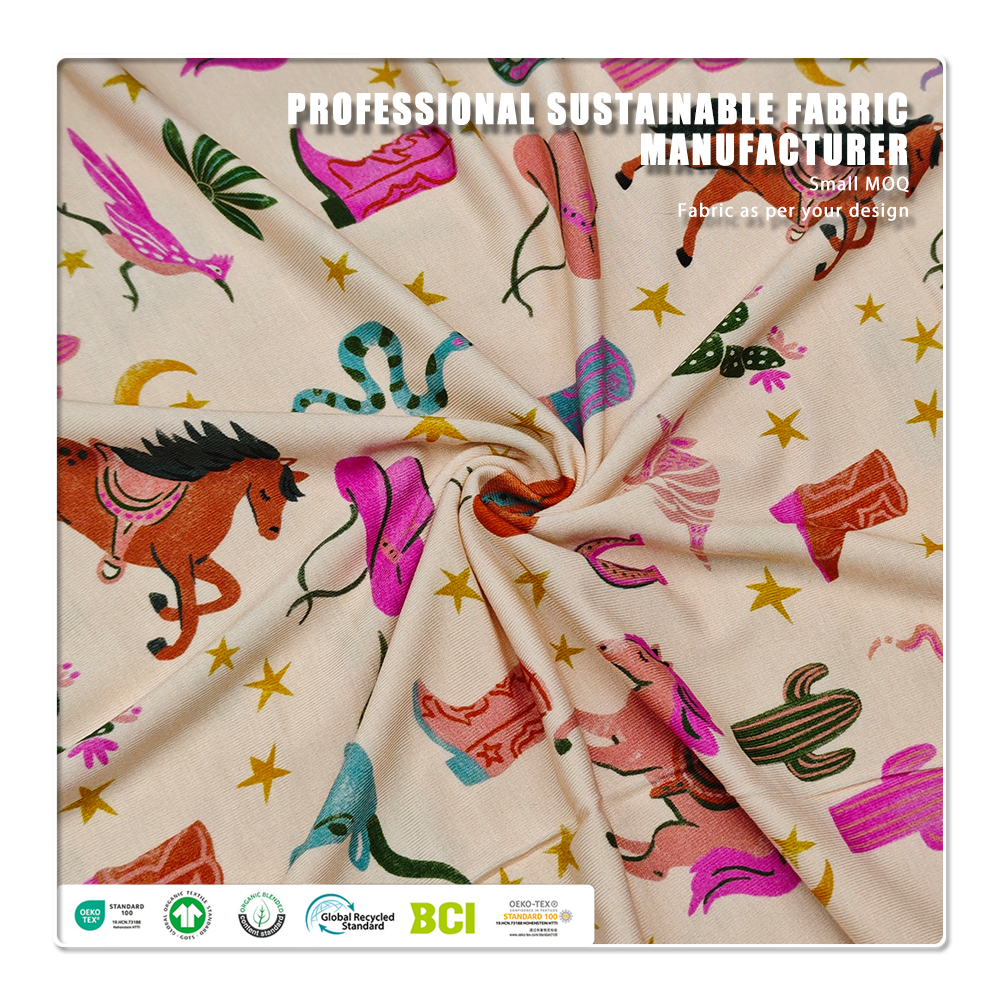
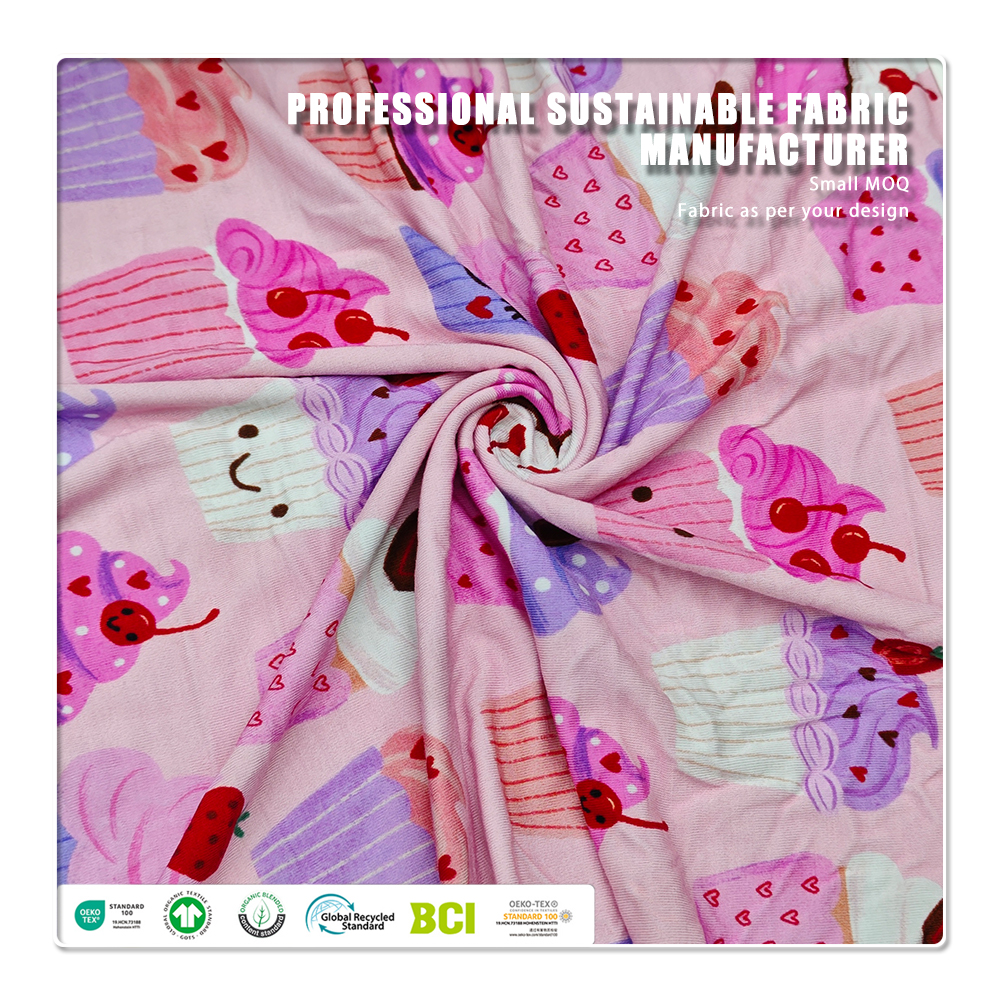
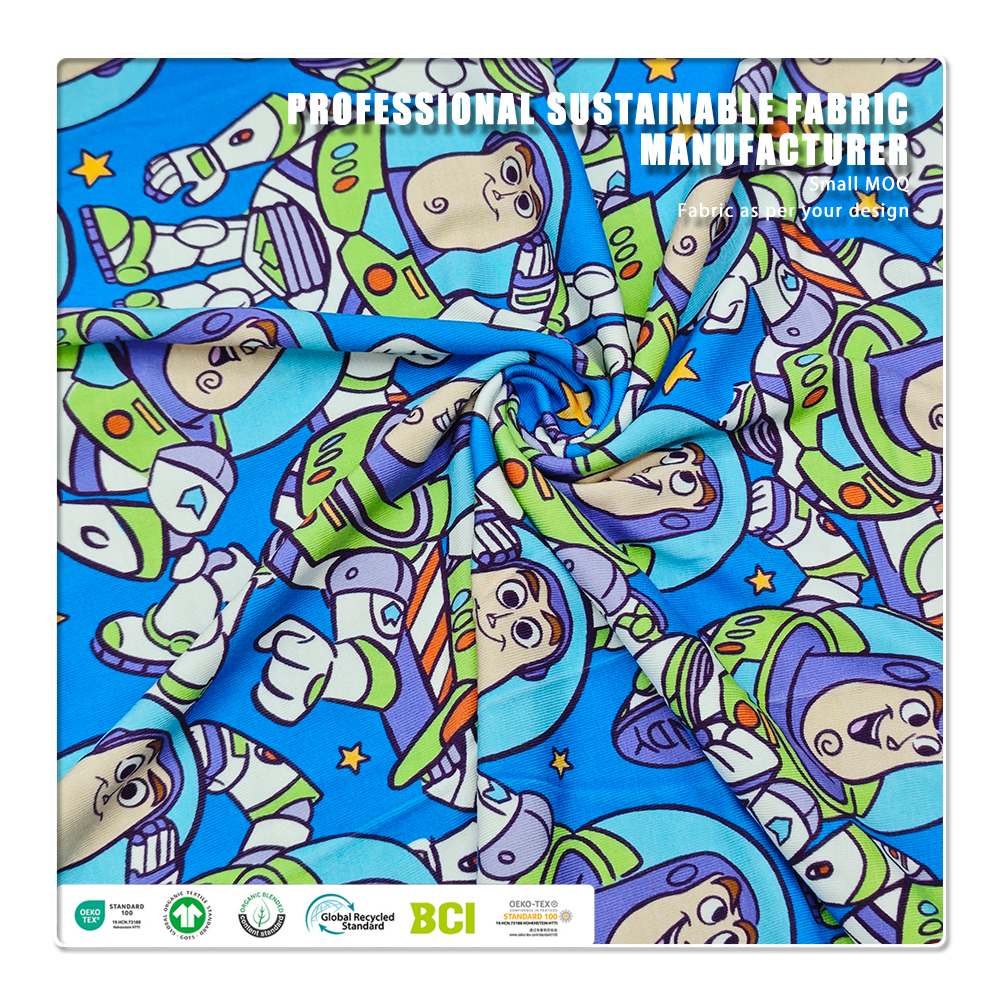
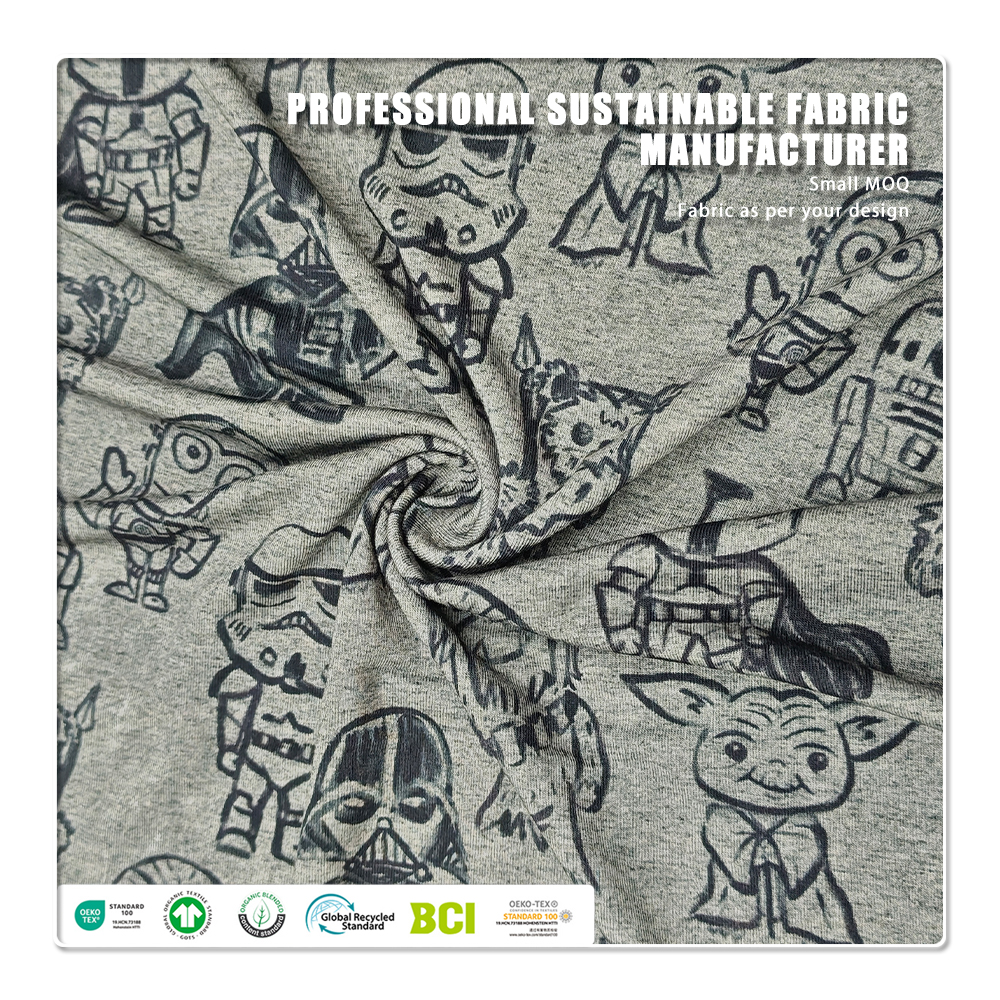
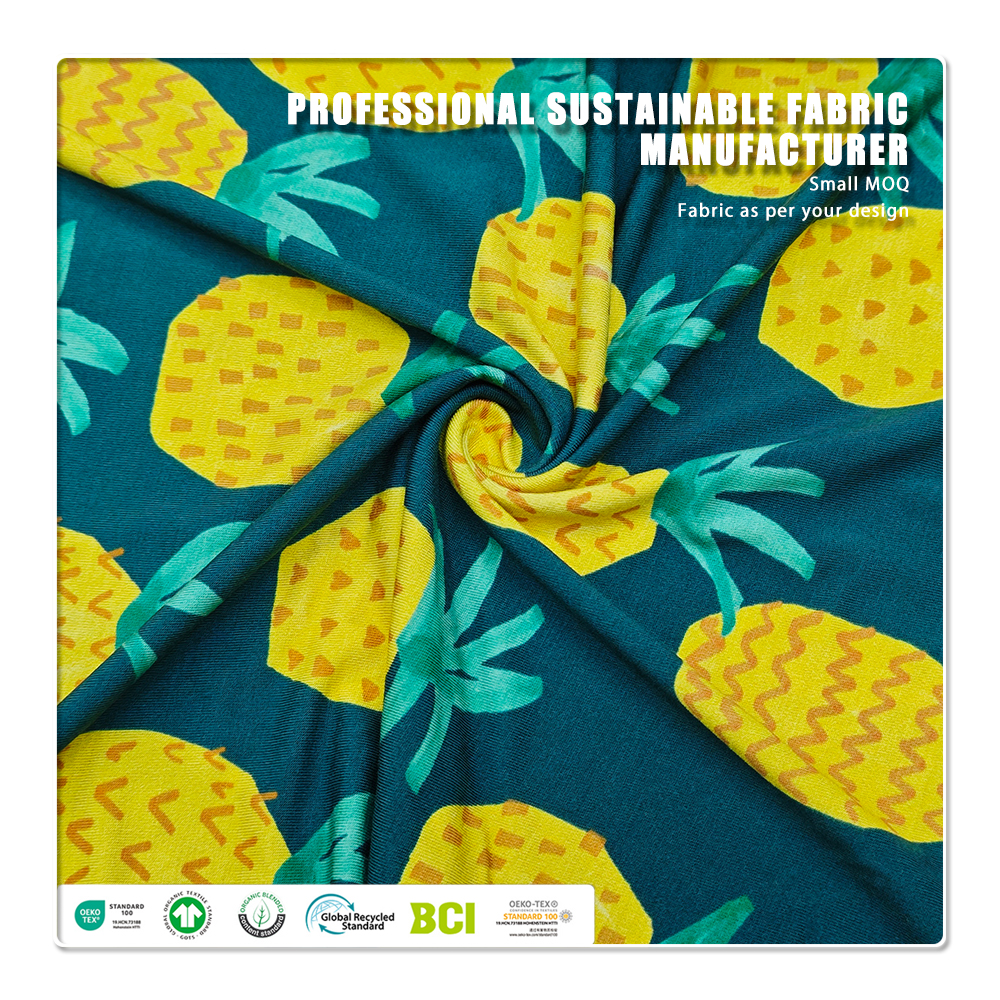
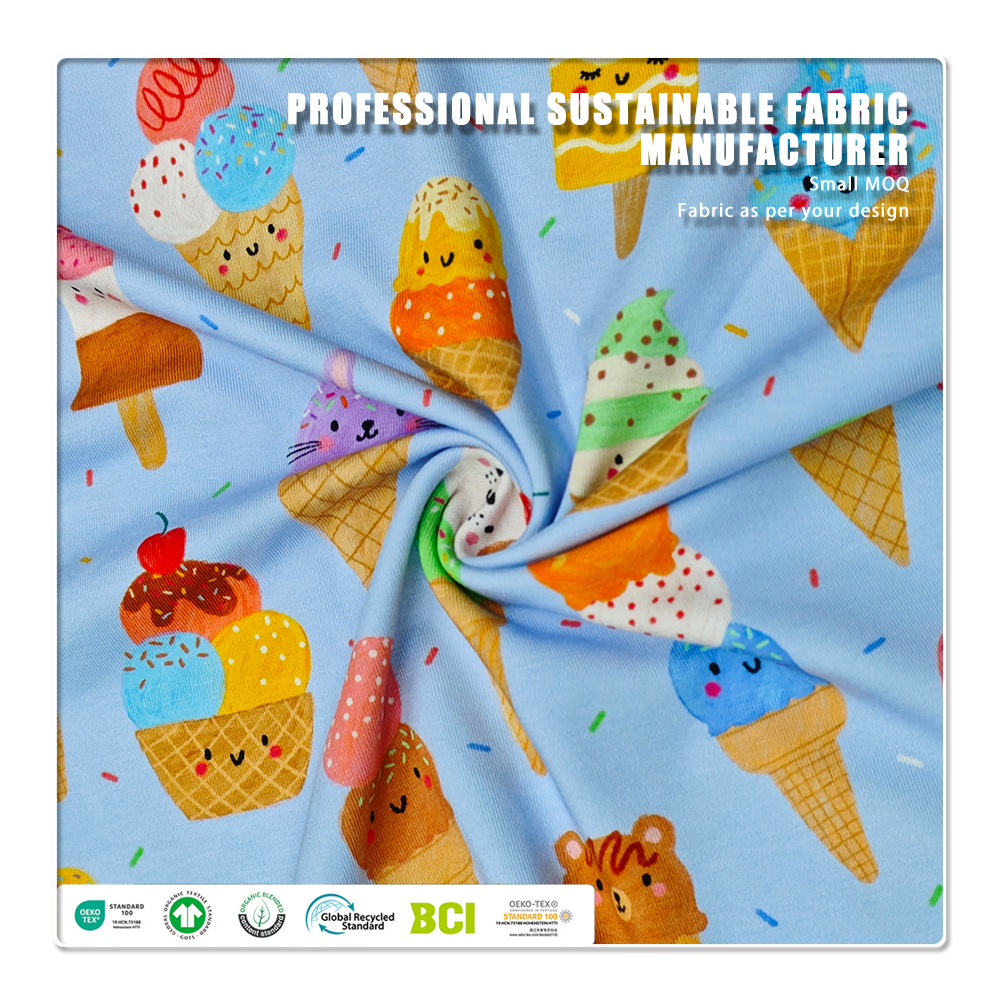
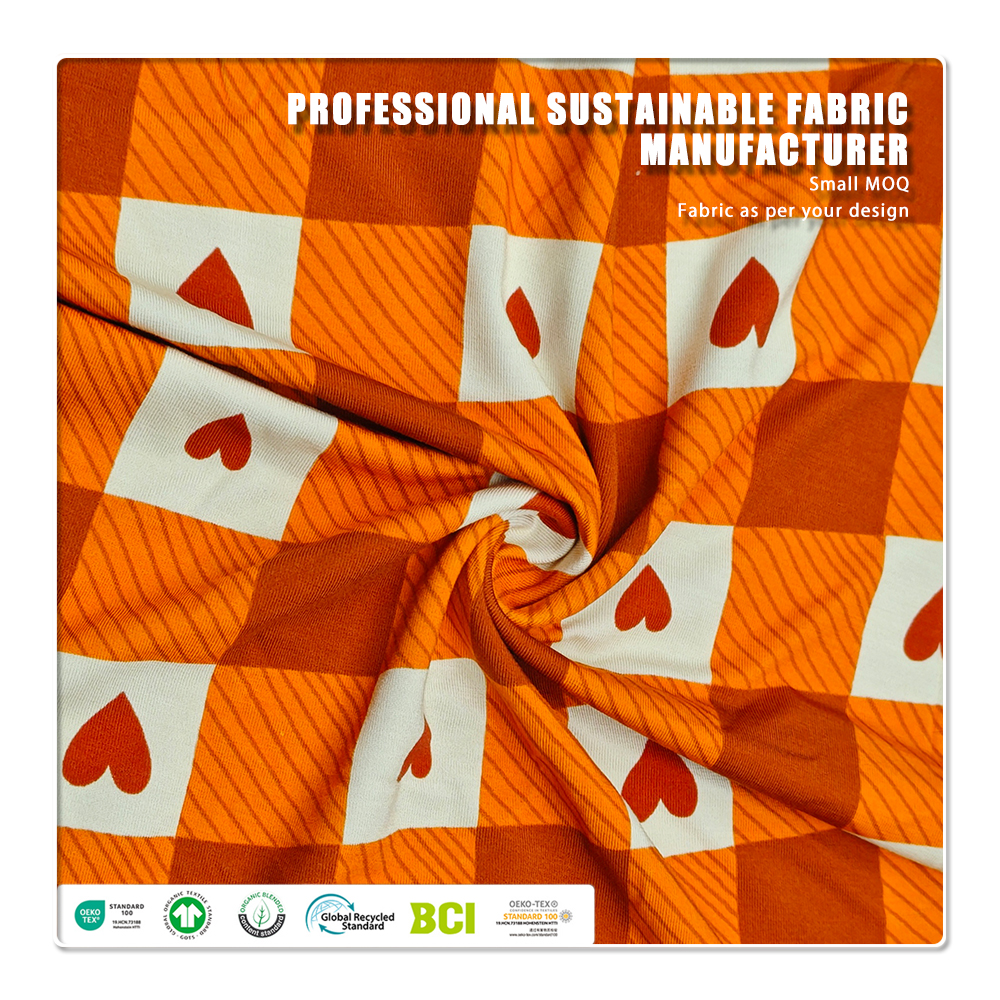
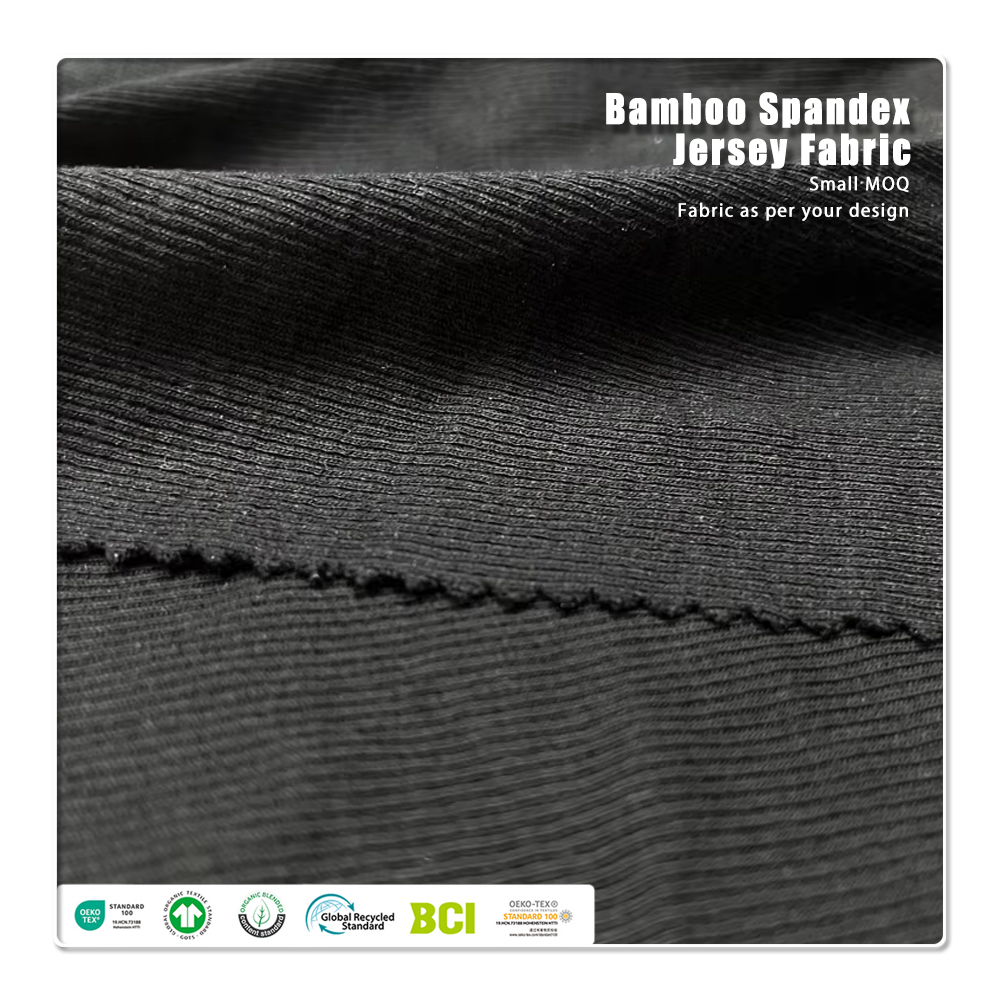
Key Specifications of Bamboo Viscose Clothing for Buyers
Understanding the key specifications of bamboo viscose clothing is vital for making informed purchasing decisions. The primary specifications to consider include fabric weight, weave type, and stretchability.
Fabric Weight: The weight of the fabric, usually measured in grams per square meter (GSM), affects its durability and suitability for various applications. Lighter fabrics (around 150-200 GSM) are ideal for summer clothing, while heavier options (200-300 GSM) may be better suited for colder weather or more structured garments.
Weave Type: The weave influences the fabric's texture and performance. Common weaves for bamboo viscose include jersey and interlock. Jersey is stretchy and soft, making it suitable for t-shirts and activewear, while interlock provides more stability and is often used in heavier garments.
Stretchability: Bamboo viscose can be blended with elastane or spandex to enhance stretchability, making it suitable for form-fitting bamboo viscose blend. Ensure you confirm the blend ratio if stretch is a critical factor for your designs.
These specifications directly impact how the fabric performs in various applications and should be prioritized during the selection process.