Best Fabric for Nightwear: Eco-Friendly Options

Get a Free Quote

Our representative will contact you soon.
Email
Name
Mobile/WhatsApp
Company Name
Message
0/1000

best fabric for nightwear

Choosing the right fabric for nightwear is essential for ensuring comfort, durability, and sustainability. As purchasing managers and product managers in the textile industry, understanding the nuances of various fabrics can make a significant difference in product quality and customer satisfaction. This article will explore the best fabric for nightwear, considering eco-friendly options, quality evaluation, and sourcing strategies.

How to Evaluate Quality in Nightwear Fabric for Wholesale Orders

Evaluating the quality of nightwear fabric is crucial for ensuring that the final product meets both retailer and consumer expectations. Here are several important aspects to consider:

Fabric Weight and Thickness: Heavier fabrics may offer more warmth, while lighter fabrics can be more breathable. It’s essential to consider the intended use and seasonal demand when evaluating fabric weight.

Color Fastness and Shrinkage: Request lab test reports to verify the fabric’s color fastness and shrinkage characteristics. Fabrics with a color fastness of level 4-5, like those produced at Ohyeah Textile, will retain their color through multiple washes, which is vital for customer satisfaction.

Sample Approval: Before placing a bulk order, always request samples to assess the material's feel, drape, and overall quality. During sample evaluation, check for any inconsistencies in color or texture, and ensure the fabric meets the desired specifications.

Certification Verification: Ensure that the supplier has the necessary certifications. Certifications such as OEKO, GOTS, OCS, and GRS are indicators of quality and sustainability in production practices.

The Advantages of Eco-Friendly Fabrics for Nightwear Applications

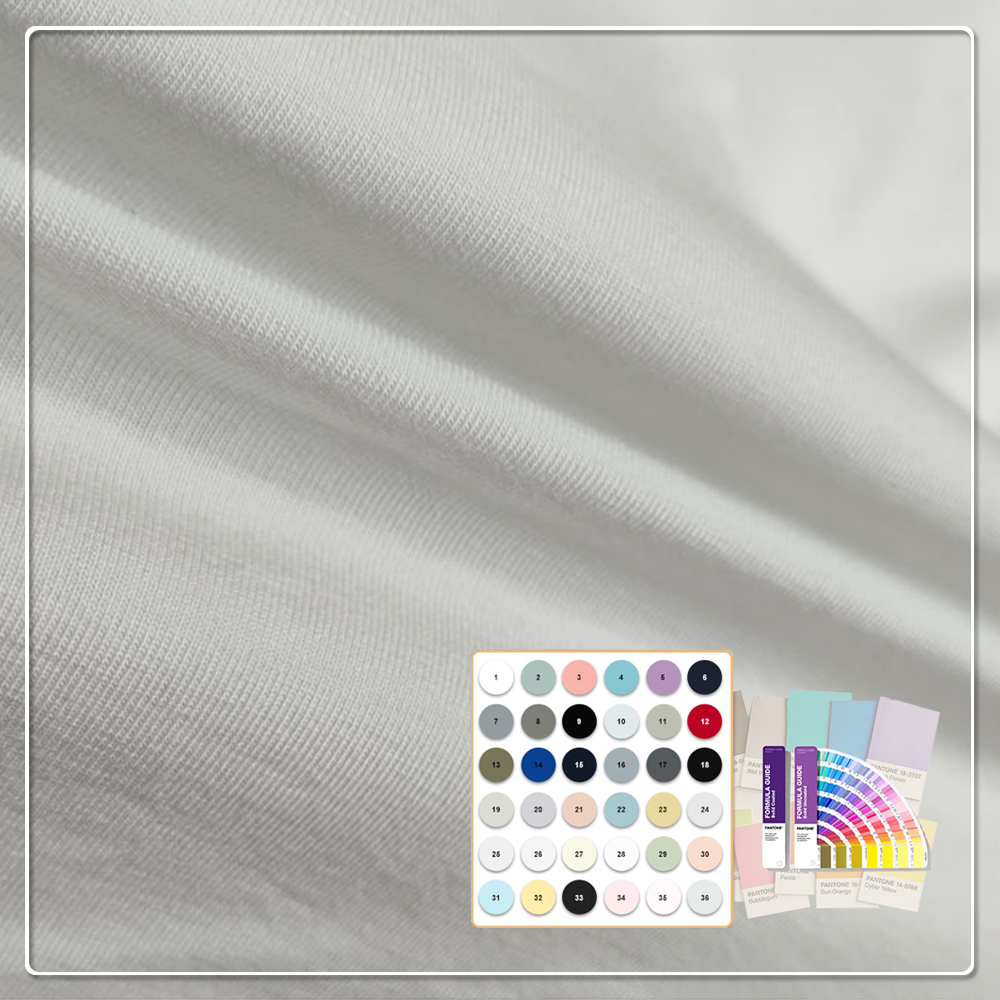
Eco-friendly fabrics have several advantages that make them an excellent choice for nightwear applications:

Sustainability: Using materials such as bamboo and organic cotton helps reduce the environmental footprint of textile production. These fabrics are often produced with less water and chemicals, making them a more sustainable choice for manufacturers and consumers alike.

Health Benefits: Eco-friendly fabrics are typically free from harmful chemicals, making them safer for both the environment and the end user. This can be particularly appealing for consumers with allergies or sensitive skin.

Market Demand: As consumer awareness of environmental issues grows, there is an increasing demand for sustainable products. Offering eco-friendly nightwear can enhance brand reputation and appeal to a broader market.

Quality and Performance: Many eco-friendly fabrics exhibit exceptional qualities, such as moisture-wicking, breathability, and durability. These features ensure that the nightwear remains comfortable and functional throughout its lifespan.

Where to Source Reliable Suppliers for Nightwear Fabrics

Finding a reliable supplier for nightwear fabrics is critical for maintaining quality and meeting production timelines. Here are a few tips for identifying trustworthy suppliers:

Industry Networking: Attend trade shows and industry events to connect with suppliers and manufacturers. Networking can provide valuable insights into potential partners and their reputations in the industry.

Online Platforms: Utilize B2B marketplaces and directories that specialize in textiles. Websites like Alibaba, Global Sources, and ThomasNet can help you find suppliers with the specific materials you need.

Supplier Certifications: Ensure that potential suppliers have the necessary certifications, such as OEKO, GOTS, OCS, and GRS. These certifications demonstrate a commitment to quality and sustainability.

Request References: When considering a new supplier, ask for references from other clients. This can provide insight into the supplier’s reliability, quality of service, and overall performance.

Common Problems in Nightwear Fabrics and Effective Solutions

When dealing with nightwear fabrics, several common issues can arise. Being aware of these problems can help buyers take preventative measures.

Color Bleeding: This can occur if the fabric has not been properly dyed or treated. To mitigate this risk, always request a color fastness test report and conduct wash tests on samples before mass production.

Pilling: Certain fabrics are prone to pilling, which can affect the appearance and feel of nightwear. Choosing high-quality materials and ensuring proper finishing processes can reduce this risk. Fabrics like bamboo and organic cotton are less likely to pill.

Shrinkage: Fabric shrinkage can lead to sizing issues. To prevent this, opt for fabrics with guaranteed low shrinkage rates, such as those produced by Ohyeah Textile, which typically maintain shrinkage below 5%.

Quality Inconsistencies: Variations in fabric quality can occur during production. Establishing a rigorous quality control process and regular communication with suppliers can help ensure consistency across batches.

By understanding these common problems and implementing effective solutions, purchasing managers can ensure a smoother procurement process and enhance the overall quality of their nightwear offerings.

Selecting the best fabric for nightwear involves careful consideration of various factors, including comfort, sustainability, quality, and supplier reliability. By focusing on these aspects, B2B buyers can make informed decisions that result in high-quality, eco-friendly nightwear products that meet market demands.

What to Consider When Choosing the Best Fabric for Nightwear

When selecting the best fabric for nightwear, several key factors should be taken into account, including comfort, breathability, moisture-wicking properties, durability, and environmental impact.

Comfort: Fabrics like bamboo and organic cotton are known for their soft texture, making them ideal for nightwear. The smoothness of these materials reduces skin irritation, which is particularly important for individuals with sensitive skin.

Breathability and Moisture-Wicking: Nightwear should allow for air circulation to keep the body cool during sleep. Fabrics such as bamboo have excellent breathability and moisture-wicking properties, which help to regulate body temperature and wick sweat away from the body.

Durability: Look for fabrics that maintain their color and shape after multiple washes. Eco-friendly fabrics, like those produced by Shaoxing City Ohyeah Textile Co., Ltd., often have a color fastness of level 4-5 and shrinkage below 5%, ensuring longevity in use.

Environmental Impact: As sustainability becomes increasingly important, opting for eco-friendly fabrics such as organic cotton, bamboo, and recycled polyester can appeal to environmentally conscious consumers. These materials often come with certifications like OEKO, GOTS, OCS, and GRS, which verify their sustainable sourcing and production.

Our Blog Posts

Why Tencel Modal Helps Maintain Fabric Shape After Repeated Washing

29

May

Why Tencel Modal Helps Maintain Fabric Shape After Repeated Washing

If you've ever owned clothing you loved and then noticed that it just doesn't fit right anymore,necklines stretching,cuffs looking limp,or pants becoming baggy,you know how frustrating this can be. To brands,it translates to returns,poor reviews...
View More
Tencel Lyocell Material Adds More Value to Sustainable Fashion Lines

13

Oct

Tencel Lyocell Material Adds More Value to Sustainable Fashion Lines

While the fashion world is in the midst of a dramatic revolution for sustainable materials, brands are realizing that eco-friendly fabric is more than just environmentally responsible; it’s a means of adding product value, amplifying brand stat...
View More
The Breathability Advantage Tencel Lyocell for Performance Activewear

13

Oct

The Breathability Advantage Tencel Lyocell for Performance Activewear

In the activewear market that is quite fast-paced the performance is defined by the manner in which a fabric will respond to the requirements of the body. Moisture control, thermoregulation and mobility will cease to be luxuries-they will be necessit...
View More
The Premium Touch of Tencel Modal Fabric in Fashion Manufacturing

13

Oct

The Premium Touch of Tencel Modal Fabric in Fashion Manufacturing

As fashion manufacturers compete in crowded and discerning marketplace, fibers we use are directly intertwined with how our customers experience our brands and connect with our products. Tencel Modal fabric, with its plush hand-feel, sustainability f...
View More

Get a Free Quote

Our representative will contact you soon.
Email
Name
Mobile/WhatsApp
Company Name
Message
0/1000

Related product categories

Get a Free Quote

Our representative will contact you soon.
Email
Name
Mobile/WhatsApp
Company Name
Message
0/1000