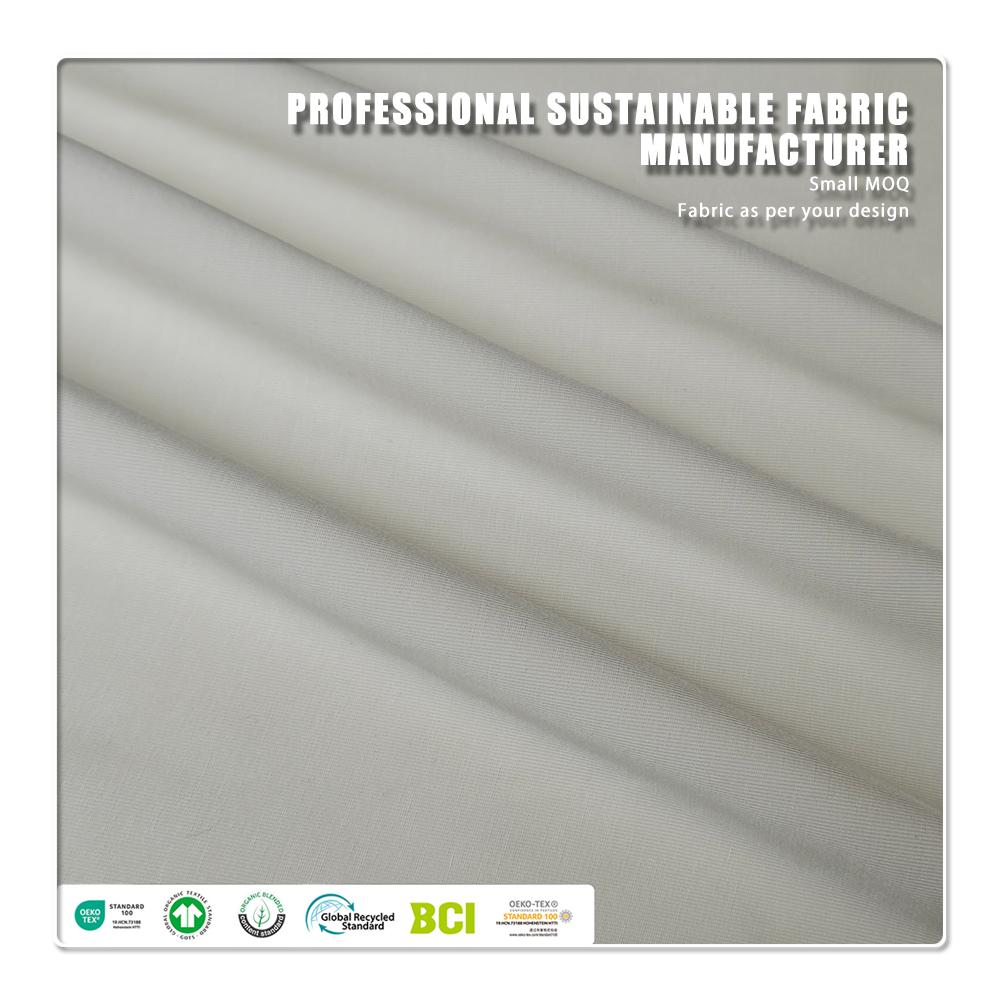
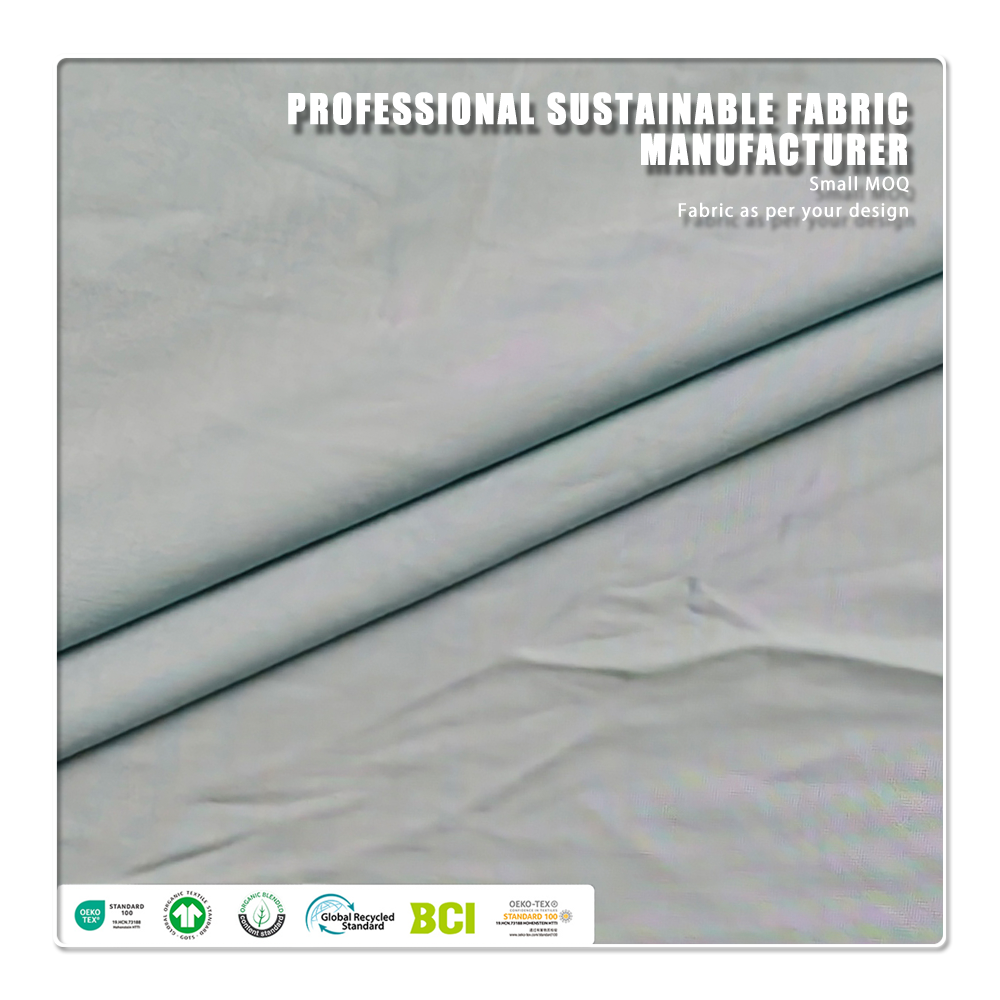
Key Factors for Bio-Based Elastane Buyers

Get a Free Quote

Our representative will contact you soon.
Email
Name
Mobile/WhatsApp
Company Name
Message
0/1000

bio based elastane

Bio-based elastane is an innovative textile material designed to offer stretch and comfort while being environmentally friendly. As more industries shift towards sustainable practices, understanding bio-based elastane becomes crucial for wholesale buyers, purchasing managers, and product developers seeking eco-friendly alternatives. This article will explore the key factors that influence purchasing decisions, provide installation guidance, analyze cost factors, address common issues, and clarify the technical specifications of bio-based elastane to help you make informed decisions.

Installation Guidance for Bio-Based Elastane in Various Applications

Installing bio-based elastane in different applications requires careful consideration of the fabric's properties and compatibility with existing production processes. Typically used in activewear, swimwear, and intimate apparel, bio-based elastane can be seamlessly integrated into various fabric blends, such as those found in Eco-Friendly Stretch Waterproof Anti-Static Fabric.

When using bio-based elastane, it is vital to maintain the recommended stitch types and tension settings during the sewing process to prevent fabric distortion. A common recommendation is to use a stretch stitch or a zigzag stitch, which allows the fabric to retain its elasticity without breaking the fibers.

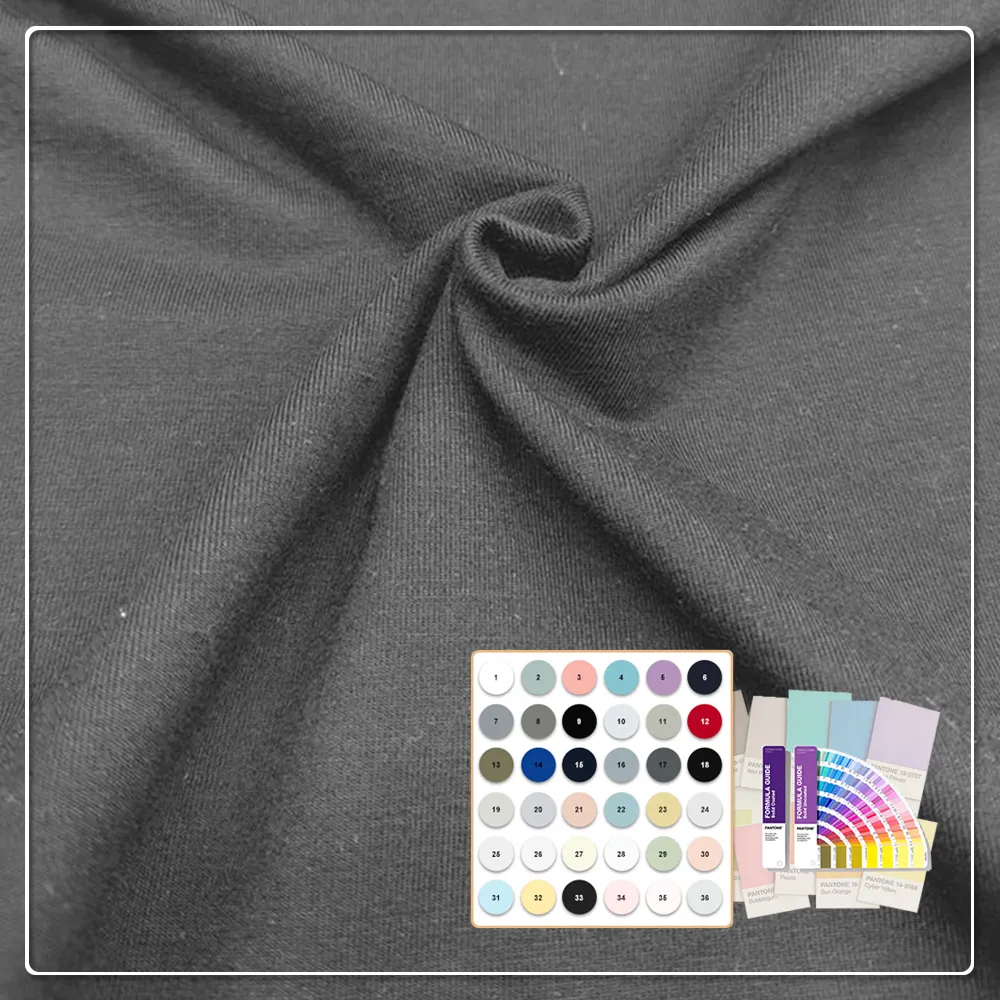
Moreover, when dyeing or printing on bio-based elastane fabrics, it is essential to use eco-friendly dyes that match the fabric's chemical composition. This ensures that the color adheres well and maintains its vibrancy after multiple washes. Buyers should consult with the supplier regarding suitable dyeing techniques and recommended temperature settings to achieve optimal results.
Cost Factors Influencing Bio-Based Elastane Purchasing Decisions

The cost of bio-based elastane can be influenced by several factors that buyers must consider when making purchasing decisions. First, the source and quality of the raw materials significantly impact pricing. Bio-based elastane derived from premium organic sources may come at a higher cost compared to conventional elastane.

Another crucial factor is the volume of the order. Suppliers often provide better pricing for bulk purchases, so buyers should evaluate their projected demand to negotiate favorable terms. Shaoxing City Ohyeah Textile Co., Ltd. offers competitive pricing structures, especially for larger orders, which can help streamline costs.

Additionally, customization requests, such as specific colors or blends, can also affect pricing. Buyers should clarify their requirements and request samples to ensure that the final product meets their expectations before committing to larger orders.

Addressing Common Problems with Bio-Based Elastane Solutions

While bio-based elastane offers numerous benefits, it is not without challenges. One common issue faced by buyers is the inconsistency in fabric performance, particularly in terms of stretch and recovery. To mitigate this, it is essential to conduct thorough testing on samples before mass production. This allows buyers to assess how well the fabric performs under different conditions, such as washing and wearing.

Another challenge can be related to compatibility with other materials. When blending bio-based elastane with other fibers, buyers should ensure that the material properties align, as discrepancies can lead to issues such as uneven stretch or compromised durability. Consulting with suppliers like Shaoxing City Ohyeah Textile Co., Ltd. can provide insights into the best combinations for desired applications.

Finally, buyers should be aware of potential environmental considerations. While bio-based elastane is eco-friendly, improper disposal or washing practices can impact its sustainability. Providing end-users with guidelines on proper care and disposal can help reduce the environmental footprint associated with the product.

Understanding the Technical Specifications of Bio-Based Elastane

When evaluating bio-based elastane, understanding its technical specifications is vital for ensuring compatibility with intended applications. Key specifications include the fabric's tensile strength, elongation percentage, and recovery rate. These metrics determine how well the fabric will perform under stress and its ability to return to its original shape after stretching.

For instance, a tensile strength of at least 15-20 MPa is often desirable for activewear applications, as it ensures the fabric can withstand rigorous activities. Elongation percentages typically range from 300% to 600%, depending on the intended use, with higher elongation rates providing greater stretch and comfort.

Additionally, buyers should consider the fabric's weight and thickness, as these factors can influence the overall feel and drape of the finished product. For example, a lighter weight elastane may be suitable for layering garments, while a thicker option could be more appropriate for standalone pieces.

In summary, understanding the technical specifications of bio-based elastane is critical for making informed purchasing decisions. Buyers are encouraged to work closely with their suppliers to confirm that the specifications align with their application requirements, ensuring the best possible performance and satisfaction.

Key Factors for Wholesale Buyers

When considering bio-based elastane, wholesale buyers should prioritize several key factors to ensure they select the right product for their specific applications. First, the source of the bio-based elastane is essential; it should be derived from renewable resources and backed by sustainability certifications such as GOTS, OEKO-TEX, or OCS, which verify the material's organic and eco-friendly properties. For example, the Oeko-Tex Certified 69% Bamboo 31% Sorona Single Jersey Fabric is a great option that meets these criteria.

Next, buyers should evaluate the fabric's performance characteristics, including stretchability, durability, and color fastness. For example, bio-based elastane from Shaoxing City Ohyeah Textile Co., Ltd. typically offers high color fastness ratings between 4-5 and shrinkage levels below 5%, which are critical for maintaining the integrity of the finished product.

Finally, understanding the manufacturing capabilities of the supplier is crucial. Buyers should inquire about the supplier's production capacity, monthly output, and quality control processes to ensure they can meet demand without compromising quality. With over 100 circular knitting machines and a monthly output of 200 tons, Shaoxing City Ohyeah Textile Co., Ltd. is well-equipped to handle large orders efficiently.

Our Blog Posts

How long does bamboo fabric last

04

Feb

How long does bamboo fabric last

One thing I know is the news about bamboo fabric is that in the sustainable clothing industry, it is renowned as a calming fabric due to its fluffy feel, breathability, and greenery. One of the most realistic questions that are frequently posed by de...
View More
Why Tencel Modal Helps Maintain Fabric Shape After Repeated Washing

29

May

Why Tencel Modal Helps Maintain Fabric Shape After Repeated Washing

If you've ever owned clothing you loved and then noticed that it just doesn't fit right anymore,necklines stretching,cuffs looking limp,or pants becoming baggy,you know how frustrating this can be. To brands,it translates to returns,poor reviews...
View More
The Aesthetic Power of Tencel Lyocell’s Natural Draping and Sheen

13

Oct

The Aesthetic Power of Tencel Lyocell’s Natural Draping and Sheen

Everything is aesthetics in the realm of high end fashion. The way a work is flowing, how it catches light and how it follows the figure can cause a simple figure to shine as an embodiment of high-end style. It has also taken us over 20 years to mast...
View More
Why Tencel Modal is the Secret Ingredient for Long-Lasting Softness

13

Oct

Why Tencel Modal is the Secret Ingredient for Long-Lasting Softness

The first feature that is mostly noticed by the consumers in the textile industry is softness although the quality of the textile is defined by the quality of the softness in the long run. A shirt that feels smooth one day and pilled or rough the nex...
View More

Get a Free Quote

Our representative will contact you soon.
Email
Name
Mobile/WhatsApp
Company Name
Message
0/1000

Get a Free Quote

Our representative will contact you soon.
Email
Name
Mobile/WhatsApp
Company Name
Message
0/1000