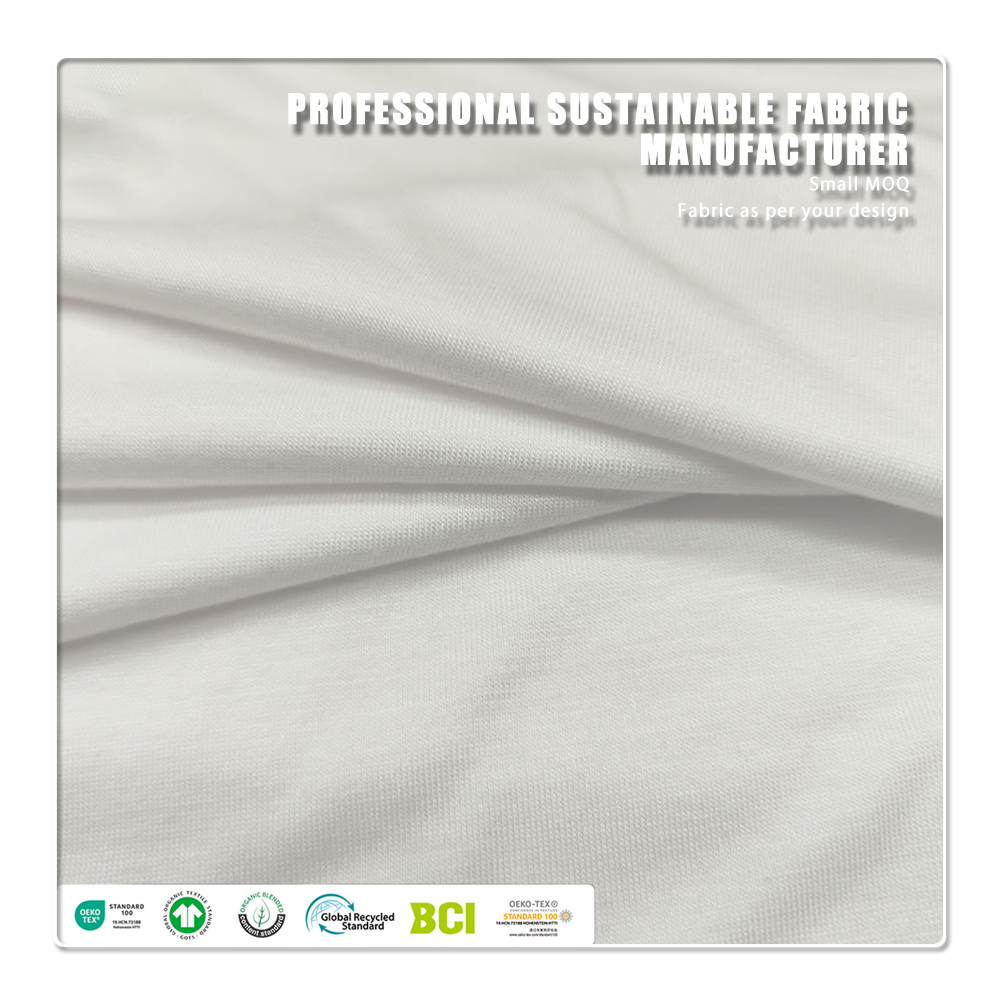
Choosing Bio-Based Fabrics for Wholesale Orders

Get a Free Quote

Our representative will contact you soon.
Email
Name
Mobile/WhatsApp
Company Name
Message
0/1000

bio based fabric

Bio-based fabrics are an innovative and sustainable alternative to traditional textiles, made from renewable resources such as plants. For B2B buyers, understanding the nuances of bio-based fabrics is essential for making informed purchasing decisions. This article will delve into how to choose the right bio-based fabric for wholesale orders, key specifications to evaluate, sourcing reliable suppliers, comparing quality standards, and cost factors that influence purchasing decisions. By addressing these points, we aim to equip purchasing managers, fabric distributors, and product managers with valuable insights into bio-based fabrics.

Key Specifications to Evaluate in Bio-Based Fabric Materials

Understanding key specifications is vital for making informed choices about bio-based fabrics. Here are some crucial parameters to consider:

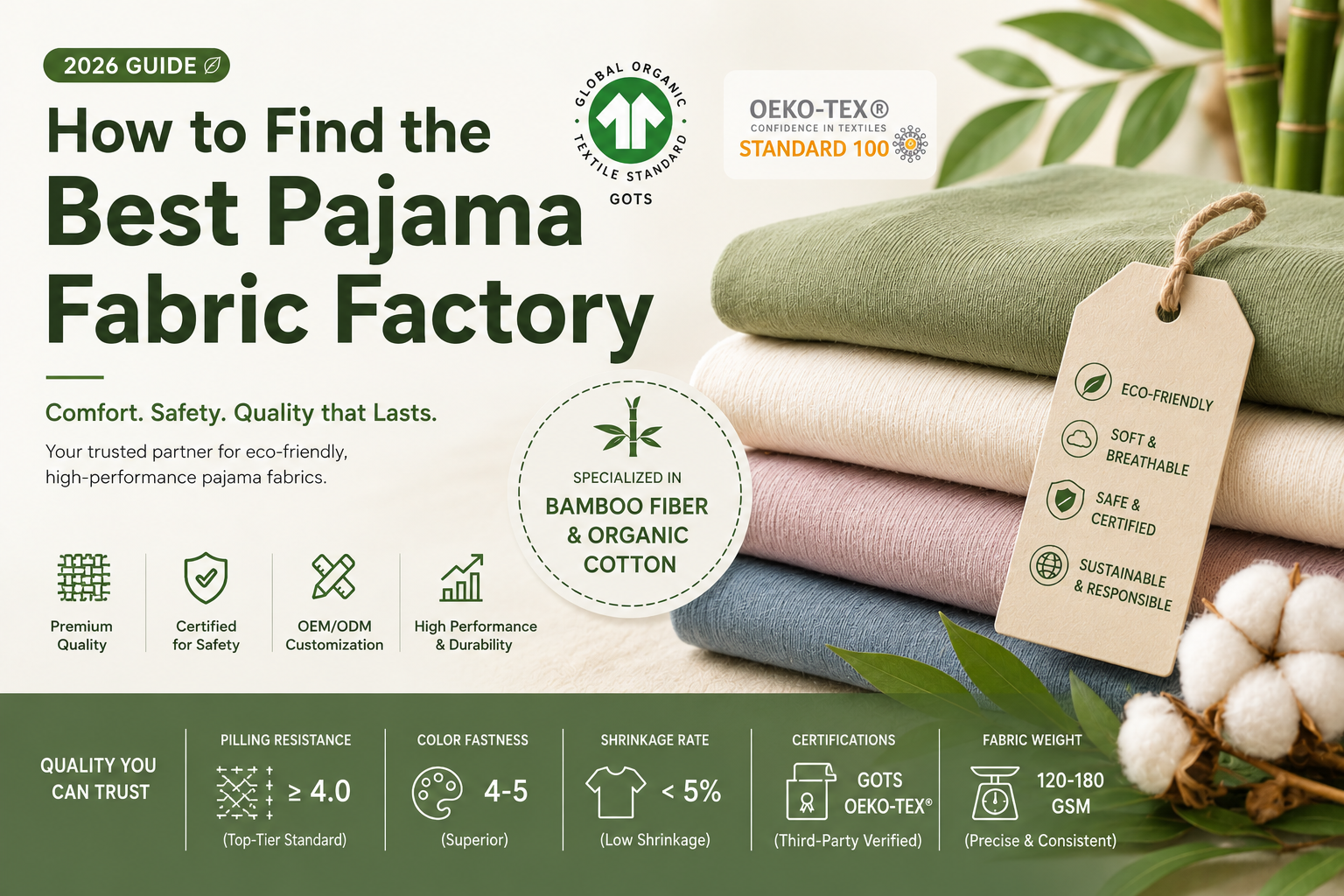
Composition: The blend of fibers impacts the fabric's performance. For instance, a higher percentage of natural fibers may enhance comfort but could affect durability.Weight: This impacts the fabric’s drape and suitability for various applications. Lightweight fabrics are often preferred for garments, while heavier fabrics may be better suited for upholstery.Color Fastness: This specification indicates how well the fabric retains its color when exposed to washing, light, and rubbing. A color fastness level of 4-5 is generally considered high-quality.Shrinkage: Fabrics that shrink more than 5% can lead to issues in fit and usability. Ensuring that shrinkage is kept below this threshold is important for maintaining garment integrity.Breathability: Especially important for activewear, breathability affects comfort and moisture management. By confirming these specifications with potential suppliers, buyers can ensure the selected fabrics meet performance and quality expectations.

Where to Source Reliable Suppliers of Bio-Based Fabric

Finding reliable suppliers is paramount in the purchasing process. Start by researching manufacturers with a strong reputation in producing eco-friendly textiles. Certifications like OEKO-TEX, GOTS, OCS, and GRS can provide confidence in a supplier’s commitment to sustainability and quality standards.

Trade shows and industry exhibitions are excellent venues for meeting suppliers and assessing their offerings firsthand. Networking with industry peers can also yield recommendations for trusted manufacturers. For instance, Shaoxing City Ohyeah Textile Co., Ltd. is a certified manufacturer with extensive experience in eco-friendly knitted fabrics, providing a solid option for buyers seeking reliable sources of bio-based fabrics. Additionally, consider fabrics like Oeko-Tex Certified 69% Bamboo 31% Sorona Single Jersey Fabric-Anti-Bacteria Lightweight for Women's Kids' Clothing for children's clothing.

Comparing Quality Standards in Bio-Based Fabrics for Manufacturers

Quality standards in bio-based fabrics can vary widely among manufacturers. To ensure you are sourcing high-quality materials, consider the following:

Certifications: Look for established certifications such as OEKO-TEX, which ensures harmful substances are not present, and GOTS, which guarantees organic status and sustainable practices.Manufacturing Processes: A transparent manufacturing process is a good indicator of quality. Investigate whether the supplier practices strict quality control and has effective testing protocols in place.Sample Approval: Before committing to a bulk order, always request samples. This allows buyers to assess the fabric's performance in real-world conditions, checking for issues like color fastness, shrinkage, and overall feel.Feedback and Reviews: Seek out customer reviews and testimonials to gauge previous clients’ experiences with the supplier’s products and service. By thoroughly evaluating these aspects, buyers can mitigate risks and ensure the quality of the bio-based fabrics they plan to use.

Cost Factors to Consider When Purchasing Bio-Based Fabric

Cost is a crucial consideration when purchasing bio-based fabrics. Several factors influence pricing:

Material Type: The base material significantly affects cost. For example, organic cotton typically costs more than conventional cotton due to the more complex farming processes involved.Customization: Custom colors, patterns, or treatments can increase prices. Discuss customization options upfront to understand how they will impact your overall costs.Order Quantity: Manufacturers often have minimum order quantities (MOQ). Larger orders may qualify for bulk discounts, which can lower the overall cost per unit.Shipping and Logistics: Consider shipping costs, especially for international orders. Understanding the delivery timeline and associated costs can help prevent unexpected budget overruns.Quality Assurance Costs: Investing in quality assurance processes may slightly increase initial costs but can save money in the long run by reducing returns and ensuring product consistency. By analyzing these cost factors, buyers can make more informed decisions that align with their budget and quality expectations.

Through careful consideration of these elements, purchasing managers and decision-makers can effectively navigate the complexities of sourcing bio-based fabrics, ensuring they select materials that not only meet their functional requirements but also align with their sustainable goals.

How to Choose the Right Bio-Based Fabric for Wholesale Orders

When selecting bio-based fabrics for wholesale orders, buyers should consider several factors to ensure the material meets their specific needs. First, identify the end-use of the fabric. For instance, if the fabric is intended for activewear, moisture-wicking properties and durability are critical. Conversely, for high-end fashion, aesthetics and texture may take precedence. Fabrics like 88% Lyocell 12% Spandex Single Jersey Fabric Anti-Bacteria Moisture-Absorbent Eco-Friendly Lightweight for Activewear Sportswear are excellent for such applications.

Next, assess the fabric's composition. Options like bamboo, organic cotton, and recycled polyester each offer distinct characteristics. Bamboo is known for its softness and breathability, while organic cotton is favored for its sustainability and hypoallergenic properties. Recycled polyester offers durability and is an excellent choice for eco-conscious brands.

It’s also crucial to evaluate the manufacturer’s capabilities. A supplier such as Shaoxing City Ohyeah Textile Co., Ltd. can provide insights into their production methods and quality control processes, ensuring that the fabric meets industry standards and your specifications.

Our Blog Posts

Top Pajama Fabric Factory Recommendation Guide 2026: Sourcing the Best Materials

08

May

Top Pajama Fabric Factory Recommendation Guide 2026: Sourcing the Best Materials

Executive Summary: How to Find the Best Pajama Fabric Factory Finding a top pajama fabric factory means looking for more than just a low price. The best factories focus on three things: comfort, safety, and quality that lasts. According to the latest...
View More
Why Tencel Lyocell Is Widely Used in Sustainable Fashion Collections

29

May

Why Tencel Lyocell Is Widely Used in Sustainable Fashion Collections

Sustainable fashion is no longer a trend that only attracts the fringe;it is now mainstream. Designers and brands are actively searching for materials that cause minimal harm to the planet,while still retaining the highest levels of quality and style...
View More
The Low-Shrinkage Advantage of Tencel Modal in Mass Production

13

Oct

The Low-Shrinkage Advantage of Tencel Modal in Mass Production

The number of challenges that are as expensive and disruptive as the fabric shrinkage are scarce to manufacturers and brands with a large scale. In case of shrinking clothes after manufacturing, and worse still when they reach the consumers, the cons...
View More
What Makes Tencel Lyocell a Preferred Fabric for Fashion Brands

13

Oct

What Makes Tencel Lyocell a Preferred Fabric for Fashion Brands

Today's fashion world demands that brands align with consumers' growing preference for sustainable fashion—without compromising comfort or style. Many sustainable materials are out there now, Tencel lyocell is undoubtedly on top as the choice f...
View More

Get a Free Quote

Our representative will contact you soon.
Email
Name
Mobile/WhatsApp
Company Name
Message
0/1000

Get a Free Quote

Our representative will contact you soon.
Email
Name
Mobile/WhatsApp
Company Name
Message
0/1000