Choosing Cotton Jersey Knit Fabric for Wholesale Orders

Get a Free Quote

Our representative will contact you soon.
Email
Name
Mobile/WhatsApp
Company Name
Message
0/1000

cotton jersey knit fabric

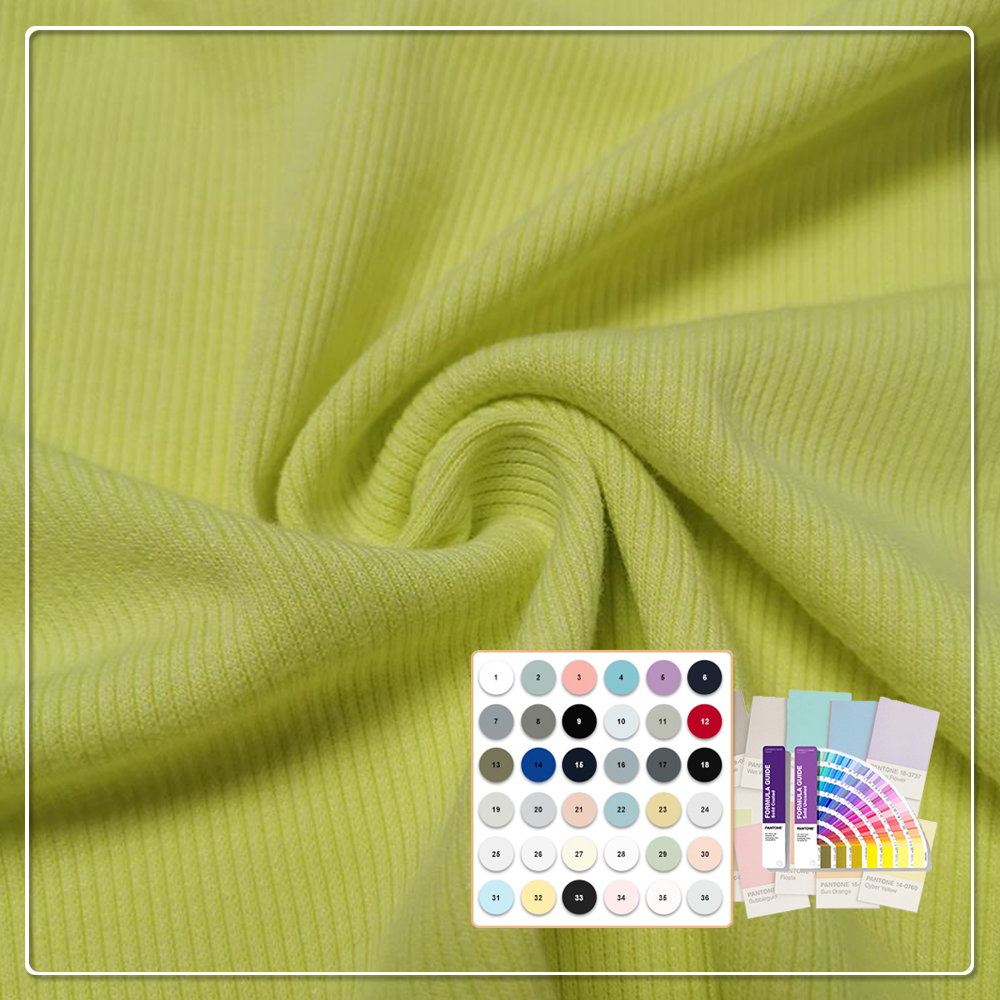
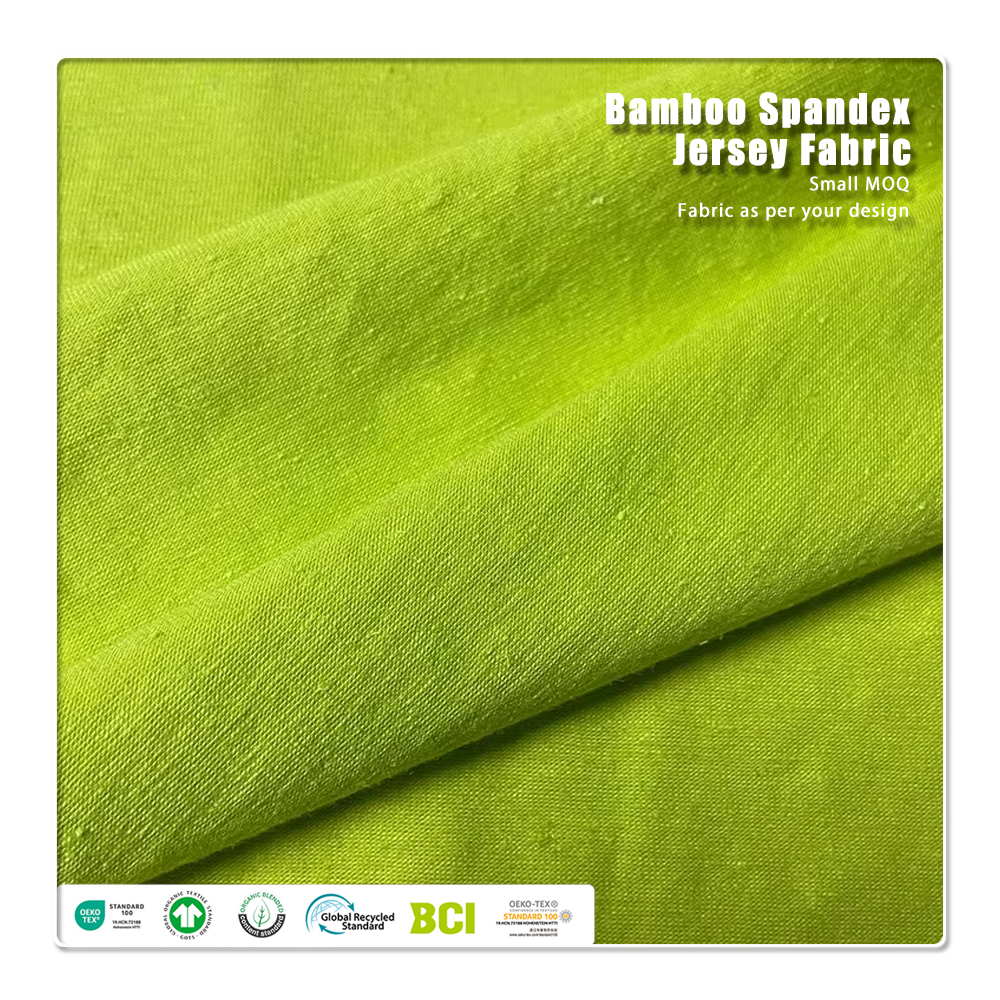
Cotton jersey knit fabric is a versatile and popular choice in the textile industry, especially for garments and soft furnishings. As a B2B buyer, your key concerns often revolve around material quality, reliability of supply, and suitability for specific applications. This article will guide you through selecting the right cotton jersey knit fabric for wholesale orders, sourcing reliable suppliers, installation tips, addressing common issues, and exploring its various applications in the textile industry.

Where to Source Reliable Cotton Jersey Knit Fabric Suppliers

Finding reliable suppliers for cotton jersey knit fabric involves thorough research and evaluation. Start by identifying manufacturers with a solid reputation in the industry. Look for companies that have certifications such as OEKO, GOTS, OCS, and GRS, as these indicate adherence to quality and sustainability standards.

Networking within industry-specific trade shows and online platforms can also yield valuable contacts. Platforms like Alibaba and ThomasNet allow you to gather information about potential suppliers, including their manufacturing capabilities, customer reviews, and product offerings. When evaluating suppliers, consider their production capacity, minimum order quantities (MOQ), and lead times. For instance, Shaoxing City Ohyeah Textile Co., Ltd. has a monthly output of 200 tons, which can accommodate large orders efficiently.

Finally, reach out for quotes and compare not just pricing but also the terms of service, including payment options, shipping methods, and return policies. Establishing a clear line of communication can help ensure that your requirements and expectations are understood and met.
Installation Tips for Cotton Jersey Knit Fabric in Various Projects

Installing cotton jersey knit fabric correctly is essential for achieving the best results in your projects. Whether you are creating garments, home textiles, or promotional items, proper handling and installation techniques can enhance the fabric's performance.

For sewing projects, use a ballpoint needle to prevent snags and damage to the fabric's fibers. A stitch length of 2.5 to 3mm is generally recommended for jersey fabrics to allow for some stretch without distorting the seams. Ensure that you use appropriate thread types, such as polyester or cotton-polyester blends, which provide adequate strength and elasticity.

When working on larger projects, such as upholstery or drapery, consider pre-washing the fabric to minimize shrinkage and ensure that it performs well in its finished state. Additionally, using a serger or overlock machine can help finish the edges to prevent fraying, especially with knits that have a tendency to unravel.

Lastly, if you are applying prints or designs, ensure that the printing technique you choose is compatible with cotton jersey. Techniques such as screen printing or heat transfer vinyl work well, but always conduct a test run to verify adhesion and color fastness.

Common Problems with Cotton Jersey Knit Fabric and Their Solutions

While cotton jersey knit fabric is widely praised for its versatility, there are common problems that buyers should be aware of. One frequent issue is pilling, which can occur due to friction during wear or washing. To combat this, opt for higher-quality yarns and tighter knit constructions, which can reduce the likelihood of pilling.

Another common concern is distortion during washing. To mitigate this, ensure that the fabric is pre-treated or pre-washed before production. This helps eliminate excess dye and shrinkage. Additionally, advising end-users on proper care—such as washing in cold water and air drying—can prolong the fabric's lifespan.

Color fading is also a potential issue, particularly if the dyeing process is not well-controlled. Ensure that you choose suppliers who provide fabrics with high color fastness ratings. At Shaoxing City Ohyeah Textile Co., Ltd., our fabrics maintain a color fastness level of 4-5, ensuring they remain vibrant through multiple washes.

Lastly, shrinkage can be a concern for end-users. To address this, establish quality control measures and provide samples for approval prior to mass production. This will help ensure that any issues are identified and resolved early in the process.

Applications of Cotton Jersey Knit Fabric in the Textile Industry

Cotton jersey knit fabric has a wide range of applications in the textile industry, making it a preferred choice for many manufacturers. Its softness and stretch make it ideal for apparel, including t-shirts, dresses, activewear, and loungewear. The fabric's breathability also enhances comfort, particularly in warmer climates or during physical activity.

In addition to clothing, cotton jersey knit fabric is increasingly used in home textiles, such as bed linens, pillowcases, and soft furnishings. Its versatility allows it to be employed in various household items while maintaining an appealing aesthetic.

Moreover, cotton jersey is becoming popular in the promotional products sector, where businesses use it for custom t-shirts, tote bags, and other branded merchandise. As eco-consciousness continues to rise, the demand for sustainable cotton jersey knit options, such as those produced by Shaoxing City Ohyeah Textile Co., Ltd., is expected to grow. Our offerings include fabrics like Tencel Modal and Recycled Polyester Fabric, which are gaining traction in the market.

In summary, cotton jersey knit fabric's adaptability makes it a valuable material across multiple sectors, from fashion to home décor and promotional items. Understanding its applications can help you make informed decisions when sourcing for your business needs.

How to Choose the Right Cotton Jersey Knit Fabric for Wholesale Orders

When selecting cotton jersey knit fabric for wholesale orders, consider several critical factors. Firstly, evaluate the fabric's weight and thickness, which can significantly influence the end product's comfort and durability. Common weights for cotton jersey fabrics range from 150 to 250 grams per square meter (GSM). Lighter weights may be suitable for t-shirts, while heavier options are better for sweatshirts or activewear.

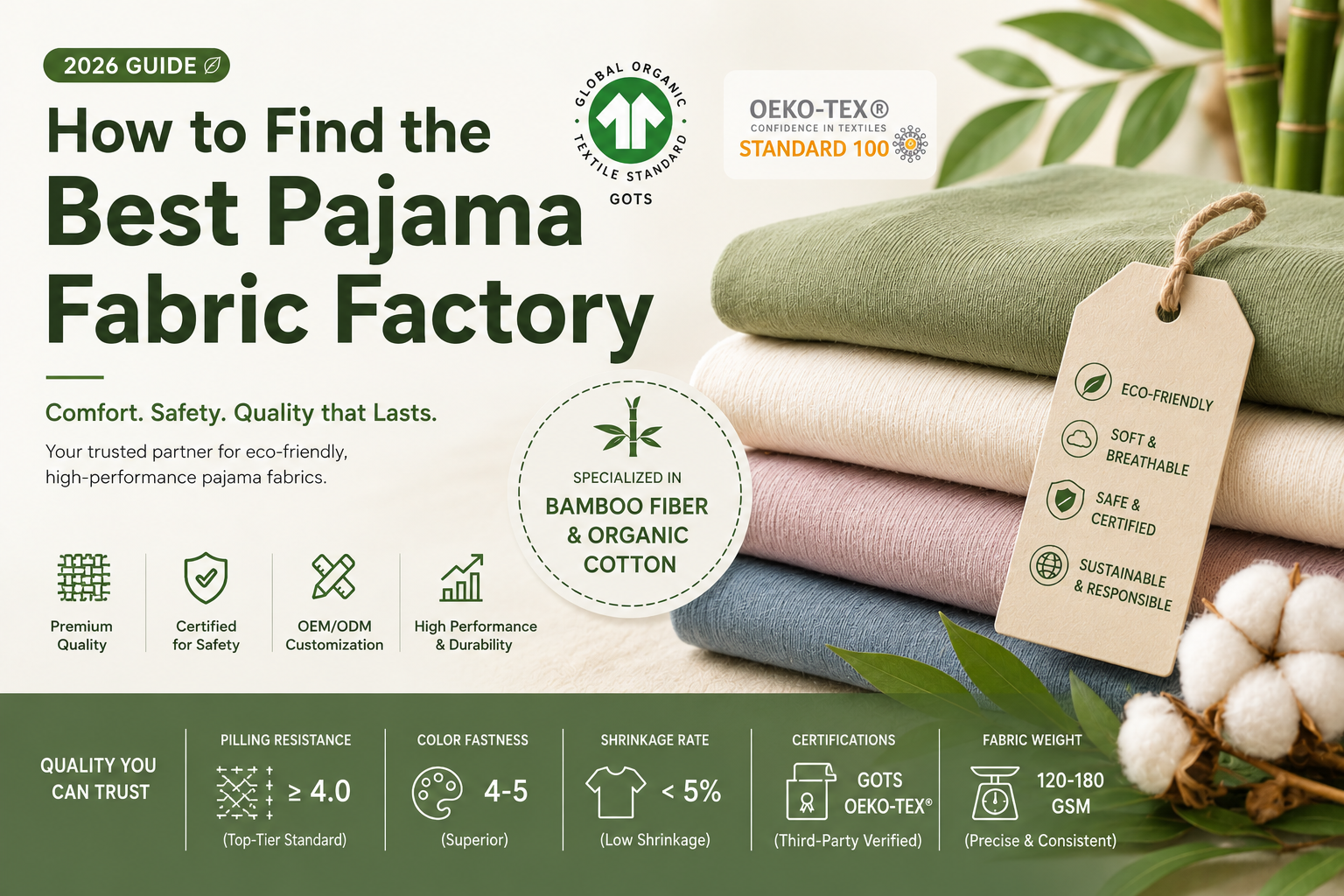
Next, look for certifications that indicate the fabric is eco-friendly and meets safety standards. For instance, certifications such as OEKO-TEX, GOTS, and OCS can assure buyers that the fabric is free from harmful substances and produced sustainably. At Shaoxing City Ohyeah Textile Co., Ltd., we manufacture eco-friendly knitted fabrics, including organic cotton fabric and other sustainable materials, which cater to the growing demand for environmentally conscious products.

Additionally, consider the color fastness and shrinkage rates. Fabrics with a color fastness level of 4-5 and shrinkage below 5% are ideal, as they maintain their appearance and fit after washing. It is advisable to request samples to assess the fabric's quality and performance before placing a bulk order.

Our Blog Posts

Top Pajama Fabric Factory Recommendation Guide 2026: Sourcing the Best Materials

08

May

Top Pajama Fabric Factory Recommendation Guide 2026: Sourcing the Best Materials

Executive Summary: How to Find the Best Pajama Fabric Factory Finding a top pajama fabric factory means looking for more than just a low price. The best factories focus on three things: comfort, safety, and quality that lasts. According to the latest...
View More
The Premium Touch of Tencel Modal Fabric in Fashion Manufacturing

13

Oct

The Premium Touch of Tencel Modal Fabric in Fashion Manufacturing

As fashion manufacturers compete in crowded and discerning marketplace, fibers we use are directly intertwined with how our customers experience our brands and connect with our products. Tencel Modal fabric, with its plush hand-feel, sustainability f...
View More
What Tencel Lyocell’s Moisture Absorption Means for High-End Sportswear

13

Oct

What Tencel Lyocell’s Moisture Absorption Means for High-End Sportswear

In the competitive market of high-end sportswear, the performance is dictated by how a fabric responds to the simplest action of the body to exercise, perspiration. This is because moisture control has been a competitive factor of premium brands and ...
View More
Why Tencel Lyocell Material Is Trusted by Premium Clothing Manufacturers

13

Oct

Why Tencel Lyocell Material Is Trusted by Premium Clothing Manufacturers

When there's a lot of losing to do in the quality department, it's about the brand's made of. The best quality makers understand they should be creating garments with top quality fabrics. They must have high standards of reliability, performance and ...
View More

Get a Free Quote

Our representative will contact you soon.
Email
Name
Mobile/WhatsApp
Company Name
Message
0/1000

Get a Free Quote

Our representative will contact you soon.
Email
Name
Mobile/WhatsApp
Company Name
Message
0/1000