EN
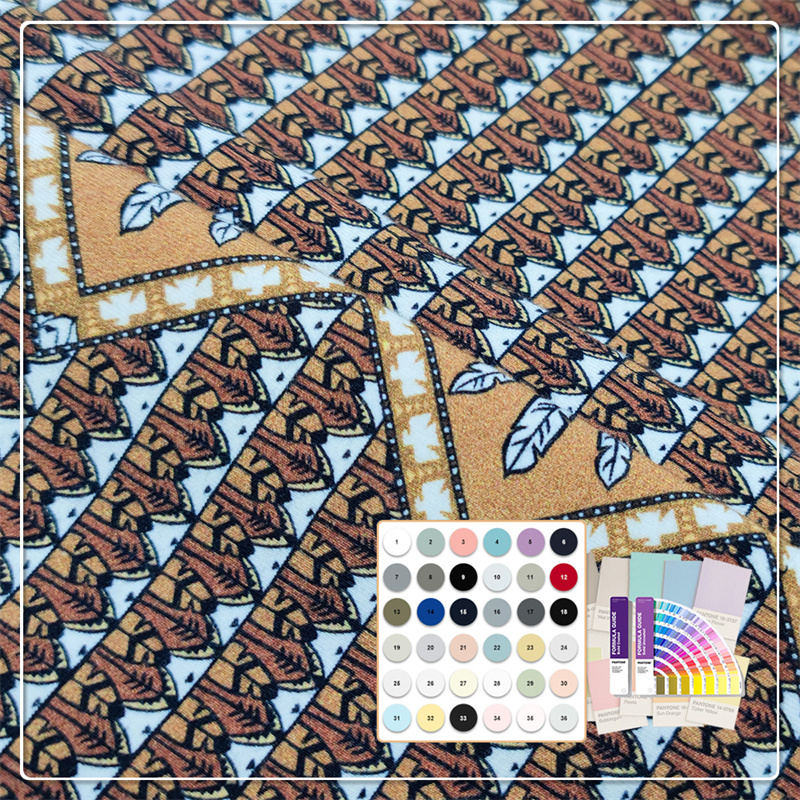
Custom digital printing on fabric is a cutting-edge solution that allows businesses to create bespoke designs on a variety of textiles. This technology is increasingly popular among manufacturers, distributors, and purchasing managers in industries such as fashion, hospitality, and home textiles. As buyers consider custom digital printing, their main concerns often revolve around supplier reliability, material quality, production capabilities, and cost-efficiency. This article aims to provide valuable insights into choosing the right supplier, understanding specifications, evaluating costs, addressing common challenges, and exploring applications of custom digital fabric printing.
Specifications to Consider for Custom Digital Printing on Fabric
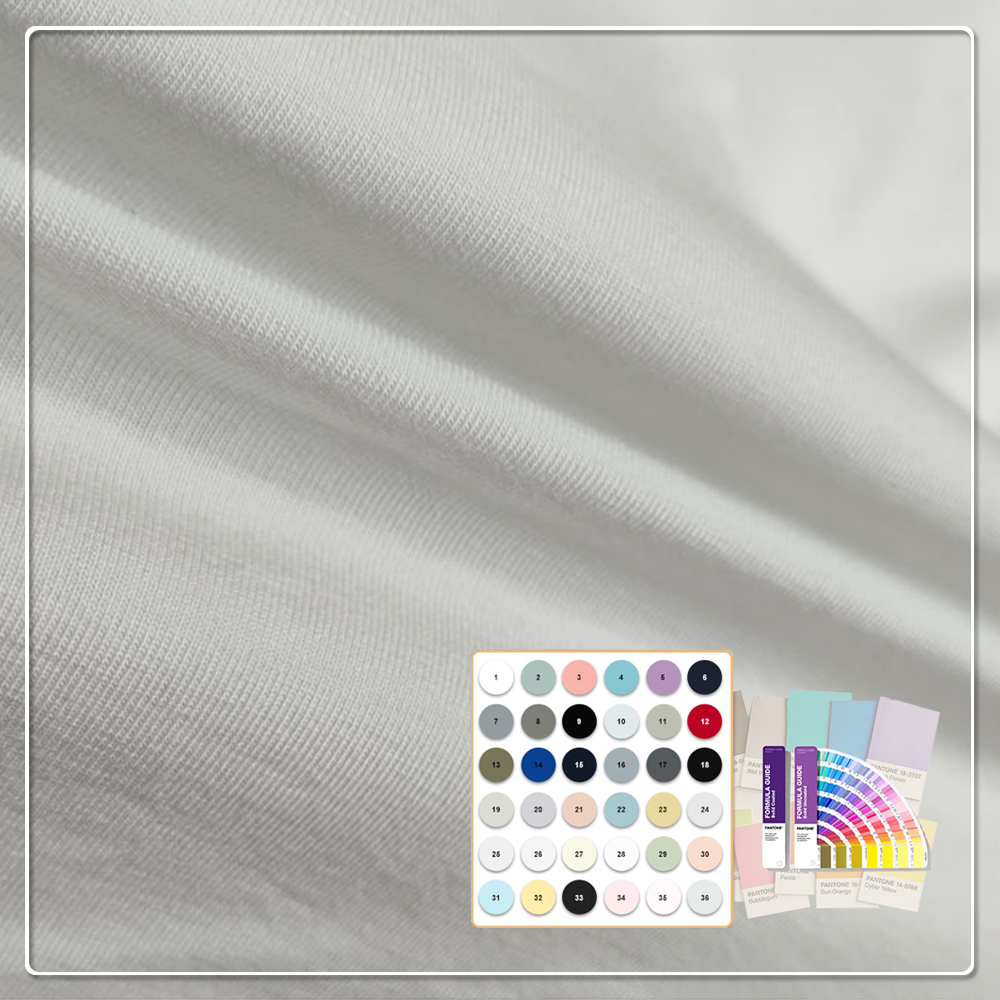
When evaluating specifications for custom digital printing on fabric, several key factors play a pivotal role in ensuring the end product meets your needs. First, consider the fabric types available, such as bamboo, organic cotton, or recycled polyester. Each material has unique properties that can affect print quality, durability, and environmental impact.
Color fastness is another critical specification; fabrics with a color fastness rating of level 4-5 indicate that they will withstand washing and exposure to sunlight without significant fading. Additionally, shrinkage rates below 5% are essential to maintaining the integrity of your designs during washing and wear.
The printing technology itself should also be considered. Digital printing methods vary in terms of quality and suitability for different fabrics. For instance, dye-sublimation printing is great for polyester fabrics but may not work as effectively on natural fibers like cotton. Therefore, understanding the compatibility between the fabric and printing technology will enhance the final product's aesthetic and functional qualities.