Sourcing Custom Printed Cotton Fabric for B2B Buyers

Get a Free Quote

Our representative will contact you soon.
Email
Name
Mobile/WhatsApp
Company Name
Message
0/1000

custom printed cotton fabric

Custom printed cotton fabric is a versatile and eco-friendly material that has found its way into various industries, from fashion to interior design. With increasing demand for sustainable options, buyers are often concerned about quality, customization capabilities, and the sourcing process. This article will help B2B buyers understand the specifications, sourcing options, applications, supplier selection, and installation guidance for custom printed cotton fabric to facilitate informed purchasing decisions.

Where to Source Quality Custom Printed Cotton Fabric Wholesale

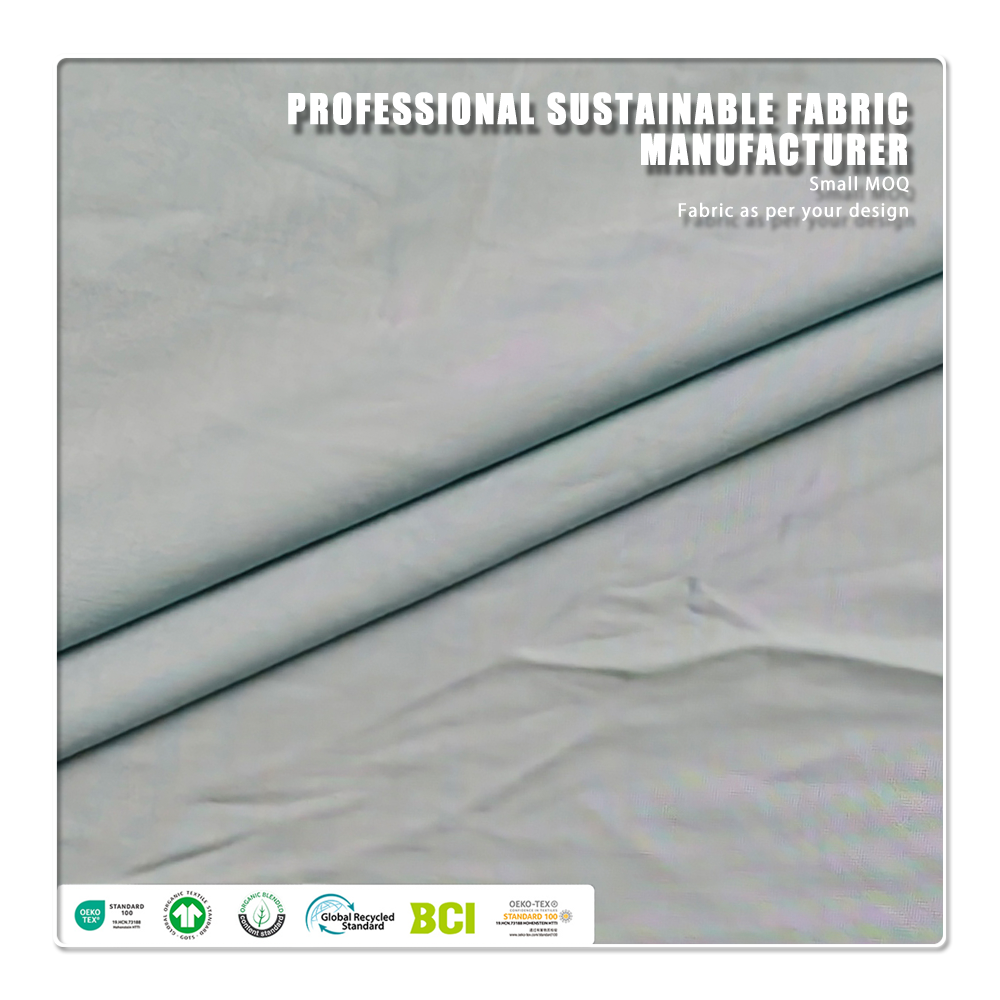
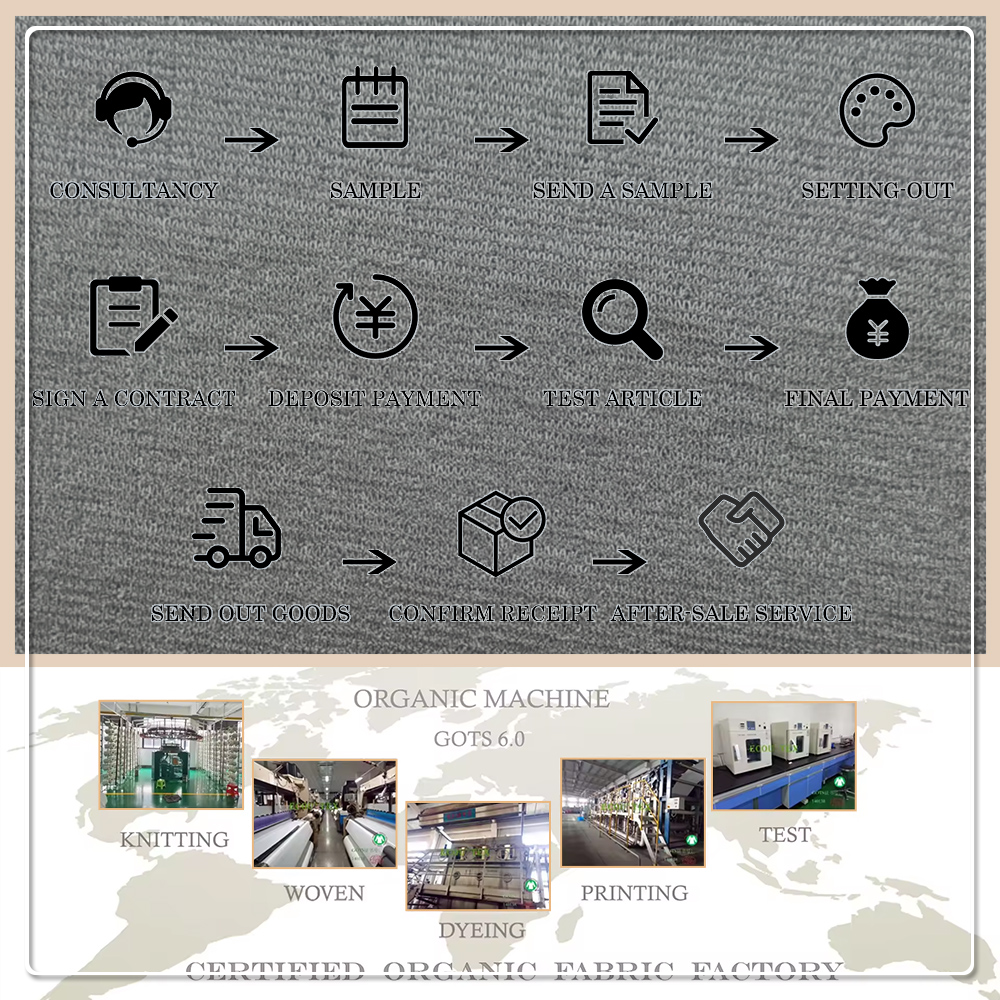
Sourcing quality custom printed cotton fabric requires careful consideration of supplier capabilities and reliability. One effective approach is to seek manufacturers who specialize in eco-friendly textiles, like Shaoxing City Ohyeah Textile Co., Ltd., which focuses on sustainable materials such as organic cotton and bamboo. Suppliers with OEKO, GOTS, OCS, and GRS certifications demonstrate their commitment to environmental responsibility and quality.

Buyers should also assess the supplier's production capacity and machinery. A manufacturer with over 100 circular knitting machines, for instance, can handle large orders efficiently, ensuring timely delivery. Additionally, inquire about minimum order quantities (MOQs) and whether the supplier can accommodate small orders for prototype runs or samples.

Furthermore, evaluating the supplier’s customer service and response times is crucial. A responsive supplier can provide valuable insights during the customization process, helping to refine artwork and fabric specifications based on buyer requirements. Engaging with potential suppliers through trade shows or industry events can also provide firsthand experience of their offerings.
Key Applications for Custom Printed Cotton Fabric in Various Industries

Custom printed cotton fabric is utilized across multiple industries due to its versatility and sustainability. In the fashion industry, it is commonly used for clothing, accessories, and even footwear. Designers appreciate the fabric's breathability and comfort, making it ideal for everyday wear as well as high-end fashion.

In the home textiles sector, custom printed cotton fabric is popular for items like curtains, bed linens, and cushion covers. Its ability to be printed with vibrant designs allows manufacturers to create unique home decor products that appeal to consumers looking for personalization.

The education and promotional sectors also leverage custom printed cotton fabric for items such as tote bags and banners. Schools and businesses can use these items for branding or fundraising events, capitalizing on the fabric's eco-friendly properties to enhance their sustainability efforts.

Moreover, the medical field has begun to explore the use of custom printed cotton fabric for scrubs and other healthcare apparel. The breathable nature of cotton, combined with the ability to customize colors and patterns, makes it suitable for creating a more pleasant environment for healthcare professionals.

Choosing the Right Supplier for Custom Printed Cotton Fabric Needs

Selecting the right supplier for custom printed cotton fabric involves evaluating several factors beyond price. First, consider the supplier's experience and expertise in textile manufacturing. A supplier like Shaoxing City Ohyeah Textile Co., Ltd., with a robust quality control team and a proven track record, can provide assurance of consistent product quality.

Look for suppliers who offer customization capabilities, allowing you to specify dimensions, colors, and printing techniques. This is vital in ensuring that the fabric meets your project requirements. Requesting samples is another critical step—this allows you to assess the fabric's quality, print clarity, and color accuracy before committing to larger orders.

Additionally, it’s important to discuss lead times. A supplier's ability to meet deadlines is crucial, especially for projects with tight timelines. Understanding their production process will help you gauge how quickly they can fulfill your order without compromising quality.

Lastly, consider the supplier's customer support. A supplier who is willing to collaborate and communicate throughout the ordering process can significantly improve the overall experience and outcome.

Installation Guidance for Custom Printed Cotton Fabric Projects

Proper installation of custom printed cotton fabric is essential to achieving the desired final appearance and functionality. For applications such as curtains or upholstery, accurate measurements are vital. Always measure the area where the fabric will be installed to ensure that the final product fits perfectly.

Before installation, it's advisable to pre-wash the fabric, especially if it hasn't been treated for pre-shrinkage. This step can help mitigate any unexpected shrinkage that may occur after the fabric is installed. Additionally, consider using appropriate mounting hardware and techniques for hanging curtains or attaching fabric to furniture to ensure durability and stability.

When working with custom printed cotton for clothing, ensure that the sewing techniques used are suited for the fabric type. A good practice is to use a needle appropriate for lightweight or medium-weight fabrics, depending on the GSM. This helps prevent puckering or damage to the fabric during the sewing process.

For promotional products, such as bags or banners, double-check the printing quality before mass production. Ensure that the colors match the approved samples and that the print adheres well to the fabric. Conducting a final quality inspection can save time and resources by catching potential issues before the final product is distributed.

By following these guidelines, buyers can ensure that their custom printed cotton fabric projects are successful and meet their intended purpose effectively.

Understanding Custom Printed Cotton Fabric Specifications for Buyers

When evaluating custom printed cotton fabric, it is essential to understand several key specifications, including fabric weight, thread count, and print quality. Fabric weight is typically measured in grams per square meter (GSM) and influences the fabric's durability, drape, and application suitability. For example, lighter fabrics (around 120-150 GSM) are often used for shirts and dresses, while heavier fabrics (200 GSM and above) may be better suited for upholstery.

Thread count, indicating the number of threads woven into a square inch of fabric, affects softness and durability. Higher thread counts generally result in a smoother texture, but the quality of the cotton and the weaving technique also play crucial roles. Buyers should also consider color fastness, which measures how well the fabric retains its color after washing. A color fastness rating of level 4-5 is desirable, as it indicates good resistance to fading.

Lastly, shrinkage is an important factor to consider, especially for end products that require precise fitting. Fabrics with less than 5% shrinkage are preferable, as they maintain their shape and size post-wash. Understanding these specifications helps buyers make informed decisions and ensures that the final product meets performance expectations.

Our Blog Posts

What Buyers Value Most in Tencel Lyocell Fabric Performance

29

May

What Buyers Value Most in Tencel Lyocell Fabric Performance

When buyers look at Tencel Lyocell for their line, they are more interested in facts and figures than marketing gimmicks. They need facts on performance, consistent quality, a trustworthy supplier with verifiable certifications, and benefit...
View More
What Makes Tencel Modal Ideal for High-Quality Loungewear Fabrics

29

May

What Makes Tencel Modal Ideal for High-Quality Loungewear Fabrics

Loungewear, originally designed as casual clothing for the home, has become a key item in the modern wardrobe. Consumers now demand that their loungewear be ultra-soft, extremely comfortable and durable enough to wear day in and day out. They also re...
View More
Modal Tencel Material Opens New Opportunities for Textile Brands

13

Oct

Modal Tencel Material Opens New Opportunities for Textile Brands

The textile market is changing rapidly, and innovative, open minded brands are emerging. In recent years, the eco-friendly fiber trend has gained momentum. The combination of Modal and Tencel has given birth to so called modal tencel material, this n...
View More
Why Tencel Modal is the Secret Ingredient for Long-Lasting Softness

13

Oct

Why Tencel Modal is the Secret Ingredient for Long-Lasting Softness

The first feature that is mostly noticed by the consumers in the textile industry is softness although the quality of the textile is defined by the quality of the softness in the long run. A shirt that feels smooth one day and pilled or rough the nex...
View More

Get a Free Quote

Our representative will contact you soon.
Email
Name
Mobile/WhatsApp
Company Name
Message
0/1000

Get a Free Quote

Our representative will contact you soon.
Email
Name
Mobile/WhatsApp
Company Name
Message
0/1000