Key Specifications for Fabric Printing Cotton

Get a Free Quote

Our representative will contact you soon.
Email
Name
Mobile/WhatsApp
Company Name
Message
0/1000

fabric printing cotton

Fabric printing cotton is a vital component in various industries, including fashion, home textiles, and promotional products. As a purchasing manager or distributor, understanding the nuances of fabric printing cotton is crucial for making informed decisions. This article will delve into the key specifications buyers should consider, how to identify reliable suppliers, cost factors for bulk orders, the importance of eco-friendly options, and common challenges associated with fabric printing cotton. By the end, you'll be better equipped to navigate your purchasing process effectively.

Where to Find Reliable Suppliers for Fabric Printing Cotton

Finding trusted suppliers for fabric printing cotton involves thorough research and vetting. Start by seeking manufacturers with relevant certifications such as OEKO-TEX, GOTS, or OCS, which indicate adherence to environmental and safety standards. Shaoxing City Ohyeah Textile Co., Ltd., for instance, is certified under multiple eco-friendly standards, ensuring compliance with global sustainability practices.

Industry trade shows and exhibitions are excellent venues for meeting suppliers face-to-face, allowing you to assess their capabilities and product quality firsthand. Online marketplaces and directories can also provide insights into supplier reputations through reviews and ratings.

Furthermore, consider establishing direct communication with potential suppliers. Inquire about their production processes, lead times, and minimum order quantities (MOQ). A reliable supplier should be transparent about their capabilities and willing to provide references or case studies from previous clients.
Cost Factors to Keep in Mind for Bulk Orders of Fabric Printing Cotton

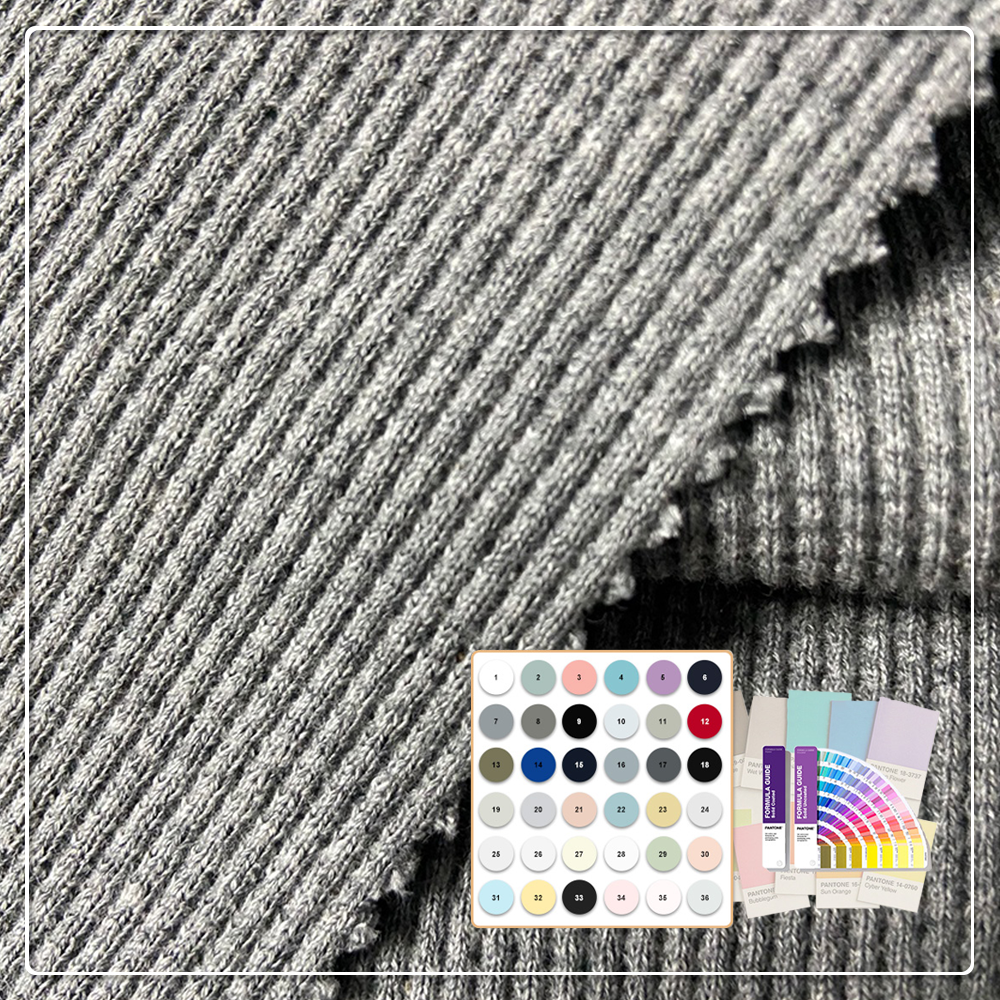
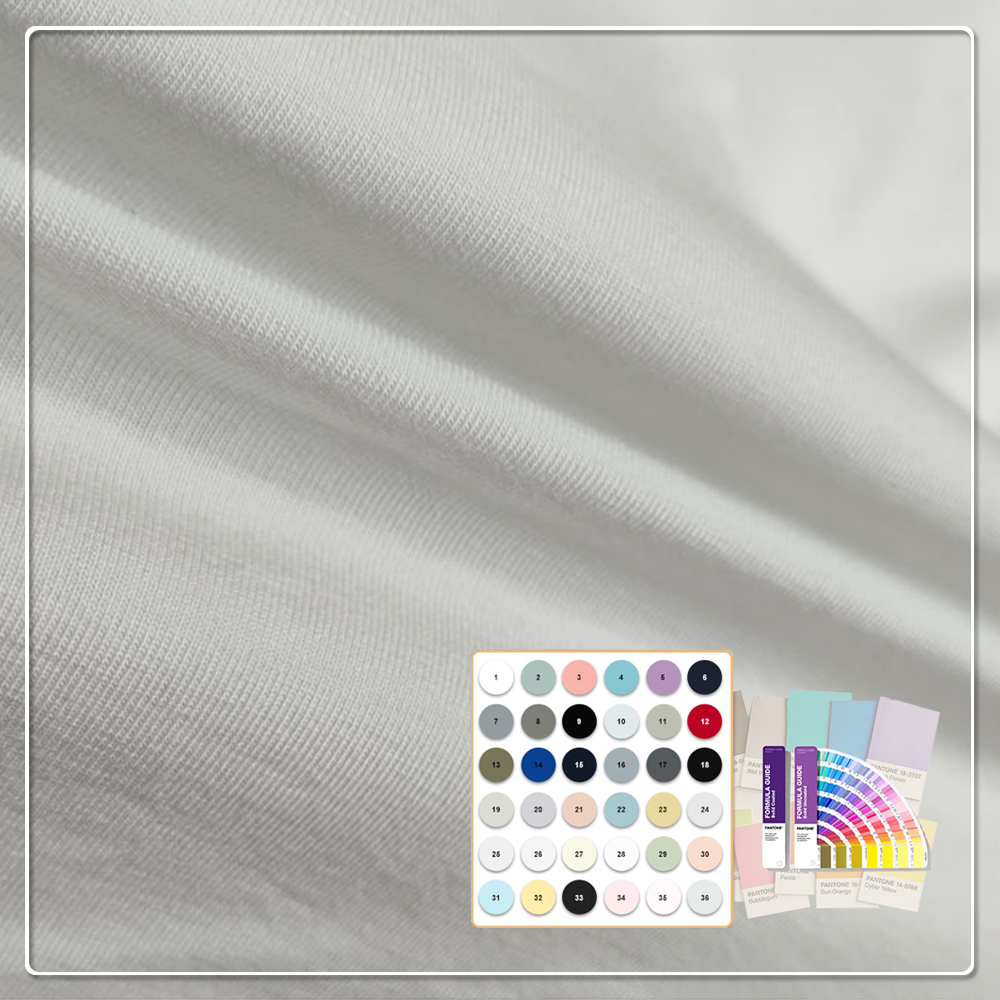
Several cost factors play a role in determining the final price of fabric printing cotton. First, consider the fabric's base cost, which will vary based on material quality, weave, and weight. Eco-friendly fabrics, such as those made from organic cotton or recycled materials, may come with a higher price tag but can offer long-term cost benefits through sustainability appeal.

Another significant factor is the volume of your order. Bulk purchases typically yield lower per-unit costs, so negotiating MOQs with suppliers can influence your pricing strategy. Additionally, factor in shipping and handling costs, especially if importing from overseas, as these can significantly affect overall expenses.

Don't forget to budget for any customization needs, such as specific colors or prints. Custom designs may incur additional setup fees, so clarify these costs upfront to avoid surprises later in the process. Lastly, keep in mind the potential for quality control checks and testing, as investing in these processes can prevent costly mistakes down the line.

How to Choose Eco-Friendly Fabric Printing Cotton for Your Projects

Choosing eco-friendly fabric printing cotton involves understanding material sourcing and production practices. Look for fabrics that feature certifications like GOTS (Global Organic Textile Standard) or OEKO-TEX, which ensure that the materials are produced with minimal environmental impact.

When selecting eco-friendly options, consider the type of cotton used. Organic cotton is grown without synthetic pesticides or fertilizers, making it a sustainable choice. Recycled polyester blends can also be an environmentally friendly alternative, reducing waste and resource consumption.

Evaluate the supplier’s manufacturing processes as well. A commitment to sustainable practices, such as water-efficient dyeing methods or energy-efficient production, can further enhance the eco-friendliness of your fabric choices. Engaging with suppliers who prioritize sustainability not only supports environmental goals but also resonates with consumers increasingly concerned about eco-consciousness.

Common Problems with Fabric Printing Cotton and Their Solutions

Despite its versatility, fabric printing cotton can present several challenges that buyers should be aware of. One common issue is color fading or bleeding during washing. To mitigate this, ensure that the fabric has been treated for color fastness. Request samples and conduct wash tests before finalizing bulk orders.

Another challenge is fabric shrinkage. As noted earlier, fabrics with shrinkage rates above 5% can lead to issues in finished products. Always confirm the shrinkage specifications with your supplier and consider pre-washing samples to assess behavior.

Lastly, printing inconsistencies can occur if the fabric has a variable texture or weight. To address this, engage in a thorough sampling process and maintain open communication with your supplier about any concerns that arise during production. Regular quality control checks throughout the manufacturing process can help catch issues early, reducing the risk of costly mistakes in your final products.

By understanding these specifications, sourcing reliable suppliers, and acknowledging potential challenges, you can make informed decisions regarding fabric printing cotton that meet your application's needs.

Key Specifications of High-Quality Fabric Printing Cotton for Buyers

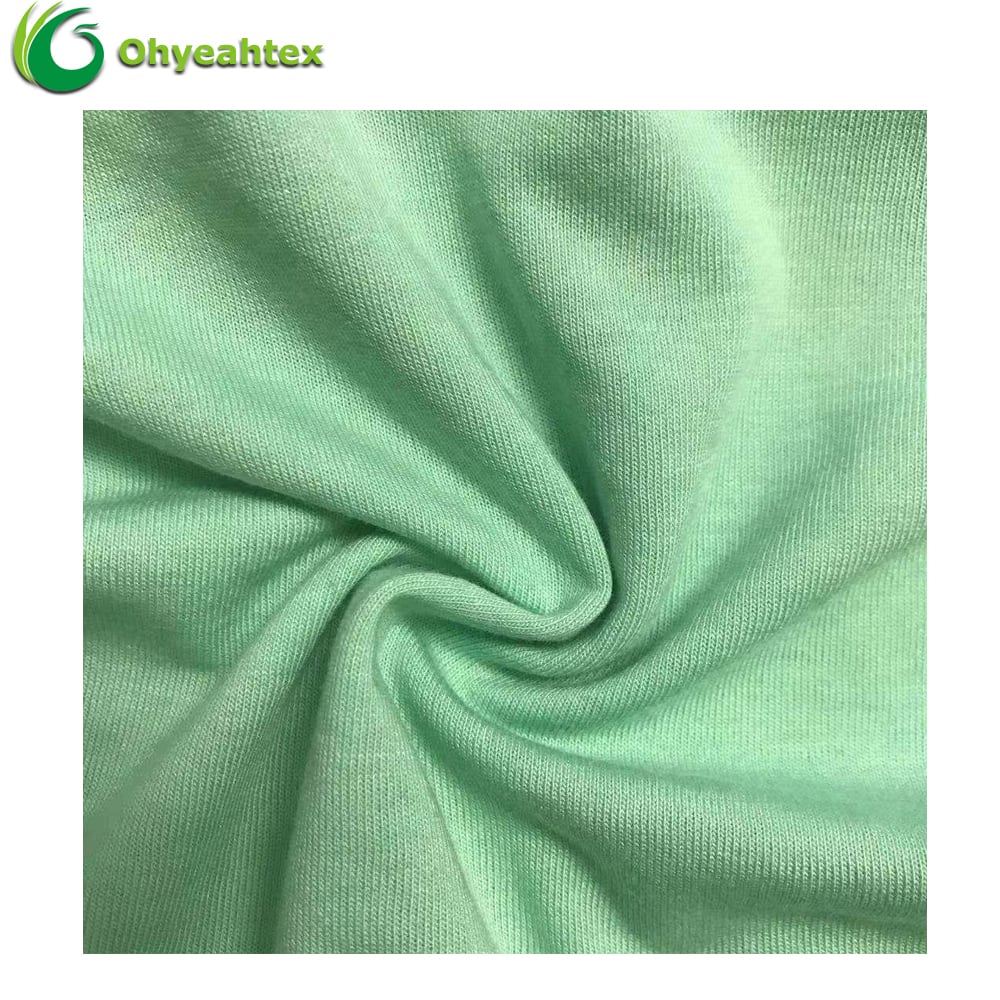
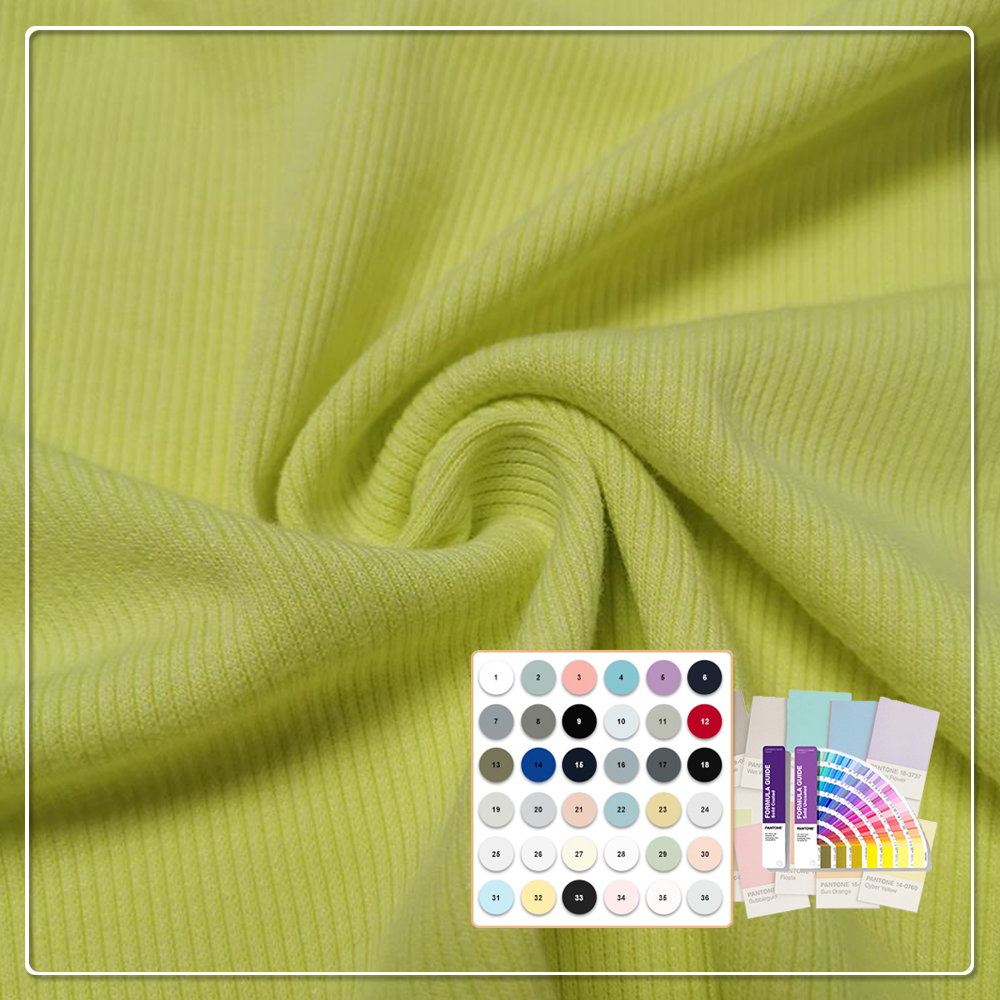
When evaluating fabric printing cotton, several specifications are critical. First, consider the weave and texture, as they directly affect print quality and fabric durability. A tighter weave will often yield sharper prints and better ink absorption. For example, a fabric with a high thread count can enhance the vibrancy of colors and provide a smoother finish. Additionally, fabrics made from Tencel Modal can offer excellent print quality due to their unique properties.

Next, pay attention to the weight of the fabric. Heavier cotton fabrics tend to be more durable and suitable for items like bags and upholstery, while lighter options may be better for clothing and drapery. Additionally, look for specifications on color fastness, which indicates how well the fabric retains its color after washing or exposure to light. A level of 4-5 is typically desirable for most applications.

Lastly, shrinkage rates are essential to consider, especially if the fabric will be pre-shrunk or treated. Fabrics with shrinkage below 5% are often more reliable for production runs. Always request samples to test these specifications before committing to a bulk order.

Our Blog Posts

The Smooth Texture Benefits of Tencel Modal in Apparel Manufacturing

29

May

The Smooth Texture Benefits of Tencel Modal in Apparel Manufacturing

A smooth texture in clothing is a desirable fabric feature today. This add value to a fabric: it is an aesthetically pleasing, comfortable, and a mark of good quality. To produce a consistently smooth fabric texture, one must invest in fibe...
View More
Tencel Lyocell Material Adds More Value to Sustainable Fashion Lines

13

Oct

Tencel Lyocell Material Adds More Value to Sustainable Fashion Lines

While the fashion world is in the midst of a dramatic revolution for sustainable materials, brands are realizing that eco-friendly fabric is more than just environmentally responsible; it’s a means of adding product value, amplifying brand stat...
View More
The Breathability Advantage Tencel Lyocell for Performance Activewear

13

Oct

The Breathability Advantage Tencel Lyocell for Performance Activewear

In the activewear market that is quite fast-paced the performance is defined by the manner in which a fabric will respond to the requirements of the body. Moisture control, thermoregulation and mobility will cease to be luxuries-they will be necessit...
View More
What Tencel Lyocell’s Moisture Absorption Means for High-End Sportswear

13

Oct

What Tencel Lyocell’s Moisture Absorption Means for High-End Sportswear

In the competitive market of high-end sportswear, the performance is dictated by how a fabric responds to the simplest action of the body to exercise, perspiration. This is because moisture control has been a competitive factor of premium brands and ...
View More

Get a Free Quote

Our representative will contact you soon.
Email
Name
Mobile/WhatsApp
Company Name
Message
0/1000

Get a Free Quote

Our representative will contact you soon.
Email
Name
Mobile/WhatsApp
Company Name
Message
0/1000