EN
Jersey cotton is a versatile and eco-friendly knitted fabric, highly sought after in various industries for its softness, durability, and comfort. As companies increasingly prioritize sustainable materials, understanding the properties and applications of jersey cotton becomes crucial for purchasing managers, distributors, and product managers. This article will guide you through finding reliable suppliers, comparing products for wholesale purchases, and best practices for ordering and installation—all tailored to help you make informed decisions.
How to Compare Jersey Cotton for Wholesale Purchases
When comparing jersey cotton for wholesale purchases, focus on several key specifications that influence material quality and suitability for your projects. Important factors include:
Fabric Weight: This impacts the drape and feel of the material. Heavier weights provide more durability, while lighter weights can offer more breathability.
Composition: Jersey cotton can be blended with other fibers, such as polyester or spandex, to enhance characteristics like stretch and moisture-wicking capabilities. Make sure to confirm the fiber content and its implications for your intended application, considering options like Recycled Polyester Fabric for added sustainability.
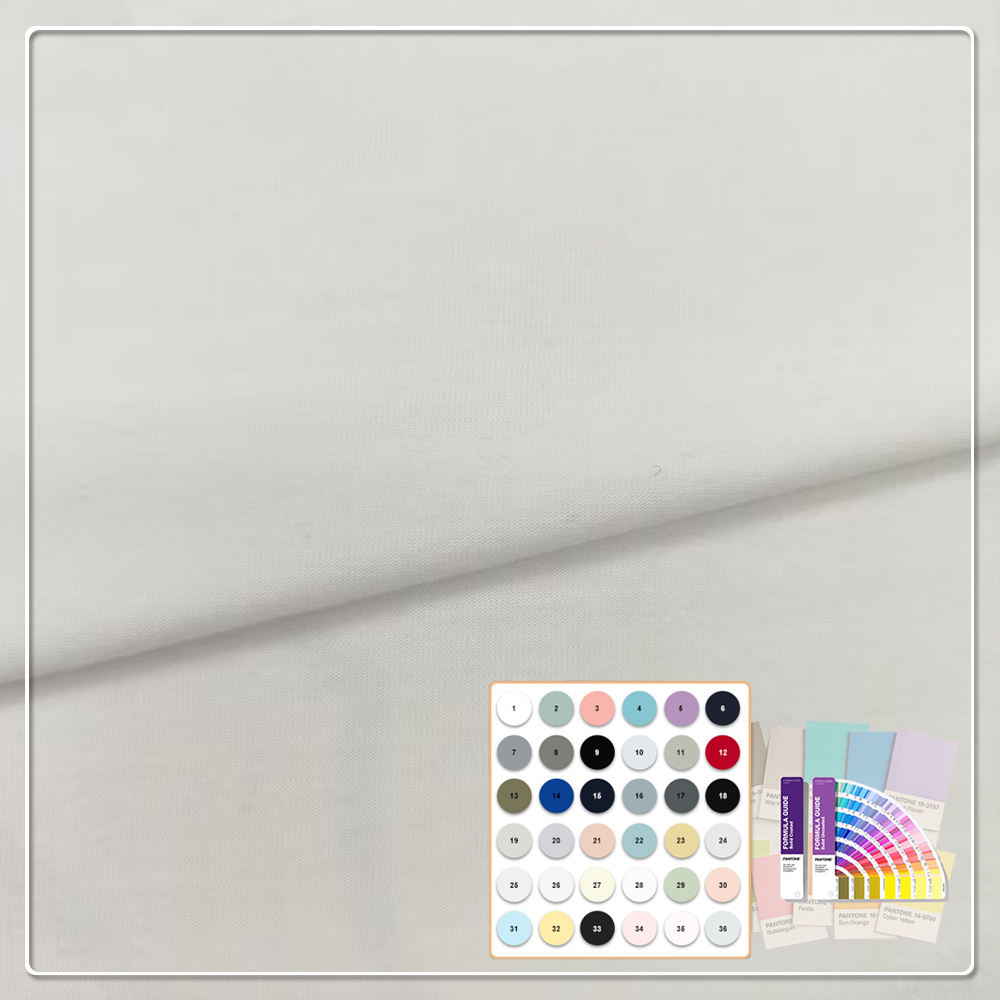
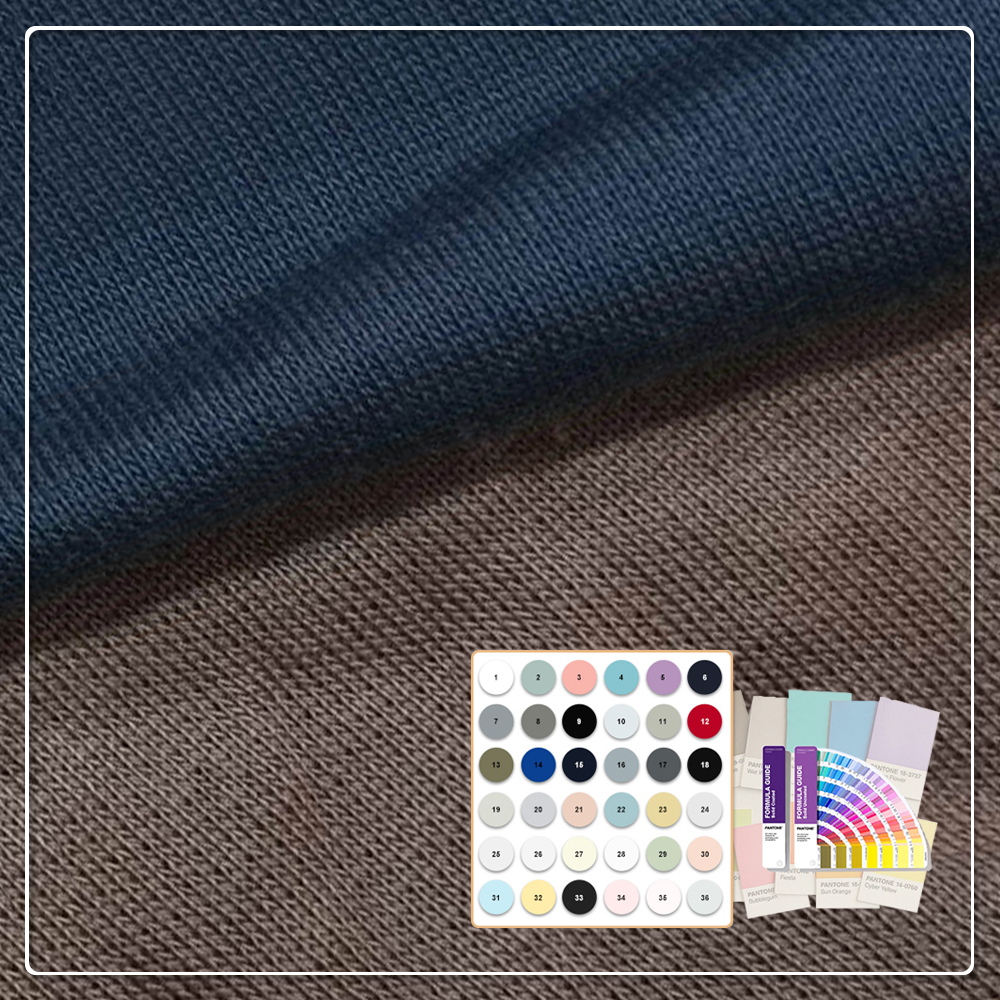
Color Options and Dyeing Methods: Evaluate the dyeing processes used by the manufacturer. Eco-friendly dyeing methods, such as those compliant with GOTS standards, can ensure a lower environmental impact.
Minimum Order Quantity (MOQ): Suppliers often have different MOQs based on fabric type and customization options. Understanding the MOQ helps in planning your procurement strategy.
Production Capacity: Assess the supplier’s ability to meet your order volumes consistently. It's essential to confirm that their monthly output aligns with your needs, which can be a significant factor in timely project execution.
By focusing on these specifications, you can make a more informed decision and choose a product that meets your quality standards while being competitive in pricing.