Key Jersey Fabric Types for Eco-Friendly Sourcing

Get a Free Quote

Our representative will contact you soon.
Email
Name
Mobile/WhatsApp
Company Name
Message
0/1000

jersey fabric types

Jersey fabric types are essential components in the textile industry, especially for manufacturers and designers sourcing eco-friendly materials. With concerns about sustainability, quality, and application, buyers need to understand the various jersey fabric types, their characteristics, and their applications. This article provides insights into sourcing jersey fabrics, comparing different types, exploring their applications, and considering cost factors, helping you make informed purchasing decisions.

How to Choose the Right Jersey Fabric for Your Project Needs

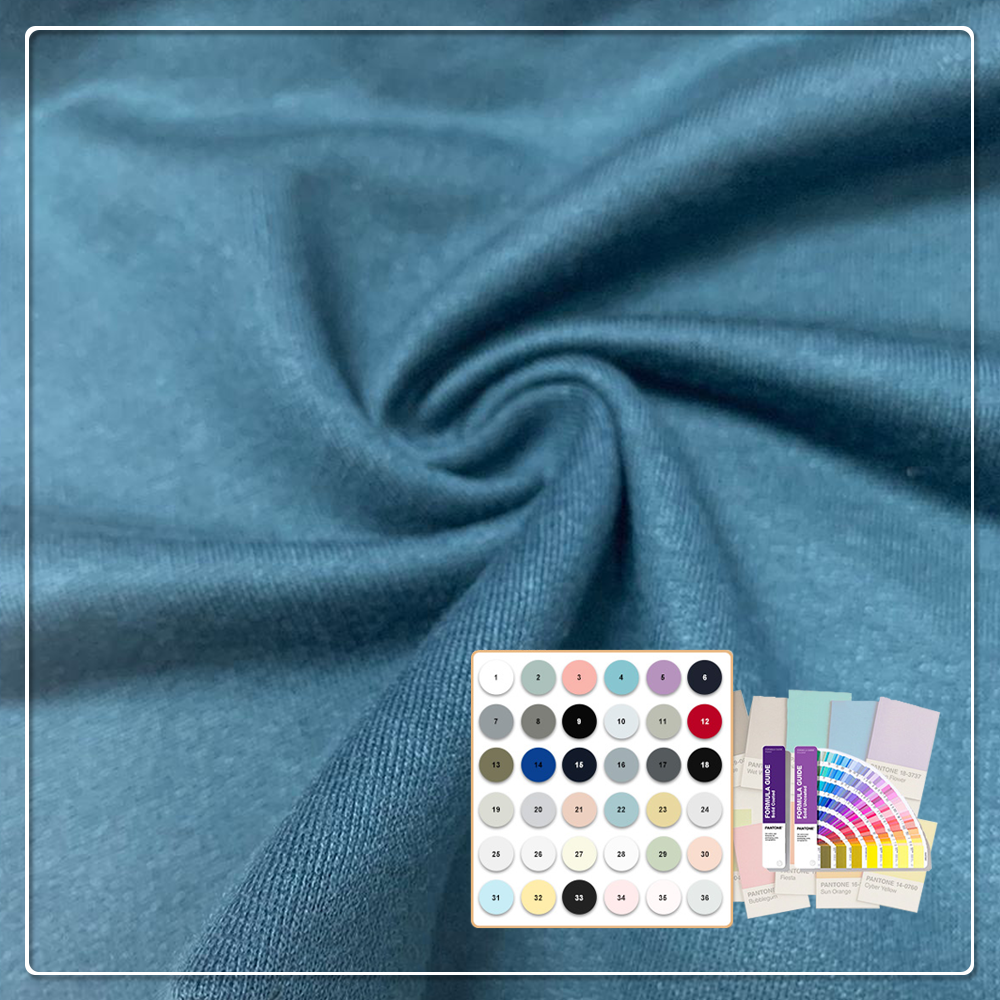
When comparing different jersey fabric types, it's essential to focus on their unique characteristics and how they align with your project's needs. Start by examining the composition of each fabric type. For instance, organic cotton jerseys are ideal for environmentally conscious brands, offering a soft touch and breathability. In contrast, recycled polyester jerseys provide durability and moisture-wicking properties, making them suitable for athletic wear.

Next, consider the fabric's texture and finish. Some jersey fabrics have a smooth finish, while others may feature a looped or textured surface. This difference can significantly impact the final product's aesthetics and feel. Test swatches to determine which texture complements your design vision.

Additionally, evaluate the jersey's performance under stress. For activewear, you might want a fabric that performs well in moisture management and has good stretch recovery. Look for specifications that indicate the fabric’s resistance to pilling, fading, and wear, especially if the end product will be subjected to frequent use or washing.

Lastly, consider the environmental impact of the fabric. Opt for certified materials like those from our company, which hold OEKO, GOTS, OCS, and GRS certifications, ensuring that the fabrics are produced sustainably and ethically.
Cost Factors in Jersey Fabric Types for Importers and Distributors

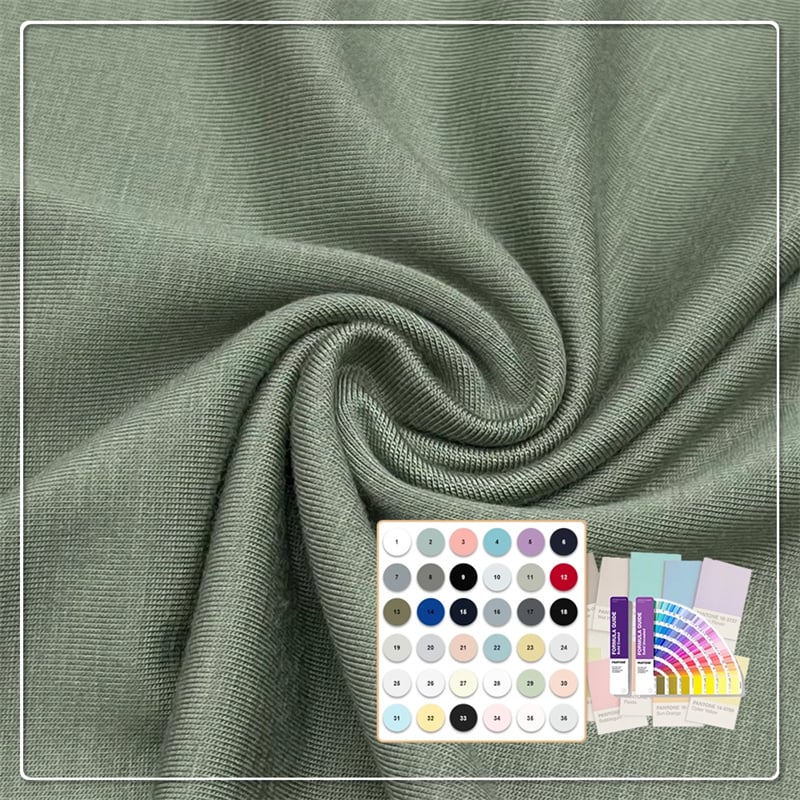
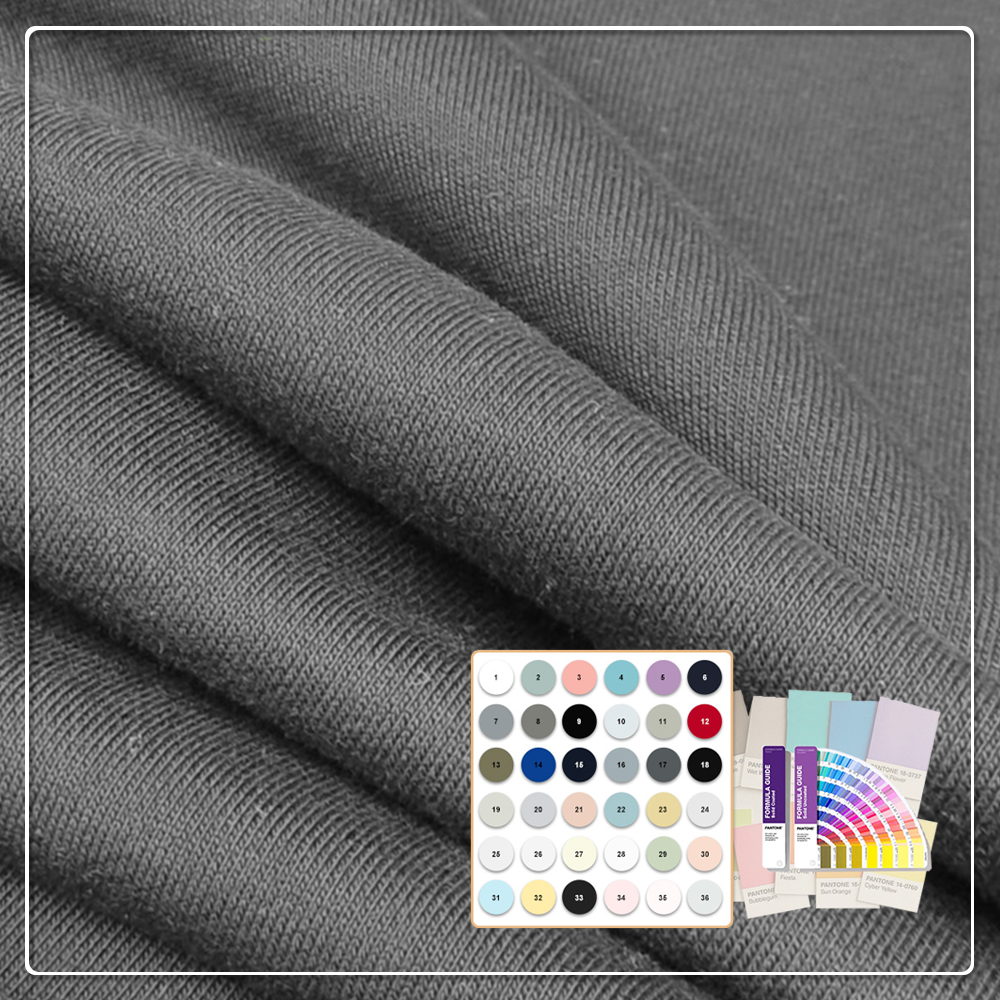
Jersey fabric types have a wide range of applications, each suited to specific industries and uses. For instance, bamboo jersey fabrics are often used in the fashion industry for casual wear and undergarments due to their softness and antibacterial properties. Organic cotton jersey is popular in children's clothing, where comfort and safety are paramount.

Recycled polyester jersey fabrics find their niche in sportswear and activewear, as they offer excellent moisture-wicking capabilities and durability, making them ideal for garments that endure rigorous activities. In addition to apparel, jersey fabrics can also be utilized in home textiles such as bed linens and upholstery, providing a soft feel and aesthetic versatility.

When selecting a jersey fabric for a particular application, consider factors like breathability, stretch, and environmental resistance. For example, if you are designing outdoor apparel, a polyester blend with UV resistance and moisture-wicking properties would be ideal. Understanding the specific requirements of your target applications will help you choose the right jersey fabric type.

Common Problems with Jersey Fabrics and Effective Solutions

Cost is a critical consideration when purchasing jersey fabrics, as various factors can influence overall pricing. First, the type of material plays a significant role. Eco-friendly options like organic cotton or bamboo generally come at a premium due to their sustainable production processes. However, investing in these materials can enhance your brand’s reputation and appeal to environmentally-conscious consumers.

Next, consider the manufacturing and production costs. Fabrics produced in large quantities may have lower per-unit prices due to economies of scale. Our facility, for example, has over 100 circular knitting machines and a monthly output of 200 tons, allowing us to provide competitive pricing without sacrificing quality.

Additionally, customization can impact costs. Custom colors, patterns, or specific finishes may incur extra charges. It’s crucial to communicate your requirements clearly to suppliers and request detailed quotations that outline material, production, and shipping costs. Also, factor in lead times, as longer production times may affect your overall project timeline and costs.

Lastly, evaluate the minimum order quantities (MOQs) set by suppliers. Purchasing larger quantities can often lead to better unit pricing, but ensure that you have a market for the fabric to avoid excess inventory costs.

Understanding Jersey Fabric Composition and Uses

Finding reliable suppliers for eco-friendly jersey fabrics is essential for ensuring the quality and sustainability of your products. Start your search by looking for manufacturers with reputable certifications such as OEKO-TEX, GOTS, OCS, and GRS. These certifications indicate adherence to strict environmental and social standards, assuring you that the materials are produced responsibly.

Networking within industry-specific trade organizations or attending textile trade shows can also help identify reputable suppliers. Engaging with peers in the industry can provide valuable insights and recommendations based on their experiences.

Online platforms and textile directories can also serve as useful resources. However, ensure to conduct thorough due diligence by reviewing supplier profiles, requesting samples, and checking references to verify the quality of their products and reliability.

Finally, consider suppliers that demonstrate a commitment to quality control and customer service. For example, our professional team at Shaoxing City Ohyeah Textile Co., Ltd. maintains strict quality control processes to ensure that every batch meets the high standards expected by our customers. Building a relationship with a trustworthy supplier can streamline your sourcing process and enhance your product offerings.

What Are the Key Jersey Fabric Types for Wholesale Buyers?

When sourcing jersey fabrics, several key specifications should be evaluated to ensure the material meets your project requirements. First, consider the fabric composition. Jersey fabrics can be made from various materials, including bamboo, organic cotton, and recycled polyester. Each material offers distinct benefits; for instance, bamboo is known for its softness and breathability, while recycled polyester is praised for its durability and eco-friendliness.

Next, pay attention to the weight and thickness of the fabric. Lightweight jersey fabrics are suitable for t-shirts and dresses, while heavier variants are ideal for activewear and outer garments. Additionally, assess the fabric's stretchability, which is crucial for applications requiring flexibility and comfort. A higher spandex content typically enhances stretch and recovery, making the fabric suitable for fitted garments.

Finally, quality indicators such as color fastness and shrinkage rates are vital. Our eco-friendly fabrics boast a color fastness level of 4-5 and shrinkage below 5%, ensuring longevity and maintaining shape after washing. Always request fabric samples to evaluate these specifications in real-world conditions before committing to a bulk order.

Our Blog Posts

Sourcing Bamboo Fabric: From Ancient Groves to Modern Comfort

14

Jul

Sourcing Bamboo Fabric: From Ancient Groves to Modern Comfort

Bamboo. A simple word. Yet, it carries millennia of human ingenuity and a silent revolution in modern textiles. It's not just the stuff of panda diets or serene Asian paintings. Bamboo is a story of survival, adaptability, and enduring utility. From ...
View More
The Growing Demand for Tencel Modal in Global Knit Fabric Markets

29

May

The Growing Demand for Tencel Modal in Global Knit Fabric Markets

Consumers,brands,and retailers are moving away from conventional fibers toward fibers which offer both performance and sustainability. Of many options,the growth in demand for Tencel Modal has been particularly strong. Shaoxing City Ohyeah Texti...
View More
The Low-Shrinkage Advantage of Tencel Modal in Mass Production

13

Oct

The Low-Shrinkage Advantage of Tencel Modal in Mass Production

The number of challenges that are as expensive and disruptive as the fabric shrinkage are scarce to manufacturers and brands with a large scale. In case of shrinking clothes after manufacturing, and worse still when they reach the consumers, the cons...
View More
What is Tencel Modal Fabric And Why Its The Best

13

Oct

What is Tencel Modal Fabric And Why Its The Best

Tencel Modal is a fabric that has been given a lot of hype within the already expanding industry of eco-friendly textiles. However, as it is even more successful with premium brands and mindful buyers, the question many in the industry are asking is ...
View More

Get a Free Quote

Our representative will contact you soon.
Email
Name
Mobile/WhatsApp
Company Name
Message
0/1000

Get a Free Quote

Our representative will contact you soon.
Email
Name
Mobile/WhatsApp
Company Name
Message
0/1000