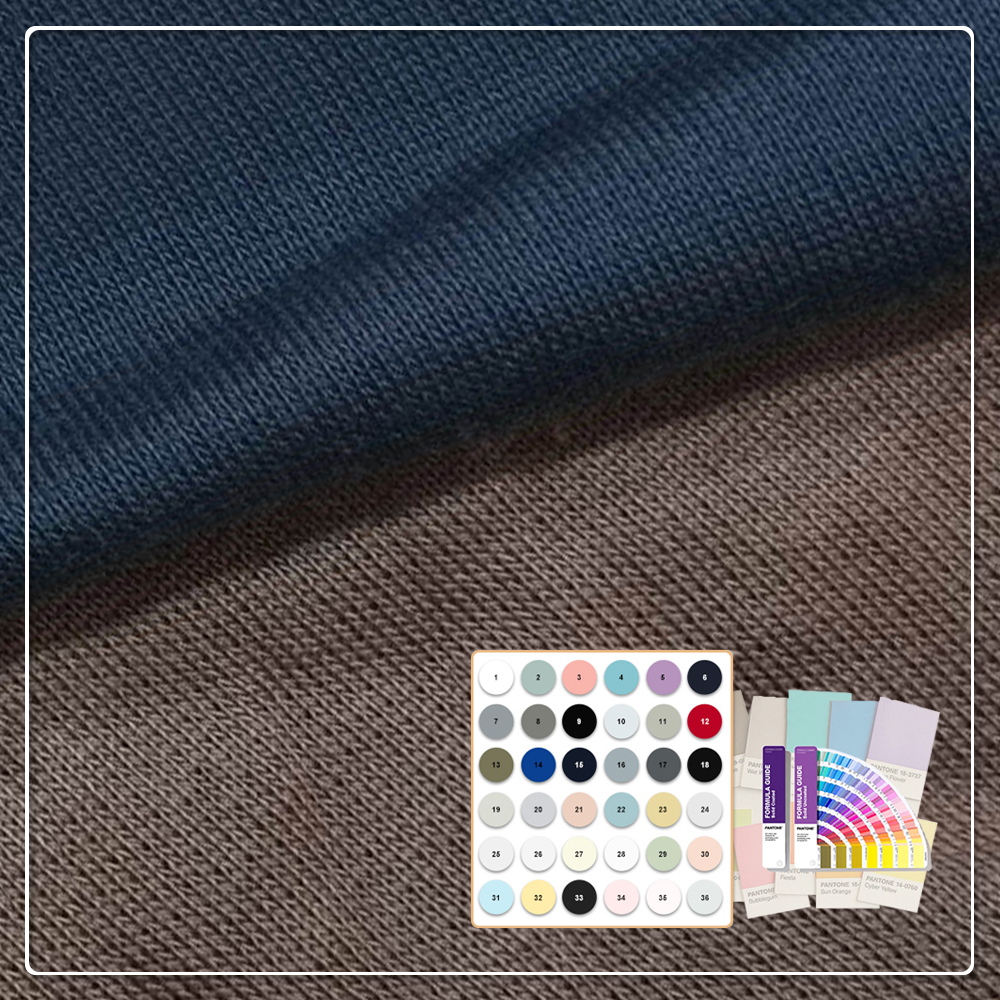
Jersey Knit Fabric: Key Considerations for Bulk Orders

Get a Free Quote

Our representative will contact you soon.
Email
Name
Mobile/WhatsApp
Company Name
Message
0/1000

jersey knit fabric

Jersey knit fabric is a popular textile choice in various industries due to its unique characteristics, including stretchability, softness, and breathability. As a B2B buyer, understanding the nuances of jersey knit fabric is crucial for making informed purchasing decisions. Whether you are a purchasing manager, engineer, or product manager, this article will guide you through the essential factors to consider when sourcing jersey knit fabric, helping you to meet your project requirements effectively.

Where to Source Reliable Jersey Knit Fabric Suppliers for Wholesale

Sourcing reliable suppliers for jersey knit fabric involves evaluating their manufacturing capabilities, certifications, and customer service. Start by looking for manufacturers with certifications such as OEKO, GOTS, OCS, and GRS, as these indicate a commitment to quality and sustainability. Shaoxing City Ohyeah Textile Co., Ltd., for example, is a certified manufacturer specializing in eco-friendly knitted fabrics.

When assessing suppliers, inquire about their production capacity. A manufacturer with over 100 circular knitting machines and a monthly output of 200 tons can typically meet large orders efficiently. Additionally, check for their experience in handling bulk orders and their willingness to customize products based on your requirements.

Engage with potential suppliers to understand their quality control processes. A strong quality assurance program ensures that every batch of fabric meets specified standards, reducing the likelihood of defects that can disrupt your production timeline.
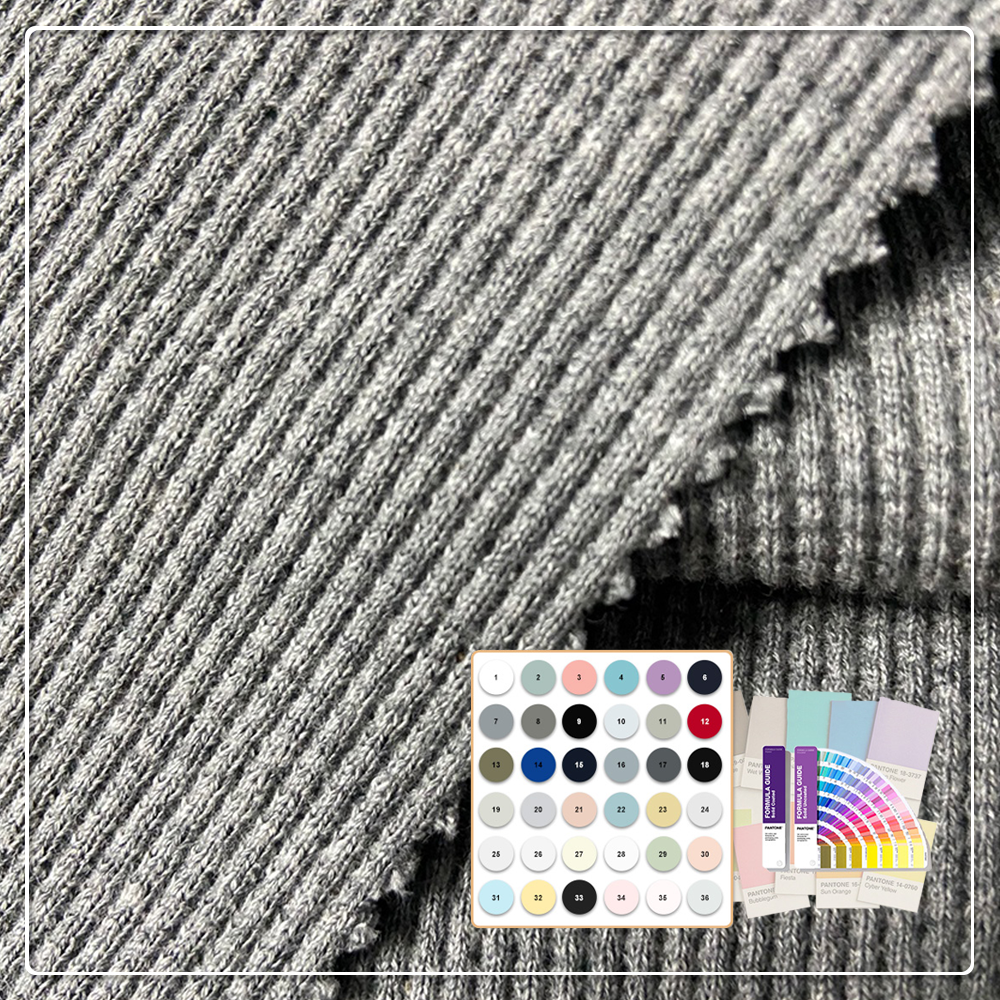
Cost Factors to Consider When Purchasing Jersey Knit Fabric in Bulk

The cost of jersey knit fabric in bulk can vary significantly based on several factors. First and foremost is the type of material selected. Eco-friendly fabrics like organic cotton and recycled polyester may have a higher initial cost but can offer long-term savings through durability and reduced environmental impact.

Another cost factor to consider is the MOQ (minimum order quantity). Suppliers often have different MOQs, which can affect overall pricing. It’s essential to balance your budget with the quantity needed for your projects.

Additionally, consider the additional costs associated with shipping, packaging, and any customization requirements. Custom colors or prints may incur extra fees, so ensure you factor these into your budget. Finally, don’t overlook the importance of negotiating pricing with suppliers; bulk orders often allow for discounts, which can significantly affect your bottom line.

Best Applications for Jersey Knit Fabric in Various Industries

Jersey knit fabric is versatile and suitable for a range of applications across different industries. In the fashion industry, it is commonly used for t-shirts, dresses, and activewear due to its soft texture and stretchability. Its breathable nature makes it ideal for garments intended for warm climates or physical activities.

In the home textiles sector, jersey knit is often utilized for bedding, pillowcases, and blankets, where comfort is paramount. Its stretchability allows for a better fit, making it a popular choice for fitted sheets and other bedding items.

Moreover, the medical industry increasingly uses jersey knit fabric for scrubs and uniforms, where comfort and ease of movement are critical. The fabric's durability and ease of care also make it suitable for industrial applications, such as workwear and uniforms, which require frequent laundering and long-lasting performance.

Tips for Contractors

For contractors working with jersey knit fabric, there are several practical tips to ensure a successful project. First, always request samples before committing to a bulk order. This allows you to evaluate the fabric's texture, stretch, and overall quality, ensuring it meets your project requirements.

Another important consideration is to communicate clearly with your supplier regarding your specifications. Provide detailed information about the intended application, required performance characteristics, and any customization needs. This helps prevent misunderstandings and ensures that the final product aligns with your expectations.

When planning your production timeline, factor in potential lead times for order fulfillment. Establish a good relationship with your supplier to ensure timely communication about any delays or issues that may arise during the manufacturing process. Keeping a close eye on quality throughout production can prevent costly reworks and ensure that your final products will meet customer satisfaction.

By understanding the critical aspects of sourcing and utilizing jersey knit fabric, you can make informed decisions that enhance your project's success and drive customer satisfaction.

What to Consider When Choosing Jersey Knit Fabric for Bulk Orders

When selecting jersey knit fabric for bulk orders, several factors come into play that can impact your final product. First, the type of material is crucial. Eco-friendly options, such as bamboo or organic cotton, are becoming more popular due to their sustainability and comfort. These materials often feature certifications like OEKO-TEX® or GOTS, which ensure they meet environmental and safety standards.

Next, consider the fabric's weight and thickness. Jersey knit comes in various weights, affecting its drape, stretch, and suitability for different applications. For instance, lightweight jersey is ideal for t-shirts, while heavier options are better suited for activewear or outer garments.

Quality is another significant factor. Look for fabrics that maintain a color fastness rating of 4-5 and shrinkage below 5%. This ensures that the material will hold its shape and color after multiple washes, which is essential for customer satisfaction and product longevity. Additionally, always confirm the fabric's sample performance before mass production to avoid discrepancies in texture and fit.

Our Blog Posts

The Smooth Texture Benefits of Tencel Modal in Apparel Manufacturing

29

May

The Smooth Texture Benefits of Tencel Modal in Apparel Manufacturing

A smooth texture in clothing is a desirable fabric feature today. This add value to a fabric: it is an aesthetically pleasing, comfortable, and a mark of good quality. To produce a consistently smooth fabric texture, one must invest in fibe...
View More
The Aesthetic Power of Tencel Lyocell’s Natural Draping and Sheen

13

Oct

The Aesthetic Power of Tencel Lyocell’s Natural Draping and Sheen

Everything is aesthetics in the realm of high end fashion. The way a work is flowing, how it catches light and how it follows the figure can cause a simple figure to shine as an embodiment of high-end style. It has also taken us over 20 years to mast...
View More
The Premium Touch of Tencel Modal Fabric in Fashion Manufacturing

13

Oct

The Premium Touch of Tencel Modal Fabric in Fashion Manufacturing

As fashion manufacturers compete in crowded and discerning marketplace, fibers we use are directly intertwined with how our customers experience our brands and connect with our products. Tencel Modal fabric, with its plush hand-feel, sustainability f...
View More
What B2B Buyers Need to Know About Tencel Modal’s Color Retention

13

Oct

What B2B Buyers Need to Know About Tencel Modal’s Color Retention

Color is not just a form of beauty to the B2B buyers in the textile industry, but it is also a brand name. The fact that a garment loses its color or becomes dull after a couple of washings not only damages the product but also the confidence of the ...
View More

Get a Free Quote

Our representative will contact you soon.
Email
Name
Mobile/WhatsApp
Company Name
Message
0/1000

Get a Free Quote

Our representative will contact you soon.
Email
Name
Mobile/WhatsApp
Company Name
Message
0/1000