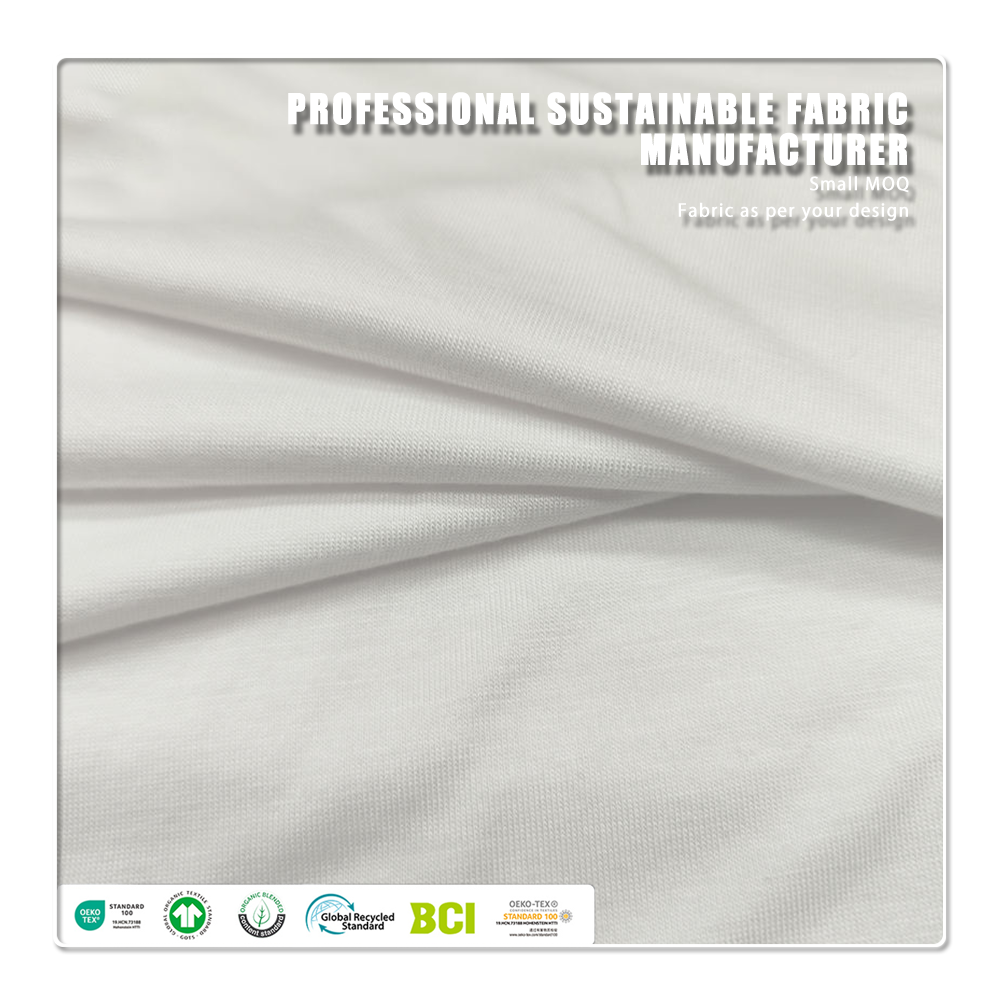
Jersey Modal: Specifications and Advantages

Get a Free Quote

Our representative will contact you soon.
Email
Name
Mobile/WhatsApp
Company Name
Message
0/1000

jersey modal

Jersey modal is a versatile and eco-friendly fabric that has gained popularity in various industries due to its unique properties. As a B2B buyer, understanding the specifications, advantages, potential issues, and installation methods for jersey modal is crucial for making informed purchasing decisions. This article will provide you with essential insights into jersey modal fabrics, helping you evaluate their suitability for your projects while addressing common buyer concerns.

Top Advantages of Choosing Jersey Modal for Your Projects

Choosing jersey modal for your projects comes with several advantages:

Sustainability: As an eco-friendly fabric, jersey modal is made from renewable resources and is biodegradable. Using modal can enhance your brand's sustainability credentials, appealing to environmentally conscious consumers.

Softness and Comfort: Jersey modal has a luxurious, soft feel that is gentle against the skin. This makes it an excellent choice for comfortable clothing, such as t-shirts, loungewear, and undergarments.

Moisture Management: Modal fibers have excellent moisture-wicking properties, drawing moisture away from the body. This feature makes jersey modal suitable for activewear and garments intended for warm climates.

Durability: Despite its softness, jersey modal is durable and resistant to wear and tear. This longevity translates into better value for buyers, as garments maintain their appearance over time.

Versatility: Jersey modal can be used in various applications, from fashion to home textiles, due to its adaptability in different blends and finishes. This versatility allows for creative design possibilities, including options like Tencel Modal which further broadens fabric choices.

These advantages make jersey modal an attractive option for manufacturers and designers looking to create high-quality, eco-friendly products.
Common Problems with Jersey Modal and Effective Solutions

While jersey modal has numerous benefits, some common issues can arise:

Pilling: Over time, friction can cause pilling on jersey modal fabrics. To minimize this, buyers should consider blends with other fibers, such as polyester, which can improve durability and reduce pilling.

Color Fading: Although jersey modal generally has good color fastness, improper care can lead to fading. Buyers should advise end-users to wash garments in cold water and avoid prolonged exposure to sunlight, which can help maintain color vibrancy.

Shrinkage: Although high-quality jersey modal has low shrinkage rates, improper washing or drying can still cause issues. It is advisable to recommend pre-washing samples or ensuring proper care instructions are provided to end-users.

Limited Availability: Depending on the market, sourcing jersey modal may present challenges. Buyers should establish relationships with reliable suppliers, such as Shaoxing City Ohyeah Textile Co., Ltd., to ensure consistent availability and quality.

By being aware of these potential issues and their solutions, buyers can mitigate risks associated with jersey modal fabrics.

How to Install Jersey Modal Fabrics in Various Applications?

Installing jersey modal fabrics varies depending on the intended application. Here are some considerations:

Garment Manufacturing: When producing garments, ensure that cutting patterns account for the fabric's stretch properties. It is recommended to use specific sewing techniques, such as using a stretch stitch or a serger, to accommodate the fabric's elasticity and prevent seam distortion.

Home Textiles: For applications like curtains or upholstery, jersey modal can be treated to enhance its durability. Buyers should consider lining or backing the fabric for structural integrity and to prevent sagging over time.

Activewear: In activewear applications, ensure that seams and finishes are designed to minimize chafing. Flatlock seams are often recommended for activewear made from jersey modal, providing a smooth finish against the skin.

When installing jersey modal in various applications, customization and proper sewing techniques are crucial to achieving the best results.

Cost Factors to Consider When Purchasing Jersey Modal in Bulk

When considering bulk purchases of jersey modal, several cost factors come into play:

Material Composition: The percentage of modal in the fabric will directly impact pricing. Higher modal content typically results in a higher cost but may offer superior quality and sustainability.

Order Quantity: Manufacturers often provide better pricing for larger quantities. Understanding the minimum order quantity (MOQ) and negotiating prices based on volume can help buyers secure favorable rates.

Customization: Customizations, such as dyeing or special finishes, can increase costs. Buyers should assess whether these additional features are necessary for their applications and budget accordingly.

Shipping and Logistics: International shipping costs can significantly affect overall expenses. Buyers should consider the shipping destination, weight, and packaging methods to optimize logistics costs.

Supplier Reliability: Partnering with a reputable supplier, such as Shaoxing City Ohyeah Textile Co., Ltd., can help ensure consistent quality and timely delivery, reducing potential costs associated with defects or delays.

By evaluating these factors, buyers can make informed decisions when purchasing jersey modal in bulk, balancing quality and cost-effectiveness.

What Are the Key Specifications of Jersey Modal Fabrics?

Jersey modal fabrics are made from modal fibers, a semi-synthetic material derived from beech tree pulp. The key specifications to consider when evaluating jersey modal include:

Composition: Jersey modal typically consists of 50-100% modal fibers. Blends with other fibers, such as cotton or polyester, can enhance specific characteristics, such as durability or moisture-wicking properties.

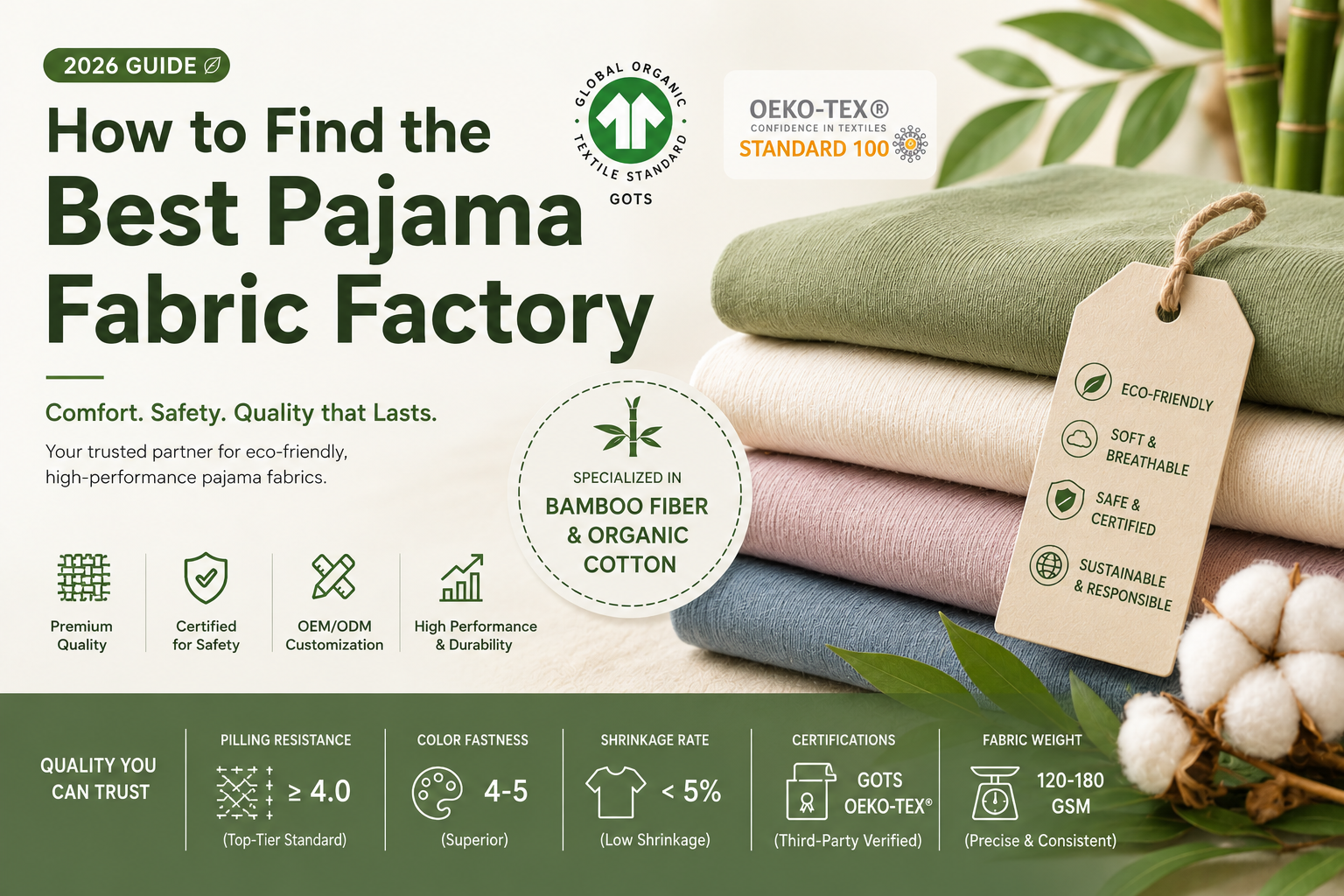
Weight: The weight of jersey modal fabrics can vary significantly, typically ranging from 150 to 300 grams per square meter (gsm). Heavier weights provide more drape and opacity, while lighter weights are suitable for breathable garments.

Stretch and Recovery: Jersey modal fabrics exhibit excellent stretch and recovery due to their knitted structure. This elasticity enhances comfort and fit, making them ideal for activewear and fitted garments.

Color Fastness: Jersey modal fabrics from reputable manufacturers, like Shaoxing City Ohyeah Textile Co., Ltd., offer a color fastness level of 4-5. This means they can withstand washing and exposure to light without significant fading.

Shrinkage: High-quality jersey modal fabrics have a shrinkage rate below 5%, ensuring that garments maintain their shape and size after washing.

Understanding these specifications allows buyers to assess the fabric's suitability for their intended applications, whether for clothing, home textiles, or other uses.

Our Blog Posts

Top Pajama Fabric Factory Recommendation Guide 2026: Sourcing the Best Materials

08

May

Top Pajama Fabric Factory Recommendation Guide 2026: Sourcing the Best Materials

Executive Summary: How to Find the Best Pajama Fabric Factory Finding a top pajama fabric factory means looking for more than just a low price. The best factories focus on three things: comfort, safety, and quality that lasts. According to the latest...
View More
What Makes Tencel Modal Ideal for High-Quality Loungewear Fabrics

29

May

What Makes Tencel Modal Ideal for High-Quality Loungewear Fabrics

Loungewear, originally designed as casual clothing for the home, has become a key item in the modern wardrobe. Consumers now demand that their loungewear be ultra-soft, extremely comfortable and durable enough to wear day in and day out. They also re...
View More
Why Tencel Lyocell Is Widely Used in Sustainable Fashion Collections

29

May

Why Tencel Lyocell Is Widely Used in Sustainable Fashion Collections

Sustainable fashion is no longer a trend that only attracts the fringe;it is now mainstream. Designers and brands are actively searching for materials that cause minimal harm to the planet,while still retaining the highest levels of quality and style...
View More
What Makes Modal Tencel Material Suitable for Modern Textile Production

13

Oct

What Makes Modal Tencel Material Suitable for Modern Textile Production

In the current competitive modern textile manufacturing world, we want something more than beauty in the end product of our textile. The fabric should be uniform, easy to cut, easy to sew, predictable in use and be environmentally friendly as custome...
View More

Get a Free Quote

Our representative will contact you soon.
Email
Name
Mobile/WhatsApp
Company Name
Message
0/1000

Related product categories

Get a Free Quote

Our representative will contact you soon.
Email
Name
Mobile/WhatsApp
Company Name
Message
0/1000