Wholesale Knit Cotton Jersey Fabrics Guide

Get a Free Quote

Our representative will contact you soon.
Email
Name
Mobile/WhatsApp
Company Name
Message
0/1000

knit cotton jersey

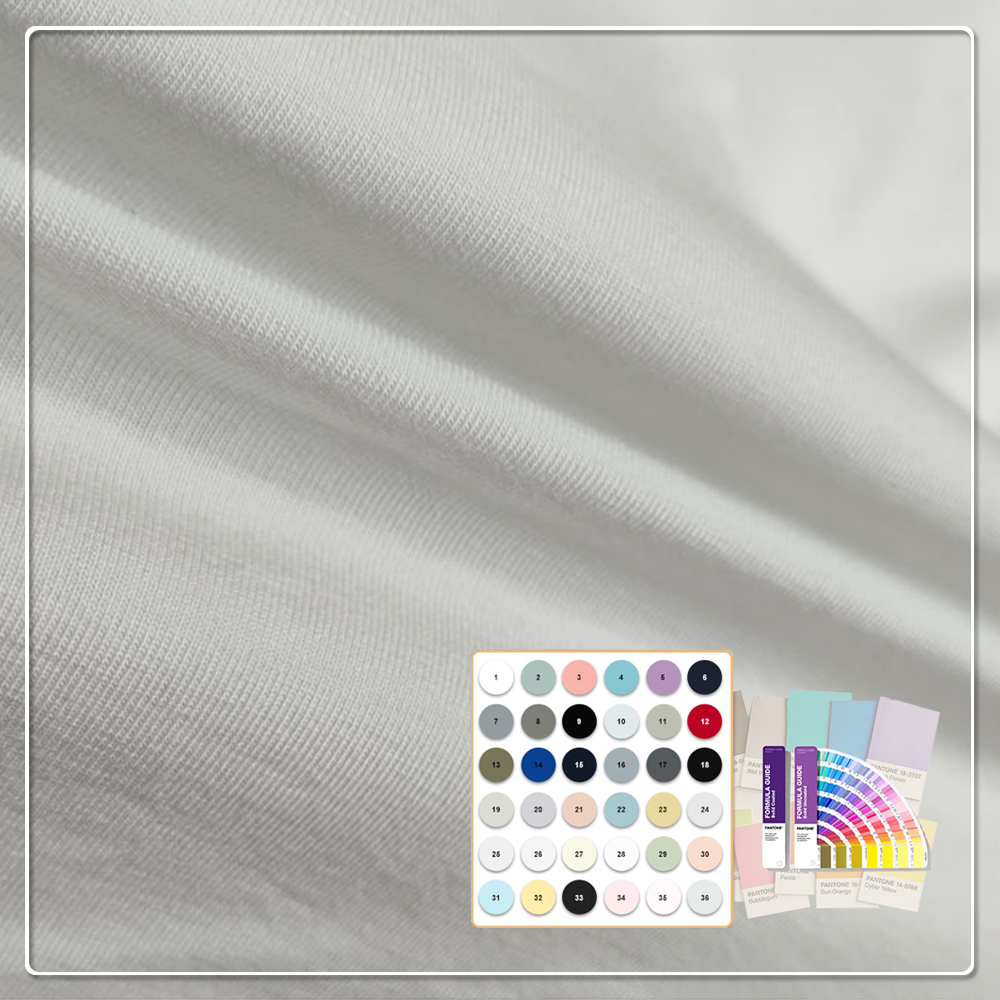
Knit cotton jersey is a versatile and widely used fabric in various industries, known for its soft texture, flexibility, and comfort. As a buyer, you may have concerns about sourcing high-quality materials, understanding the specifications, and ensuring compliance with eco-friendly standards. This article aims to provide insights into knit cotton jersey, including key specifications, sourcing reliable suppliers, cost factors, applications across industries, and installation guidance to help you make informed purchasing decisions.

Where to Source Reliable Suppliers of Knit Cotton Jersey

Sourcing reliable suppliers for knit cotton jersey involves thorough research and evaluation. Here are some steps to consider:

Certification Verification: Look for manufacturers with certifications such as OEKO-TEX, GOTS, OCS, and GRS, which indicate compliance with eco-friendly practices and quality assurance. These certifications assure that the fabric meets environmental and social standards.

Sampling Process: Request samples from potential suppliers to evaluate the fabric's quality first-hand. Pay attention to the texture, weight, and workmanship. This step is crucial before committing to larger orders.

Factory Visits: If possible, arrange visits to the factories to assess their production capabilities and quality control processes. This allows you to observe the manufacturing environment and practices, ensuring they align with your standards.

Industry Reputation: Research the supplier's reputation within the industry. Customer reviews, testimonials, and case studies can provide insights into their reliability and quality of service.

By following these steps, you can identify trustworthy suppliers that will meet your knit cotton jersey needs, including those who offer a range of fabrics such as Tencel Modal and Recycled Polyester Fabric.
Understanding the Cost Factors of Knit Cotton Jersey Purchases

The cost of knit cotton jersey can vary significantly based on several factors:

Material Quality: The type of cotton used (organic vs. conventional) and the presence of blends can influence pricing. Eco-friendly options may carry a premium but offer value through sustainability.

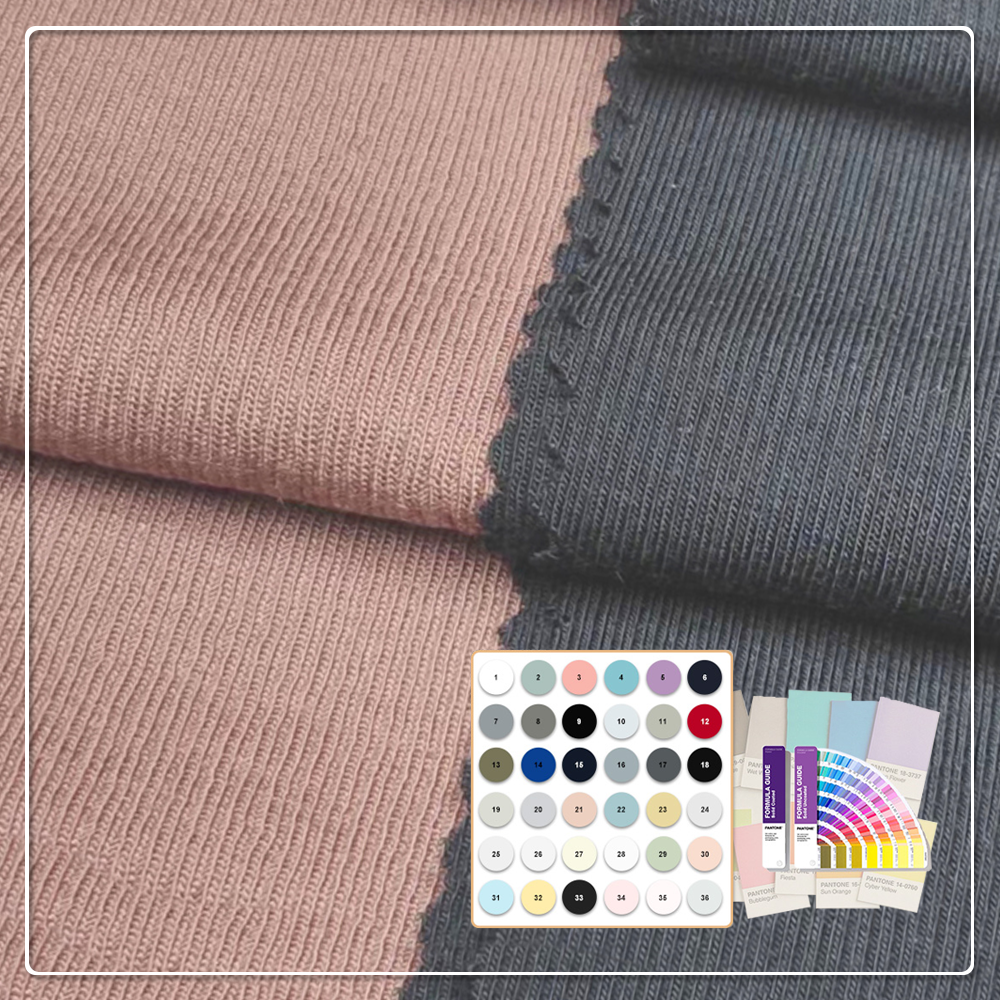
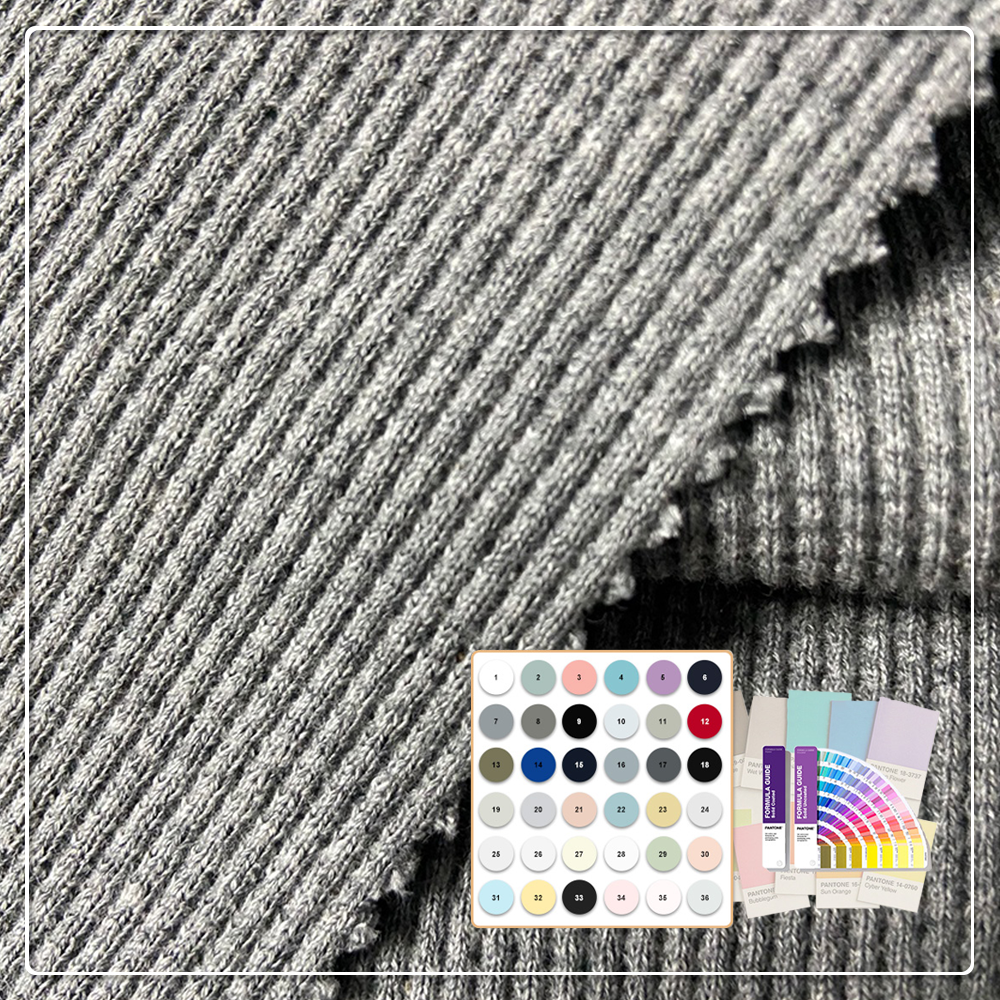
Customization: Custom colors, patterns, and finishes can increase costs. Discuss customization needs upfront to receive accurate quotes.

Order Quantity: Bulk orders typically reduce the unit price. Understanding the minimum order quantity (MOQ) can help you plan your purchases more effectively.

Shipping and Handling: Consider logistics costs, including shipping and customs duties, especially if sourcing internationally. These factors can significantly impact the overall cost.

Lead Time: Shorter lead times might come with additional costs. If you can plan ahead, you may save on expedited shipping fees.

By being aware of these cost factors, you can better negotiate and manage your budget for knit cotton jersey purchases.

Applications of Knit Cotton Jersey in Various Industries

Knit cotton jersey is widely used across various industries due to its beneficial properties:

Apparel: The most common application is in clothing, including t-shirts, dresses, and activewear. Its stretch and comfort make it ideal for casual and performance apparel.

Home Textiles: Knit cotton jersey is also popular for bedding, pillowcases, and soft furnishings, appreciated for its softness and breathability.

Medical Textiles: The fabric is used in medical garments due to its hypoallergenic properties and comfort, making it suitable for patient clothing and bedding.

Children’s Wear: The softness and flexibility of knit cotton jersey make it an excellent choice for children’s clothing, ensuring comfort and ease of movement.

Understanding these applications can help you identify the right fabric for your specific market needs.

Installation Guidance for Knit Cotton Jersey in Your Projects

When integrating knit cotton jersey into your projects, proper installation techniques are essential for optimal results:

Cutting and Handling: Use sharp, clean cutting tools to prevent fraying. Handle the fabric gently to avoid distortion, especially when working with larger pieces.

Sewing Techniques: When sewing knit cotton jersey, use a stretch or ballpoint needle to accommodate the fabric’s elasticity. Additionally, employing a zigzag or stretch stitch will prevent seams from breaking during wear.

Washing and Care Instructions: Before mass production, establish washing and care instructions to maintain the fabric's quality. Typically, machine wash in cold water and tumble dry on low heat to minimize shrinkage.

Sample Testing: Conduct sample tests under actual usage conditions to ensure the fabric performs as expected. This includes checking for durability, color retention, and overall appearance after washing.

By following these installation guidelines, you can ensure that your knit cotton jersey projects are executed smoothly and meet your quality standards.

By understanding the key specifications, sourcing strategies, cost factors, applications, and installation techniques for knit cotton jersey, you can make informed decisions that align with your business needs and customer expectations.

Key Specifications for Wholesale Knit Cotton Jersey Fabrics

When selecting knit cotton jersey fabric, several key specifications are crucial for ensuring the right fit for your application.

Material Composition: High-quality knit cotton jersey is primarily made from cotton, known for its breathability and comfort. It may also be blended with other fibers to enhance certain properties, such as stretch and durability. Understanding the fiber content can help you assess the fabric's suitability for your intended use. For example, consider exploring Organic Cotton Fabric as an eco-friendly alternative.

Weight and Thickness: The weight of the fabric, typically measured in grams per square meter (GSM), influences its drape and opacity. Common weights for knit cotton jersey range from 150 GSM to 220 GSM. A heavier weight may be suitable for colder weather, while lighter weights are preferred for warmer climates.

Color Fastness and Shrinkage: A quality knit cotton jersey should have a color fastness rating of 4-5 and a shrinkage percentage below 5%. This ensures that the fabric maintains its color and size after washing, which is critical for end-user satisfaction.

Production Capacity: With over 100 circular knitting machines, our facility can produce up to 200 tons of knit cotton jersey monthly, allowing for large orders and quick turnaround times.

Understanding these specifications will enable you to select the right fabric that meets your project requirements.

Our Blog Posts

The Natural Softness Advantage of Tencel Lyocell in Knit Fabrics

29

May

The Natural Softness Advantage of Tencel Lyocell in Knit Fabrics

Consumers look for softness in knitwear above all else. Softness builds trust,encourages comfort,and leaves a positive lasting impression. When compared to all the other sustainable fibers available on the market today,none will offer the same amount...
View More
The Smooth Texture Benefits of Tencel Modal in Apparel Manufacturing

29

May

The Smooth Texture Benefits of Tencel Modal in Apparel Manufacturing

A smooth texture in clothing is a desirable fabric feature today. This add value to a fabric: it is an aesthetically pleasing, comfortable, and a mark of good quality. To produce a consistently smooth fabric texture, one must invest in fibe...
View More
Tencel Lyocell Material Adds More Value to Sustainable Fashion Lines

13

Oct

Tencel Lyocell Material Adds More Value to Sustainable Fashion Lines

While the fashion world is in the midst of a dramatic revolution for sustainable materials, brands are realizing that eco-friendly fabric is more than just environmentally responsible; it’s a means of adding product value, amplifying brand stat...
View More
What Makes Tencel Lyocell a Preferred Fabric for Fashion Brands

13

Oct

What Makes Tencel Lyocell a Preferred Fabric for Fashion Brands

Today's fashion world demands that brands align with consumers' growing preference for sustainable fashion—without compromising comfort or style. Many sustainable materials are out there now, Tencel lyocell is undoubtedly on top as the choice f...
View More

Get a Free Quote

Our representative will contact you soon.
Email
Name
Mobile/WhatsApp
Company Name
Message
0/1000

Get a Free Quote

Our representative will contact you soon.
Email
Name
Mobile/WhatsApp
Company Name
Message
0/1000