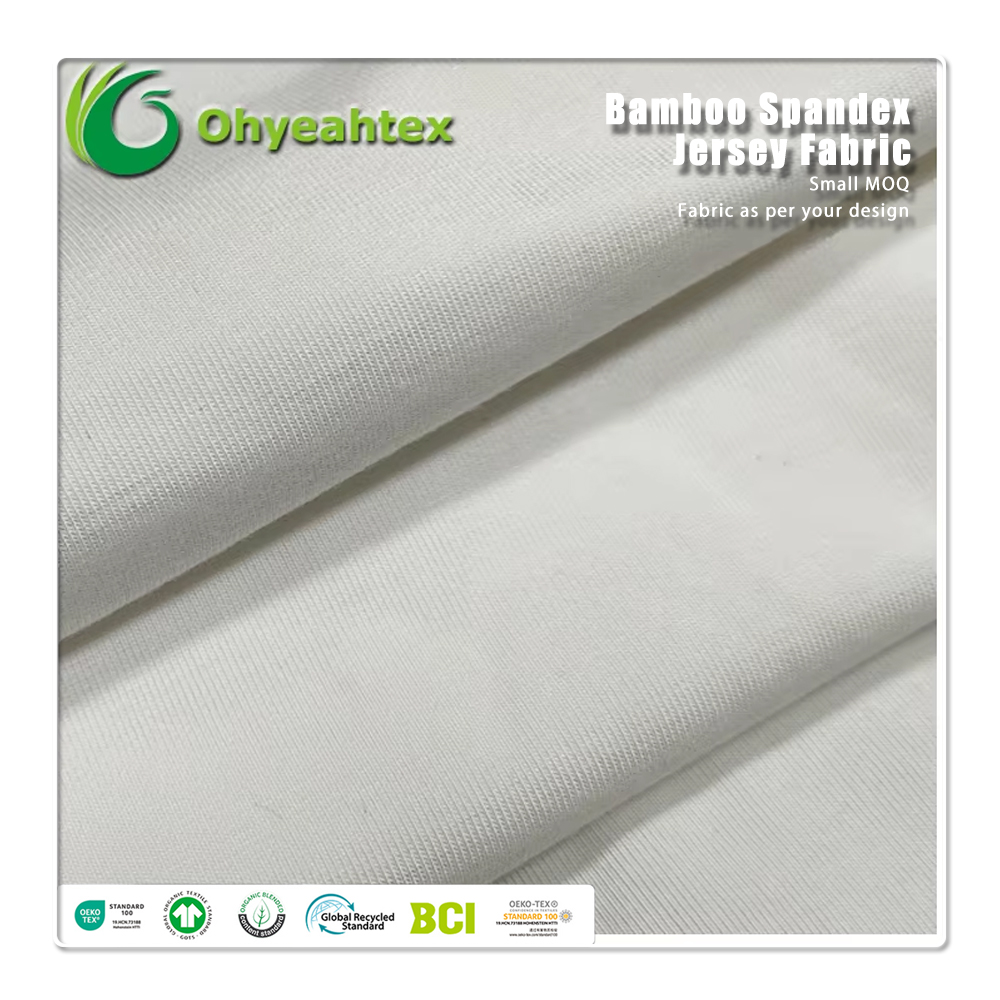
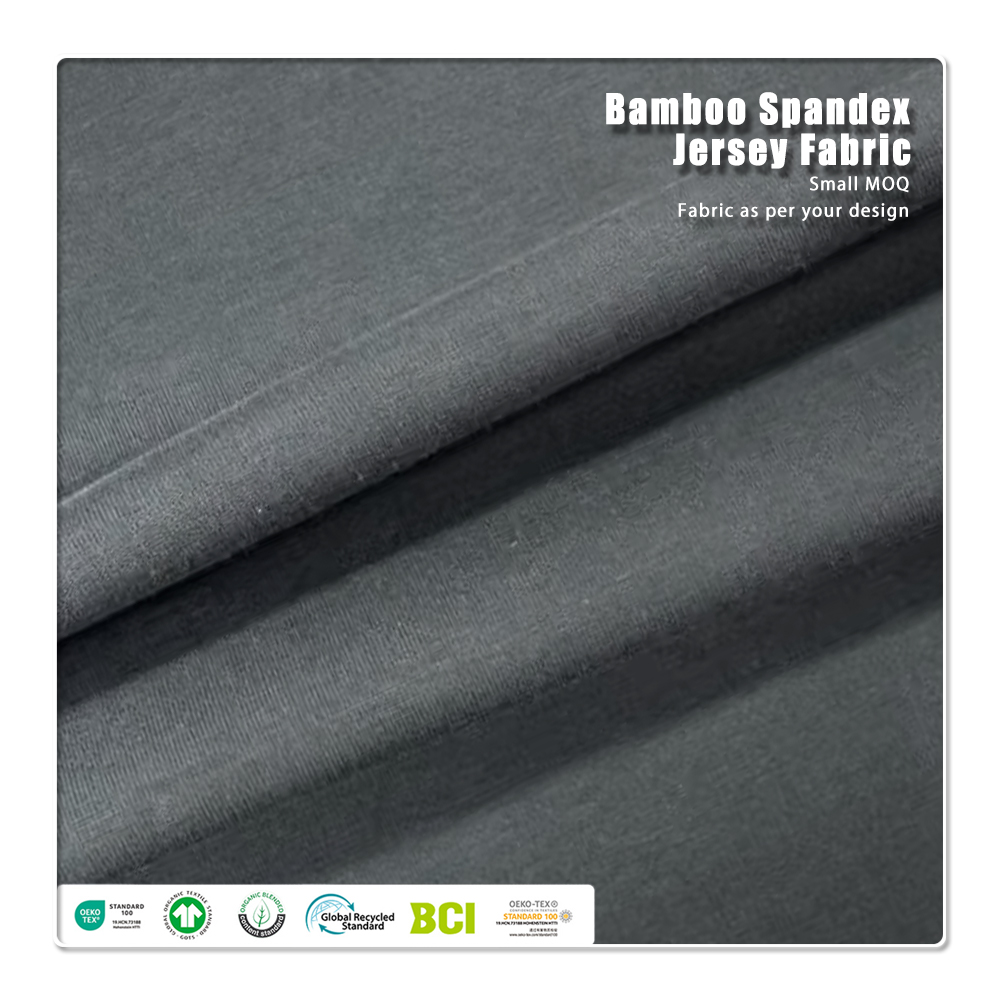
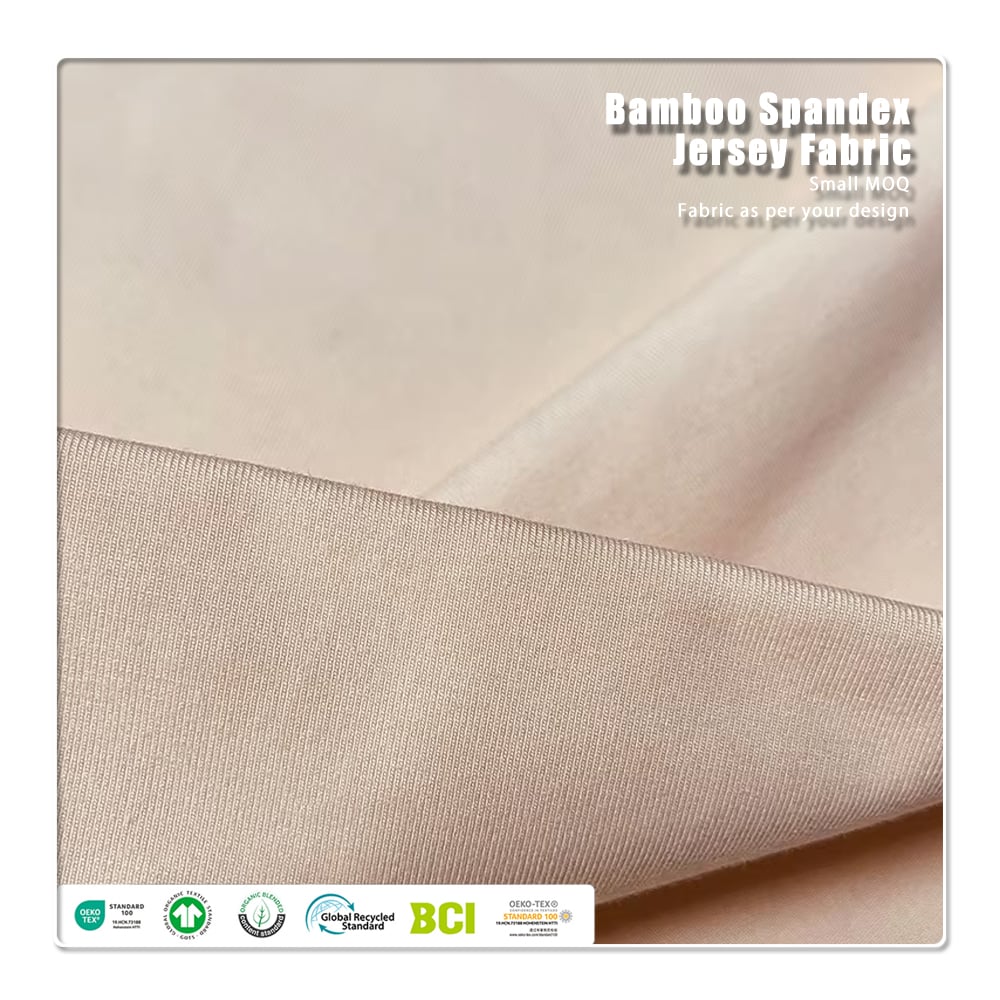
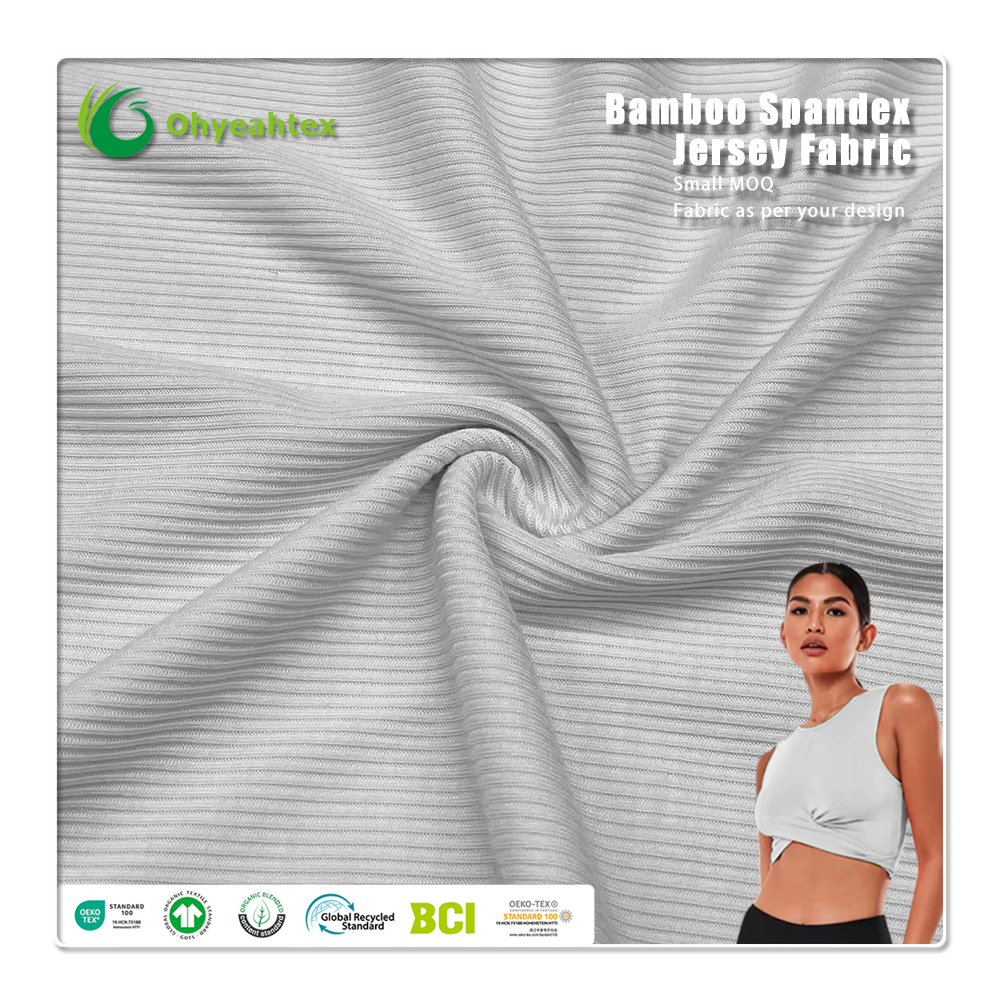
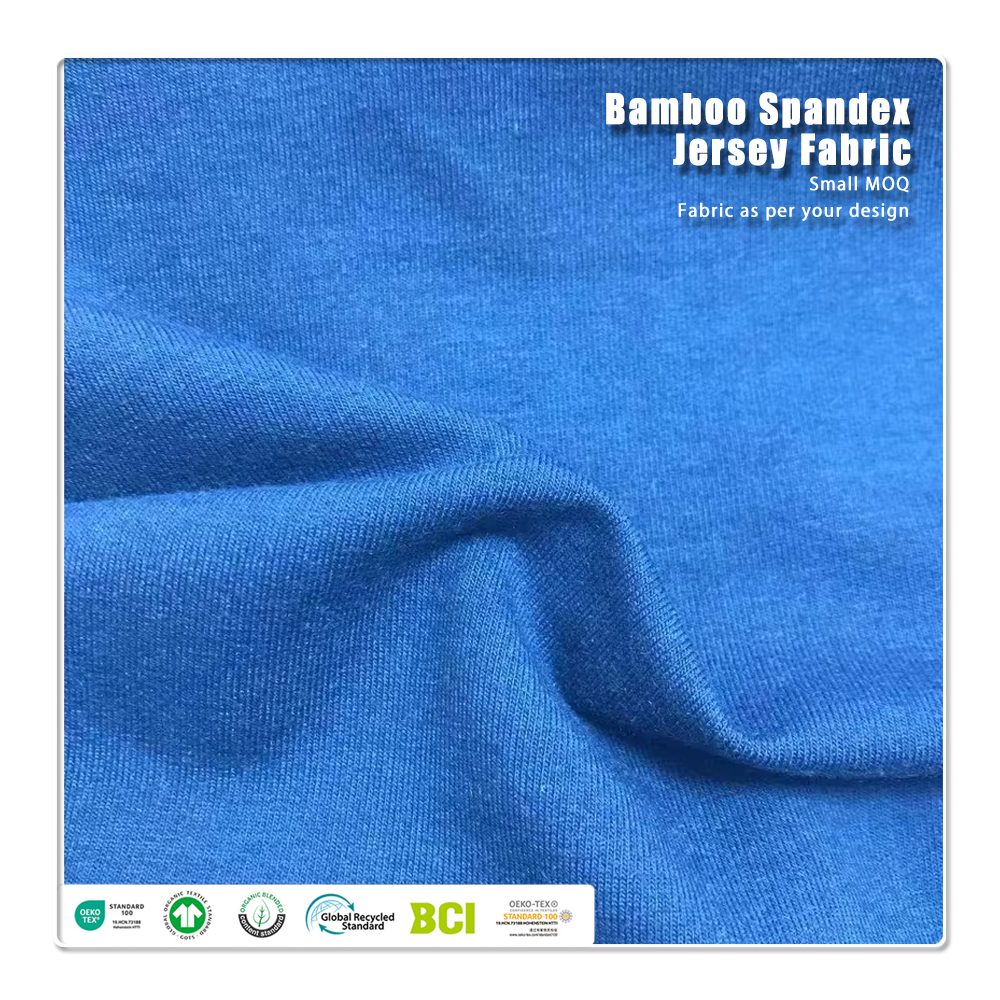
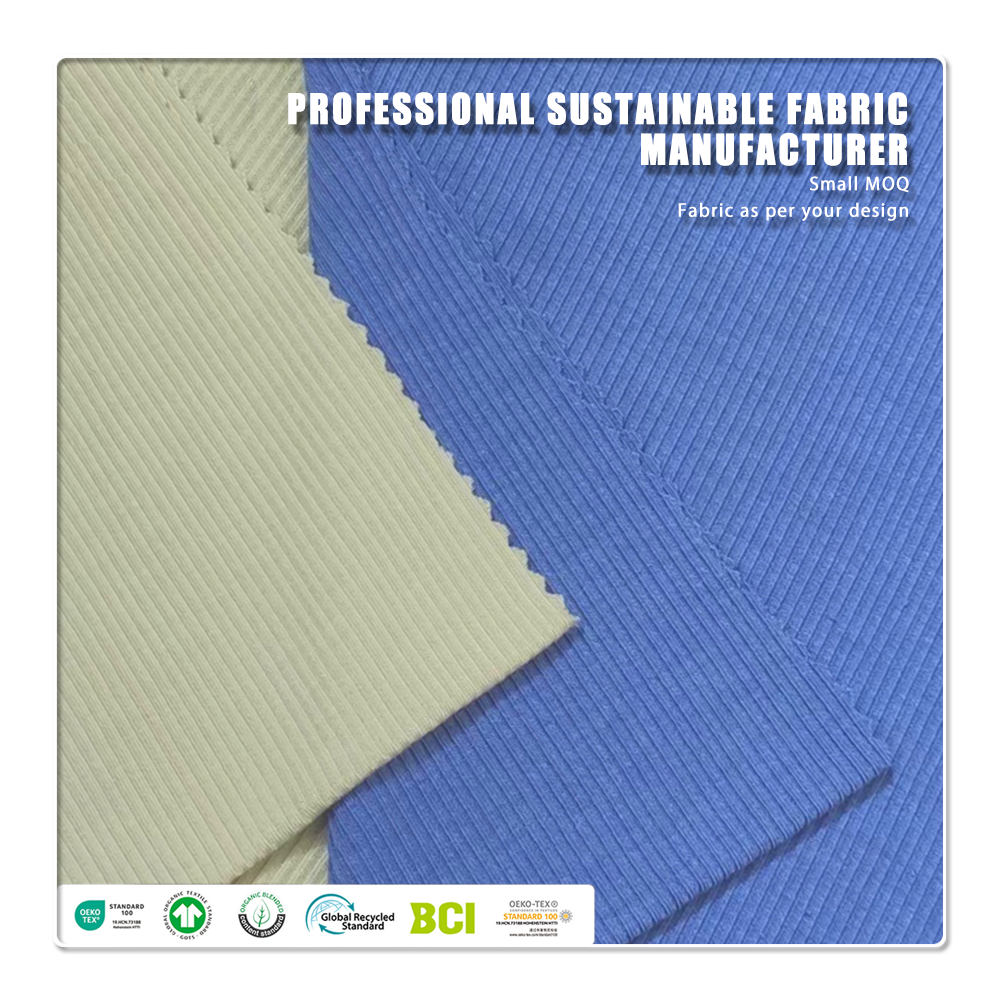
Lyocell Fabric: A Sustainable Textile Choice

Get a Free Quote

Our representative will contact you soon.
Email
Name
Mobile/WhatsApp
Company Name
Message
0/1000

Lyocell fabric sustainable

cell fabric is rapidly gaining traction as a sustainable textile choice in the manufacturing sector. Known for its eco-friendly properties, cell is produced from wood pulp, primarily sourced from sustainably managed forests. For B2B buyers like purchasing managers and product developers understanding the advantages and considerations associated with bamboo LYOCELL fabric is crucial for making informed sourcing decisions. This eco-friendly fabrics article will delve into essential factors such as evaluating product quality, cost considerations, supplier reliability, and how cell compares to other eco-friendly materials. 

Our Products

Cost Factors to Consider When Sourcing Lyocell Fabrics

Sourcing cell fabrics involves various cost factors that can affect the overall purchasing decision. First, the raw material cost can fluctuate based on market demand for wood pulp and the sustainability practices of the suppliers. Eco-friendly practices may come with a premium but are often offset by the increasing consumer demand for sustainable products. 

Second, production costs can vary based on the manufacturing capabilities of the supplier. Companies with advanced circular knitting machines and efficient production methods, like Shaoxing City Ohyeah Textile Co., Ltd., can offer competitive pricing due to reduced waste and optimized operations. 

Additionally, buyers should consider the cost of certifications, as obtaining OEKO, GOTS, OCS, and GRS certifications can add to the overall expense. However, these certifications can enhance product appeal in markets that prioritize sustainability, potentially leading to eco-friendly fabrics higher sales prices. 

Lastly, the minimum order quantity (MOQ) can impact costs. Bulk orders can reduce per-unit prices but may require upfront investment. Buyers should carefully evaluate their production needs against MOQs to optimize cost-efficiency. 
Where to Find Reliable Suppliers of Sustainable Lyocell Fabric

Identifying reliable suppliers for cell fabric necessitates thorough research and evaluation. Start by seeking manufacturers that have established certifications such as OEKO-TEX and GOTS, which assure compliance with environmental standards and ethical practices. Networking within industry trade shows and forums can also yield valuable supplier connections. Additionally, online platforms that eco-friendly fabrics specialize in textile sourcing, like Alibaba or TextileExchange, can provide listings of verified suppliers. When evaluating potential suppliers, inquire about their production capacities, lead times, and customization options. A manufacturer like Shaoxing City Ohyeah Textile Co., Ltd., with over 100 circular knitting bamboo LYOCELL machines and a monthly output of 200 tons, exemplifies the scale and capability that can meet diverse customer needs. Finally, request samples to assess the fabric's quality firsthand before making bulk purchases. This process can help ensure that the supplier consistently meets your specifications and quality standards. 

Comparing Lyocell Fabric to Other Eco-Friendly Materials

cell fabric stands out in comparison to other eco-friendly textiles, such as organic cotton, bamboo, and recycled polyester. Each material has its unique benefits and considerations. 

Organic Cotton: While organic cotton is biodegradable and free from harmful chemicals, it typically requires more water for cultivation than cell. Additionally, its production can lead to soil degradation if not managed sustainably. 

Bamboo Fabric: Bamboo is another sustainable option; however, the processing methods often involve chemicals that may not align with eco-friendly practices,  particularly if the bamboo is not sourced sustainably. cell, on the other hand, uses a more closed-loop process that recycles solvents, minimizing environmental impact. 

Recycled Polyester: This material helps reduce plastic waste but is derived from petroleum-based eco-friendly fabrics products, making it less sustainable than cell in terms of sourcing. cell's renewable basis and biodegradable properties offer a more sustainable lifecycle. 

When selecting a fabric for specific applications, consider factors like desired breath ability, moisture management, and environmental impact. cell's combination of softness, durability, and sustainability often makes it a preferred choice in sectors where both performance and eco-friendliness are prioritized. 

Understanding the Advantages of Lyocell Fabric in Manufacturing

cell fabric presents numerous advantages that can enhance manufacturing processes and product performance. Its inherent properties make it suitable for various applications, from active wear to luxury home textiles. 

Versatility:  cell can be blended with other fibers, like cotton or polyester, to enhance specific characteristics, providing manufacturers with flexibility in product design. 

Sustainability: The closed-loop production process of cell minimizes environmental impact, making it an attractive choice for brands aiming for sustainability in their product lines. 

Breath ability and Comfort: Its moisture-wicking abilities ensure comfort in various applications, particularly in eco-friendly fabrics clothing meant for physical activity. This property can lead to higher customer satisfaction and repeat sales. 

Customization: Manufacturers can easily dye and finish bamboo LYOCELL fabric, allowing for a wide range of colors and textures. Customization capabilities can cater to specific market demands and customer preferences. 

understanding the quality, cost considerations, supplier reliability, and advantages of cell fabric will empower B2B buyers to make informed sourcing decisions. By focusing on these aspects, companies can not only enhance their product offerings but also align with the growing consumer preference for sustainable textiles. 

How to Evaluate the Quality of Lyocell Fabric Products

When assessing the quality of cell fabric, several key specifications should be scrutinized. Buyers should focus on the fabric's tensile strength, softness, and moisture-wicking properties. 

Tensile Strength: This indicates how much force the fabric can withstand before breaking. A higher tensile strength contributes to the durability of the finished product,  reducing the likelihood of tearing or wearing out during use. 

Softness: cell is often praised for its luxurious feel. Quality tests should confirm that the eco-friendly fabrics fabric meets expected softness levels, which are essential for applications in high-end garments or home textiles. 

Moisture-Wicking Properties: cell has natural moisture management capabilities, making it suitable for active wear. Evaluating how well the fabric absorbs and releases moisture can significantly impact user comfort. 

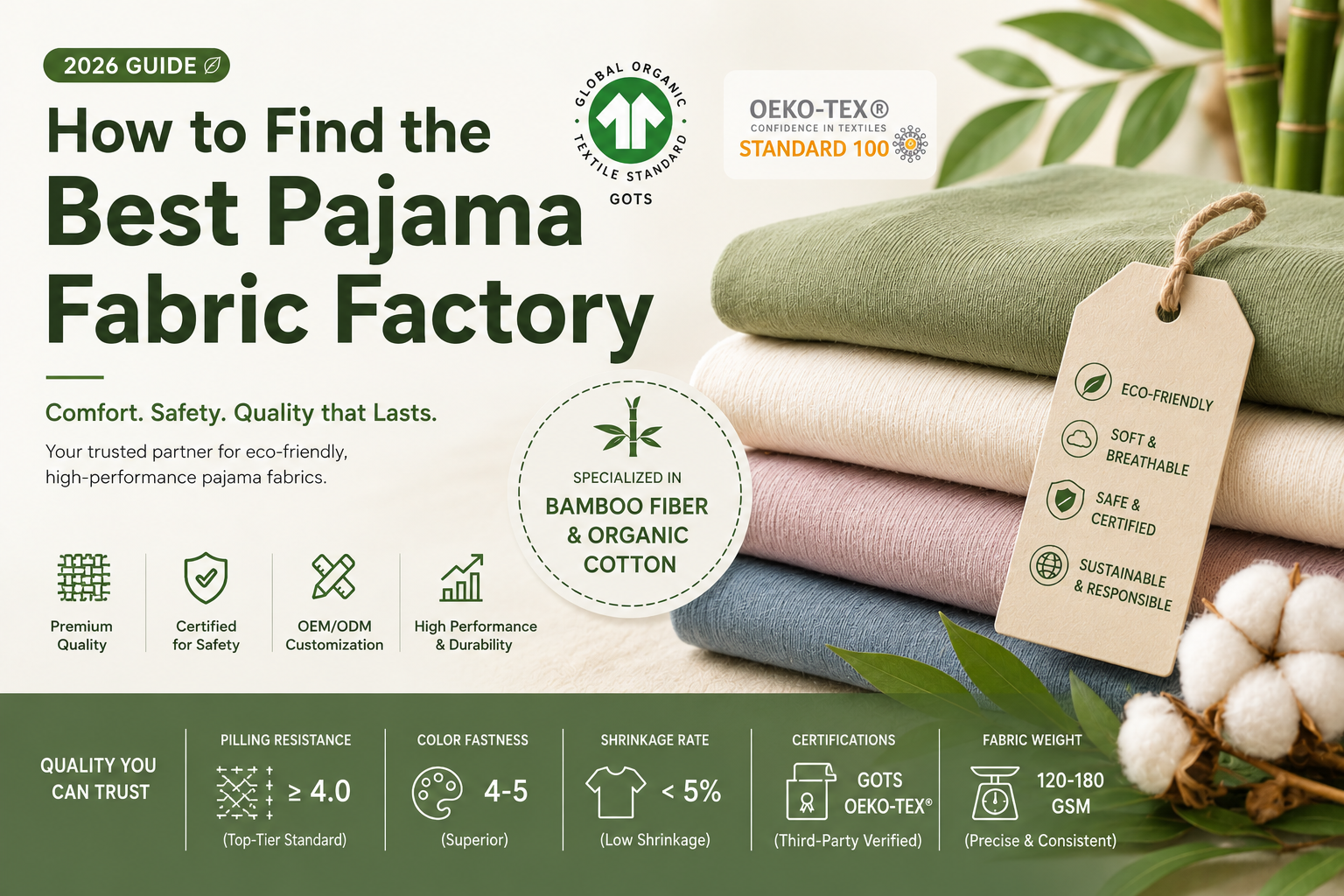
Furthermore, it is essential to ensure that the fabric meets relevant certifications, such as OEKO-TEX and GOTS, which indicate compliance with environmental and safety standards. Quality control processes during manufacturing should also be assessed to guarantee consistency in color fastness (level 4-5) and shrinkage rates (below 5%), which are critical for maintaining product integrity. 

Our Blog Posts

Top Pajama Fabric Factory Recommendation Guide 2026: Sourcing the Best Materials

08

May

Top Pajama Fabric Factory Recommendation Guide 2026: Sourcing the Best Materials

Executive Summary: How to Find the Best Pajama Fabric Factory Finding a top pajama fabric factory means looking for more than just a low price. The best factories focus on three things: comfort, safety, and quality that lasts. According to the latest...
View More
What Makes Tencel Lyocell a Preferred Choice for Sustainable Apparel

29

May

What Makes Tencel Lyocell a Preferred Choice for Sustainable Apparel

Sustainability has now moved out of the niche and into an expectation among ethical consumers and forward-thinking brands. Among the many eco-friendly fibers currently available, Tencel Lyocell has emerged as a clear front-runner. Here at S...
View More
Why Tencel Modal Is Popular Among Premium Clothing Brands

29

May

Why Tencel Modal Is Popular Among Premium Clothing Brands

The secret to many premium brands lies in offering something truly exceptional. From an exquisite hand feel to an incredible drape or an environmentally responsible story to tell, every nuance matters. Tencel Modal has long been a favored fiber among...
View More

Get a Free Quote

Our representative will contact you soon.
Email
Name
Mobile/WhatsApp
Company Name
Message
0/1000

Get a Free Quote

Our representative will contact you soon.
Email
Name
Mobile/WhatsApp
Company Name
Message
0/1000