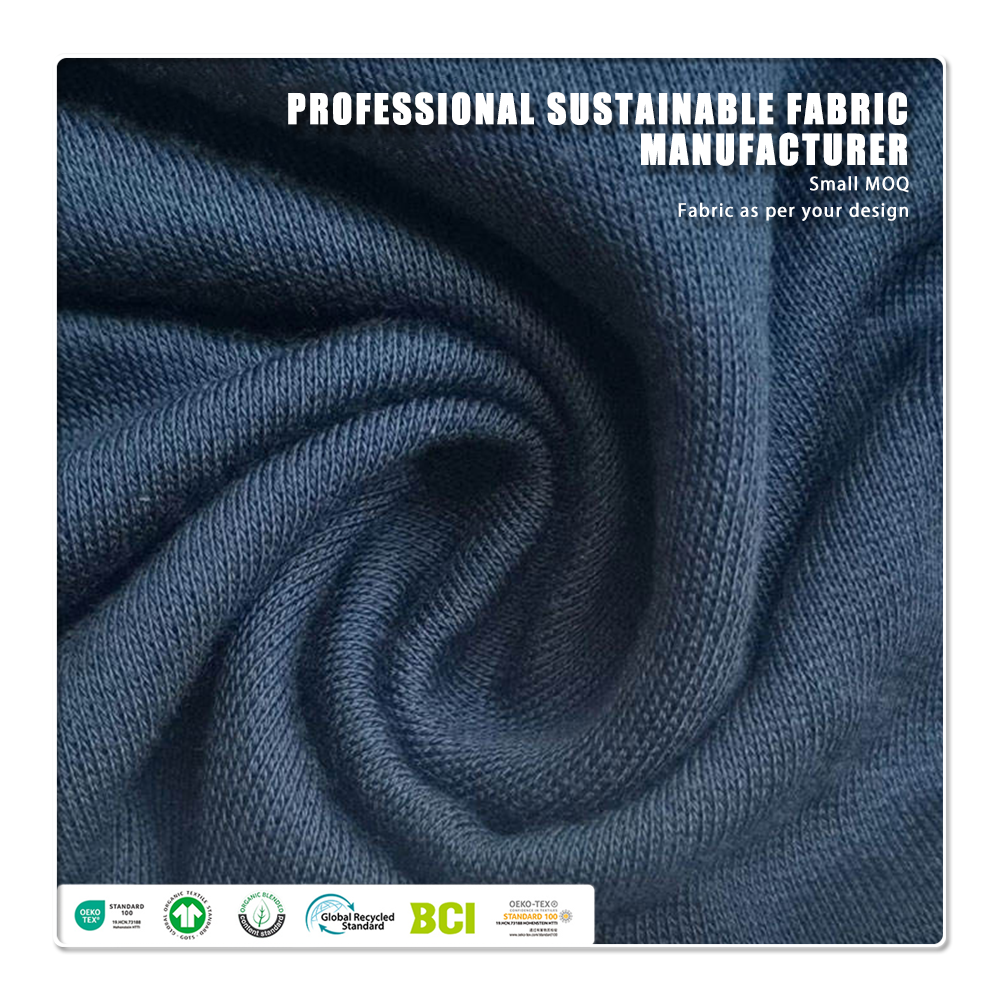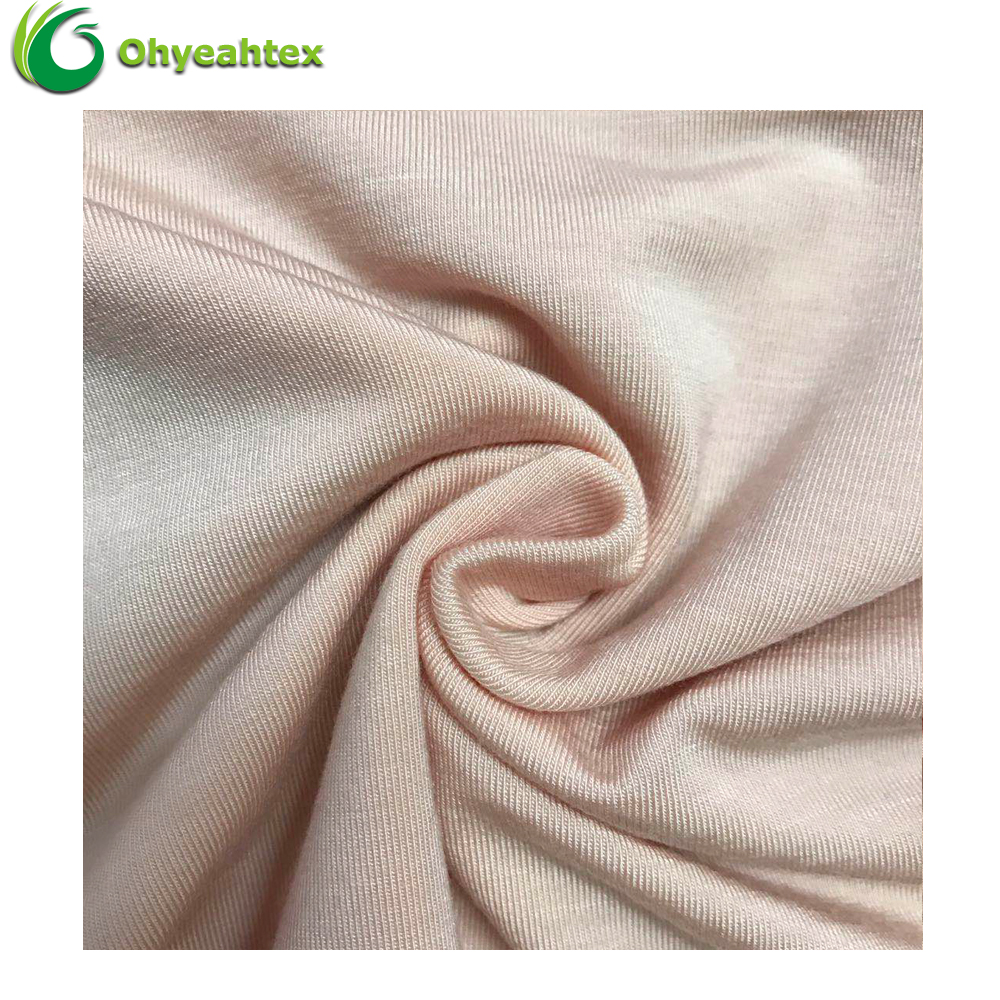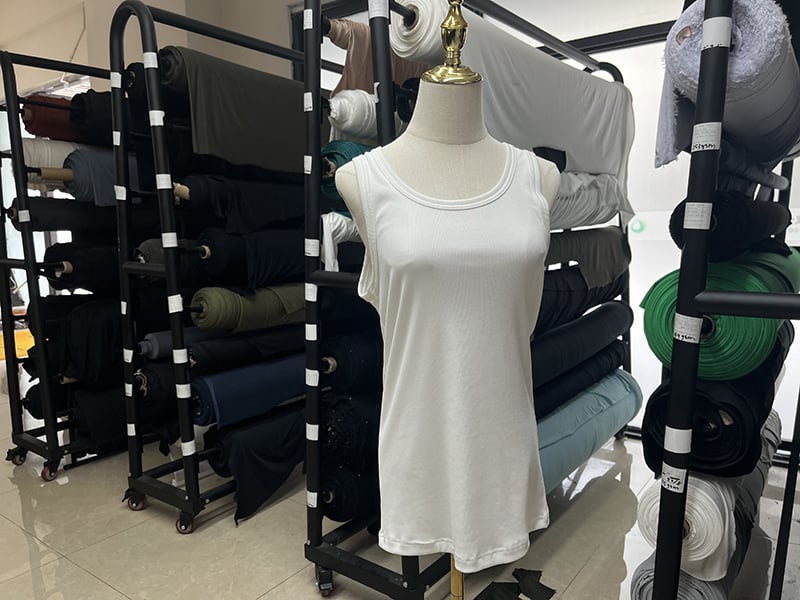
Choosing the Right Modal Material Fabric

Get a Free Quote

Our representative will contact you soon.
Email
Name
Mobile/WhatsApp
Company Name
Message
0/1000

modal material fabric

Modal material fabric is a popular choice in the textile industry due to its softness, breathability, and eco-friendly properties. As a B2B buyer, understanding the specifications, advantages, and potential challenges of modal fabric is crucial for making informed procurement decisions. This article aims to provide insights into choosing the right modal material fabric for your projects, finding reliable suppliers, and understanding the technical specifications and advantages of this versatile textile.

Reliable Suppliers for Modal Fabric Needs

Finding a trustworthy supplier is essential for maintaining quality and consistency in your modal fabric procurement. Look for manufacturers with a proven track record in the textile industry, as well as certifications that demonstrate their commitment to quality and sustainability.

At Shaoxing City Ohyeah Textile Co., Ltd., we leverage over 100 circular knitting machines and a dedicated quality control team to ensure that our modal fabrics meet the highest standards. Before entering a supplier agreement, request samples to evaluate fabric quality, color fastness (ideally level 4-5), and shrinkage (below 5%). This initial assessment can help you avoid potential issues in later stages of production.
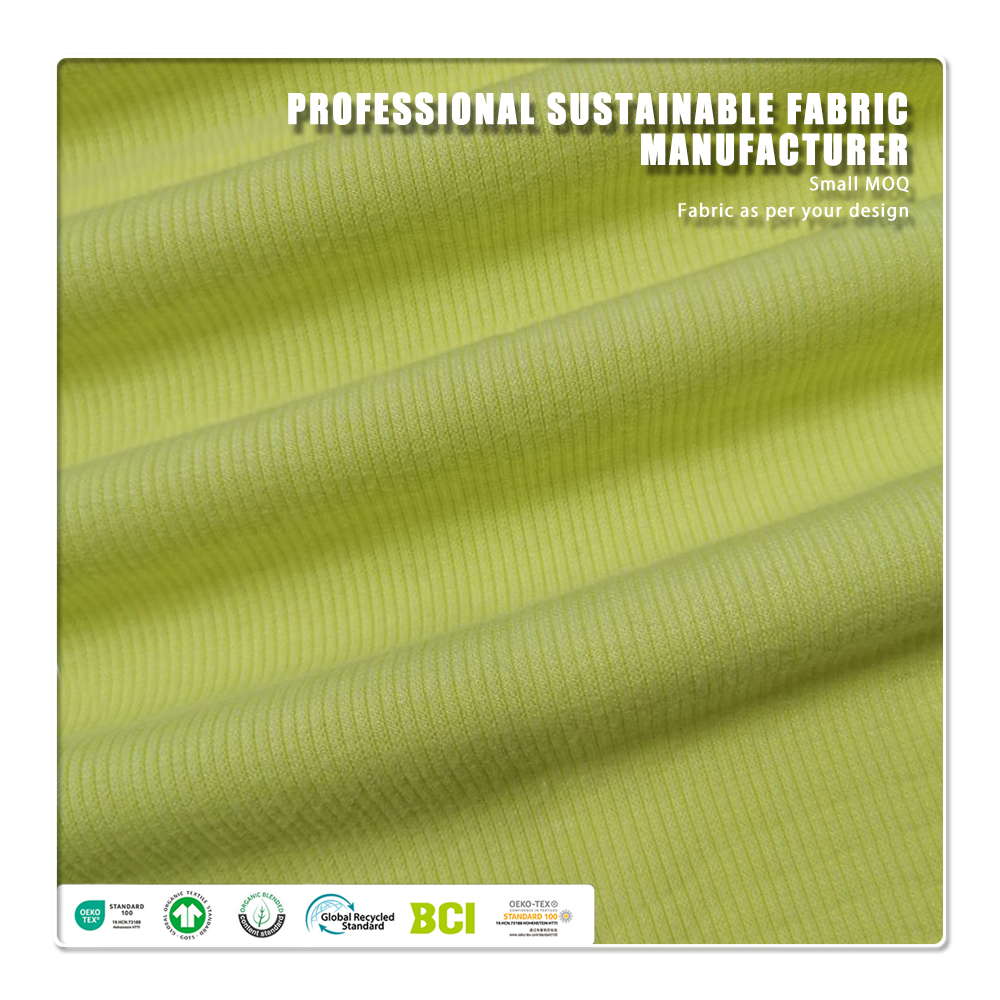
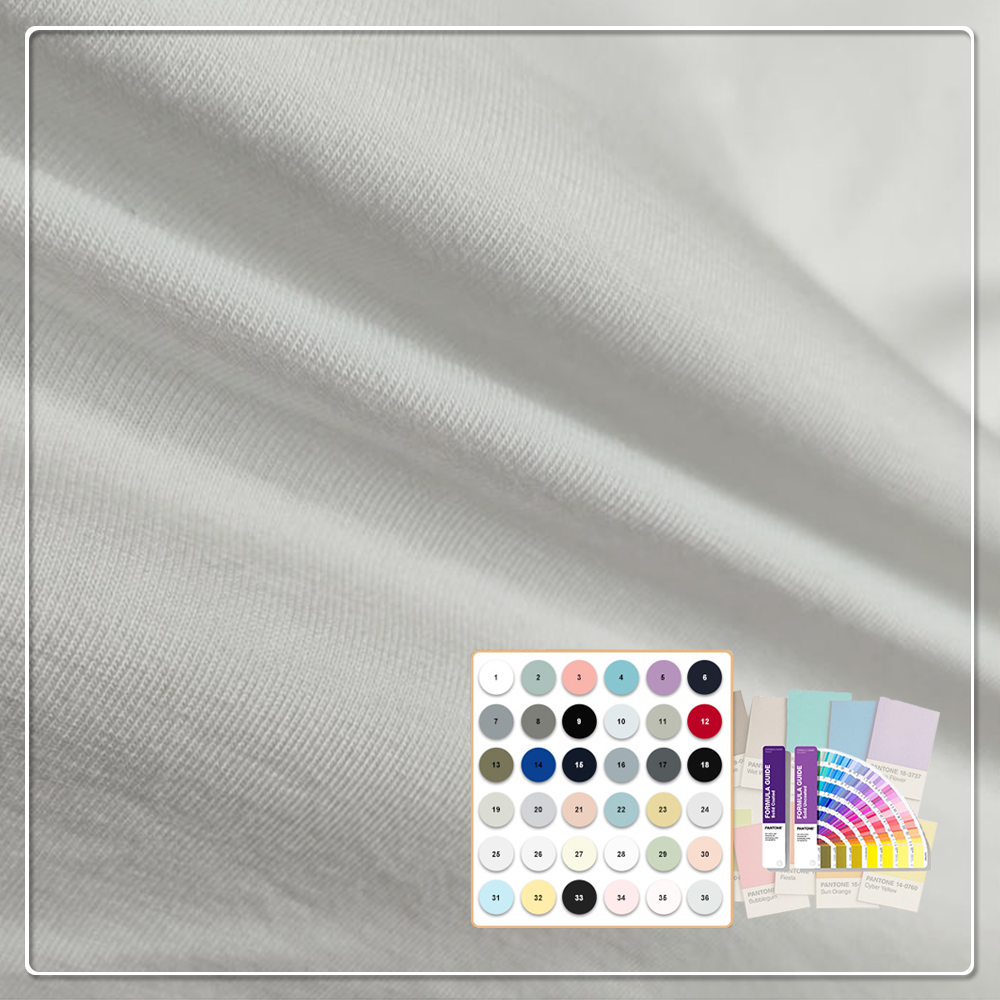
Understanding the Specifications of Modal Material Fabrics

Modal fabrics are characterized by specific technical specifications that influence their performance. Key specifications to consider include:

Weight: Measured in grams per square meter (GSM), the weight affects the fabric's drape and durability. Lighter fabrics (around 150-200 GSM) are often used for casual wear, while heavier fabrics (over 200 GSM) are favored for items requiring more structure.

Thickness: The thickness of modal can affect breathability and warmth. Thicker fabrics retain heat better, making them suitable for colder climates.

Color Fastness: This specification indicates how well the fabric retains its color after washing and exposure to light. Aim for fabrics with a color fastness rating of 4-5 to ensure longevity.

Shrinkage Rate: A shrinkage rate below 5% is desirable, ensuring that your finished products maintain their shape and fit after washing.

Understanding these specifications allows you to select the right modal fabric for your specific applications, ensuring optimal performance and customer satisfaction.

Comparing the Advantages of Modal Fabric Over Other Materials

Modal fabric offers several advantages over traditional materials, making it a preferred choice for many applications. Key benefits include:

Softness and Comfort: Modal is known for its luxurious handfeel, making it suitable for garments worn against the skin. This softness can enhance the consumer experience, particularly in intimate apparel and loungewear.

Breathability: Modal fibers are highly breathable, allowing moisture to escape and keeping the wearer comfortable. This property makes modal an excellent choice for activewear and summer clothing.

Eco-Friendliness: As a biodegradable material derived from renewable resources, modal fabric has a lower environmental impact compared to synthetic alternatives. This sustainability aspect is increasingly important to consumers and can enhance your brand's appeal.

Durability: Modal fabrics resist fading and maintain their shape over time, reducing the need for frequent replacements. This durability translates into better value for both manufacturers and consumers.

When comparing modal to other fabrics, these advantages can significantly influence purchasing decisions, especially in industries focusing on quality and sustainability.

Common Problems with Modal Fabrics and Their Solutions

While modal fabrics offer numerous benefits, they can also present challenges. Understanding these issues and their solutions can help you navigate potential procurement pitfalls:

Pilling: Modal can be prone to pilling, especially in areas of high friction. To mitigate this, select higher-quality modal fabrics and ensure proper care instructions are provided to end-users.

Color Bleeding: Some modal fabrics may experience color bleeding during washing. To address this, conduct pre-production wash tests on samples and ensure suppliers use high-quality dyes.

Wrinkling: While modal is generally less wrinkled than cotton, it can still crease if not stored properly. Recommend that customers follow care instructions, such as avoiding excessive folding and using appropriate hangers.

By being proactive about these common issues, you can enhance customer satisfaction and reduce returns related to modal fabric products. Engaging with experienced suppliers, like Shaoxing City Ohyeah Textile Co., Ltd., who understand these challenges will further streamline your procurement process.

In summary, modal material fabric is a versatile and eco-friendly option for various applications. By understanding how to select the right fabric, identify reliable suppliers, and navigate the specifications and potential issues, you can enhance your purchasing decisions and ensure the success of your projects.

Choosing the Right Modal Material Fabric for Your Projects

When selecting modal material fabric, consider the intended application and performance requirements. Modal fabrics are ideal for clothing, home textiles, and various industrial applications due to their excellent drape and moisture-wicking properties. Evaluate the fabric's weight, thickness, and finish to ensure it meets your project's needs. For instance, a heavier modal fabric may be suitable for winter garments, while lighter options are preferable for summer wear.

Additionally, consider sustainability aspects. Modal is often produced from beech tree pulp, making it an eco-friendly alternative to synthetic fibers. Select suppliers, like Shaoxing City Ohyeah Textile Co., Ltd., who prioritize sustainable practices and have relevant certifications, such as OEKO-TEX and GOTS, to ensure compliance with environmental standards.

Our Blog Posts

Tencel Modal Fabric Makes Premium Home Textiles Feel Even Better

13

Oct

Tencel Modal Fabric Makes Premium Home Textiles Feel Even Better

Comfort and luxury haven't stopped at clothes; these values have also found their way into the areas where we relax and sleep. These include the various items found in the home textile space, from bedding and towels to upholstery and covers, and more...
View More
The Rising Popularity of Modal Tencel Material in Global Apparel

13

Oct

The Rising Popularity of Modal Tencel Material in Global Apparel

A remarkable transformation is underway across the global apparel and fashion industry. The rise of comfort and proven sustainability is catching on with fashion designers, buyers and consumers, all across the planet. Driving the wave of sustainable,...
View More
What B2B Buyers Need to Know About Tencel Modal’s Color Retention

13

Oct

What B2B Buyers Need to Know About Tencel Modal’s Color Retention

Color is not just a form of beauty to the B2B buyers in the textile industry, but it is also a brand name. The fact that a garment loses its color or becomes dull after a couple of washings not only damages the product but also the confidence of the ...
View More
Why Tencel Lyocell Fabric Delivers Long Lasting Fabric Performance

13

Oct

Why Tencel Lyocell Fabric Delivers Long Lasting Fabric Performance

Tencel lyocell is an eco-friendly fabric that has become a staple in sustainable fashion. As a leading supplier of eco-friendly knitted fabrics in China, Ohyeah Textile has worked with Tencel lyocell for years—and we've learned that it consiste...
View More

Get a Free Quote

Our representative will contact you soon.
Email
Name
Mobile/WhatsApp
Company Name
Message
0/1000

Related product categories

Get a Free Quote

Our representative will contact you soon.
Email
Name
Mobile/WhatsApp
Company Name
Message
0/1000