Understanding Organic Cotton Fabric Prices

Get a Free Quote

Our representative will contact you soon.
Email
Name
Mobile/WhatsApp
Company Name
Message
0/1000

Organic cotton fabric price

Organic cotton fabric is an increasingly popular choice among manufacturers and consumers alike, primarily due to its sustainable and eco-friendly attributes. As a B2B buyer, understanding the factors influencing organic cotton fabric prices is essential for making informed purchasing decisions. This article will guide you through various aspects that affect the pricing, quality, and sourcing of organic cotton fabric, helping you evaluate reliable suppliers of organic cotton fabric effectively and ensure you get the best value for your investment.

Why Buy Organic Cotton Fabric Wholesale

Purchasing organic cotton fabric wholesale offers numerous benefits of choosing organic cotton fabric for businesses looking to optimize costs and ensure product availability. Buying in bulk typically results in lower per-unit prices, allowing companies to maximize their margins. This is particularly advantageous for manufacturers and retailers planning to offer sustainable products, as it enables them to provide competitive pricing while adhering to eco-friendly practices. 

Moreover, sourcing wholesale organic cotton fabrics can lead to more consistent supply and improved lead times. Established suppliers often have the capacity to fulfill larger orders promptly, reducing the risk of stock shortages. This reliability is crucial for businesses that require a steady flow of materials for production, especially in industries where demand can fluctuate significantly. 
Understanding the Cost Factors of Organic Cotton Fabric

The price of organic cotton fabric is influenced by several key factors: 

Material Quality: Higher quality organic cotton typically commands higher prices. Fabrics with better fiber length and strength can enhance durability and performance, which are critical for many applications. 

Production Processes: The manufacturing methods used can also impact costs. For instance, 100 organic cotton material produced using sustainable practices may incur higher operational costs, which can be reflected in the final price. 

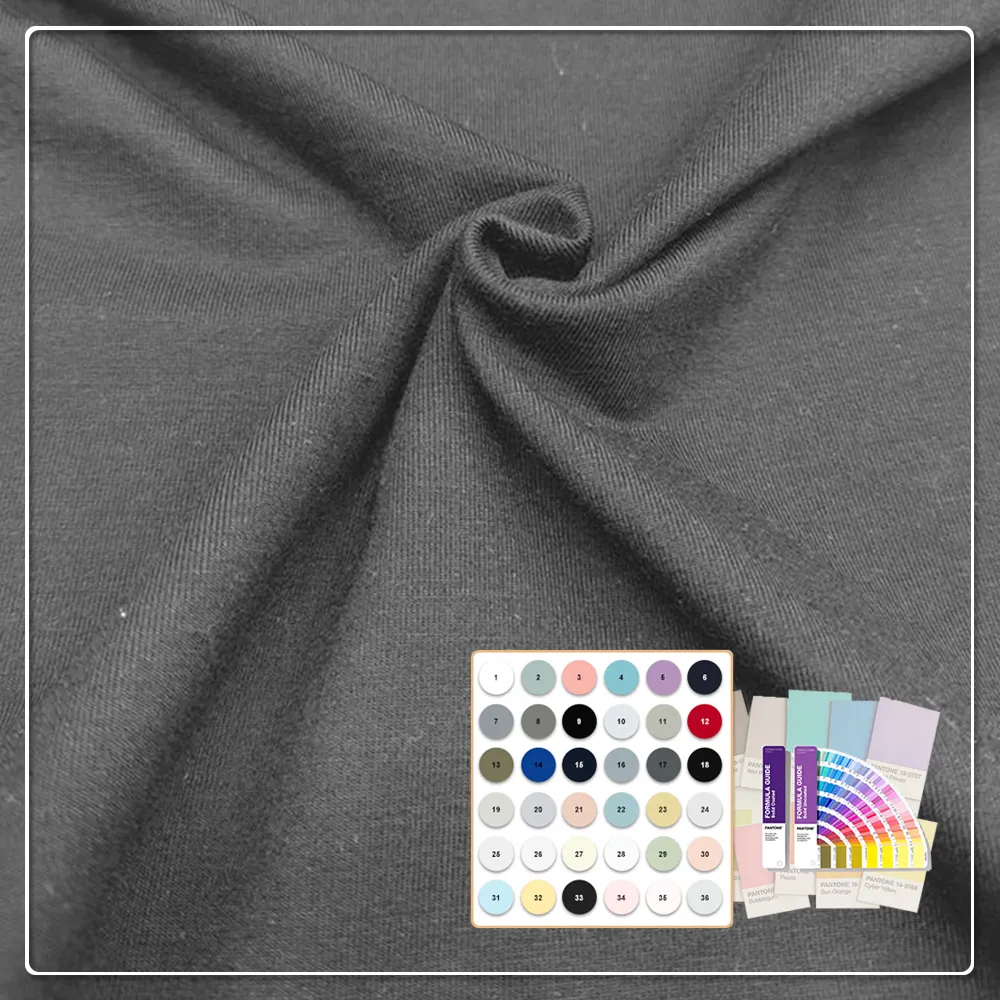
Customization: Custom colors, designs, or specific fabric properties can increase costs. Buyers should communicate their requirements clearly to suppliers to receive accurate pricing. 

Market Demand: Fluctuations in demand for organic cotton can affect pricing. For instance, increased awareness of sustainable textiles can lead to higher prices as more buyers enter the market. 

Geographical Factors: The location of the supplier can also play a role in pricing due to shipping costs and import tariffs if applicable. Sourcing from local manufacturers may reduce shipping costs and lead times. 

Understanding these factors will empower buyers to negotiate better terms and ensure they are getting fair pricing for their organic cotton fabrics. 

What Makes Organic Cotton Fabrics Reliable?

Reliability in organic cotton fabrics stems from several quality-related aspects. First and foremost, certifications play a critical role. Fabrics certified by GOTS and OCS (Organic Content Standard) ensure that the cotton is organically grown and processed without harmful chemicals. This not only impacts the overall quality but also aligns with consumer demand for sustainable products. 

Another reliability factor is the manufacturing precision. For example, Shaoxing City Ohyeah Textile Co., Ltd. maintains rigorous quality control standards, ensuring that their fabrics meet specific performance metrics such as a color fastness of level 4-5 and shrinkage below 5%. These specifications are critical for end-users who need consistent and predictable fabric performance. 

Additionally, the durability of organic cotton fabrics can be enhanced through proper knitting techniques and finishing processes. Fabrics that undergo stringent testing for strength and wear resistance are more likely to meet the demands of various applications, thus enhancing their reliability. 

Where to Find Trusted Suppliers of Organic Cotton Fabrics

Finding reliable suppliers of organic cotton fabrics can be accomplished through several channels. Trade shows and industry exhibitions often showcase manufacturers with certifications and a track record in sustainable textiles. These events provide an excellent opportunity to meet suppliers face-to-face, assess their offerings, and discuss your specific requirements. 

Online B2B marketplaces also serve as a valuable resource. Websites allow buyers to filter suppliers based on certifications, manufacturing capabilities, and customer reviews. 

Networking within industry associations focused on sustainable textiles can also lead to recommendations for reputable suppliers. Engaging in discussions with peers in your industry can provide insights into which suppliers have proven their reliability and quality. 

Lastly, conducting thorough due diligence is essential. Requesting samples from potential suppliers allows you to assess the fabric quality firsthand and gauge whether it meets your specifications before making a significant commitment. 

By following these strategies, buyers can ensure they partner with trusted suppliers who align with their sustainability goals and quality requirements.  

How to Choose the Right Supplier for Organic Cotton Fabrics

Selecting the right supplier for organic cotton fabrics involves evaluating multiple factors to ensure reliability and quality. Key considerations include the supplier’s certifications, such as GOTS (Global Organic Textile Standard) and OEKO-TEX, which ensure that the 100 organic cotton are produced sustainably and free from harmful substances. 

Additionally, assess the supplier’s manufacturing capabilities, including the types of knitting machines they use and their production capacity. For instance, a supplier like Shaoxing City Ohyeah Textile Co., Ltd., with over 100 circular knitting machines and a monthly output of 200 tons, demonstrates substantial production capabilities that can meet large-scale orders. 

Quality control processes are another critical aspect. A supplier with a dedicated team for quality inspection can help ensure that the fabrics meet the required specifications, such as color fastness and shrinkage rates. Finally, consider the supplier’s experience in your specific industry and their ability to customize products according to your needs. 

Our Blog Posts

How long does bamboo fabric last

04

Feb

How long does bamboo fabric last

One thing I know is the news about bamboo fabric is that in the sustainable clothing industry, it is renowned as a calming fabric due to its fluffy feel, breathability, and greenery. One of the most realistic questions that are frequently posed by de...
View More
How Tencel Lyocell Supports Moisture Control in Textile Applications

29

May

How Tencel Lyocell Supports Moisture Control in Textile Applications

Moisture management is the most important performance property for textiles today. Sweaty, clingy textiles will leave the wearer cold, irritated, or susceptible to skin ailments. The wearers of moisture management fabrics will remain dry and com...
View More
What Apparel Manufacturers Expect from Tencel Modal Fabrics

29

May

What Apparel Manufacturers Expect from Tencel Modal Fabrics

Apparel manufacturers act as the bridge between the fiber producers and the consumer brands. Their expectations are tangible, measurable, and very demanding. For Tencel Modal fabrics, what matters to the manufacturer are its performance characteristi...
View More
Why Tencel Modal Helps Maintain Fabric Shape After Repeated Washing

29

May

Why Tencel Modal Helps Maintain Fabric Shape After Repeated Washing

If you've ever owned clothing you loved and then noticed that it just doesn't fit right anymore,necklines stretching,cuffs looking limp,or pants becoming baggy,you know how frustrating this can be. To brands,it translates to returns,poor reviews...
View More

Get a Free Quote

Our representative will contact you soon.
Email
Name
Mobile/WhatsApp
Company Name
Message
0/1000

Get a Free Quote

Our representative will contact you soon.
Email
Name
Mobile/WhatsApp
Company Name
Message
0/1000