EN
Organic cotton manufacturers play a crucial role in providing eco-friendly textiles that meet the growing demand for sustainable products in various industries. As purchasing managers, product managers, and engineers increasingly prioritize environmentally friendly materials, understanding the advantages and applications of benefits of organic cotton manufacturers becomes essential. This article will delve into the benefits of organic cotton, important purchasing considerations, ideal business uses, comparisons with other materials, and effective wholesale purchasing strategies. This article will help you to understand the product more, so keep on reading it all.
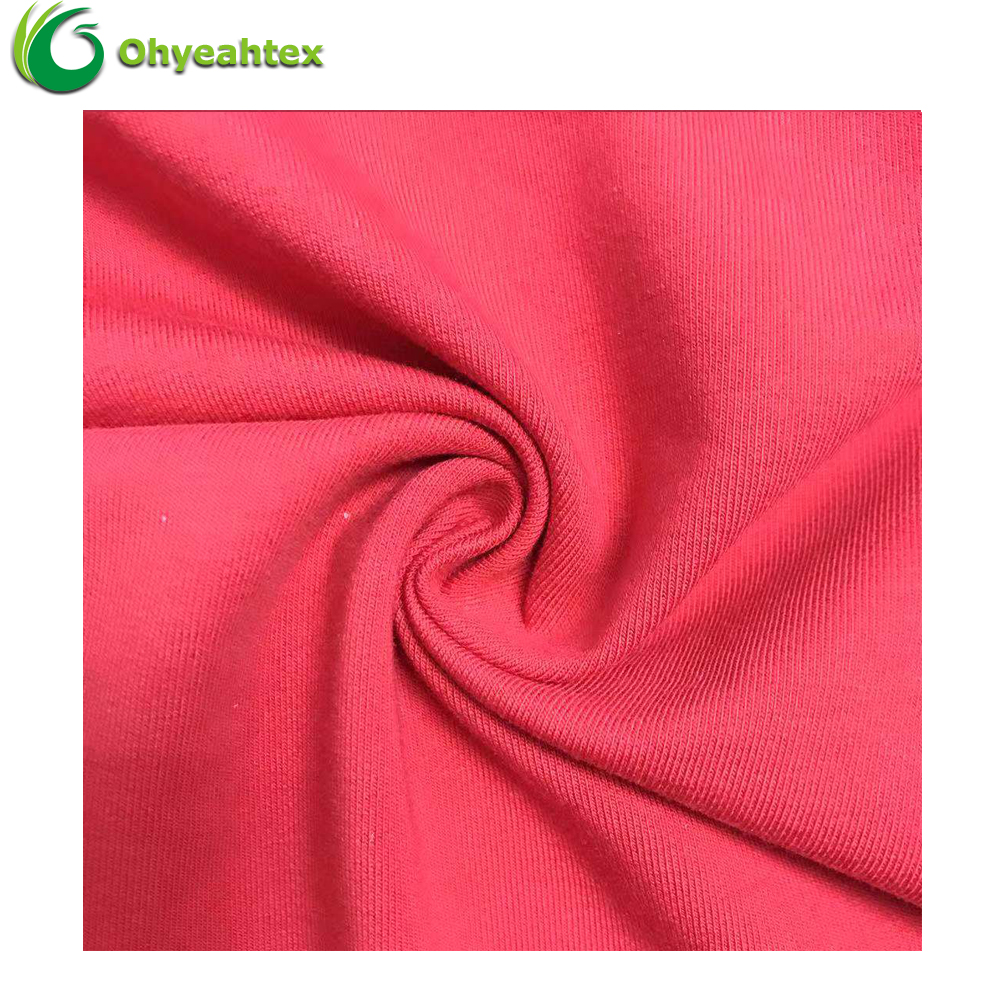
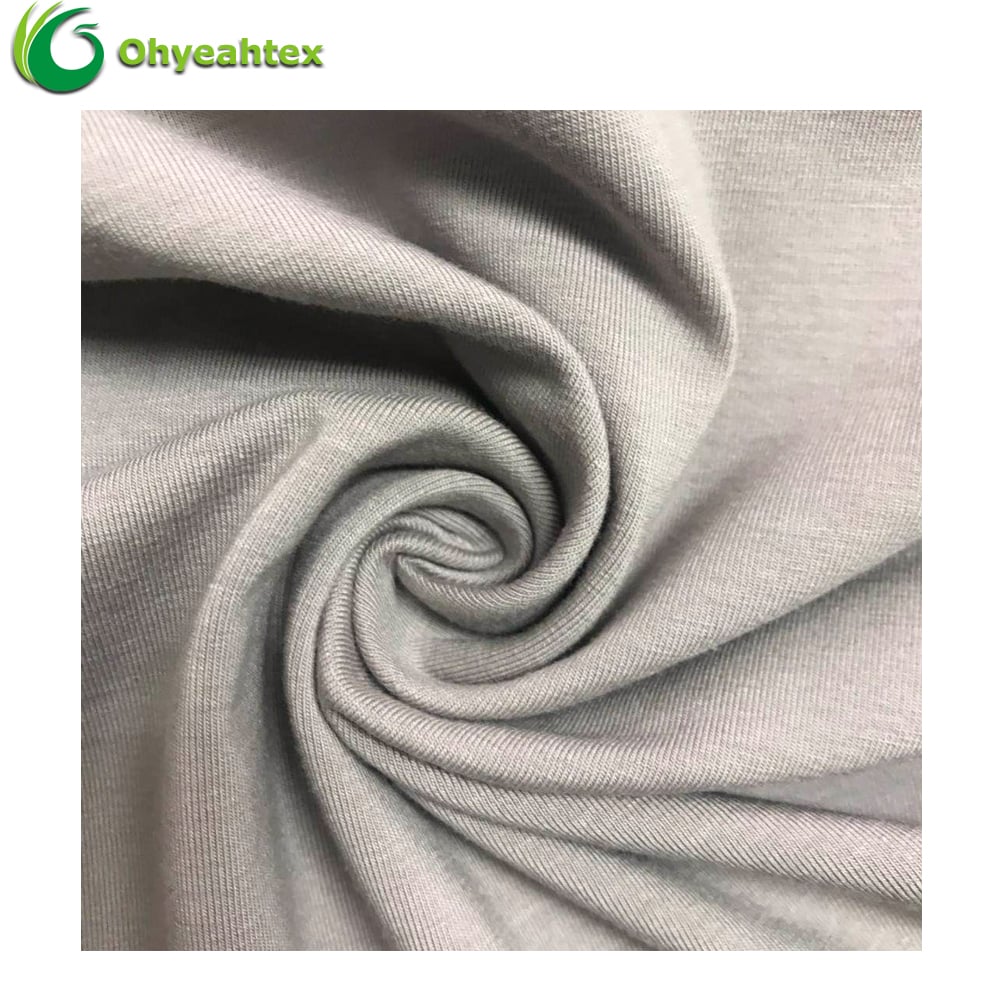
What Buyers Need to Know
When sourcing organic cotton, buyers should consider several factors to ensure they select the right supplier and product for their needs:
Material Specifications: Understand the specific fabric type, weight, and weave required for your application. For example, lighter weaves may be suitable for apparel, while heavier options could be better for home textiles.
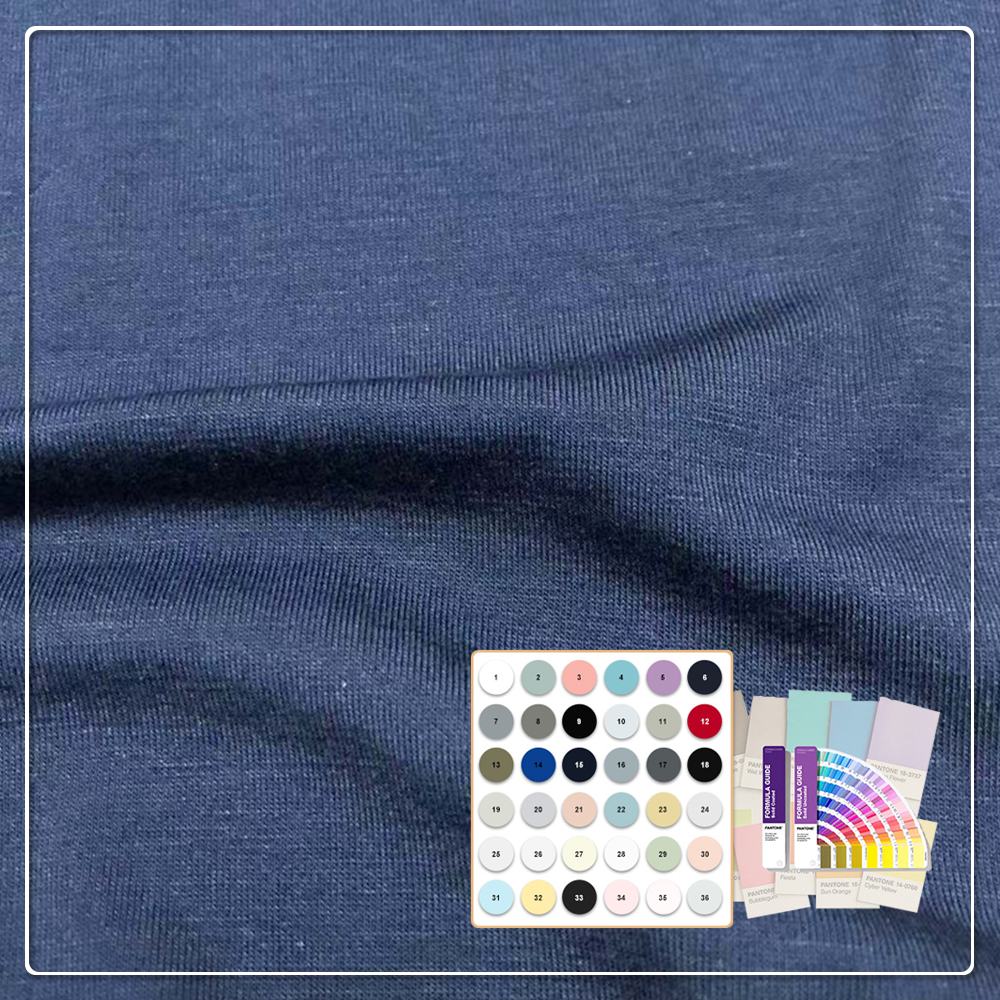
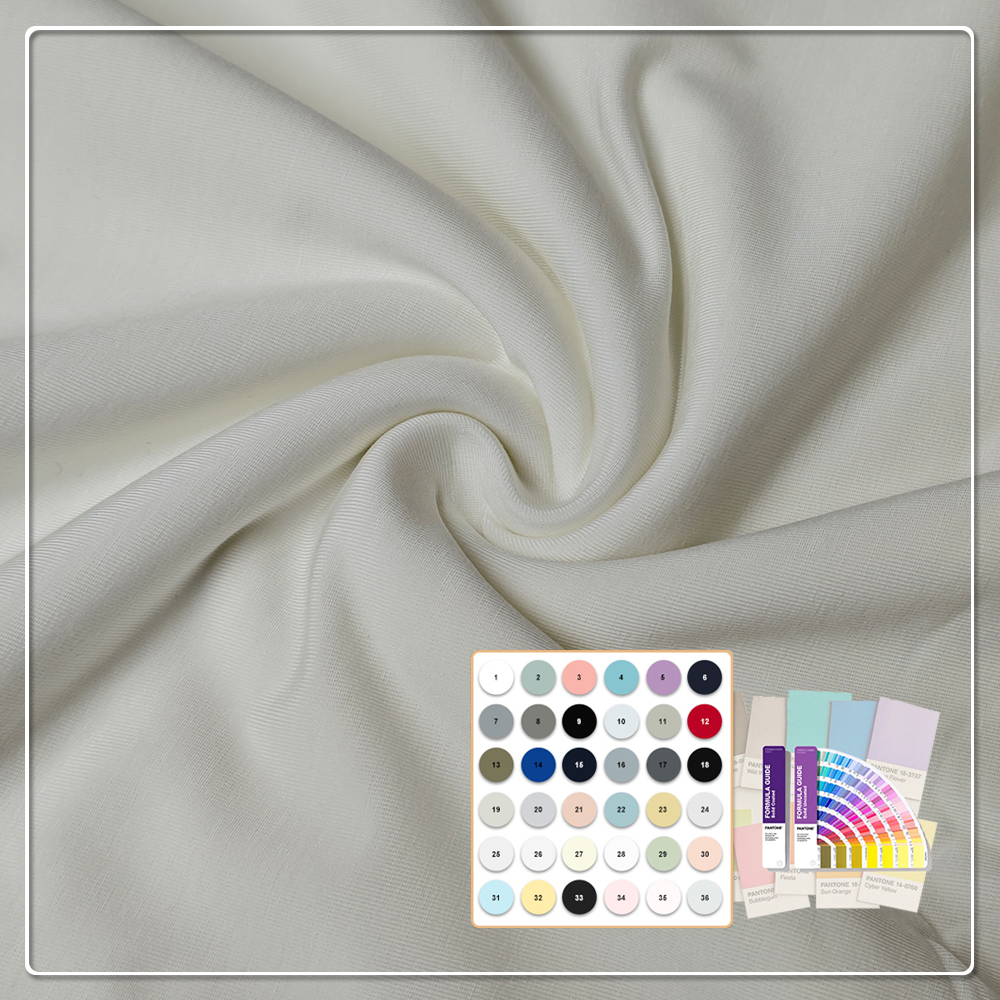
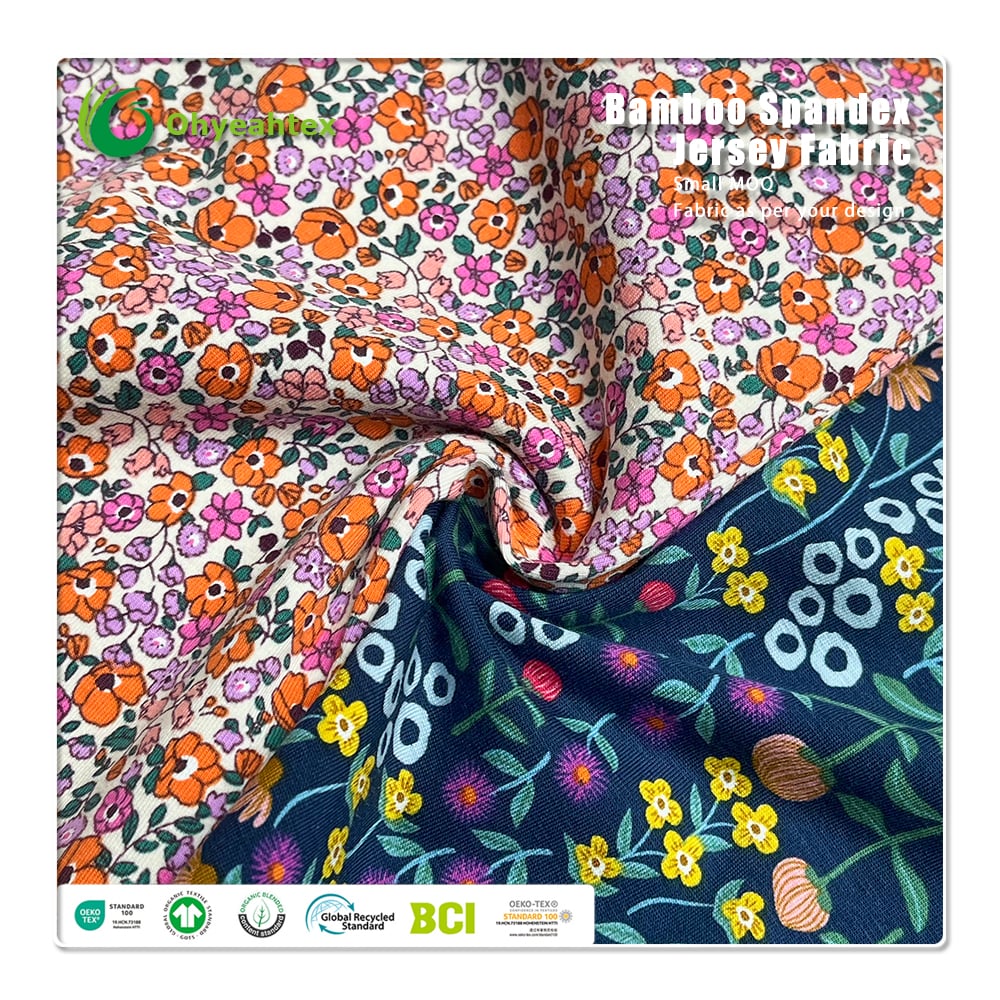
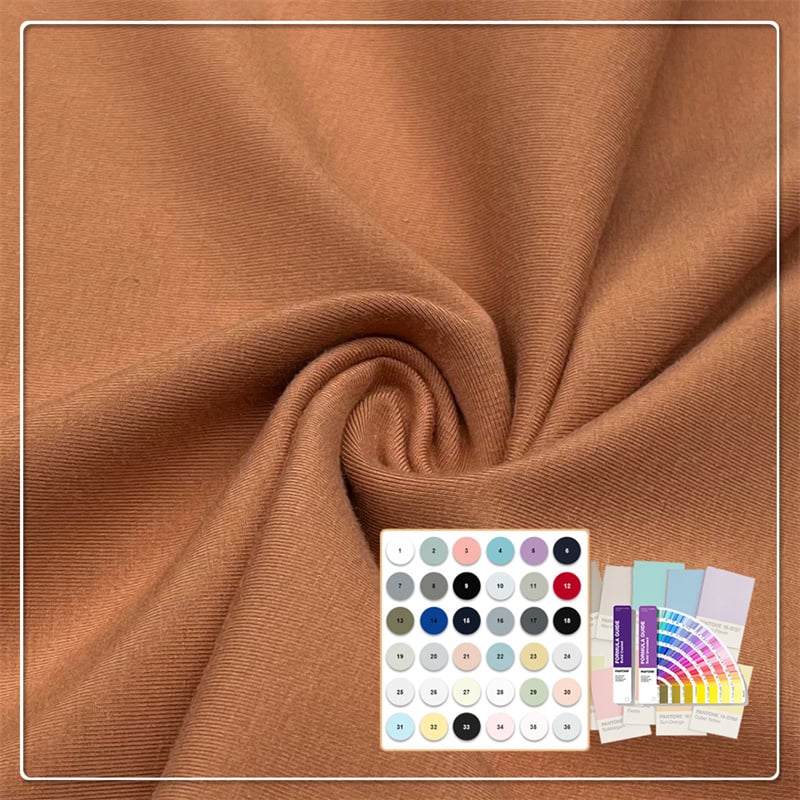
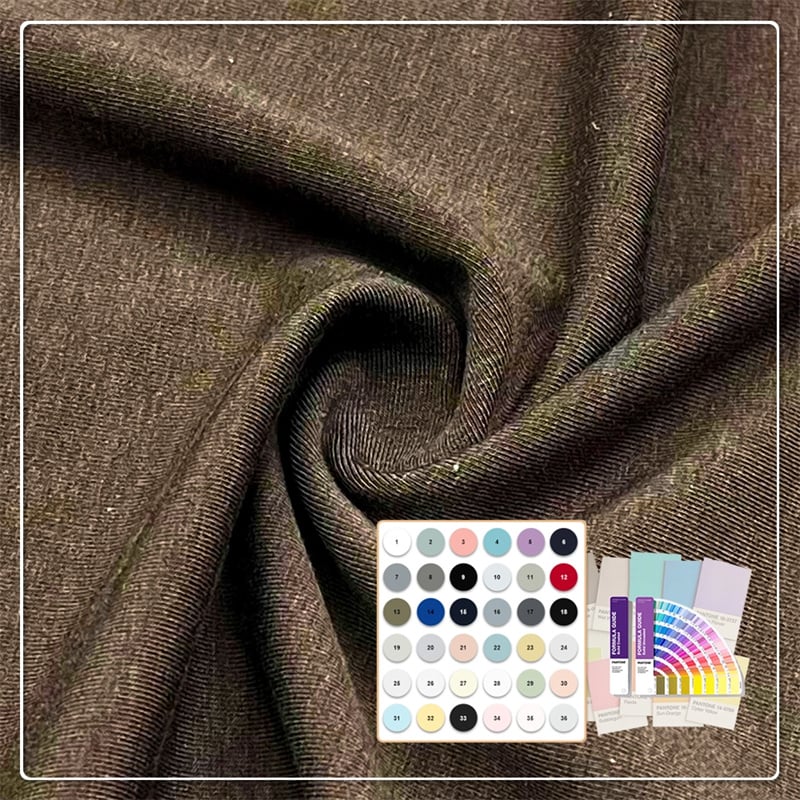
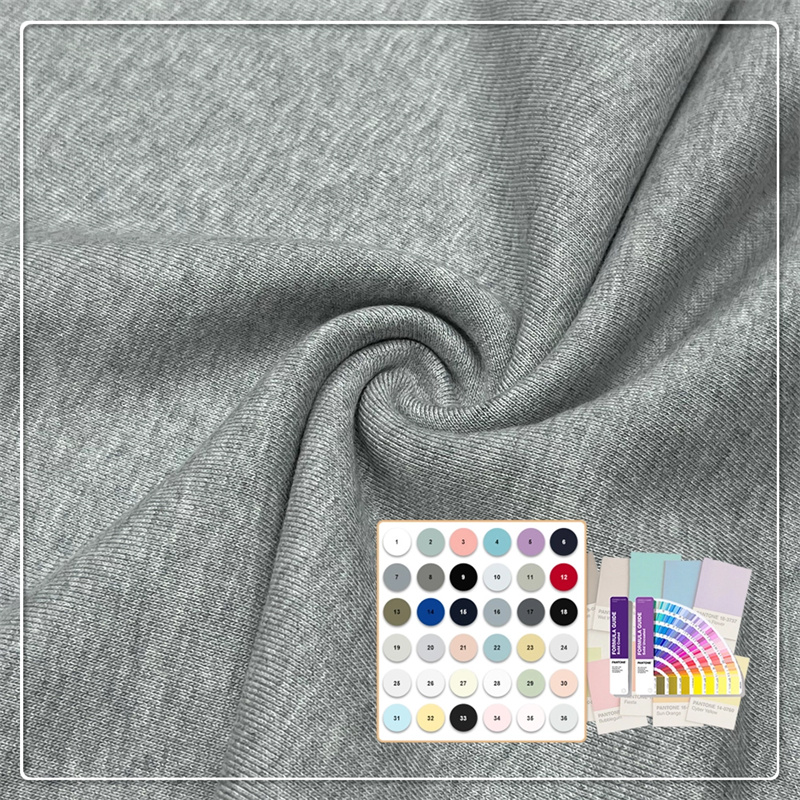
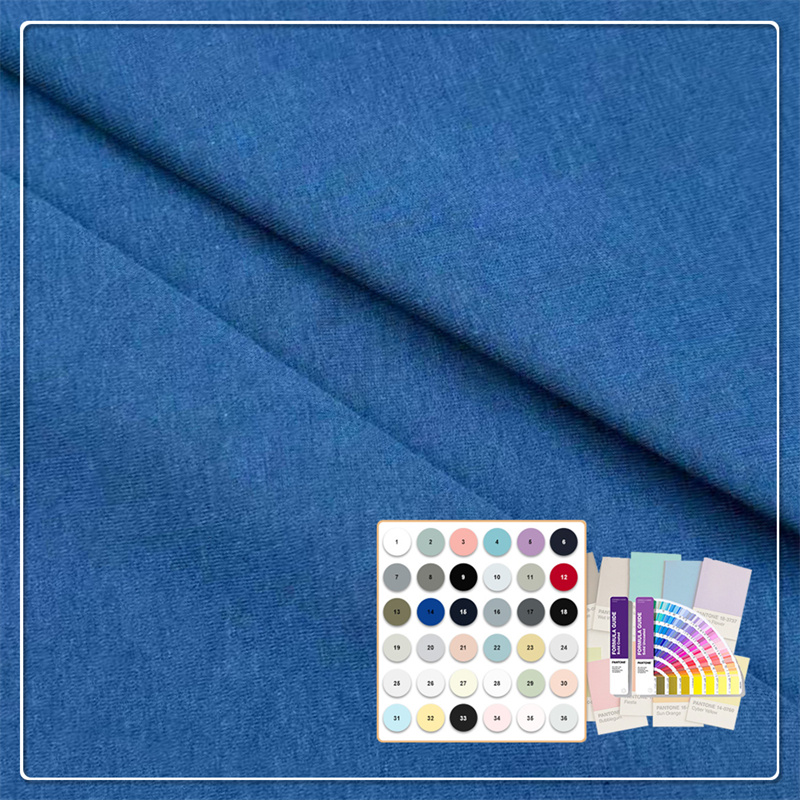
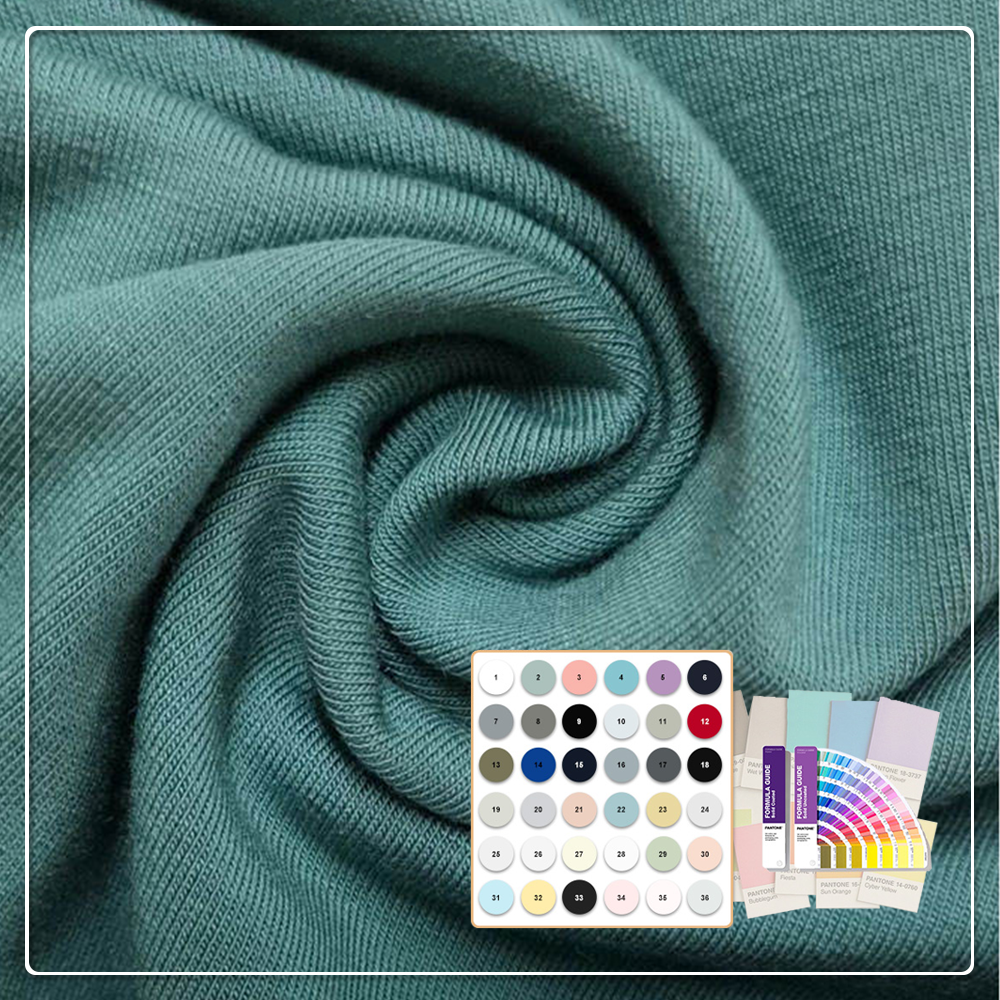
Customization Options: Many manufacturers offer customization, including color, pattern, and texture modifications. It’s important to discuss these options with potential suppliers to get the desired product finish.
Minimum Order Quantities (MOQs): Different manufacturers have varying MOQs. Ensure you clarify this to avoid overcommitting resources, especially if you are testing new products.
Production Capacity and Lead Times: Assess the manufacturer's production capabilities and typical lead times. This benefits of organic cotton information is vital for planning your inventory and meeting customer demands.
Quality Control Processes: Inquire about the quality control measures in place. Reliable manufacturers will have rigorous testing procedures to ensure consistency and compliance with industry standards.
By addressing these considerations upfront, buyers can streamline the procurement process and avoid common pitfalls.