Choosing High-Quality Printed Modal Fabric

Get a Free Quote

Our representative will contact you soon.
Email
Name
Mobile/WhatsApp
Company Name
Message
0/1000

printed modal fabric

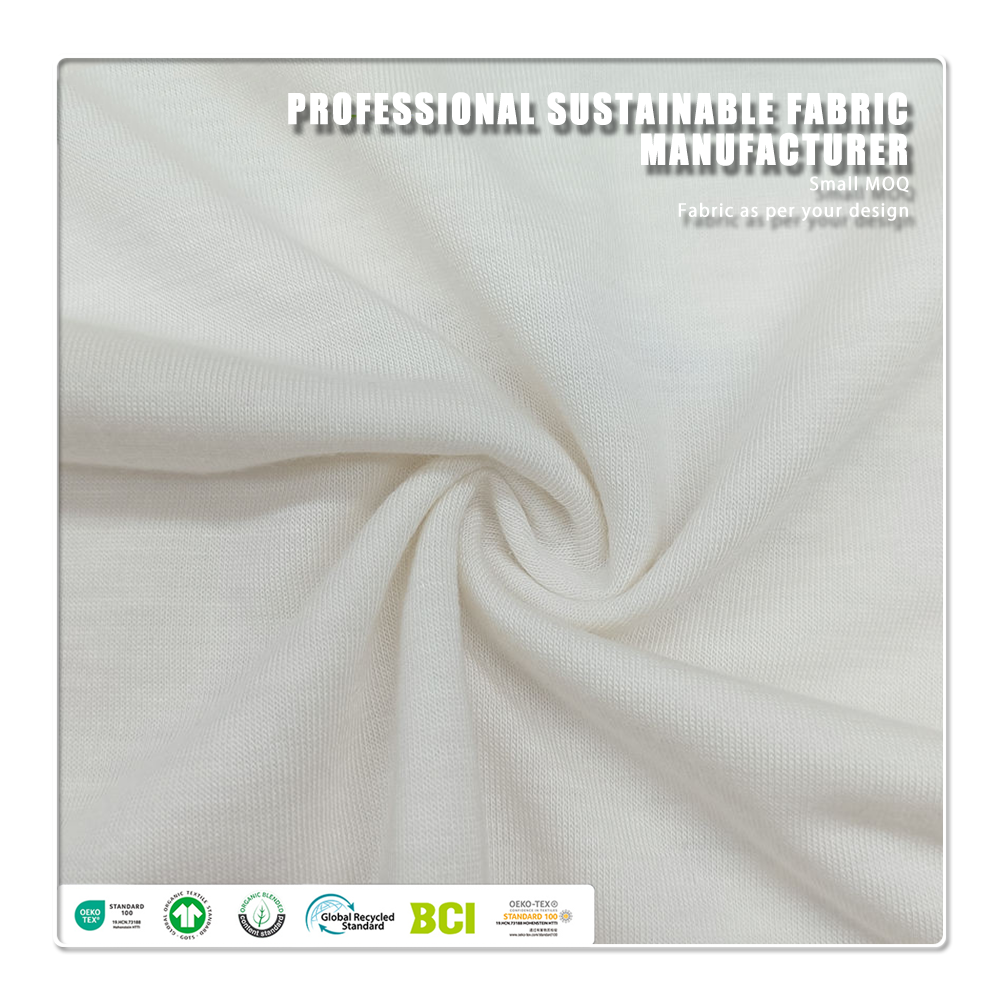
Printed modal fabric is a popular choice in the textile industry, known for its softness, durability, and luxurious appearance. As a B2B buyer, you may have several concerns when considering printed modal fabric for your projects, such as quality, cost, applications, and supplier reliability. This article will help you navigate these considerations, providing insights into specifications, benefits, common issues, and tips for selecting the right fabric for your needs.

Top Specifications for High-Quality Printed Modal Fabric

High-quality printed modal fabric should meet specific specifications to ensure it performs well in its intended application. Key parameters include:

Color Fastness: A crucial aspect, color fastness should ideally be rated between levels 4-5. This rating indicates the fabric's resistance to fading from washing and light exposure, ensuring the longevity of your printed designs.

Shrinkage Rate: A shrinkage percentage below 5% is desirable, as it minimizes the risk of dimensional changes after washing. This is particularly important for clothing manufacturers who want to maintain consistent sizing across batches.

Weight: The weight of the fabric is typically measured in grams per square meter (GSM). Depending on your application, you might need a range from 120 GSM for lightweight garments to 250 GSM for heavier applications.

Dimensional Stability: Ensure that the fabric maintains its shape and size under various conditions. This is critical for applications such as upholstery, where fit and appearance are paramount.

Confirming these specifications with your supplier can prevent issues during production and ensure that the final product meets your quality standards.
Comparing the Benefits of Printed Modal Fabric for Your Projects

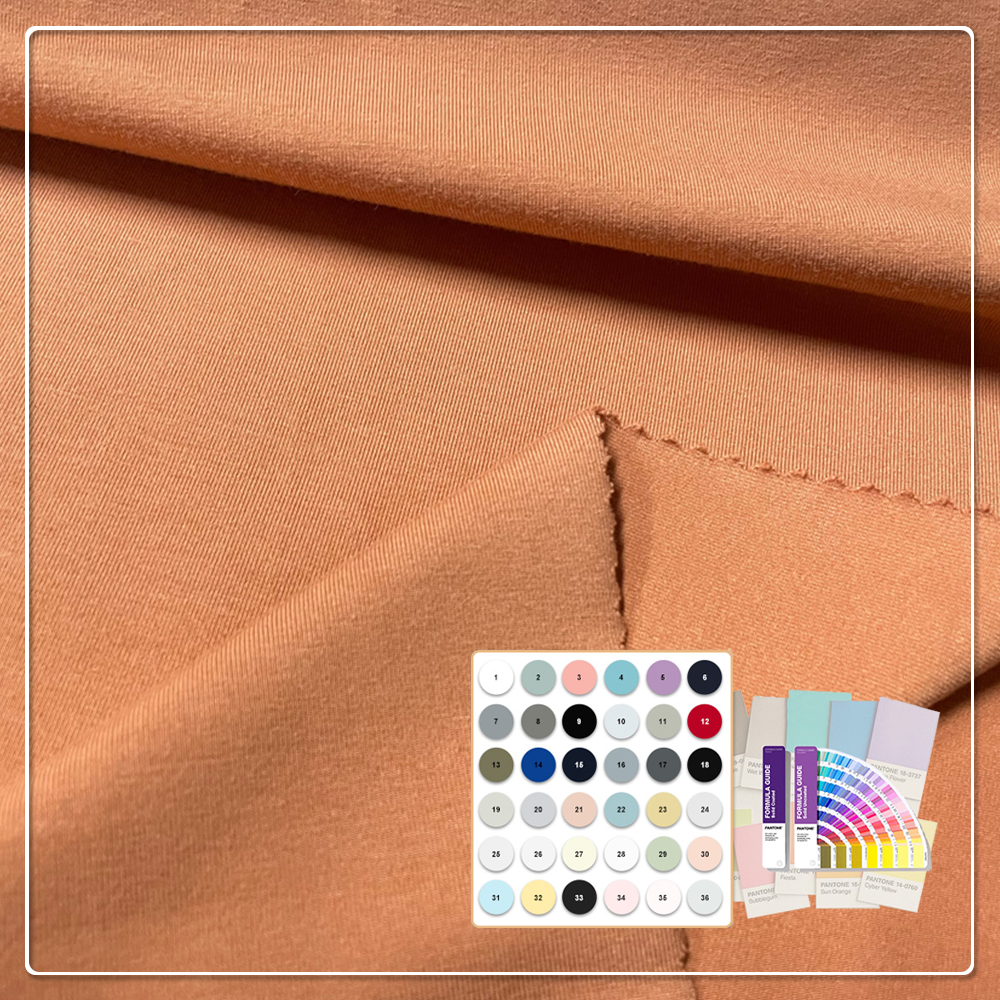
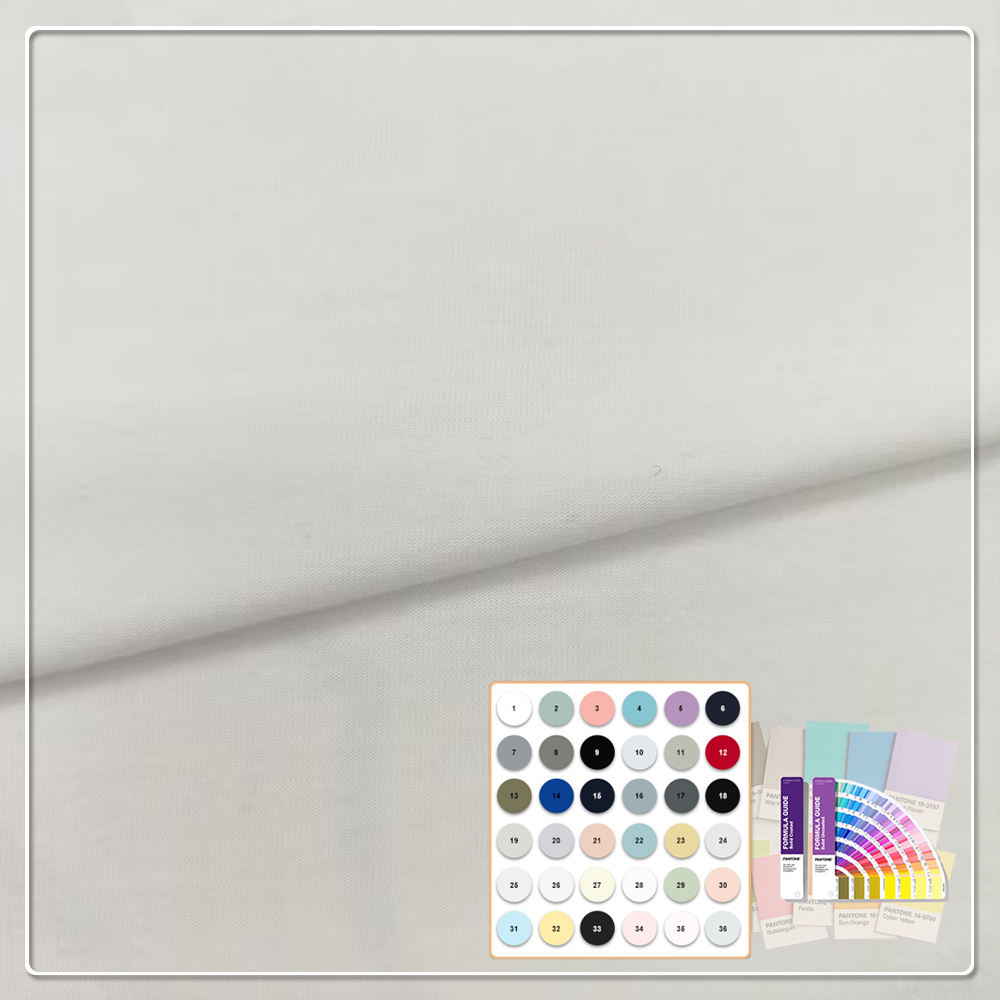
Printed modal fabric offers numerous advantages over other textile options. Its softness and smooth texture provide a comfortable feel against the skin, making it an excellent choice for clothing, especially in intimate apparel. Additionally, modal has inherent moisture-wicking properties that help keep the wearer dry, an essential feature for activewear and summer collections.

Moreover, its durability means it can withstand repeated washings without significant wear, which is a critical factor for consumer satisfaction and reducing return rates. The fabric's ability to hold vibrant colors and intricate prints enhances aesthetic appeal, making it suitable for fashion-forward brands. For those looking for similar durability, Recycled Polyester Fabric could also be a viable option.

In terms of sustainability, modal is a renewable resource and can be produced with less environmental impact compared to traditional cotton. This can be a significant selling point for brands focusing on eco-friendly practices.

Common Installation Issues with Printed Modal Fabric and Solutions

Despite its many advantages, printed modal fabric can present some installation challenges. One common issue is the fabric slipping during cutting and sewing, leading to inaccurate dimensions. To mitigate this, ensure the fabric is properly laid out and secured before cutting. Using weights or fabric clips can help in keeping the material stable.

Another issue can arise from the fabric's tendency to fray at the edges. To prevent this, consider employing overlock stitching or using a serger during the sewing process. Additionally, if the fabric is printed, it’s essential to ensure the print aligns correctly, particularly in pattern matching, which may require careful planning and additional fabric for adjustments.

Lastly, improper handling during installation can lead to creasing or wrinkles. To avoid this, use steam or a fabric-safe iron before installation to ensure a smooth finish.

Selecting the Right Printed Modal Fabric for Applications

Choosing the right printed modal fabric for specific applications requires a thorough understanding of the intended use. For apparel, consider the end-use environment; lighter fabrics are generally more suitable for casual wear, while heavier weights are better for structured garments.

For home textiles, such as curtains or upholstery, durability and maintenance are paramount. Opt for printed modal that meets the necessary abrasion resistance and is easy to clean. Additionally, you may want to consider the fabric’s fire-retardant properties if required by local regulations.

If your project has specific customization needs, such as unique patterns or colors, ensure that your supplier can accommodate these requests. Shaoxing City Ohyeah Textile Co., Ltd., for example, has a range of capabilities in producing bespoke printed modal fabrics, allowing you to achieve the desired aesthetic while maintaining quality.

Ultimately, providing your supplier with detailed information about the intended application, desired specifications, and any customization requirements will facilitate a smoother purchasing process and lead to better results in your final product.

What to Consider When Choosing Printed Modal Fabric for Wholesale

When selecting printed modal fabric for wholesale, several factors should guide your decision. First, assess the fabric's composition; modal, often derived from beech trees, offers superior moisture-wicking properties and breathability, making it ideal for apparel and home textiles. Look for eco-friendly options, as sustainability is crucial in today’s market. Certifications like OEKO-TEX and GOTS ensure that the fabric meets environmental and social criteria, which can enhance your brand's reputation. For instance, you might explore options like Modal or Organic Cotton Fabric that provide sustainable alternatives.

Next, consider the fabric's weight and thickness, which can affect its drape and suitability for various applications. For instance, lighter weights may be better for summer clothing, while heavier options could be more appropriate for winter garments or upholstery. Additionally, inquire about the minimum order quantity (MOQ) and lead times to ensure that your supply chain remains efficient.

Our Blog Posts

How Tencel Lyocell Improves Breathability in Modern Textile Applications

29

May

How Tencel Lyocell Improves Breathability in Modern Textile Applications

Today, breathability is not merely a perk in fabric, but a standard and expected characteristic for consumers wearing sportswear, loungewear, and general apparel. A breathable fabric allows the body to remain cool, dry, and comfortable...
View More
How Modal Tencel Material Creates Better Everyday Textile Collections

13

Oct

How Modal Tencel Material Creates Better Everyday Textile Collections

For casual wear, you don't want to go cheap. Today's consumers want clothing that is incredibly soft, wears as they wear and is always in style and looks great. A good combination of the ‘feel good, works well, looks good’ in a complete r...
View More
The Growing Demand for Tencel Lyocell in Modern Textile Supply Chains

13

Oct

The Growing Demand for Tencel Lyocell in Modern Textile Supply Chains

The textile industry is currently in the process of massive disruption to move toward greater sustainability, and a leader of the movement has come in the form of Tencel Lyocell. As consumers and apparel companies are demanding more environmentally f...
View More
Why Tencel Modal Fabric Fits the Needs of Global Fashion Markets

13

Oct

Why Tencel Modal Fabric Fits the Needs of Global Fashion Markets

Across the globe, the fashion industry is experiencing radical change. From North America to Asia, shoppers everywhere are clamoring for fashion that is chic, but additionally eco-friendly, resilient and comfortable. During this shifting setting, Ten...
View More

Get a Free Quote

Our representative will contact you soon.
Email
Name
Mobile/WhatsApp
Company Name
Message
0/1000

Get a Free Quote

Our representative will contact you soon.
Email
Name
Mobile/WhatsApp
Company Name
Message
0/1000