 EN
Skin-friendly fabric is an essential consideration for B2B buyers in the textile industry, particularly when sourcing materials that prioritize comfort, safety, and sustainability. As companies increasingly seek to align with eco-friendly practices, the demand for skin-friendly fabrics made from materials like bamboo, organic cotton, and recycled polyester is on the rise. This article will guide purchasing managers, product developers, and engineers through the various aspects of skin-friendly fabrics, from comparing options to installation guidance, ensuring they make informed decisions for their projects.
Understanding the Cost Factors of Skin-Friendly Fabrics
Cost is a pivotal factor in fabric procurement, influenced by material choice, production methods, and supplier capabilities. Eco-friendly fabrics such as bamboo and organic cotton often command higher prices due to the sustainable farming practices and more complex processing techniques involved in their production. These costs can be justified by their higher quality, durability, and performance characteristics.
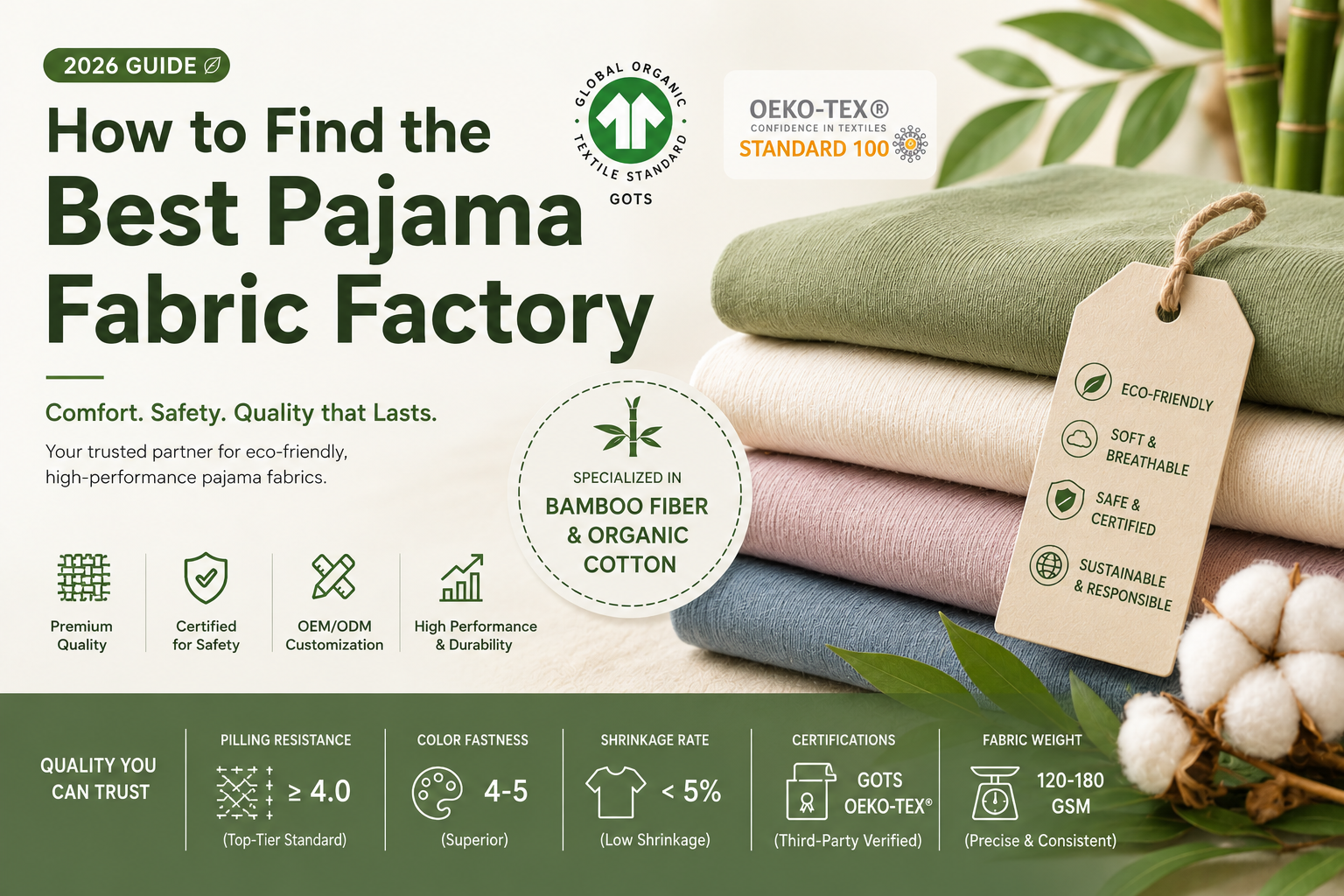
In addition to raw material costs, buyers must consider the total cost of ownership, which encompasses aspects like production efficiency, waste reduction, and potential market price premiums for eco-friendly products. For instance, fabrics with a color fastness rating of 4-5 and shrinkage below 5%, like those produced by Shaoxing City Ohyeah Textile Co., Ltd., can reduce rework and returns, thereby minimizing long-term costs.
Buyers should also evaluate minimum order quantities (MOQs) and lead times, as these factors can significantly affect overall expenses. Suppliers may offer tiered pricing based on order volume, so it's beneficial to assess your needs and negotiate accordingly.