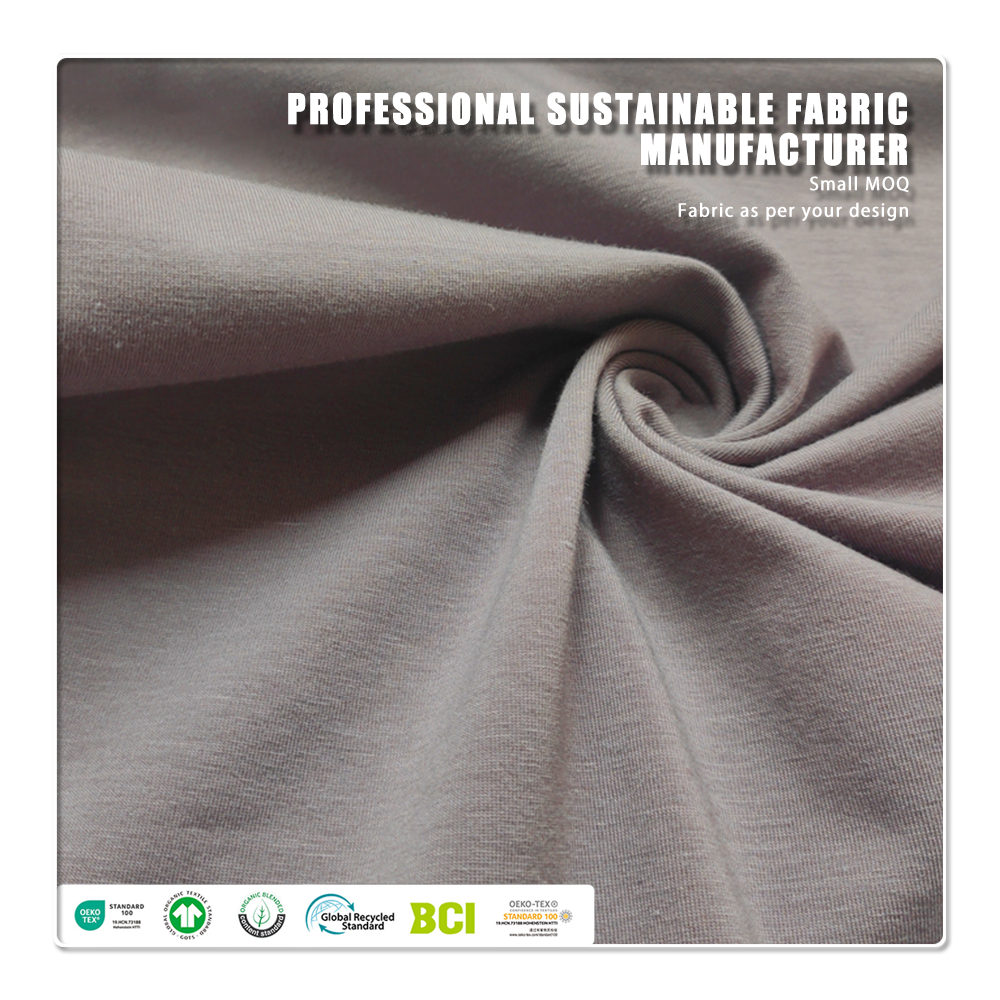
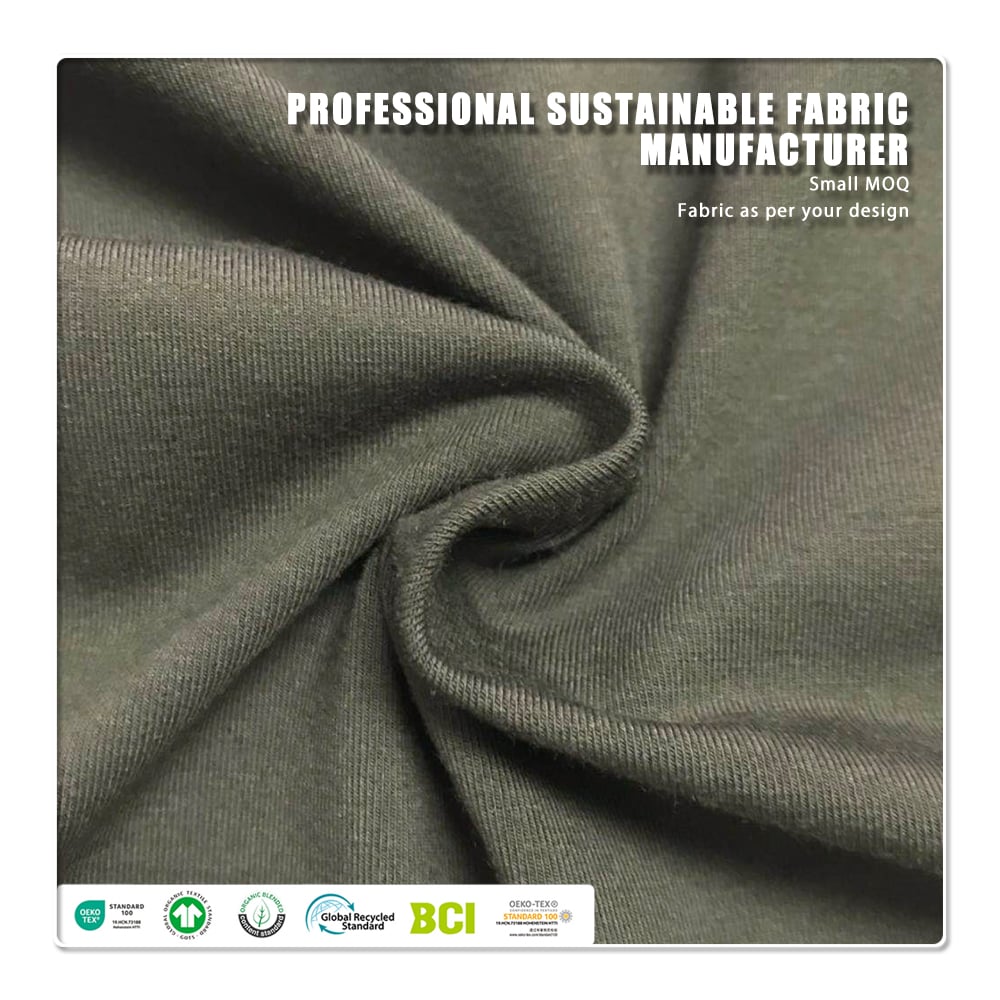
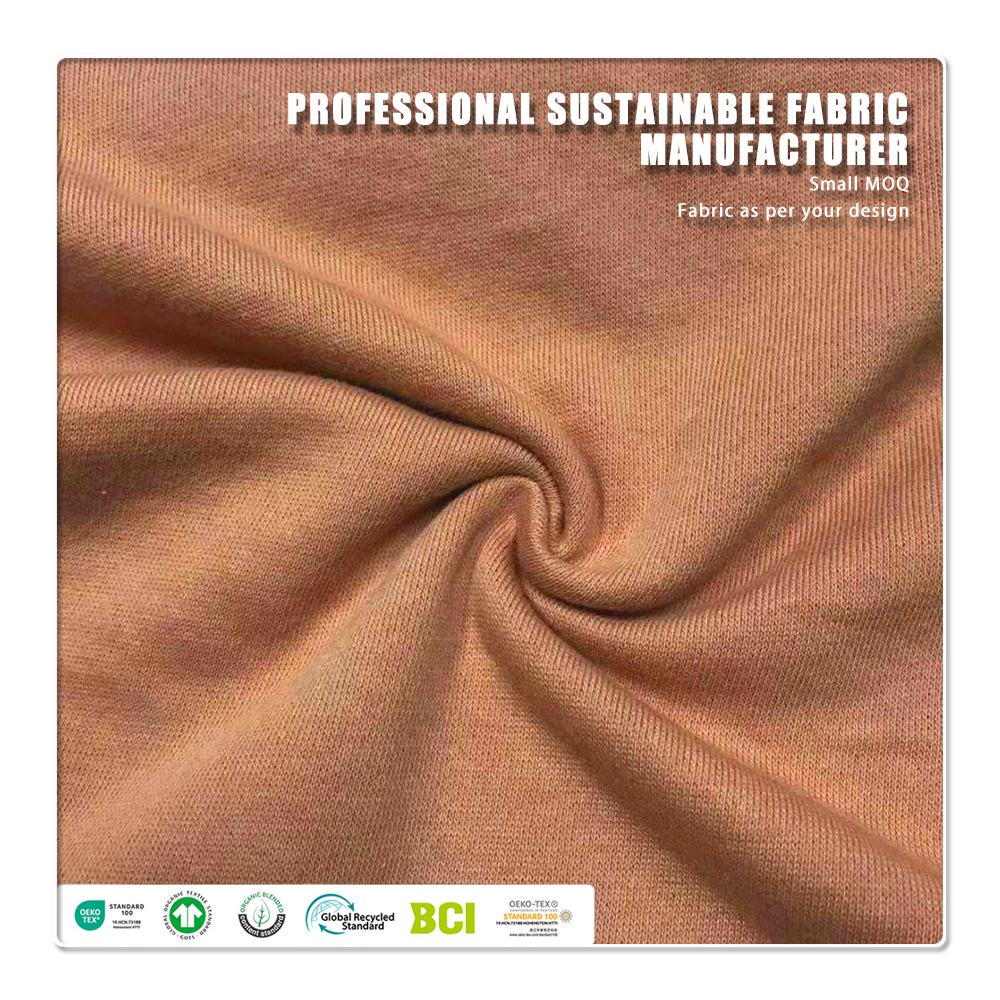
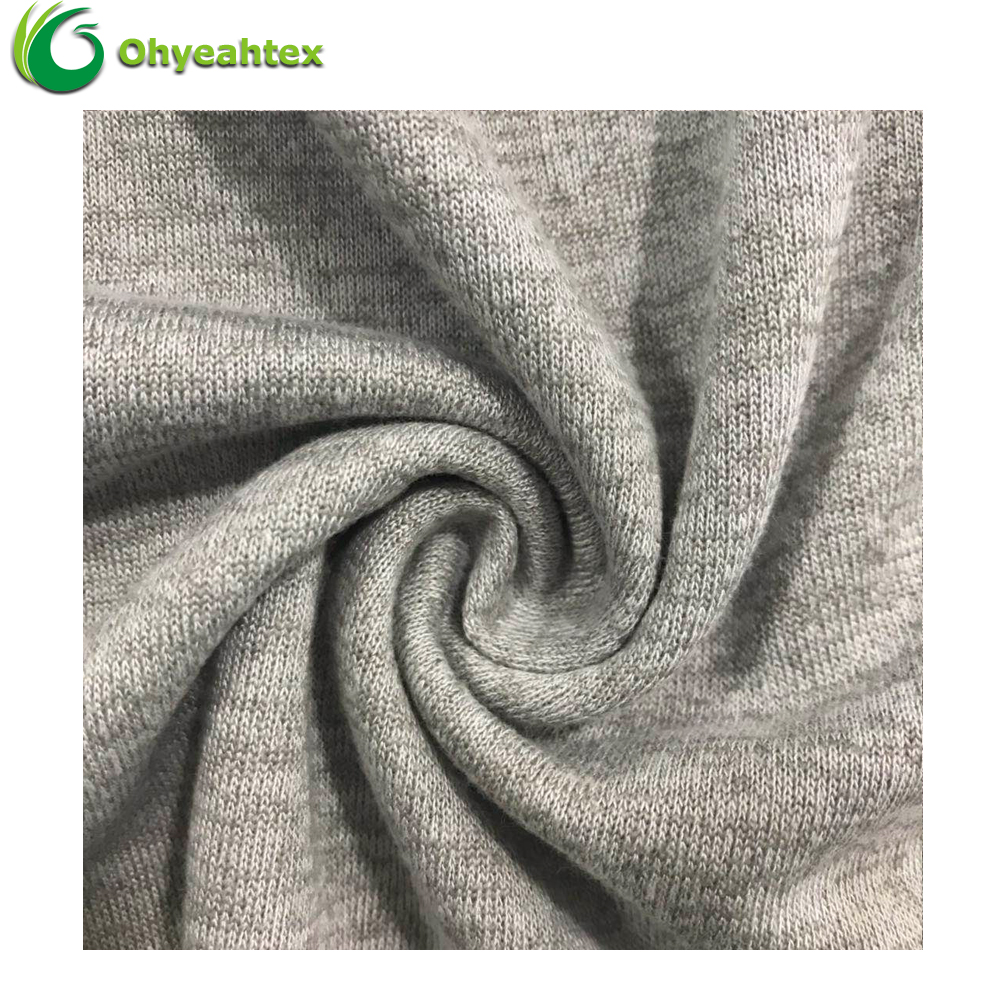
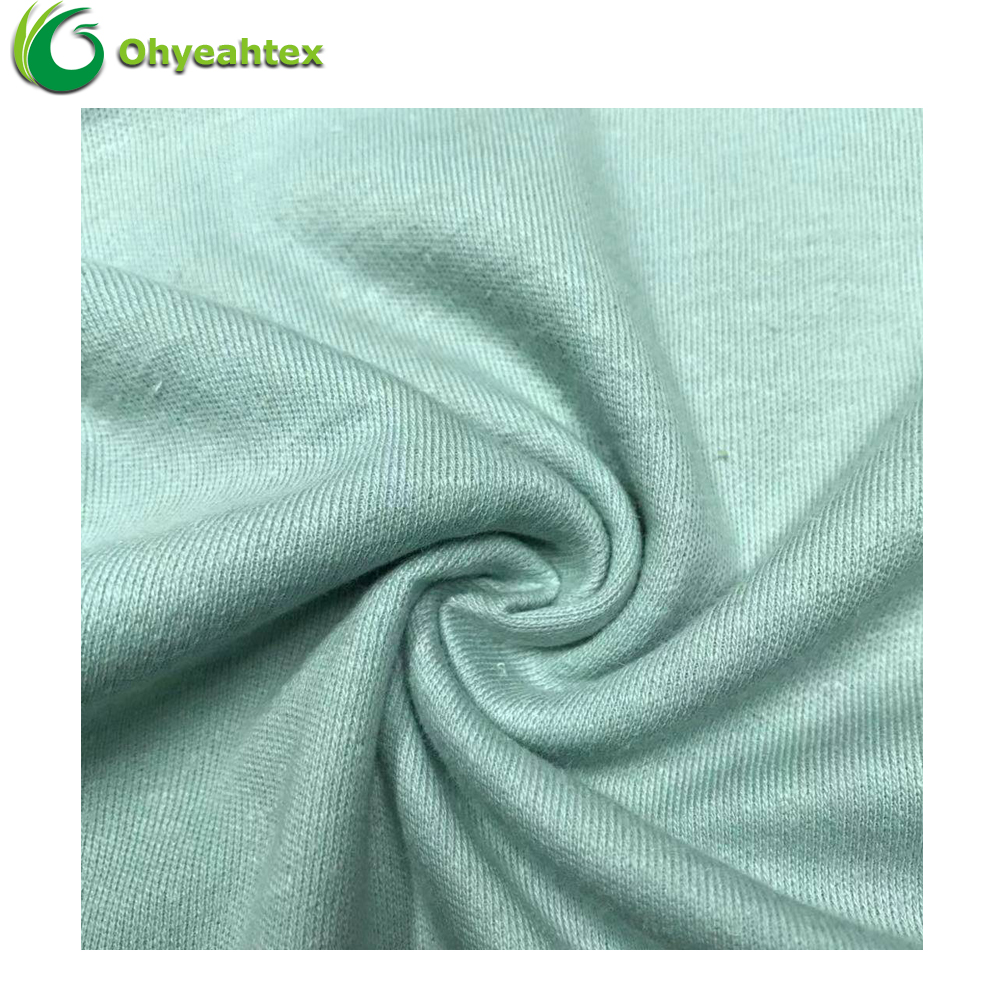
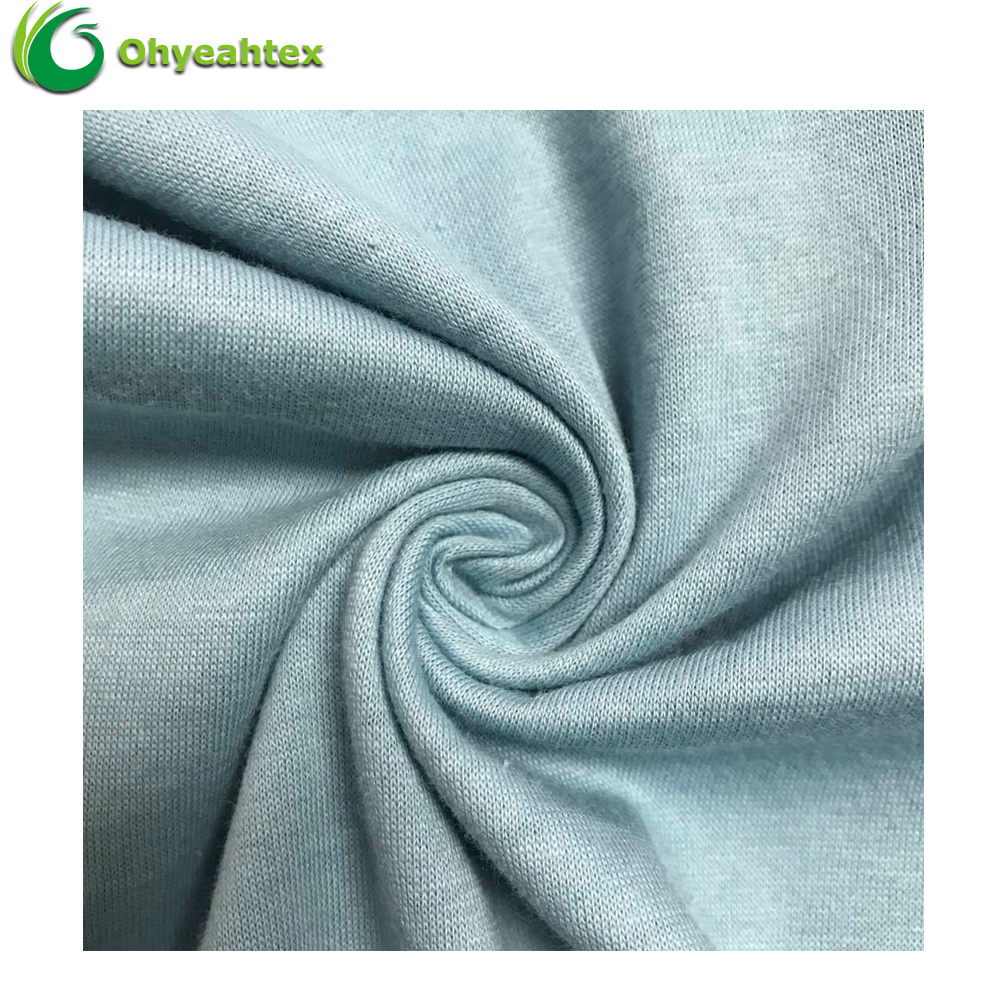
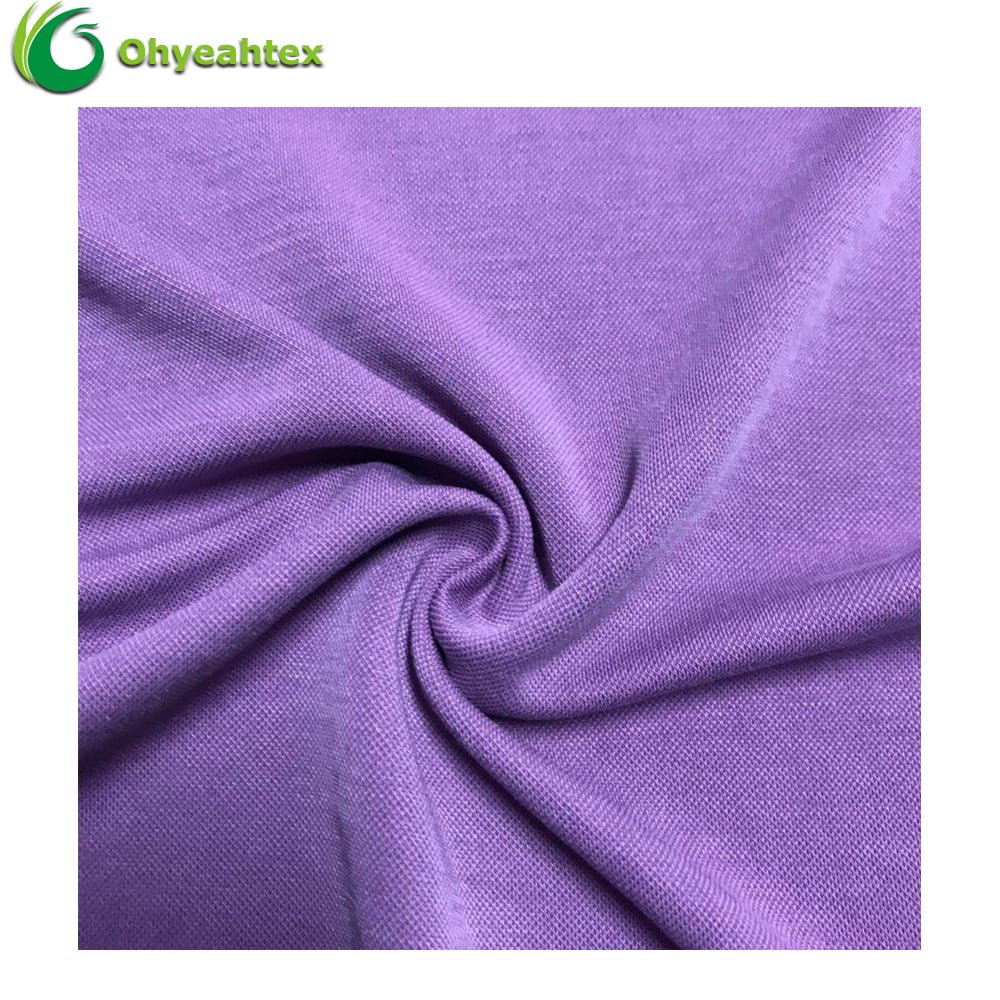
Specifications for Sustainable Apparel Fabric Orders

Get a Free Quote

Our representative will contact you soon.
Email
Name
Mobile/WhatsApp
Company Name
Message
0/1000

Sustainable apparel fabric

Sustainable apparel fabric is increasingly in demand as brands and consumers alike seek environmentally friendly options. With options such as bamboo, organic cotton, and recycled polyester gaining traction, it's crucial for purchasing managers and product developers to understand the specifications and qualities that define these materials. This article will provide insights into selecting the right sustainable apparel fabric, ensuring eco-friendly fabric product quality, and identifying reliable suppliers, ultimately aiding in informed decision-making for bulk orders in the apparel industry.
Our Products

How to Choose the Right Eco-Friendly Fabric for Your Project

Selecting the appropriate eco-friendly fabric is vital for both performance and sustainability. Here are key factors to consider: 

Intended Use: Identify the end-use of the eco-friendly fabric. For example, if the fabric is for active wear, prioritize moisture-wicking and stretch properties.  

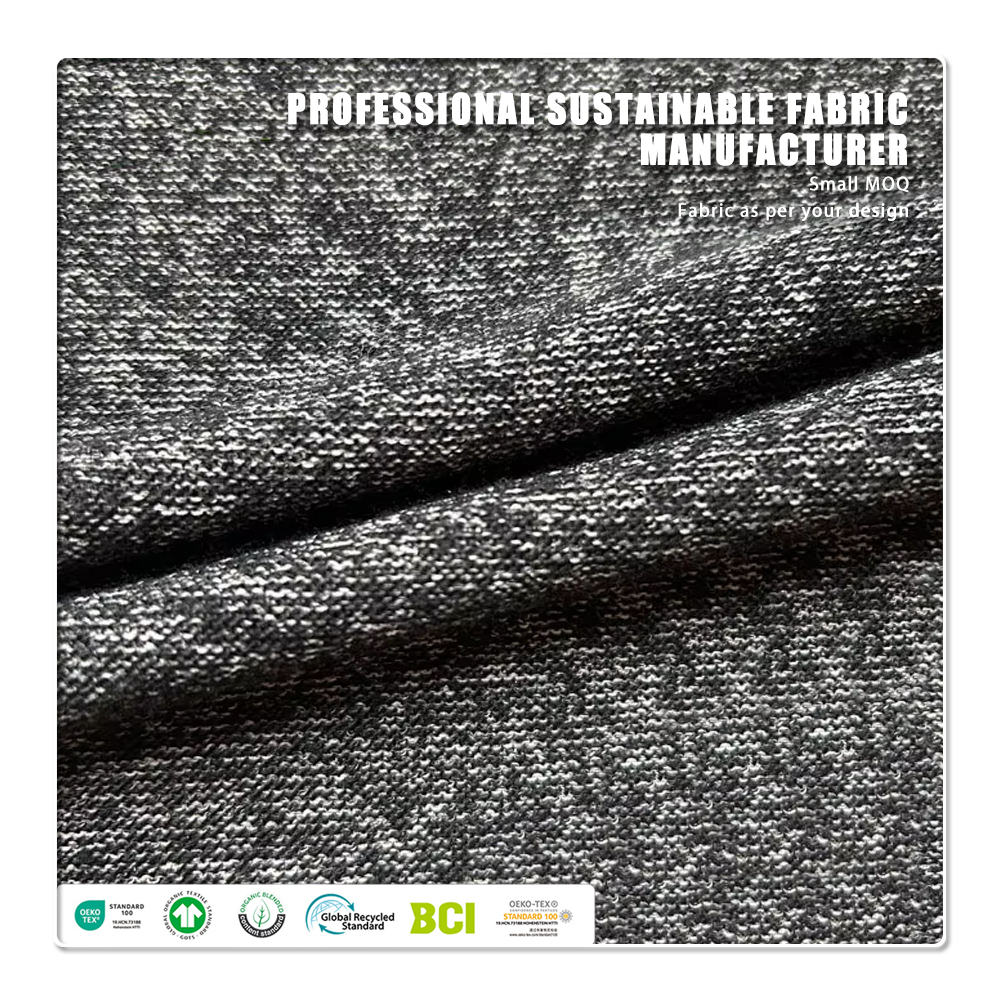
Sustainability Certifications: Look for certifications such as OEKO-TEX, GOTS, OCS, and GRS, which verify that the sustainable apparel fabric are produced in environmentally friendly and socially responsible ways. 

Customization Options: Assess whether the supplier can customize the fabric's weight, color, or pattern to meet your design specifications. Customization can enhance your eco-friendly fabric product's uniqueness and appeal. 

Supplier Reliability: Evaluate the supplier's track record in delivering consistent quality and timely shipments. A professional team dedicated to quality control, as seen in leading manufacturers, can greatly enhance your confidence in the sourcing process. 

By aligning these factors with your project requirements, you can ensure that the selected sustainable apparel fabric not only meets performance standards but also aligns with your sustainability goals. 
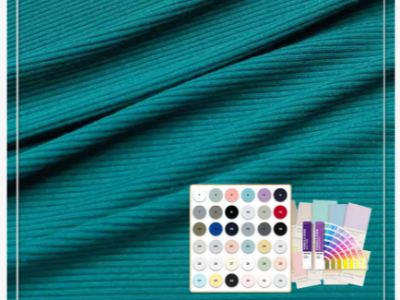
Sustainable Apparel Fabrics You Can Trust

When sourcing sustainable apparel fabric, trust is paramount. Here are some fabric options that have established their credibility in the market: 

Bamboo Fabric: Known for its natural antibacterial properties and softness, bamboo fiber fabric is biodegradable and highly breathable, making it an excellent choice for various apparel applications. 

Organic Cotton: This eco-friendly fabric is grown without harmful chemicals and pesticides, ensuring a lower environmental impact. It's soft, durable, and versatile for different clothing types. 

Recycled Polyester: Made from post-consumer plastic bottles, recycled polyester reduces waste and conserves resources. It is durable, quick-drying, and ideal for active wear and outdoor clothing. 

These sustainable apparel fabric are not only sustainable but also provide high-quality performance, making them trustworthy options for manufacturers looking to meet eco-conscious consumer demands. They can also offer good durability, comfort, and breathable.  


Where to Find Reliable Suppliers for Eco-Friendly Fabrics

Finding a reliable supplier for sustainable apparel fabric requires thorough research and evaluation. Here are steps to help you identify trustworthy sources: 

Industry Research: Utilize industry directories and trade shows to connect with certified manufacturers. Look for suppliers with a proven track record in eco-friendly fabric production. 

Certifications Verification: Ensure that potential suppliers hold appropriate certifications, such as OEKO-TEX and GOTS. This validates their commitment to sustainable practices. 

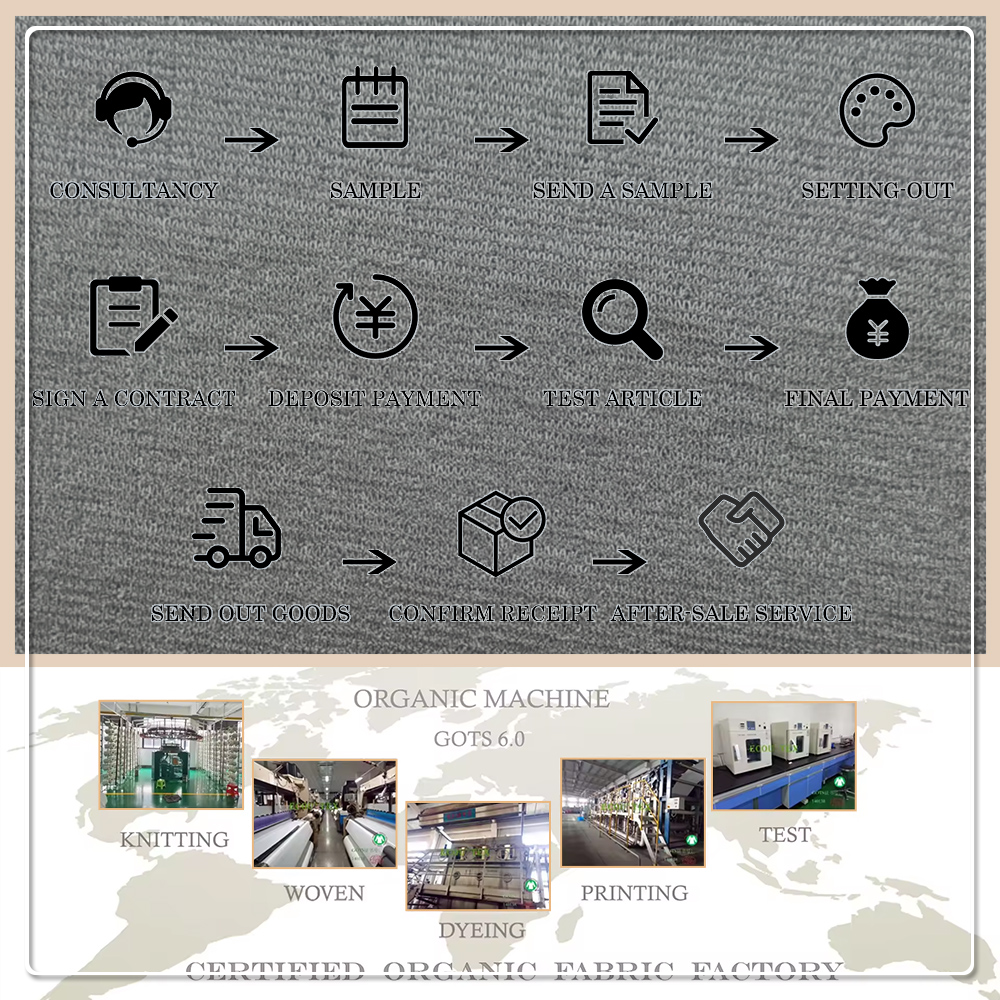
Sample Requests: Always request samples before placing bulk orders. This allows you to assess sustainable apparel fabric quality, color accuracy, and performance characteristics firsthand. 

Customer References: Ask for references from other businesses that have sourced sustainable apparel fabric from the supplier. This can provide valuable insights into their reliability and customer service. 

By following these steps, you can establish partnerships with suppliers who prioritize sustainability and quality, ensuring a smoother procurement process. 

Common Problems with Sustainable Fabrics and Their Solutions

Despite the advantages of sustainable apparel fabric, buyers may encounter challenges. Here are common issues and how to address them: 

Inconsistent Quality: Variability in sustainable clothing materials fabric quality can arise, especially if sourcing from multiple suppliers. To mitigate this, conduct thorough quality inspections and establish quality benchmarks that must be met before mass production. 

Limited Availability: Certain eco-friendly materials may have fluctuating availability based on harvest cycles or production capacity. Maintain open communication with suppliers about lead times and stock levels to avoid disruptions in your supply chain. 

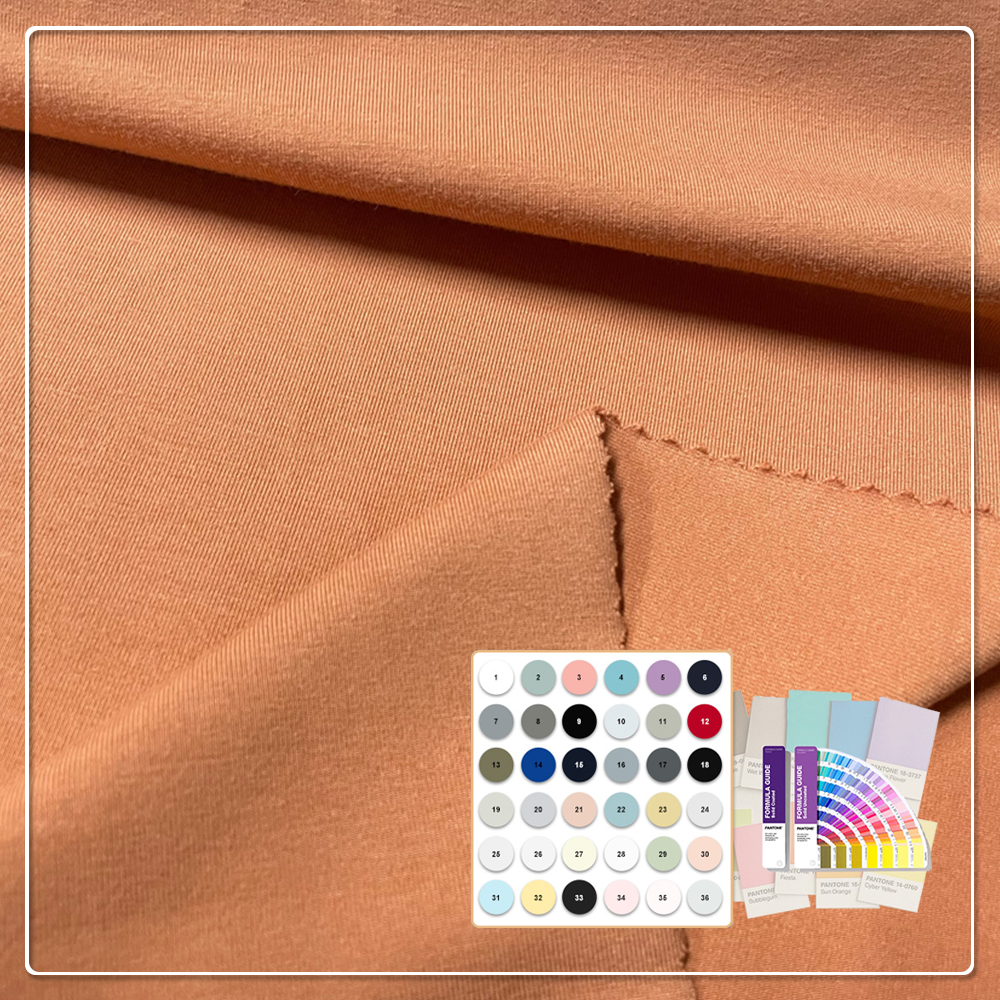
Color Matching Issues: Achieving consistent color across large orders can be challenging. Always approve a sample batch for color and quality before proceeding with full production, ensuring the final eco-friendly fabric product aligns with your brand standards. 

By being proactive and addressing these common challenges, purchasing managers can enhance their sourcing strategy for sustainable apparel fabric, ultimately leading to successful eco-friendly fabric product launches and satisfied customers. 

Sustainable Apparel Fabric Specifications for Bulk Orders

When ordering sustainable apparel fabric, several specifications must be considered to ensure the materials meet both performance and environmental standards. Key specifications include: 

Material Composition: Understand the blend of fibers used. For instance, bamboo and organic cotton are prized for their softness and breathable, while recycled polyester offers durability and moisture-wicking properties. 

Color Fastness: A color fastness rating of level 4-5 is ideal, indicating that the sustainable apparel fabric will retain its color through several washes and exposure to light. 

Shrinkage Rates: Sustainable apparel fabric should have a shrinkage rate of below 5% to maintain size and fit after laundering. 

Weight and Thickness: These affect the fabric's drape and application suitability. Lighter sustainable fabric may be ideal for active wear, while heavier weights could suit outerwear. 

Additionally, consider the manufacturer's capabilities, such as the availability of over 100 circular knitting machines and a monthly output of 200 tons, which can significantly influence lead times and order fulfillment. 

Our Blog Posts

Bamboo Fabric Manufacturer Partnerships for Sustainable Textile Projects

04

Feb

Bamboo Fabric Manufacturer Partnerships for Sustainable Textile Projects

Collaborate with Leading Bamboo Fabric Suppliers to Develop Your Eco-friendly Textile Collection As a sustainable bamboo fabric manufacturer, consulting and solutions provider, Shaoxing City Ohyeah textile Co., Ltd. is collaborating with the leading ...
View More
How Tencel Lyocell Improves Breathability in Modern Textile Applications

29

May

How Tencel Lyocell Improves Breathability in Modern Textile Applications

Today, breathability is not merely a perk in fabric, but a standard and expected characteristic for consumers wearing sportswear, loungewear, and general apparel. A breathable fabric allows the body to remain cool, dry, and comfortable...
View More
What Makes Tencel Modal Ideal for High-Quality Loungewear Fabrics

29

May

What Makes Tencel Modal Ideal for High-Quality Loungewear Fabrics

Loungewear, originally designed as casual clothing for the home, has become a key item in the modern wardrobe. Consumers now demand that their loungewear be ultra-soft, extremely comfortable and durable enough to wear day in and day out. They also re...
View More

Get a Free Quote

Our representative will contact you soon.
Email
Name
Mobile/WhatsApp
Company Name
Message
0/1000

Get a Free Quote

Our representative will contact you soon.
Email
Name
Mobile/WhatsApp
Company Name
Message
0/1000