EN
Tencel fabric is a popular choice for businesses looking for sustainable, high-quality textiles. As a B2B buyer, sourcing from reputable tencel fabric suppliers can be crucial for maintaining product quality and meeting customer demands. This article will guide you through selecting the right tencel fabric suppliers, understanding material specifications, evaluating costs, and recognizing the advantages of eco-friendly viscose from bamboo fabric, ensuring that you make informed purchasing decisions.
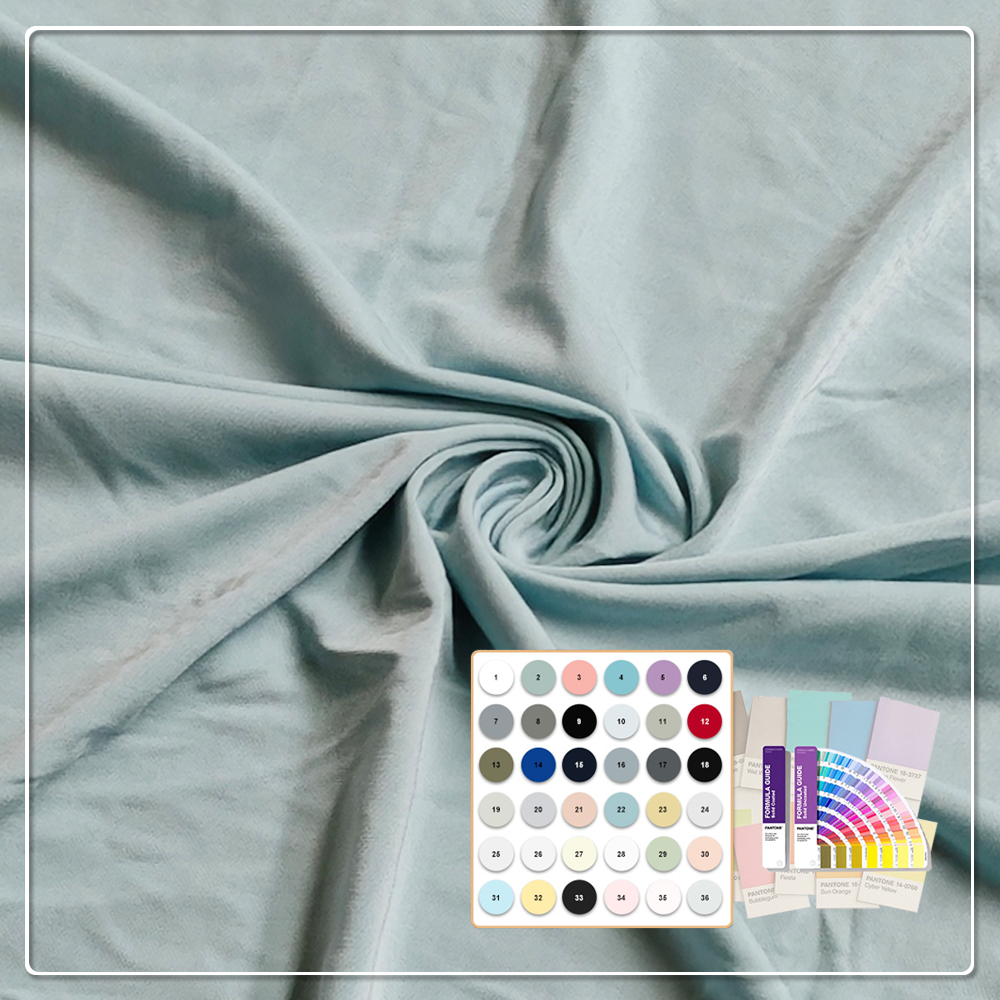
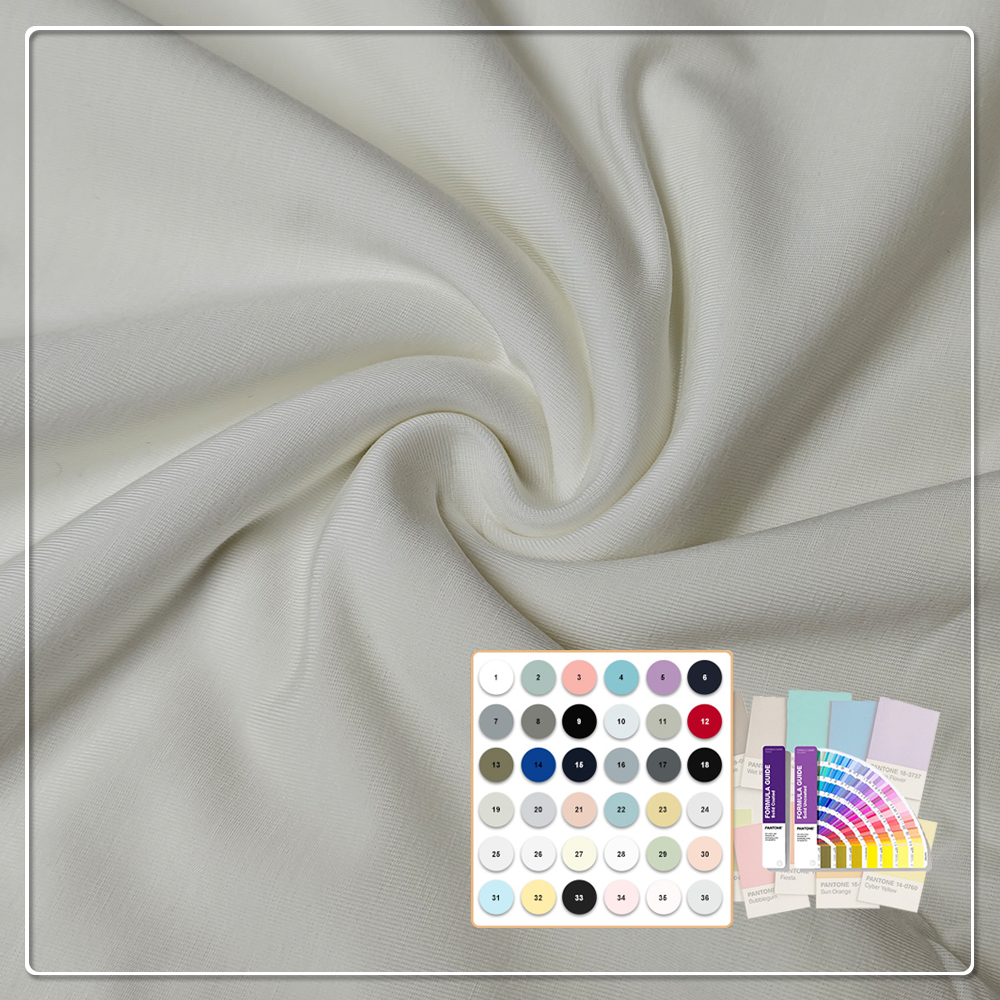
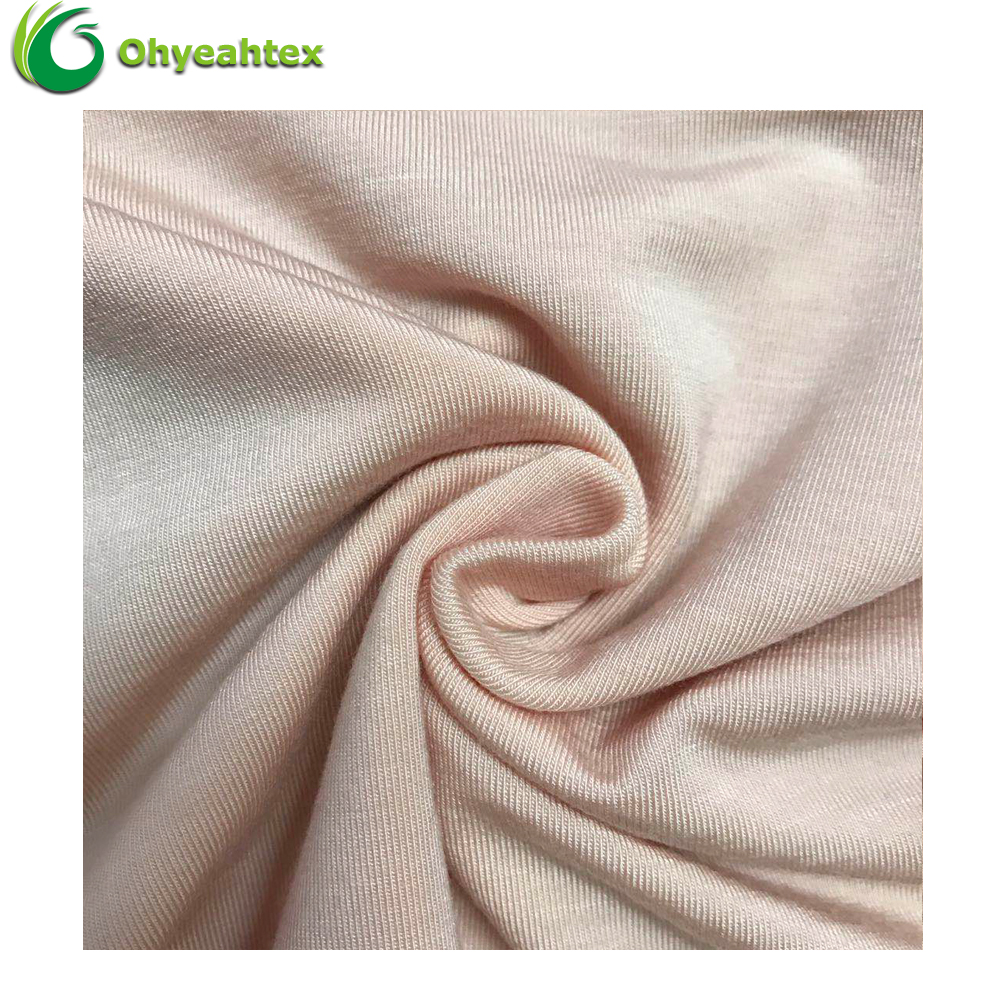
What to Look for in High-Quality Tencel Fabric Specifications
Understanding the specifications of Ohyeah tencel fabric is vital for ensuring it meets your application needs. Key specifications to consider include fiber composition, weight, width, and finish. Tencel, made from sustainably sourced wood pulp, is known for its softness and breathability. When assessing quality, check for a color fastness rating of level 4-5 and shrinkage levels below 5%, as these factors impact the fabric's durability and performance.
Additionally, consider the fabric's weight, typically measured in grams per square meter (GSM). A heavier weight may be suitable for outerwear, while lighter weights are ideal for casual wear or layering. The width of the fabric can also affect your cutting patterns and yield, so make sure it aligns with your production needs.
Lastly, inquire about the fabric's finish. Treatments can enhance properties like water resistance or UV protection, which may be critical based on the intended application. Discussing these specifications with potential tencel fabric suppliers ensures that you receive a product tailored to your requirements.