EN
Jersey cloth material is a versatile, knitted fabric commonly used in various apparel and textile applications. Known for its stretchability, softness, and durability, this fabric is a preferred choice for manufacturers looking to create comfortable clothing. However, B2B buyers often face challenges when sourcing high-quality jersey cloth, including concerns about material specifications, cost factors, and the environmental impact of their choices. This article aims to provide a comprehensive understanding of jersey cloth material, guiding buyers through the key specifications, sourcing options, common problems, cost considerations, and the benefits of eco-friendly alternatives.
Where to Source High-Quality Jersey Cloth for Bulk Orders
Sourcing high-quality jersey cloth for bulk orders requires a strategic approach. Here are some effective steps:
Identify Reputable Manufacturers: Look for certified manufacturers with a good track record, such as Shaoxing City Ohyeah Textile Co., Ltd., which specializes in eco-friendly knitted fabrics and holds certifications like OEKO-TEX, GOTS, OCS, and GRS. These certifications ensure compliance with environmental and social standards.
Evaluate Production Capabilities: Assess the manufacturer’s production capabilities, including the number of knitting machines and monthly output. A supplier with over 100 circular knitting machines and a monthly output of 200 tons can handle large orders efficiently.
Request Samples: Before placing a bulk order, request samples to evaluate the fabric's quality, weight, stretch, and overall feel. This step is crucial to ensuring that the jersey cloth meets your specifications and quality standards.
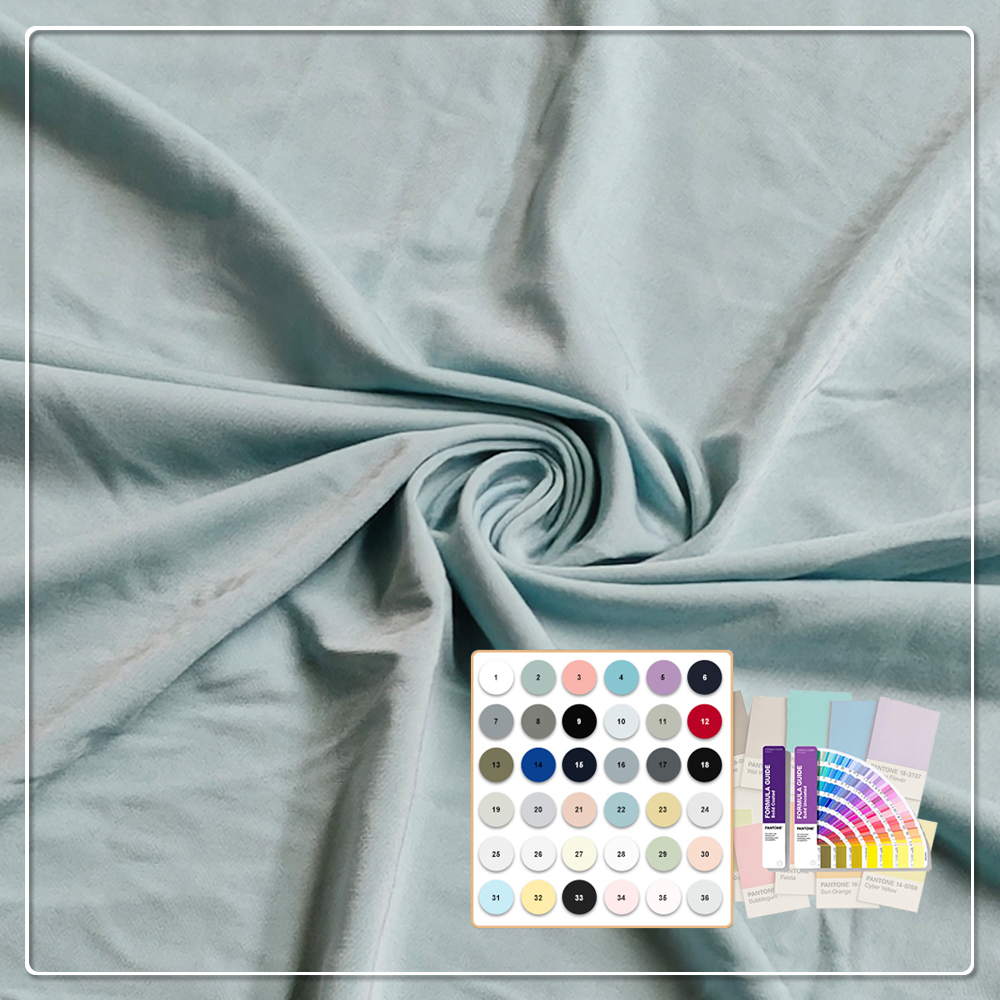
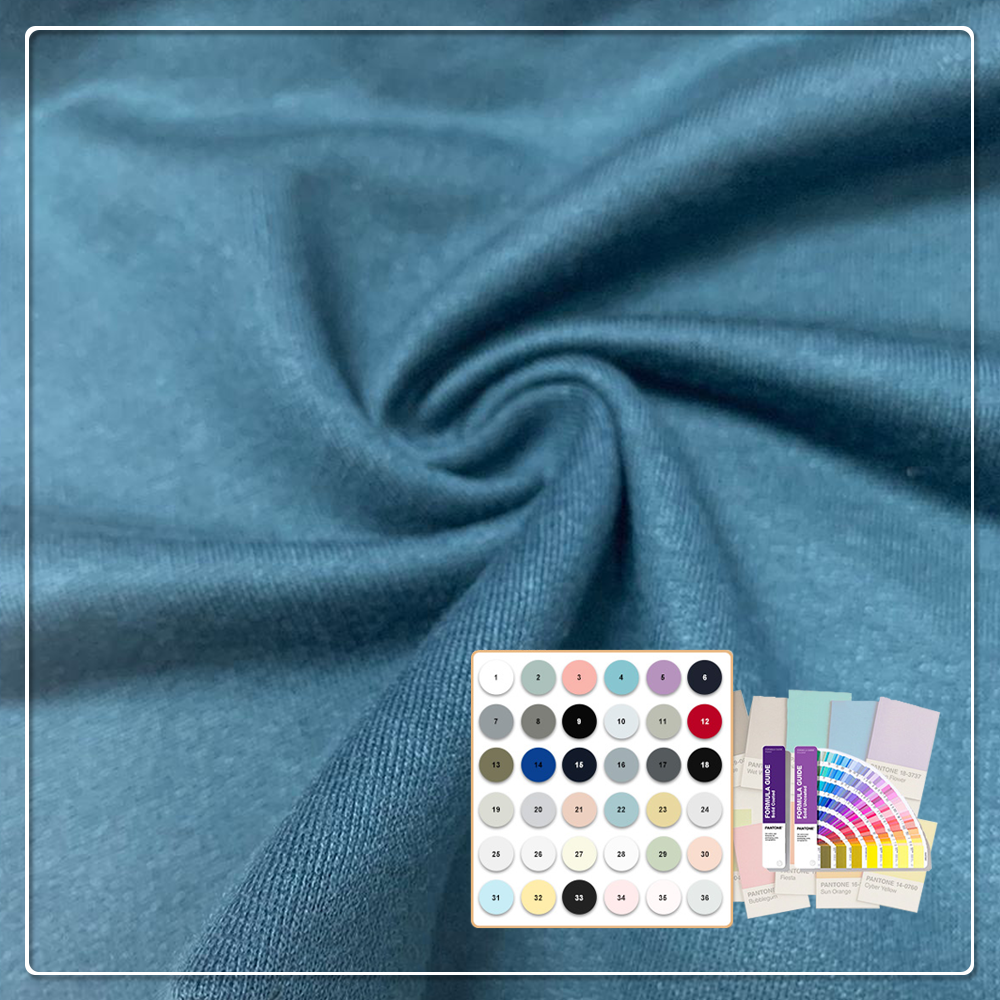
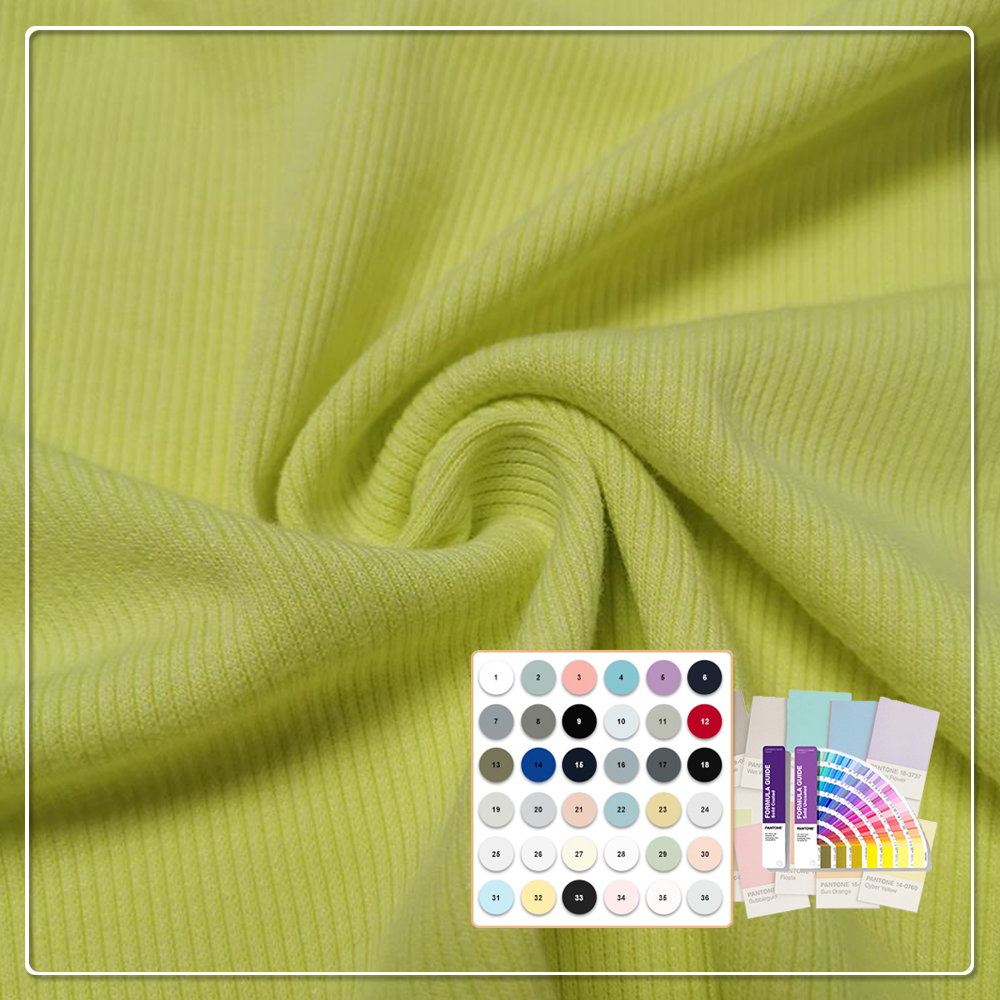
Discuss Customization Options: Many manufacturers offer customization services, allowing you to specify colors, patterns, and fabric blends. Discuss these options upfront to align the product with your brand requirements.
Check Quality Control Processes: Inquire about the manufacturer's quality control processes. A dedicated quality control team can significantly reduce the risk of defects and ensure consistent product quality throughout the production run.
By following these steps, buyers can effectively source high-quality jersey cloth that meets their specific needs.