EN
Natural cotton clothing has gained significant traction in the textile industry, particularly among businesses seeking sustainable and eco-friendly options. As a B2B buyer, your main concerns likely revolve around quality, sourcing, cost, and the specific applications for which you require these materials. This article will provide you with a comprehensive understanding of the key specifications, cost factors, potential installation issues, applications across various industries, and how to evaluate suppliers effectively.
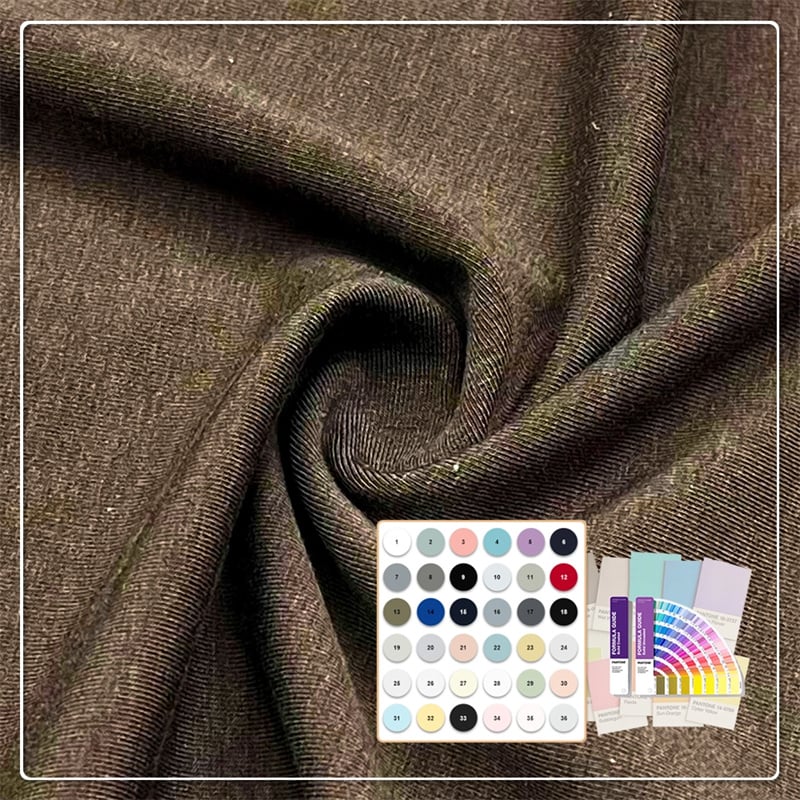
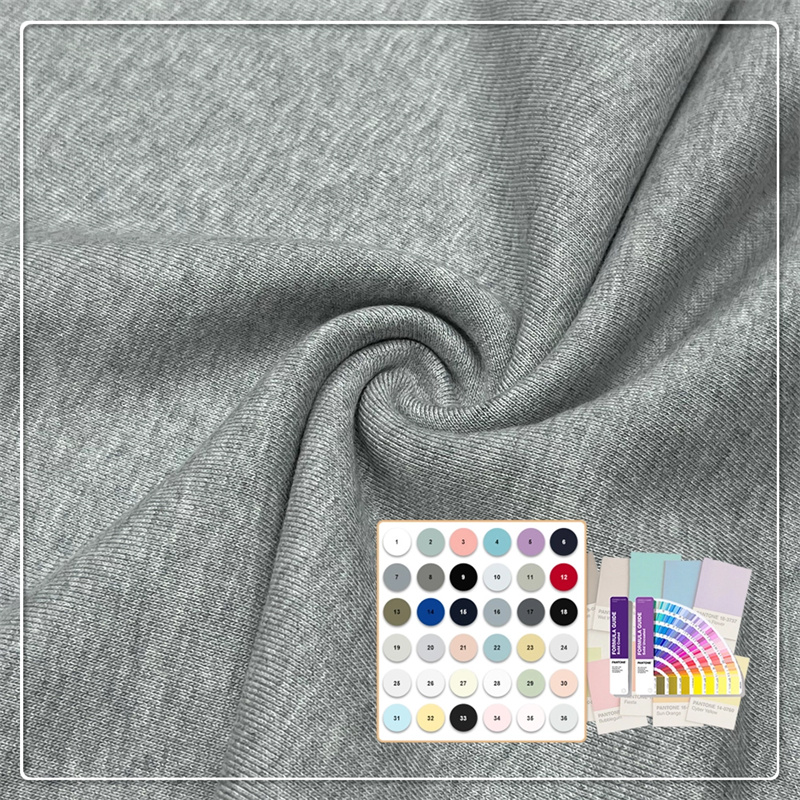
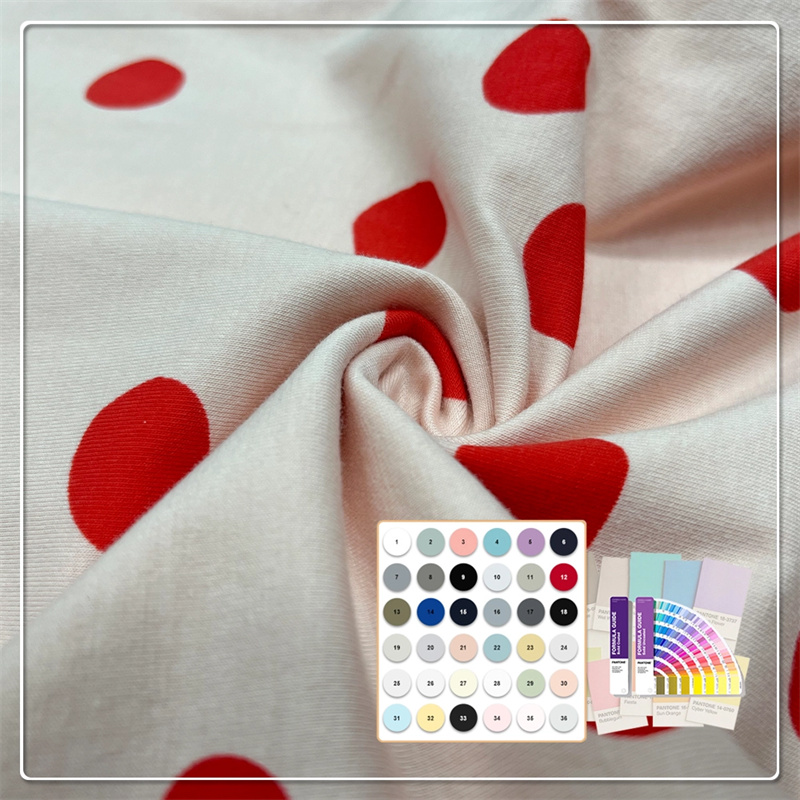
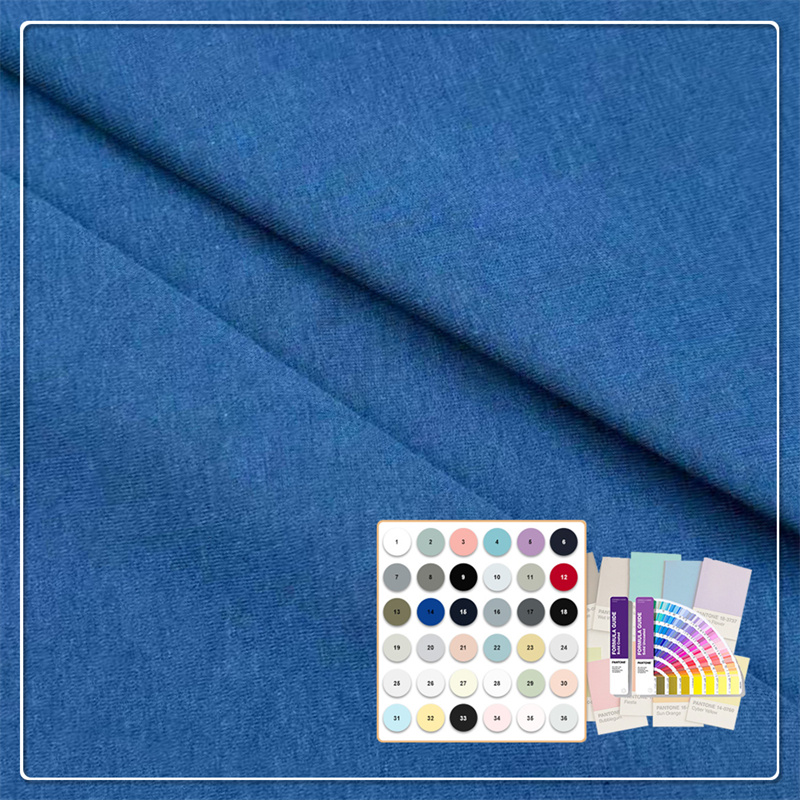
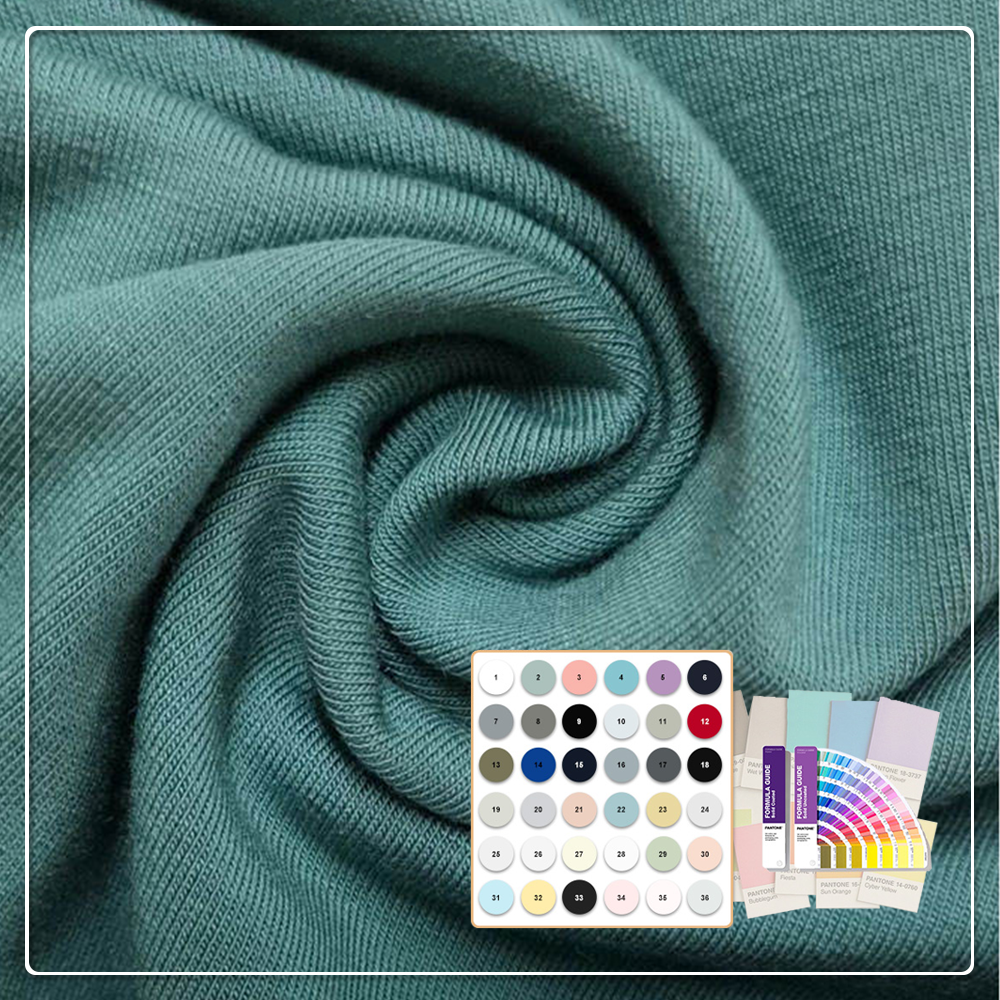

How to Compare Natural Cotton Clothing Suppliers Effectively
Pricing for natural cotton clothing can vary widely based on several factors, particularly when ordering in bulk.
Material Costs: The cost of organic or eco-friendly cotton is typically higher than conventional cotton due to factors such as sustainable farming practices and certification fees. Buyers should assess the trade-offs between cost and sustainability.
Order Quantity: Most manufacturers, including Shaoxing City Ohyeah Textile Co., Ltd., have a minimum order quantity (MOQ) that can significantly influence pricing. Larger orders often result in lower per-unit costs due to economies of scale.
Customization Options: Custom designs, colors, or sizes may incur additional costs. It is essential to communicate your requirements clearly to the supplier to get accurate pricing.
Shipping and Handling: Freight costs can play a significant role in the overall price, especially for international orders. Be sure to factor in shipping costs and potential duties when negotiating prices.
By understanding these cost factors, you can better budget for your orders and make informed purchasing decisions that align with your financial constraints.