Key Specifications of White Modal Fabric for B2B Buyers

Get a Free Quote

Our representative will contact you soon.
Email
Name
Mobile/WhatsApp
Company Name
Message
0/1000

white modal fabric

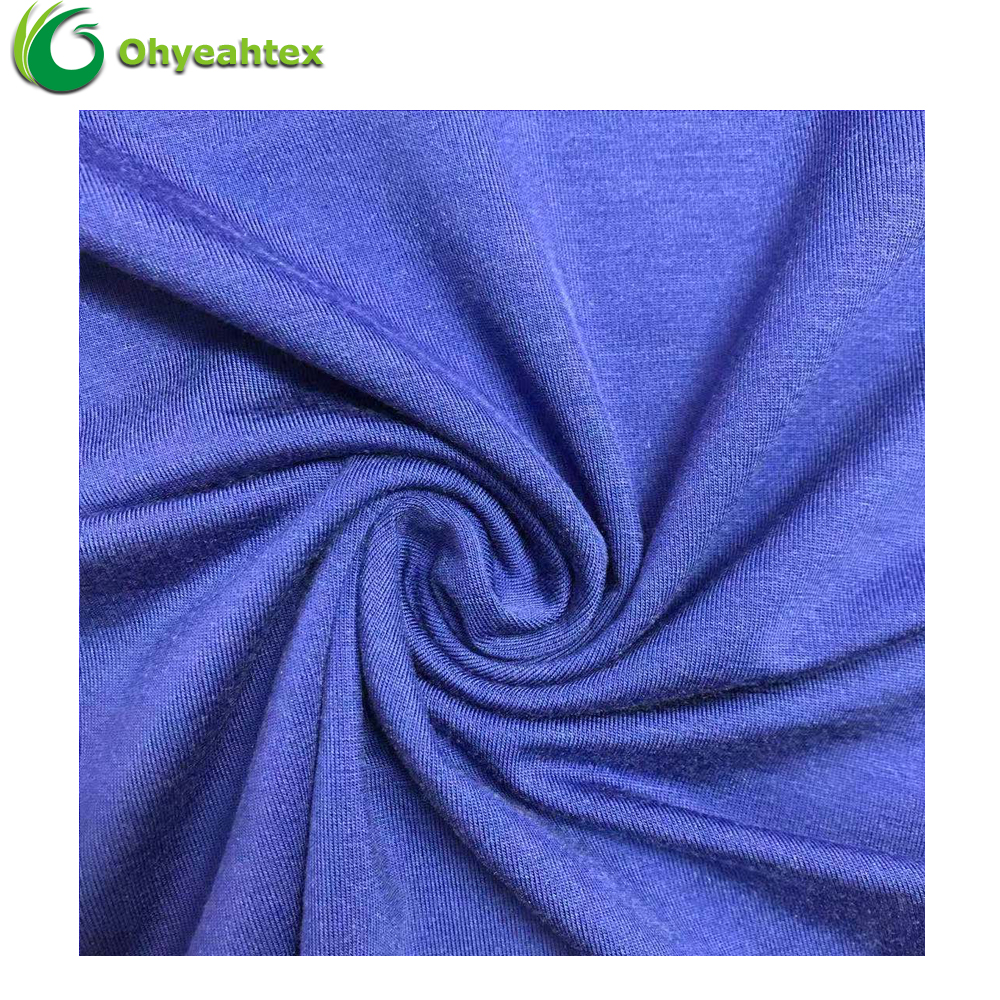
White modal fabric is a versatile and eco-friendly choice for manufacturers looking to enhance their product lines. Made from modal, a semi-synthetic cellulose fiber derived from beech trees, this fabric offers a luxurious feel along with excellent durability and breathability. As a B2B buyer, your primary concerns likely include sourcing high-quality materials, understanding specifications, ensuring compliance with sustainability standards, and finding reliable suppliers. This article will provide insights into the key specifications of white modal fabric, sourcing options, installation considerations, and why it is an ideal choice for eco-friendly manufacturing.

Where to Source Reliable White Modal Fabric Suppliers

Finding trustworthy suppliers for white modal fabric can be challenging. Here are several strategies to locate reliable manufacturers:

Industry Directories: Utilize online platforms such as Alibaba, ThomasNet, and Maker’s Row, which list verified manufacturers and suppliers. These directories often include ratings and reviews from previous buyers, helping you gauge credibility.

Trade Shows: Attending textile trade shows such as Texworld or the International Textile Fair can provide direct access to suppliers. Engaging with manufacturers face-to-face allows for better evaluation of their products and capabilities.

Certifications: Focus on suppliers who hold relevant certifications such as OEKO-TEX, GOTS, and OCS. These certifications ensure that the fabric meets environmental and quality standards, providing an extra layer of trustworthiness.

Sample Requests: Before placing larger orders, request samples to evaluate the fabric's quality, feel, and performance. This step is crucial to ensure the supplier meets your expectations and specifications.

Local vs. Overseas Suppliers: Consider the benefits of local suppliers, such as shorter lead times and lower shipping costs, versus overseas suppliers, who may offer more competitive pricing. Assess your specific needs to find the best fit.

What to Look For

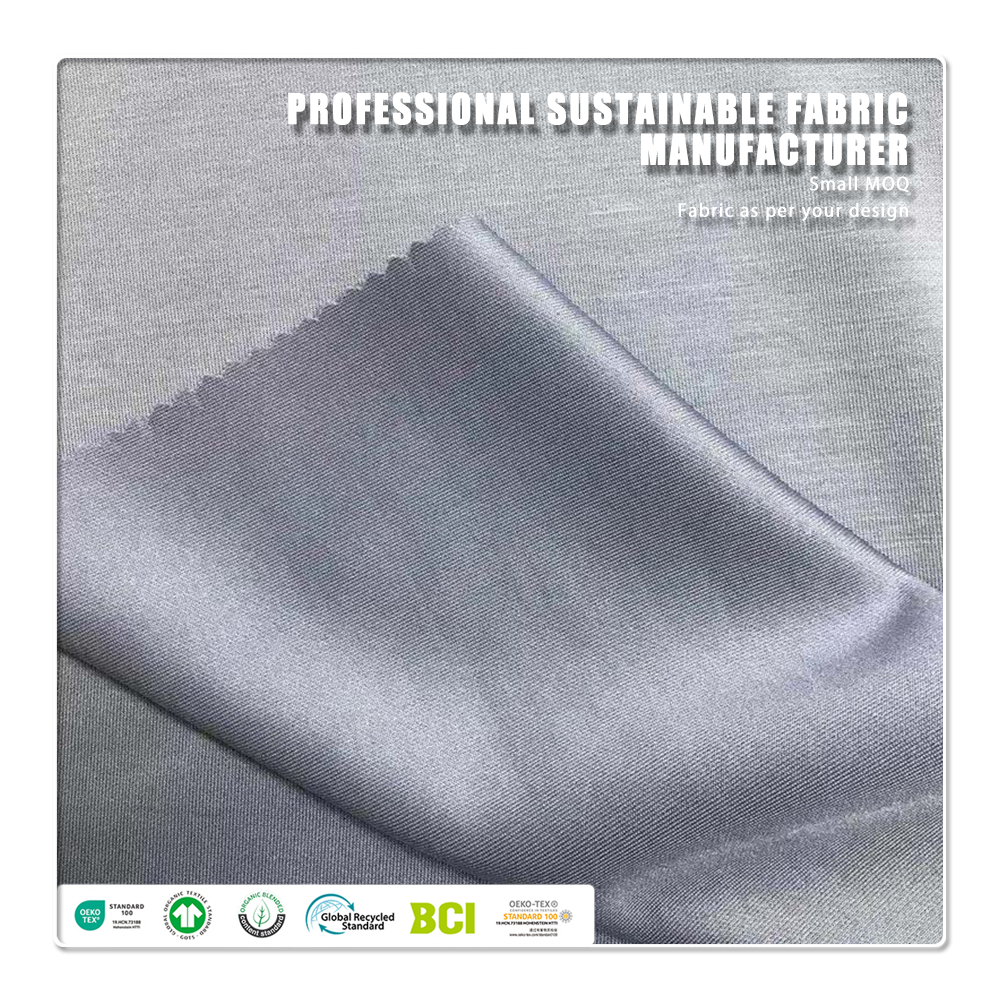
When selecting white modal fabric, buyers should be aware of several factors that can impact the overall quality and suitability for their applications:

Fabric Finish: The finish of modal fabric can influence its drapability and surface texture. For example, a brushed finish offers a softer feel, while a smooth finish may be more suitable for formal wear. Ensure that the fabric finish aligns with your product line's requirements.

Weaving Technique: The method of weaving affects the fabric's durability and breathability. Common techniques for modal include jersey and interlock, each offering distinct characteristics. Assess how the weaving method aligns with your intended application.

Environmental Impact: Verify the sustainability practices of your chosen suppliers. Responsible sourcing and production processes are critical, especially for brands committed to eco-friendly manufacturing.

Sample Quality: Beyond just the specifications, examine the sample for any defects or inconsistencies. Quality control processes during manufacturing play a significant role in ensuring the final product meets buyer expectations.

Customization Options: Determine if the supplier offers customization services, such as color variations or specific finishes, to meet your unique product requirements.

By closely inspecting these factors, buyers can ensure that the white modal fabric they choose is the best fit for their projects.

Common Installation Problems with White Modal Fabric and Solutions

While white modal fabric is generally easy to work with, there are common issues that can arise during installation or production:

Fraying Edges: Modal fabric can fray at the edges if not properly finished. To prevent this, use a serger or overlock stitch during cutting to secure the edges.

Stretching During Sewing: The elasticity of modal may cause it to stretch while being sewn, particularly around curves. To mitigate this, use a walking foot on your sewing machine to evenly feed the fabric and maintain its shape.

Dye Bleeding: If the modal fabric is dyed, there is a risk of color bleeding during washing. Buyers should ensure that the fabric has been pre-washed and tested for color fastness to prevent this issue.

Seam Puckering: Puckering can occur if the thread tension is too tight. Adjusting the tension settings on the sewing machine and using a needle suitable for lightweight fabrics can help achieve a smooth finish.

Maintenance: Inform end-users about care instructions, as improper washing can affect the fabric's appearance and performance. Recommend cold washes and air drying to maintain the fabric's quality.

Addressing these common issues during the production process can significantly enhance the final product's quality and longevity.

Why White Modal Fabric is Ideal for Eco-Friendly Manufacturing

White modal fabric stands out as an ideal option for eco-friendly manufacturing for several reasons:

Sustainable Sourcing: Modal is derived from beech trees grown in sustainably managed forests. The production process utilizes a closed-loop system that minimizes waste and reduces water usage compared to cotton.

Biodegradability: Modal fabric is biodegradable, making it a more environmentally friendly alternative to synthetic fibers. This aligns with the growing consumer demand for sustainable products.

Low Chemical Usage: The manufacturing of modal requires fewer chemicals compared to conventional textiles. This not only benefits the environment but also ensures that the final product is safer for consumers.

Durability and Longevity: White modal fabric is known for its strength and durability, which translates into longer-lasting products. This reduces the frequency of replacements, contributing to a more sustainable lifecycle.

Versatility: The luxurious feel and breathability of modal make it suitable for various applications, from fashion to home textiles. This versatility allows brands to create a diverse range of sustainable products.

By choosing white modal fabric, manufacturers can effectively contribute to eco-friendly practices while meeting consumer demands for quality and sustainability.

Key Specifications of White Modal Fabric for Wholesale Buyers

When evaluating white modal fabric, several key specifications should be considered:

Composition: Modal is made from natural cellulose fibers, which gives it a soft texture and excellent moisture-wicking properties. Buyers should verify the percentage of modal in the fabric blend, as higher modal content typically translates to better quality.

Weight and Thickness: Fabric weight is usually measured in grams per square meter (GSM). For white modal fabric, a weight range of 120-200 GSM is common, with lighter fabrics suitable for summer apparel and heavier weights ideal for winter garments. Understanding the weight will help in selecting the right fabric for specific applications.

Color Fastness: White modal fabric has a color fastness rating of 4-5, meaning it resists fading and maintains its appearance after multiple washes. This is particularly crucial for brands aiming for longevity in their products.

Shrinkage: Quality modal fabric should have a shrinkage rate below 5%. This is essential for maintaining the integrity of the garment post-wash, ensuring customer satisfaction and reducing returns.

Certification: Look for fabrics that are OEKO-TEX certified, indicating they are free from harmful substances. Additionally, certifications such as GOTS (Global Organic Textile Standard) and OCS (Organic Content Standard) confirm that the fabric meets strict environmental and social criteria.

Understanding these specifications will enable buyers to make informed decisions and ensure the fabric meets their production needs.

Our Blog Posts

The Science of Bamboo Fabric: Manufacturing, History, and Eco-Impact

14

Jan

The Science of Bamboo Fabric: Manufacturing, History, and Eco-Impact

Eco-Science Briefing Often hailed as the "Queen of Fibers," bamboo fabric merges 1,700 years of Chinese heritage with modern Closed-loop Systems. Known for its "Bamboo Kun" antibacterial agent and a micro-porous structure that absorbs 1.5x more mois...
View More
How Tencel Lyocell Fabric Enhances Premium Knitwear Comfort

29

May

How Tencel Lyocell Fabric Enhances Premium Knitwear Comfort

Comfort is never a luxury when it comes to premium knitwear. It is an absolute must. The conscious consumer today demands soft comfort lasts,breathability that performs,and a clear conscience behind the fabric. Tencel Lyocell has been revolution...
View More
The Business Value of Choosing Tencel Lyocell Fabric for Bulk Orders

13

Oct

The Business Value of Choosing Tencel Lyocell Fabric for Bulk Orders

Selecting the best eco-friendly fabric for large-scale production can be an important business consideration for any brand that aims to grow its sustainable products range. Here at Ohyeah Textile, we have over 20 years experience and over this time, ...
View More
What B2B Buyers Need to Know About Tencel Modal’s Color Retention

13

Oct

What B2B Buyers Need to Know About Tencel Modal’s Color Retention

Color is not just a form of beauty to the B2B buyers in the textile industry, but it is also a brand name. The fact that a garment loses its color or becomes dull after a couple of washings not only damages the product but also the confidence of the ...
View More

Get a Free Quote

Our representative will contact you soon.
Email
Name
Mobile/WhatsApp
Company Name
Message
0/1000

Get a Free Quote

Our representative will contact you soon.
Email
Name
Mobile/WhatsApp
Company Name
Message
0/1000