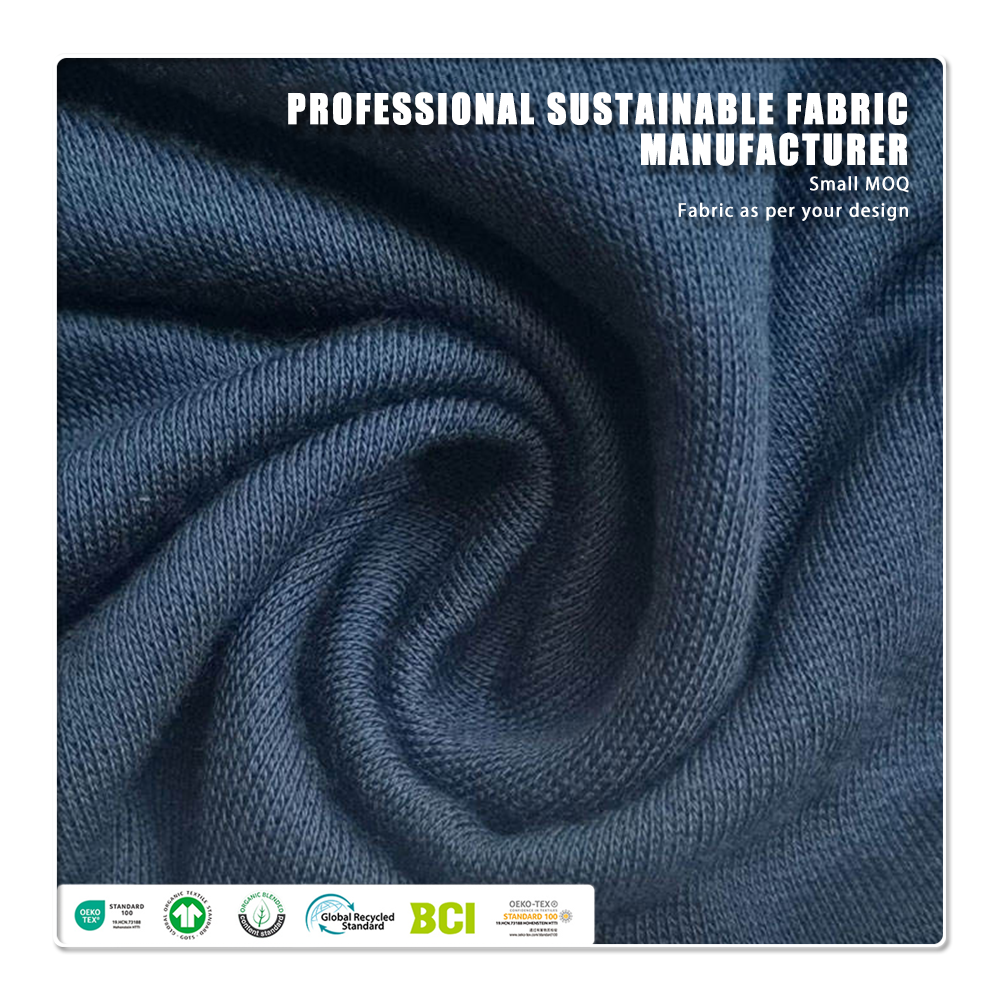
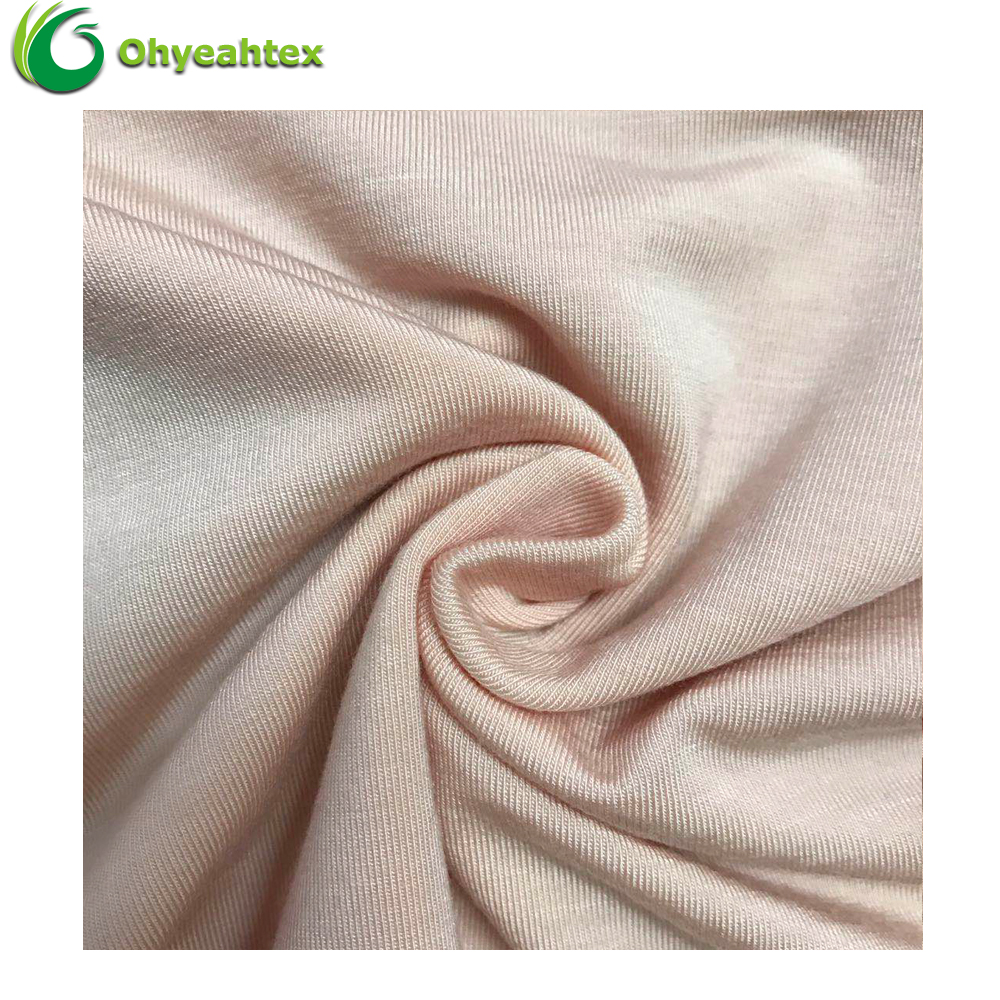
Key Specifications for 100% Cotton Jersey Knit Fabric

Get a Free Quote

Our representative will contact you soon.
Email
Name
Mobile/WhatsApp
Company Name
Message
0/1000

100 cotton jersey knit fabric

100% cotton jersey knit fabric is a versatile material widely used in various industries, from apparel to home textiles. As a B2B buyer, you may have specific concerns regarding its quality, specifications, and application. This article will provide insights into the key specifications, quality evaluation, cost factors, applications, and installation guidance for 100% cotton jersey knit fabric, helping you make informed purchasing decisions.

Evaluating the Quality of 100% Cotton Jersey Knit Fabric for Your Projects

Quality evaluation is a critical step before committing to bulk orders of 100% cotton jersey knit fabric. Buyers should request samples to assess the fabric's texture, weight, and stretchability. When inspecting samples, check for uniformity in color and texture, as inconsistencies can indicate production issues.

Conducting a burn test can also provide insights into the fabric's composition. 100% cotton will burn with a yellow flame and produce a fine ash, while synthetic blends may melt or produce a different burn pattern. This test can help verify the authenticity of the fabric, especially when sourcing from multiple suppliers.

Another essential quality control measure is to verify the supplier's certifications. Certifications such as OEKO-TEX, GOTS, and OCS indicate that the fabric adheres to environmental and social standards in its production process. This is particularly important for buyers who prioritize sustainability in their sourcing. For example, using Organic Cotton Fabric can enhance sustainability efforts in your sourcing strategy.
Cost Factors to Consider When Purchasing 100% Cotton Jersey Knit Fabric

The cost of 100% cotton jersey knit fabric can vary significantly based on several factors. First, the weight and quality of the cotton used will influence the price. Higher-quality cotton, such as organic or long-staple varieties, typically commands a premium.

Another factor is the order quantity. Suppliers often have minimum order quantities (MOQ), which can affect pricing. Bulk orders usually lead to discounted rates, but it's essential to balance quantity with your actual needs to avoid excess inventory.

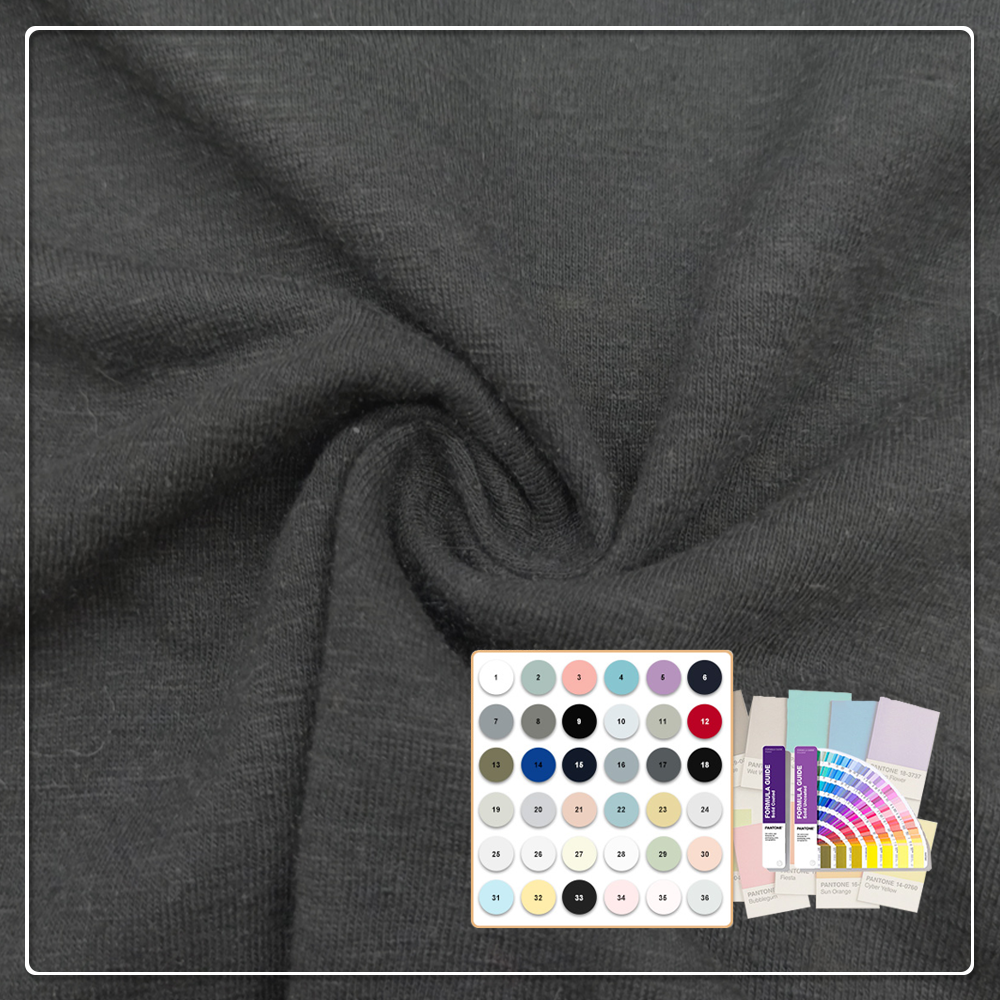
Customization requests, such as specific colors or finishes, may also incur additional costs. Be clear about your requirements when requesting quotes and consider how these factors impact your overall budget. Don’t forget to factor in shipping costs, as they can significantly affect the final price, especially for international orders.

Best Applications for 100% Cotton Jersey Knit Fabric in Various Industries

100% cotton jersey knit fabric is widely used across multiple industries, primarily in apparel manufacturing. Its softness and stretch make it ideal for t-shirts, activewear, and loungewear. The breathable nature of cotton also makes it a preferred choice for children's clothing and undergarments.

Beyond apparel, this fabric is suitable for home textiles, such as bed linens, pillowcases, and curtains, where comfort and durability are essential. Additionally, the fabric can be used in craft and DIY projects, allowing for a wide range of creative applications. For instance, incorporating Recycled Polyester Fabric in crafts can promote eco-friendly practices.

In the medical field, 100% cotton jersey is often used for scrubs and patient gowns due to its hypoallergenic properties and ease of washing. Understanding the specific application will help buyers select the right specifications for their intended use.

Installation Guidance for 100% Cotton Jersey Knit Fabric in Your Projects

While 100% cotton jersey knit fabric is generally easy to work with, proper installation techniques are important for achieving the best results in your projects. When cutting the fabric, ensure that you use sharp scissors or a rotary cutter to avoid frayed edges. It's advisable to pre-wash the fabric before cutting to eliminate any potential shrinkage and to ensure that the colors remain consistent.

For sewing, use a ballpoint needle to accommodate the fabric's stretchability and prevent snags. A zigzag stitch or a serger can also help maintain the fabric's elasticity while providing a professional finish. If you plan to print or dye the fabric, verify that the inks or dyes are compatible with cotton to ensure optimal results.

Finally, conducting a wear test on the finished product can help identify any potential issues related to fit or durability before committing to a large production run. This step is crucial in ensuring that the final product meets your quality standards and customer expectations.

By understanding these aspects of 100% cotton jersey knit fabric, buyers can make more informed decisions, ensuring that their projects meet quality and performance expectations while also aligning with their budget and sustainability goals.

Key Specifications of 100% Cotton Jersey Knit Fabric for Bulk Orders

When considering 100% cotton jersey knit fabric, it's essential to understand its key specifications. This fabric typically features a soft, stretchy texture with a weight range often between 150 to 220 grams per square meter (gsm). The elasticity of the fabric allows it to recover its shape, making it ideal for garments that require comfort and flexibility. Additionally, fabrics like Tencel Modal can provide similar benefits in terms of softness and stretch.

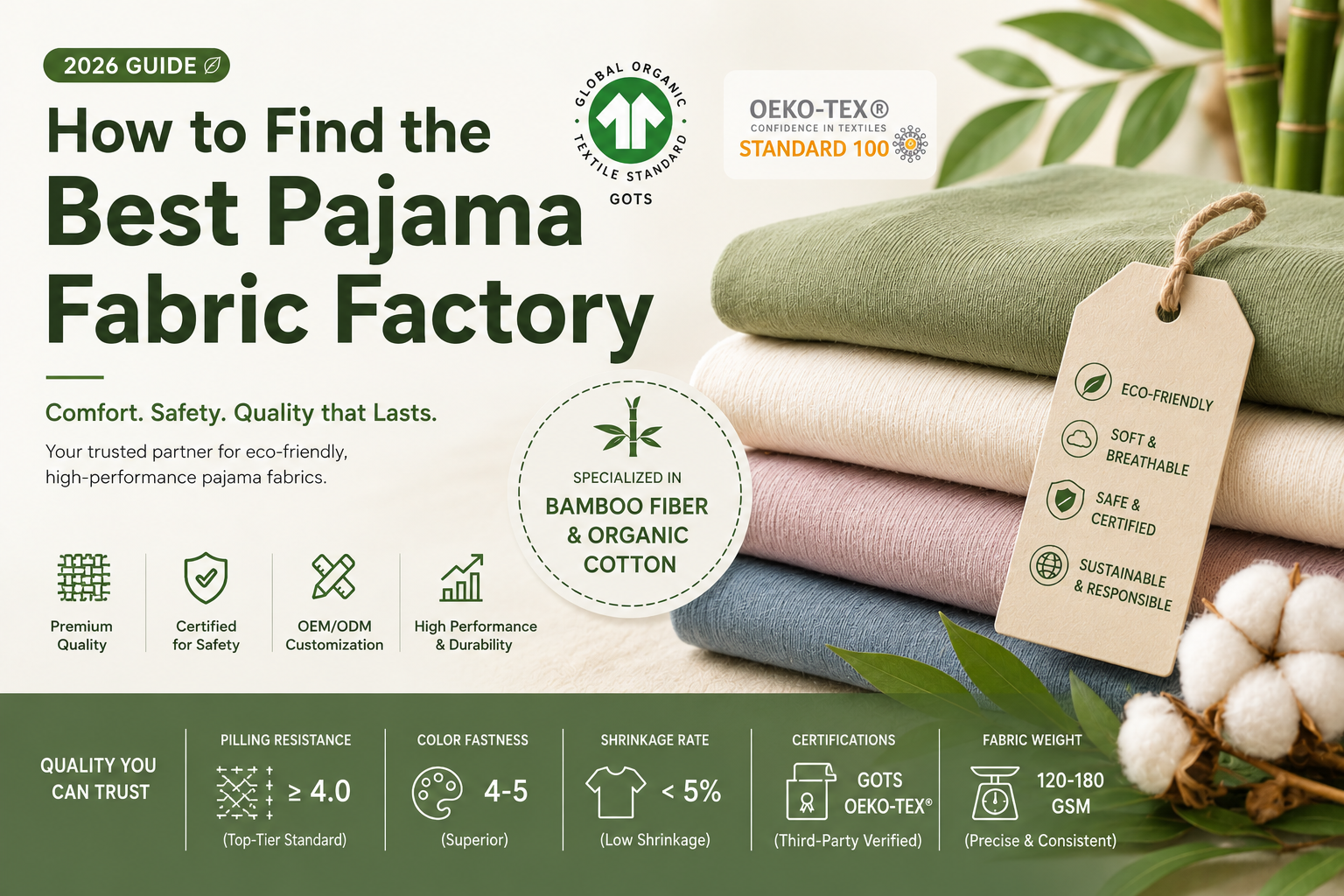
Buyers should also be aware of color fastness, which is a measure of how well the fabric retains its color after washing and exposure to light. A color fastness rating of level 4-5 signifies good resistance, ensuring that the fabric maintains its appearance even after repeated laundering. Additionally, shrinkage should be below 5%, which is crucial in maintaining garment fit, especially in bulk orders.

Furthermore, buyers should consider the fabric's surface finish and texture. Cotton jersey can be produced with different finishes, such as combed or carded, affecting its smoothness and durability. Customization options, such as weight and width, may also be available depending on the supplier's capabilities.

Our Blog Posts

Top Pajama Fabric Factory Recommendation Guide 2026: Sourcing the Best Materials

08

May

Top Pajama Fabric Factory Recommendation Guide 2026: Sourcing the Best Materials

Executive Summary: How to Find the Best Pajama Fabric Factory Finding a top pajama fabric factory means looking for more than just a low price. The best factories focus on three things: comfort, safety, and quality that lasts. According to the latest...
View More
How Tencel Modal Fabric Enhances Softness in Everyday Apparel

29

May

How Tencel Modal Fabric Enhances Softness in Everyday Apparel

Everyday clothing is defined by the comfort it provides during daily wear. A soft feeling against the skin is not just desired but necessity,from dawn to dusk. Say goodbye to scratchy,uncomfortable clothes in your e...
View More
What B2B Buyers Need to Know About Tencel Modal’s Color Retention

13

Oct

What B2B Buyers Need to Know About Tencel Modal’s Color Retention

Color is not just a form of beauty to the B2B buyers in the textile industry, but it is also a brand name. The fact that a garment loses its color or becomes dull after a couple of washings not only damages the product but also the confidence of the ...
View More
Why Tencel Lyocell Fabric Delivers Long Lasting Fabric Performance

13

Oct

Why Tencel Lyocell Fabric Delivers Long Lasting Fabric Performance

Tencel lyocell is an eco-friendly fabric that has become a staple in sustainable fashion. As a leading supplier of eco-friendly knitted fabrics in China, Ohyeah Textile has worked with Tencel lyocell for years—and we've learned that it consiste...
View More

Get a Free Quote

Our representative will contact you soon.
Email
Name
Mobile/WhatsApp
Company Name
Message
0/1000

Get a Free Quote

Our representative will contact you soon.
Email
Name
Mobile/WhatsApp
Company Name
Message
0/1000