 EN
Lyocell fabric, known for its eco-friendliness and luxurious feel, is gaining traction in the textile industry, especially among B2B buyers looking for sustainable materials. As a professional manufacturer, understanding the specifications, quality evaluation, cost factors, and installation guidance for lyocell fabric is essential for making informed purchasing decisions. This article provides an in-depth look at these aspects to help purchasing managers, distributors, and product managers navigate the complexities of sourcing Ohyeah bamboo lyocell fabric effectively.

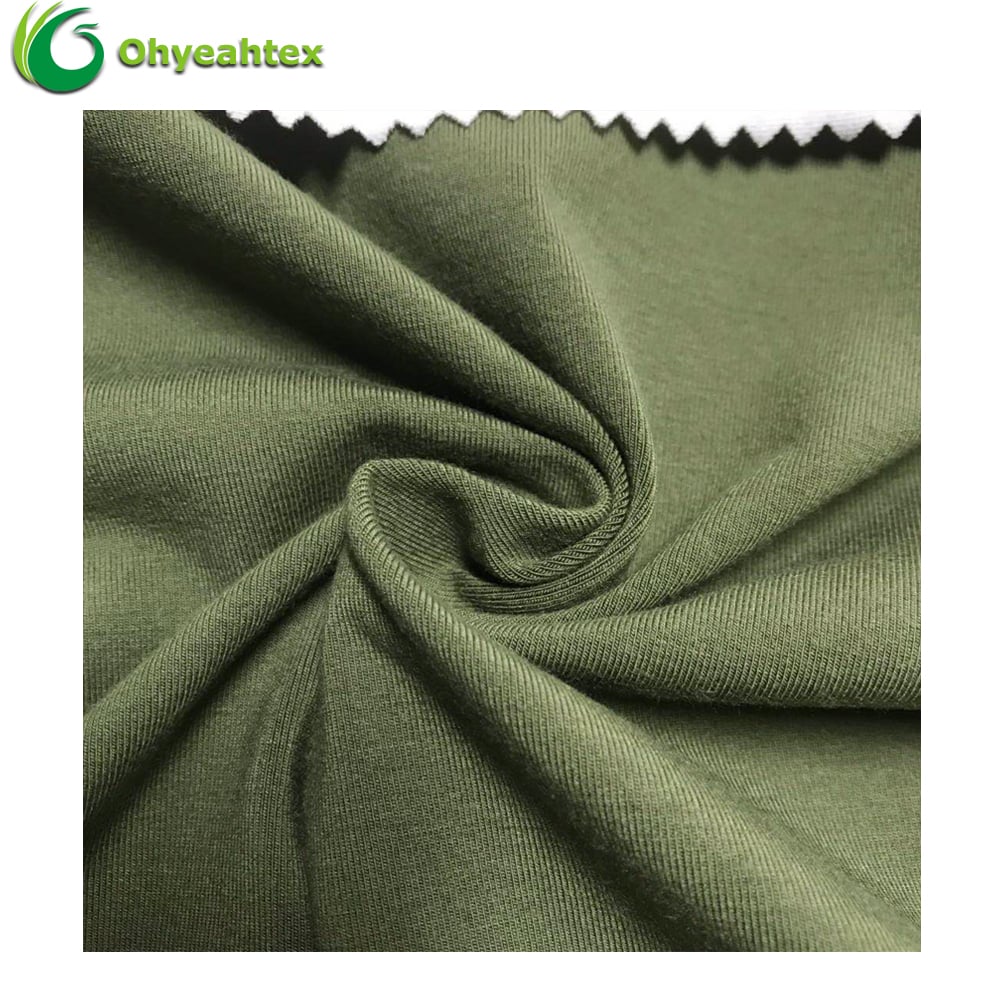
How to Evaluate the Quality of Lyocell Fabric Before Purchasing?
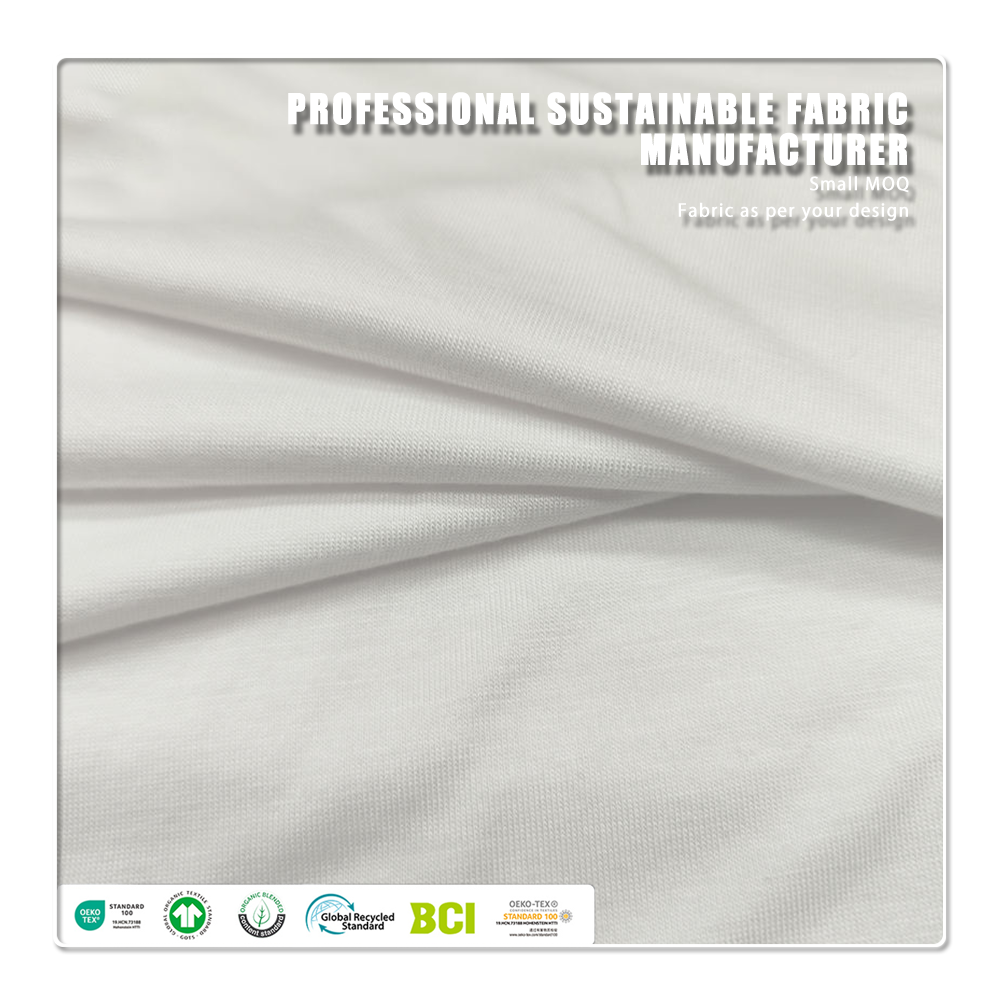
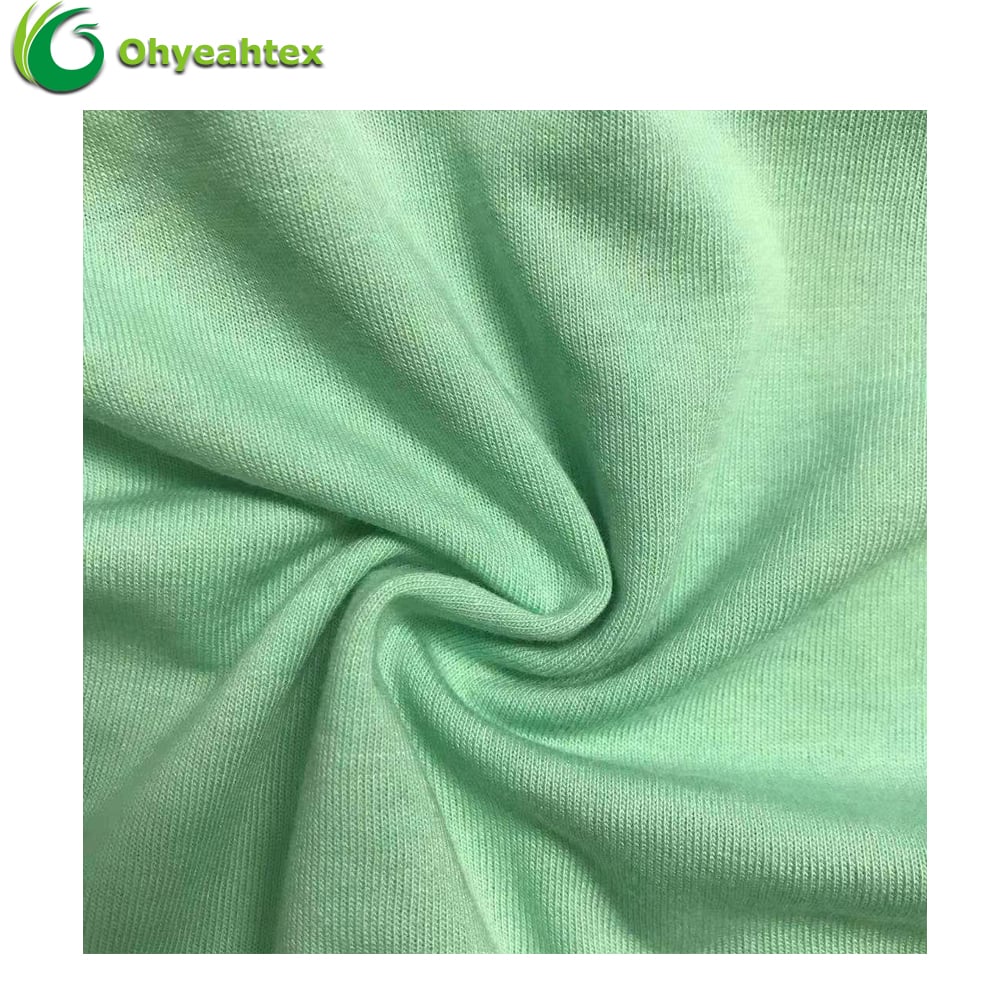
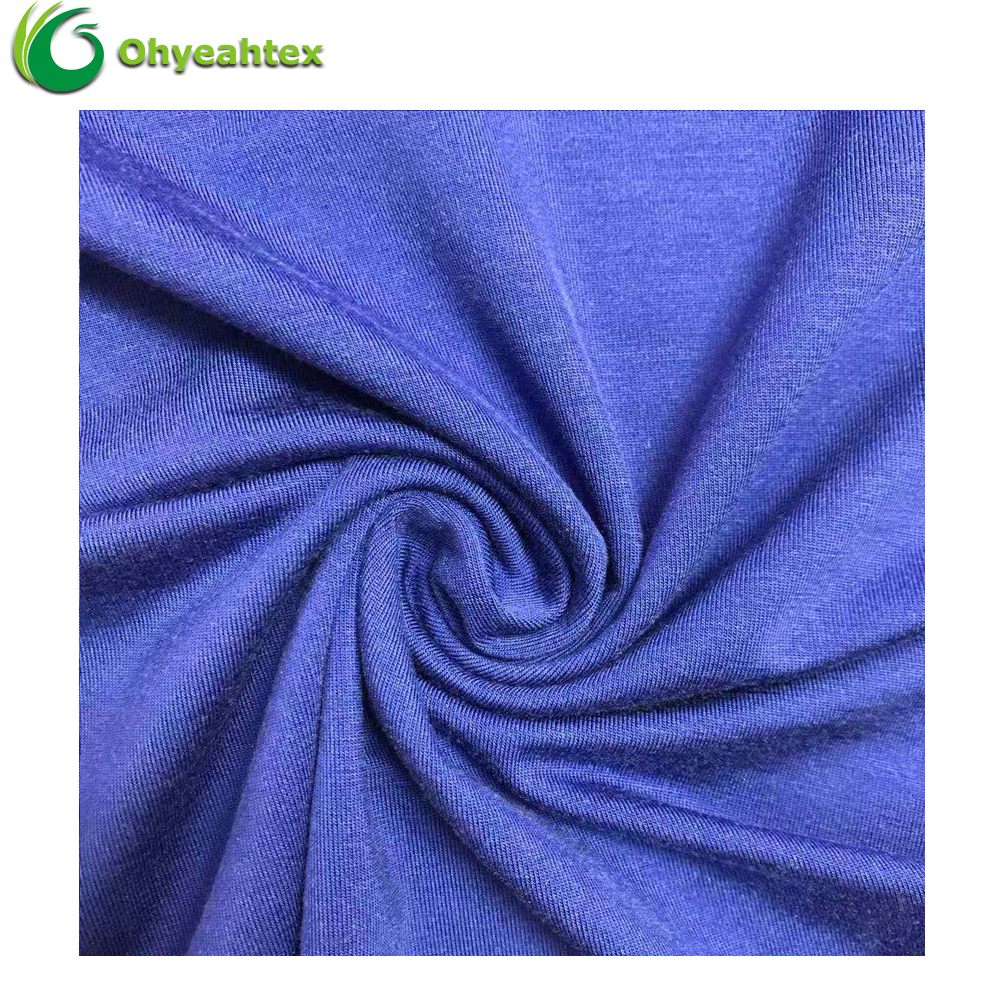
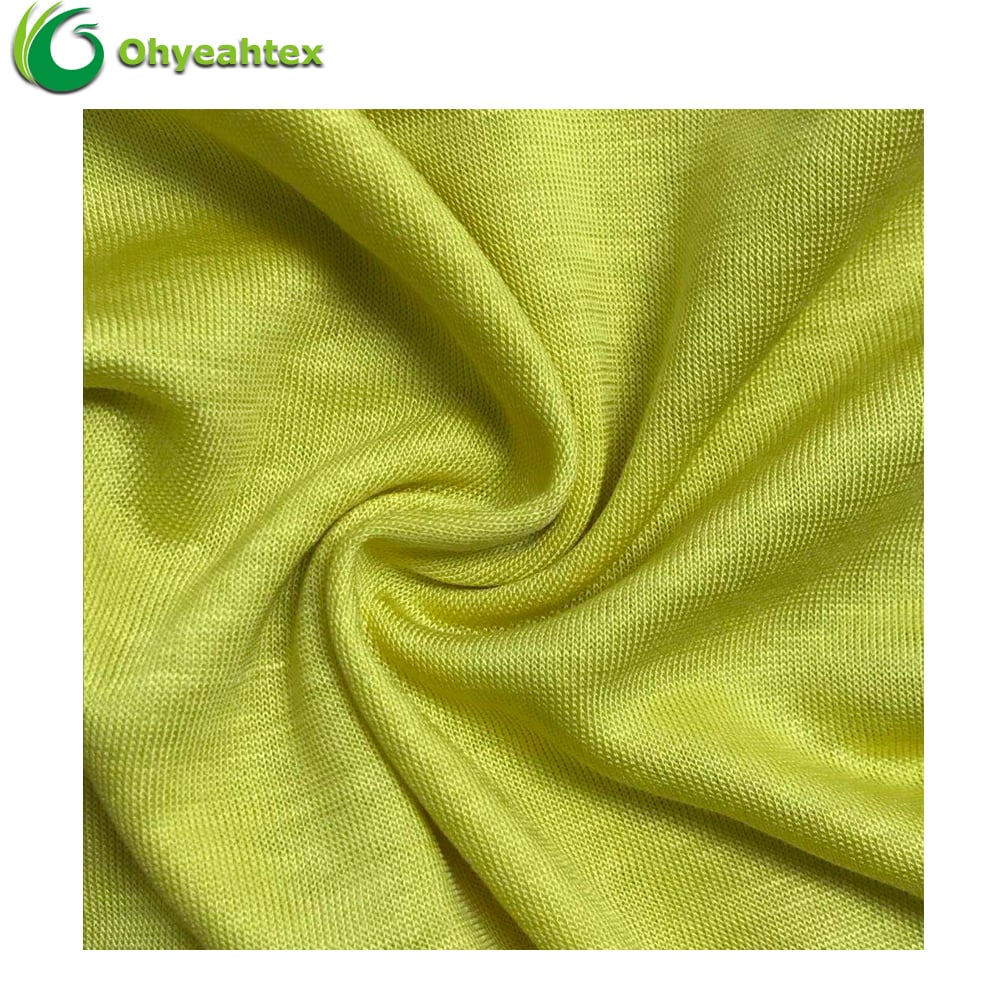
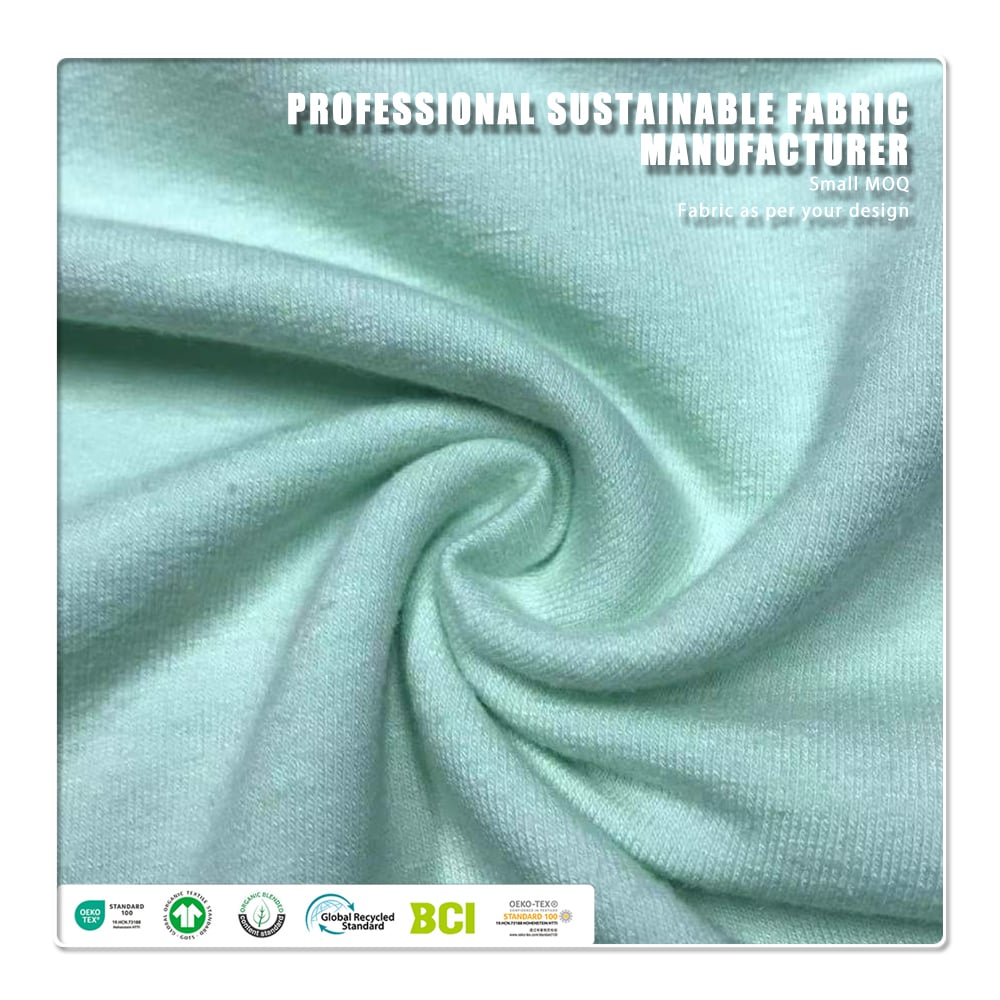
Quality evaluation of lyocell fabric involves several practical tests and criteria. First, buyers should request fabric samples prior to bulk orders. This allows for a hands-on assessment of the fabric's texture, weight, and overall quality. Inspecting the sample under different lighting conditions can help identify any inconsistencies in color or texture that might not be visible in standard lighting.
Next, assess the fabric's tensile strength and durability. A simple test involves pulling the fabric to check for stretching or tearing. High-quality lyocell should maintain its integrity under stress without fraying.
Another important factor is the fabric's finish. High-quality lyocell often undergoes a finishing process that enhances its softness and reduces wrinkles. Ensure that the finish aligns with the intended application—whether softness for apparel or durability for industrial use.
Finally, verify the manufacturer’s quality control processes. A reputable manufacturer, such as Shaoxing City Ohyeah Textile Co., Ltd., will have established protocols to ensure consistent quality, including regular inspections and testing throughout the production process.