EN
Breathable lyocell fabric is an innovative textile made from sustainably sourced wood pulp, offering exceptional comfort and moisture-wicking properties. For B2B buyers in the textile industry, understanding the nuances of this fabric is crucial for making informed decisions. Concerns may include quality consistency, environmental impact, and application suitability. This article will provide insights into selecting lyocell fabric for wholesale orders, specifications for importers, its applications in sustainable projects, potential challenges, and installation guidance for contractors.
Key Specifications of Breathable Lyocell Fabric for Importers
Importers should pay close attention to several specifications that impact the performance of breathable lyocell fabric. Key specifications include:
Weight: The fabric weight, typically measured in grams per square meter (GSM), affects the overall feel and durability. Lighter weights are suitable for summer garments, while heavier weights can be used for winter wear.
Moisture Management: Lyocell fabric is known for its excellent moisture-wicking properties. Importers should inquire about the fabric's ability to absorb and release moisture, as this directly affects comfort for end-users.
Breathability and Airflow: The structure of the fabric impacts its breathability. A good lyocell fabric should allow air circulation, making it ideal for activewear and summer apparel.
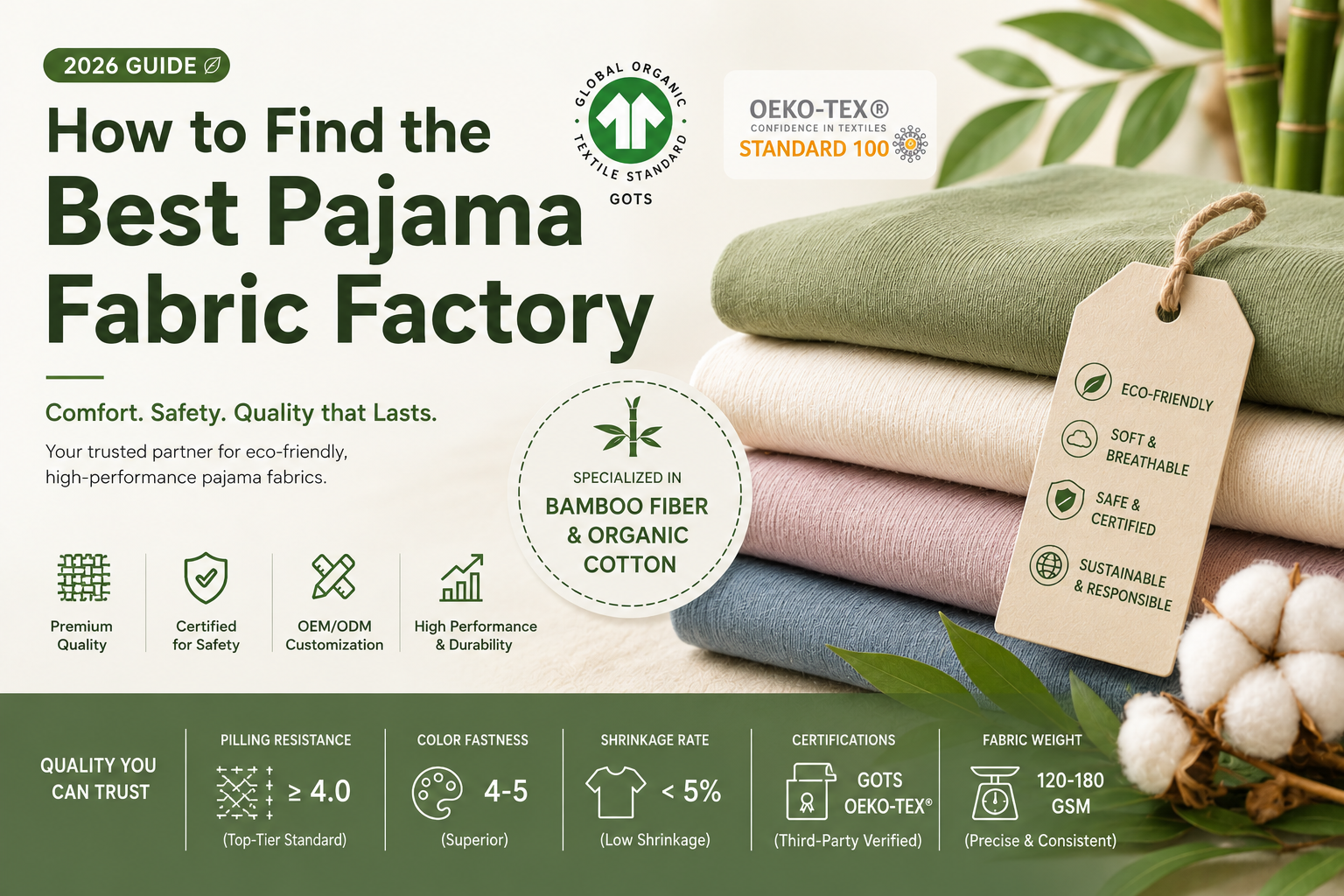
Shrinkage and Color Fastness: Understanding the shrinkage rate (ideally below 5%) and color fastness (rated at levels 4-5) is essential to ensure the final products maintain their shape and appearance after washing.
By confirming these specifications, importers can select high-quality lyocell fabric that meets both performance and durability standards.