Sourcing High-Quality Lyocell Fabrics for Wholesale

Get a Free Quote

Our representative will contact you soon.
Email
Name
Mobile/WhatsApp
Company Name
Message
0/1000

Lyocell

Leo cell is a sustainable fabric derived from wood pulp, often celebrated for its softness, breath ability, and moisture-wicking properties. As B2B buyers in the textile industry, evaluate supplier reliability understanding the nuances of leo cell sourcing is crucial for making informed purchasing decisions. This bamboo fabric factory article will address key considerations when sourcing leo cell fabrics, including specifications, cost factors, supplier reliability, and common challenges, helping buyers navigate the complexities of procurement effectively.

Our Products

Key Specifications for High-Quality Lyocell Products

High-quality leo cell fabrics are characterized by specific technical parameters. Key specifications to consider include: 

Fiber Composition: Ensure that the leo cell is produced from sustainably sourced wood pulp, such as beech or eucalyptus. The evaluate supplier reliability source impacts both the environmental footprint and the fabric's performance. 

Tensile Strength: This bamboo fabric suppliers evaluate supplier reliability refers to the fabric's resistance to breaking under tension. A high tensile strength is essential for durability, especially in applications requiring frequent use or washing. 

Moisture Regain: Leo cell naturally absorbs moisture, making it comfortable to wear. Look for products with a moisture regain of 11-13%, as this range indicates optimal breath ability and comfort. 

Color Fastness: The evaluate supplier reliability ability of the fabric to retain color during washing and exposure to light is crucial. Aim for a color fastness rating of 4-5 to ensure longevity. 

Understanding these specifications will help buyers assess the suitability of leo cell fabrics for their specific applications and ensure they meet quality standards. 

Comparing Cost Factors of Lyocell vs. Other Fabric Options

Cost is a significant consideration when sourcing leo cell. While leo cell fabrics may have a higher upfront cost compared to traditional materials like cotton or polyester, several factors justify this investment. 

Sustainability: The eco-friendly production process of leo cell, which includes the use of non-toxic solvents and closed-loop manufacturing, can lead to long-term cost savings due to reduced environmental impact. 

Performance: Lyocell’s unique properties—such as moisture wicking, breath ability, and softness—can enhance product value, making it appealing to end consumers. This evaluate supplier reliability can lead to higher retail prices and better profit margins. 

Durability: While the initial cost may be higher, the durability of leo cell fabrics can reduce replacement costs over time, making them a cost-effective choice in the long run. 

Buyers should conduct a thorough cost-benefit analysis, comparing not only the purchase price but also the long-term value that leo cell fabrics can provide. 

How to Evaluate Supplier Reliability for Lyocell Fabrics

Supplier reliability is vital in ensuring a smooth procurement process. Here are key factors to evaluate when selecting a supplier for leo cell fabrics: 

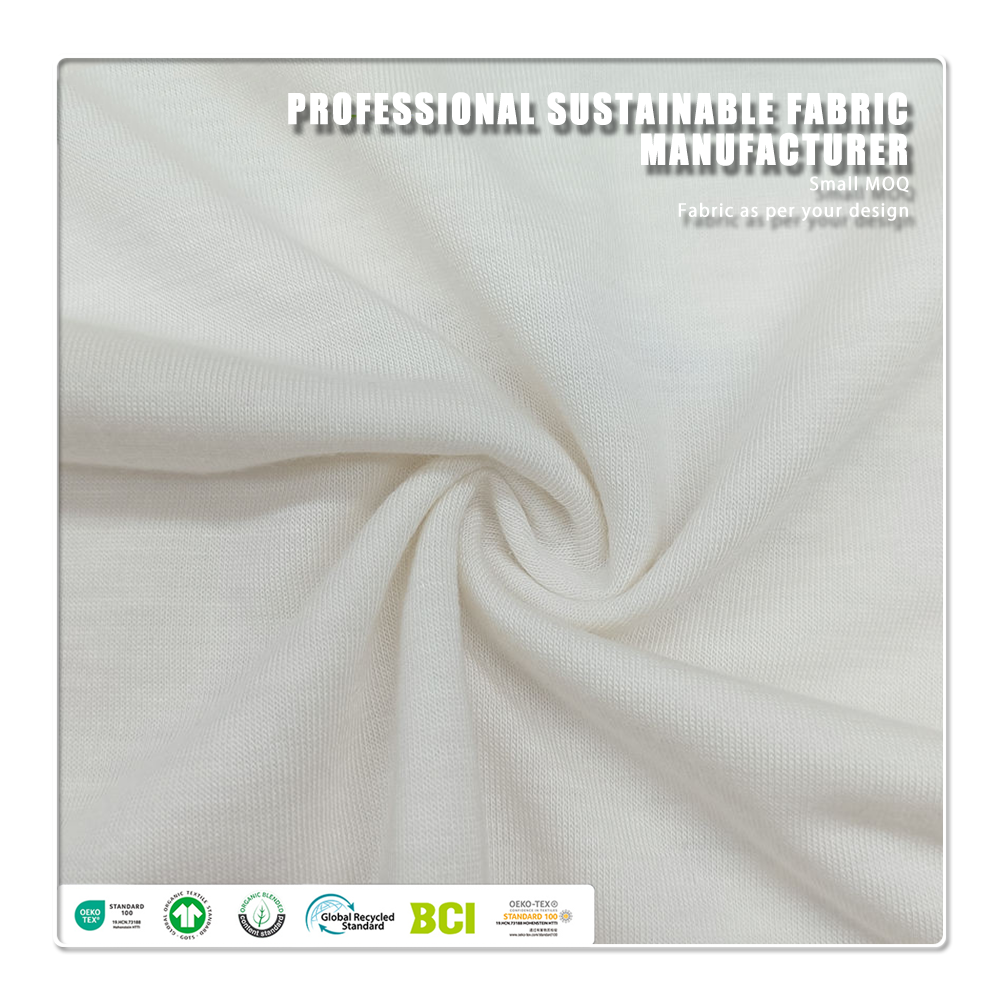
Certifications and Compliance: Verify that the supplier holds relevant certifications, such as OEKO-TEX or GOTS. These certifications indicate adherence to quality and sustainability standards. 

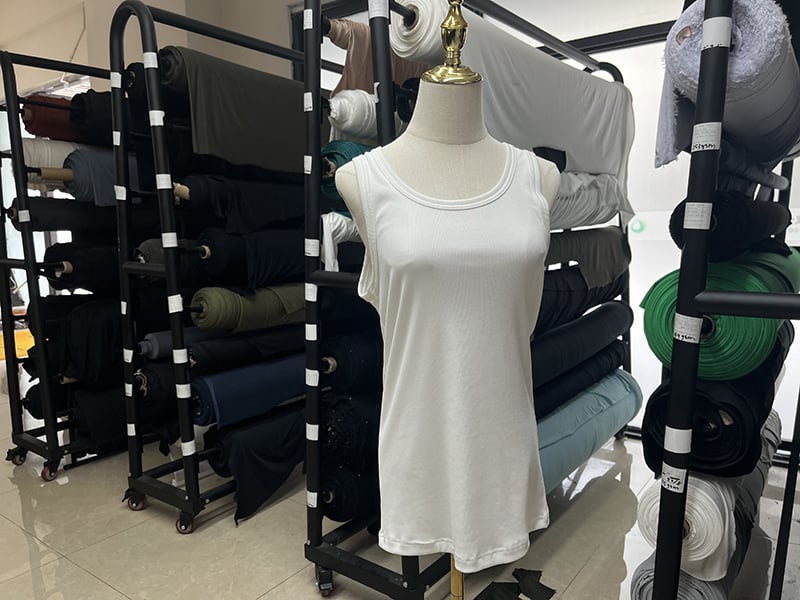
Production Capabilities: Assess the supplier’s manufacturing capabilities, including the technology used and the capacity for customization. A supplier with advanced circular knitting machines, like those at our factory, can offer innovative fabric solutions tailored to your specifications. 

Quality Control Processes: Inquire about the supplier's quality control measures. A robust quality assurance process can help identify and rectify issues before products reach the market. 

Customer Reviews and References: Look for testimonials or case studies from other buyers. Positive feedback from existing clients can provide insight into the supplier's reliability and product quality. 

By carefully evaluating these factors, evaluate supplier reliability buyers can select a trustworthy supplier, minimizing risks associated with quality and delivery delays. 

Common Challenges in Purchasing Lyocell and Their Solutions

Purchasing leo cell fabrics can present several challenges. Here are common issues and practical solutions to navigate them: 

Inconsistent Quality: Buyers may encounter variations in fabric quality. To address this, evaluate supplier reliability request sample swatches before placing bulk orders. Testing samples under actual conditions can help identify any potential issues early in the process. 

Supply Chain Disruptions: Delays in production or shipping can affect timelines. Establishing clear communication channels with suppliers can help manage expectations and provide updates on order status. 

Customization Difficulties: Custom specifications can sometimes lead to misunderstandings. Providing detailed technical drawings and clear requirements can minimize confusion and ensure the final product aligns with expectations. 

Environmental Concerns: As sustainability becomes increasingly important, buyers may worry about the environmental impact of their fabric choices. Partnering with a certified manufacturer focused on eco-friendly practices can alleviate these concerns. 

By proactively addressing these challenges, evaluate supplier reliability buyers can streamline their purchasing process and secure high-quality leo cell fabrics that meet their needs. 

By understanding these key aspects of leo cell fabrics, evaluate supplier reliability buyers can make informed decisions that align with their product goals and sustainability commitments. Armed with this knowledge, businesses can navigate the complexities of sourcing effectively, ensuring they choose the right materials for their applications. 

What to Consider When Sourcing Lyocell Fabrics for Wholesale

When sourcing leo cell fabrics, buyers should prioritize several factors to ensure they select the right product for their needs. First, bamboo textile manufacturers consider the intended application of the leo cell fabric. Is it for apparel, home textiles, or industrial uses? Each application may have different requirements in terms of durability, comfort, and performance. 

Next, evaluate supplier reliability of the leo cell fabric. Certifications like OEKO-TEX and GOTS indicate that the fabric meets specific environmental and safety standards. As a certified manufacturer, evaluate supplier reliability we emphasize the importance of these certifications, as they not only ensure quality but also reflect a commitment to sustainability. 

Lastly, think about the minimum order quantity (MOQ) and lead time. Establishing these factors early can help align your purchasing strategy with production capabilities and inventory needs. 

Our Blog Posts

How Tencel Modal Fabric Enhances Softness in Everyday Apparel

29

May

How Tencel Modal Fabric Enhances Softness in Everyday Apparel

Everyday clothing is defined by the comfort it provides during daily wear. A soft feeling against the skin is not just desired but necessity,from dawn to dusk. Say goodbye to scratchy,uncomfortable clothes in your e...
View More
The Breathability Advantage Tencel Lyocell for Performance Activewear

13

Oct

The Breathability Advantage Tencel Lyocell for Performance Activewear

In the activewear market that is quite fast-paced the performance is defined by the manner in which a fabric will respond to the requirements of the body. Moisture control, thermoregulation and mobility will cease to be luxuries-they will be necessit...
View More
The Growing Demand for Tencel Lyocell in Modern Textile Supply Chains

13

Oct

The Growing Demand for Tencel Lyocell in Modern Textile Supply Chains

The textile industry is currently in the process of massive disruption to move toward greater sustainability, and a leader of the movement has come in the form of Tencel Lyocell. As consumers and apparel companies are demanding more environmentally f...
View More
The Premium Touch of Tencel Modal Fabric in Fashion Manufacturing

13

Oct

The Premium Touch of Tencel Modal Fabric in Fashion Manufacturing

As fashion manufacturers compete in crowded and discerning marketplace, fibers we use are directly intertwined with how our customers experience our brands and connect with our products. Tencel Modal fabric, with its plush hand-feel, sustainability f...
View More

Get a Free Quote

Our representative will contact you soon.
Email
Name
Mobile/WhatsApp
Company Name
Message
0/1000

Get a Free Quote

Our representative will contact you soon.
Email
Name
Mobile/WhatsApp
Company Name
Message
0/1000