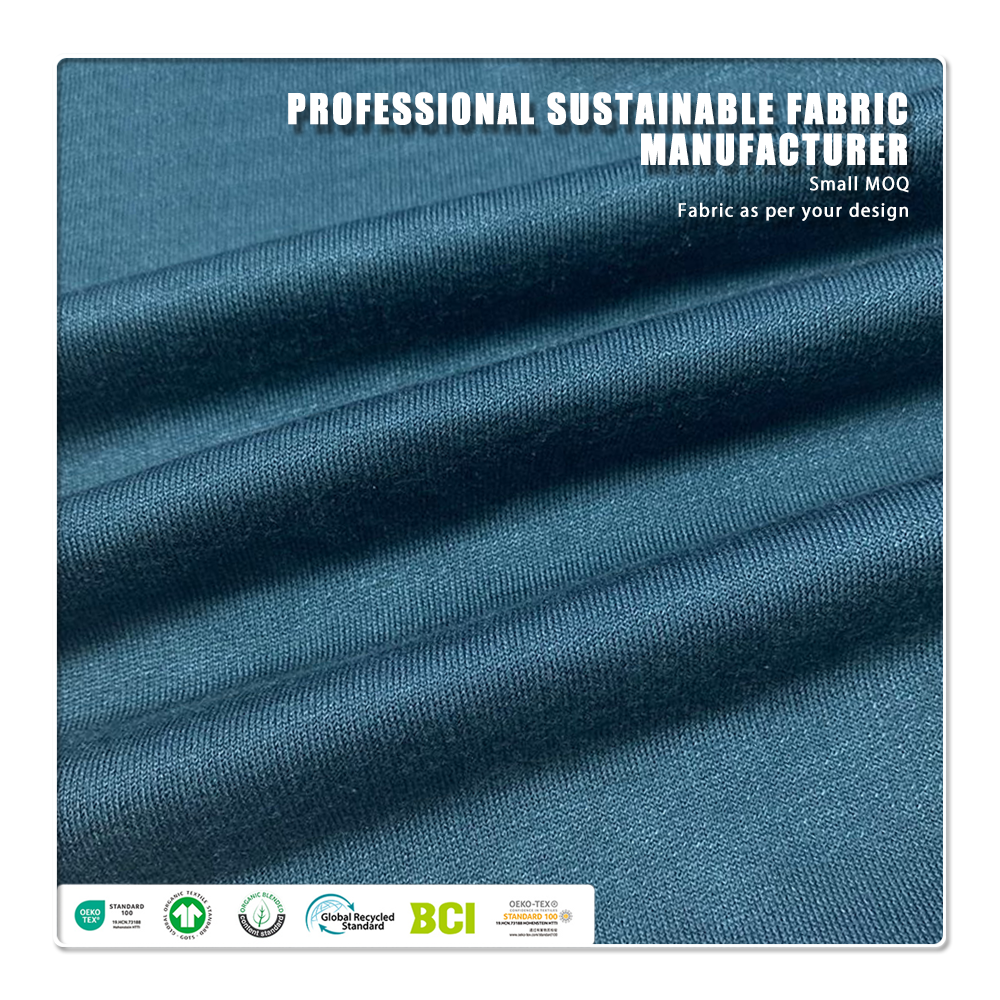
Lyocell Jersey Fabric: Quality Evaluation and Sourcing

Get a Free Quote

Our representative will contact you soon.
Email
Name
Mobile/WhatsApp
Company Name
Message
0/1000

lyocell jersey fabric

Lyocell jersey fabric is a versatile, eco-friendly textile known for its softness, breathability, and moisture-wicking properties. As a B2B buyer, you may be concerned about sourcing high-quality materials that meet your sustainability goals while also providing the durability and performance required for various applications. This article will guide you through evaluating lyocell jersey fabric, finding reliable suppliers, understanding cost factors, addressing installation challenges, and exploring the fabric's applications in eco-friendly manufacturing.

Where to Find Reliable Suppliers of Lyocell Jersey Fabric

Finding reliable suppliers for lyocell jersey fabric requires research and due diligence. Start by looking for manufacturers with established credentials in the textile industry. Certifications like OEKO-TEX, GOTS, OCS, and GRS indicate a commitment to quality and sustainability, which is vital for eco-conscious buyers.

Trade shows and industry exhibitions are excellent venues for sourcing suppliers. Events like the Heimtextil or the textile section at the Canton Fair allow you to meet manufacturers face-to-face, assess product samples, and discuss customization options. Online directories such as Alibaba or ThomasNet can also connect you to various suppliers, but ensure to verify their reputation through reviews and case studies.

Another effective strategy is networking within industry-specific forums or groups, where you can gain insights from peers on their experiences with specific suppliers. Always request samples before placing a bulk order to ensure the product meets your quality standards.
Cost Factors to Consider When Purchasing Lyocell Jersey Fabric

The cost of lyocell jersey fabric is influenced by several factors. One primary factor is the quality of raw materials. Fabrics made from higher-grade lyocell fibers typically command a higher price due to their superior durability and performance characteristics.

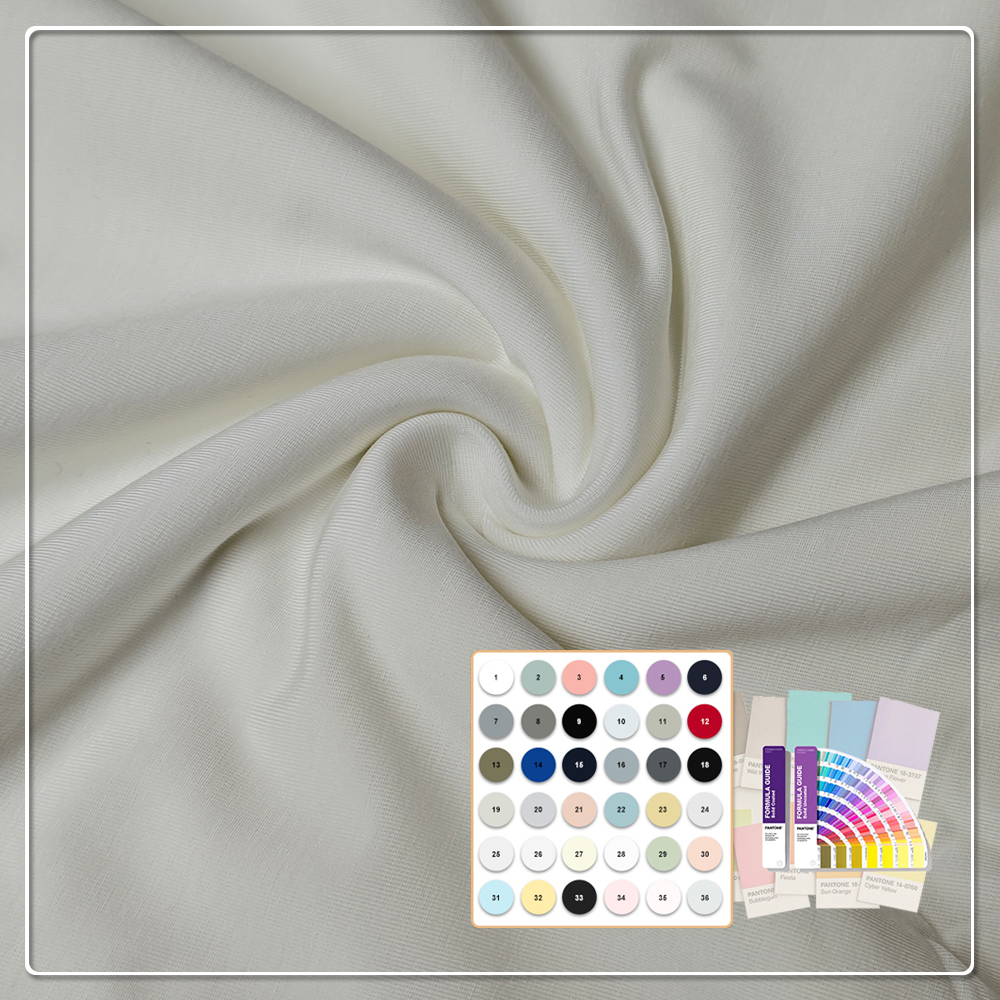
Additionally, the complexity of the manufacturing process can impact costs. Fabrics that undergo special treatments or finishes, such as anti-wrinkle or moisture-wicking processes, may be more expensive. Customization options, such as specific dye colors or patterns, can also affect pricing, so be clear about your requirements when requesting quotations.

Minimum order quantities (MOQ) can vary significantly between suppliers, impacting overall costs. Larger orders often lead to lower per-unit prices, making it essential to evaluate your volume needs against your budget. Lastly, consider shipping costs and lead times, as these can further influence the total expenditure on your fabric purchase.

Common Installation Challenges with Lyocell Jersey Fabric Solutions

While lyocell jersey fabric is relatively easy to work with, some common installation challenges can arise. For instance, the fabric's stretchability may cause issues during cutting and sewing if not handled correctly. To mitigate this, ensure that you use sharp, high-quality cutting tools and consider employing a pattern that accounts for the fabric's stretch.

Another challenge could be the fabric's tendency to fray at the edges. To prevent this, finish the edges with an overlock stitch or a serger to maintain the integrity of the fabric during production. Additionally, because lyocell can absorb moisture, it's important to ensure that fabrics are properly stored and handled in dry conditions to avoid any potential water damage or mold growth.

When it comes to dyeing or printing, ensure that the inks or dyes used are compatible with lyocell fibers, as some processes may cause color bleeding or fading. Conducting pre-production tests can help identify any potential issues before full-scale manufacturing.

Applications of Lyocell Jersey Fabric in Eco-Friendly Manufacturing

Lyocell jersey fabric is increasingly popular in various applications, particularly in eco-friendly manufacturing. Because it is made from renewable wood sources and produced using a closed-loop process, it is an excellent choice for sustainable clothing lines. The fabric's softness and breathability make it ideal for activewear, loungewear, and intimate apparel, catering to growing consumer demand for comfortable yet stylish options.

In addition to clothing, lyocell jersey fabric can be utilized in home textiles, such as bed linens and towels, where its moisture-wicking properties enhance comfort and performance. Manufacturers can also explore combining lyocell with other sustainable materials, like Eco-Friendly Stretch Waterproof Anti-Static Shrink-Resistant Fabric, to create blended fabrics that offer unique performance characteristics while maintaining eco-friendly credentials.

In summary, as a B2B buyer, understanding the unique properties and advantages of lyocell jersey fabric can help you make informed purchasing decisions that align with your sustainability goals. By evaluating quality, sourcing reliable suppliers, considering cost factors, addressing installation challenges, and exploring diverse applications, you can leverage this innovative fabric to meet your manufacturing needs effectively.

How to Evaluate the Quality of Lyocell Jersey Fabric for Projects

When assessing the quality of lyocell jersey fabric, several critical factors should be considered. First, the fabric's composition is essential; lyocell is derived from sustainable wood pulp, typically from eucalyptus, beech, or spruce trees. Check that the fabric is certified with relevant sustainability certifications, such as OEKO-TEX Certified 69% Bamboo 31% Sorona Single Jersey Fabric or GOTS, which guarantee low environmental impact and safe processing.

Next, examine the fabric's specifications, including weight, stretchability, and color fastness. For instance, a high-quality lyocell jersey should have a color fastness rating of level 4-5, indicating good resistance to fading. Additionally, shrinkage should be minimal, ideally below 5%, to ensure the fabric maintains its dimensions after washing.

Lastly, consider the feel and drape of the fabric. Testing samples is crucial, as a soft, smooth texture often indicates a high-quality product. Pay attention to the fabric's breathability and moisture-wicking properties, which are essential for applications in activewear and intimate apparel.

Our Blog Posts

Global Top 10 Bamboo Fabric Suppliers: Ecocert Organic Certified Leaders | Ohyeahtex

05

Dec

Global Top 10 Bamboo Fabric Suppliers: Ecocert Organic Certified Leaders | Ohyeahtex

This comprehensive report, based on a meticulous analysis of industry sources, authoritative certifications, production capacity, and global market presence, identifies the world's Top 10 most influential bamboo fiber fabric manufacturers. These ra...
View More
How Tencel Lyocell Fabric Supports Premium Apparel Manufacturing

13

Oct

How Tencel Lyocell Fabric Supports Premium Apparel Manufacturing

If there is one thing that separates mediocre and exceptional clothes, it is the type of fabric. As manufacturers strive to produce clothing that epitomizes luxurious and resilient designs that are also ethically sourced, Tencel lyocell fabric has qu...
View More
What Gives Tencel Modal Fabric Its Soft and Premium Feel

13

Oct

What Gives Tencel Modal Fabric Its Soft and Premium Feel

Some designer collections feature Tencel modal fabric, one of the best features of this fabric, and it's hallmarks of luxurious clothing, with unparalleled softness, flow and shine. The most popular fabric for fashion is an instant hit, and the magic...
View More

Get a Free Quote

Our representative will contact you soon.
Email
Name
Mobile/WhatsApp
Company Name
Message
0/1000

Related product categories

Get a Free Quote

Our representative will contact you soon.
Email
Name
Mobile/WhatsApp
Company Name
Message
0/1000