Lyocell Fabric: Specifications and Supplier Guidance

Get a Free Quote

Our representative will contact you soon.
Email
Name
Mobile/WhatsApp
Company Name
Message
0/1000

lyocell fabric

Lyocell fabric is an innovative textile derived from sustainably sourced wood pulp, renowned for its eco-friendly properties and luxurious feel. As a B2B buyer, understanding the specifications, cost factors, installation guidance, common issues, and supplier options for lyocell fabric is crucial for making informed purchasing decisions. This article will delve into these critical areas, helping you navigate the complexities of sourcing this high-quality material for your projects.

Understanding the Cost Factors of Lyocell Fabric for Importers

The cost of lyocell fabric can fluctuate based on several factors, making it essential for importers to have a clear understanding of these elements to optimize their budgets.

Raw Material Sourcing: The price of wood pulp, the primary raw material for lyocell production, significantly impacts overall costs. Sustainable sourcing practices, which are common in eco-friendly textiles, can lead to higher material costs but may attract buyers looking for environmentally responsible options.

Manufacturing Processes: The processes involved in transforming wood pulp into lyocell fabric can also affect pricing. Advanced manufacturing techniques that prioritize quality control, such as those employed by certified manufacturers, often come with a higher price tag but yield superior products. Importers should consider the value of quality over cost when evaluating potential suppliers.

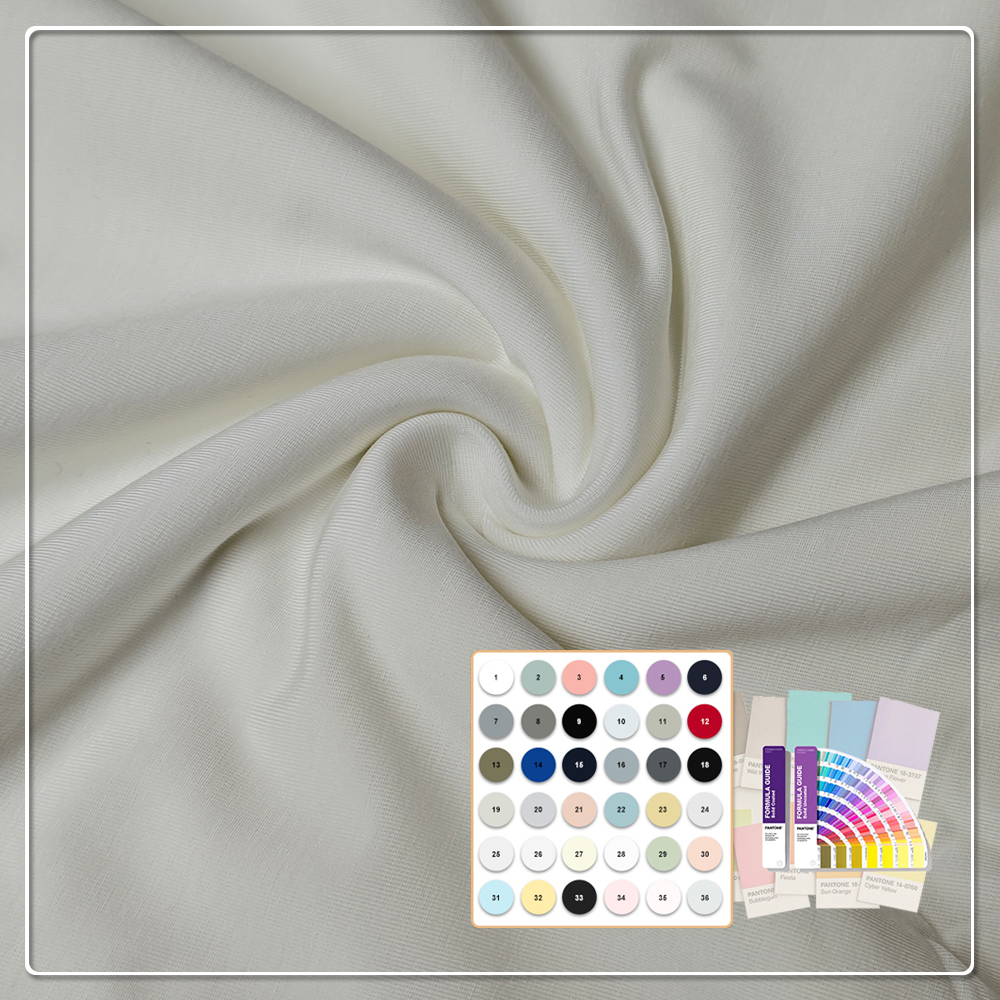
Volume and Customization: Larger orders typically benefit from economies of scale, reducing the per-unit cost. However, customization requests can increase costs. Buyers should weigh the benefits of tailored specifications against potential price increases, ensuring alignment with their project requirements.

By understanding these cost factors, importers can negotiate effectively and make informed purchasing decisions that align with their budgetary constraints. Additionally, incorporating Tencel Modal into your sourcing options can provide an alternative that aligns well with eco-conscious initiatives.

Installation Guidance for Projects Using Lyocell Fabric

When utilizing lyocell fabric in various projects, proper installation is crucial for optimal performance. Here are key considerations for successful installation:

Preparation: Before installation, ensure that the fabric is pre-washed if necessary, as this can help pre-shrink the material and improve its overall fit, particularly in clothing applications. Consult with the supplier for any specific pre-treatment recommendations.

Cutting and Sewing: Lyocell fabric can be cut and sewn like other woven textiles, but care should be taken to prevent fraying. Use sharp scissors or rotary cutters for clean edges and consider serging or overlocking seams to ensure durability.

Finishing Touches: Depending on the application, additional treatments such as waterproofing or fire-retardant coatings may be required. Collaborate with your supplier to explore the best options available for your specific project needs.

Proper installation practices will enhance the longevity and performance of lyocell fabric, ensuring that your final products meet quality standards and customer expectations.

Common Problems with Lyocell Fabric and Effective Solutions

While lyocell fabric offers numerous advantages, it can also present challenges that buyers should be aware of. Here are some common problems and corresponding solutions:

Shrinkage: Although lyocell fabric typically has a shrinkage rate below 5%, improper washing or drying methods can lead to unexpected results. To mitigate this, always follow the care instructions provided by the manufacturer, and consider conducting shrinkage tests on samples before mass production.

Color Fading: While lyocell is known for good dye retention, exposure to sunlight or harsh washing conditions can cause fading. Advise end-users to wash in cold water and avoid prolonged exposure to direct sunlight to preserve color integrity.

Pilling: Under certain conditions, lyocell fabrics may develop pills. To address this, recommend using a fabric shaver for maintenance and choose higher-quality blends with strong fibers to minimize pilling during use.

By anticipating these common issues and implementing effective solutions, buyers can enhance the durability and lifespan of their lyocell fabric products.

Where to Find Certified Suppliers of High-Quality Lyocell Fabric

Finding reliable and certified suppliers is crucial for sourcing high-quality lyocell fabric. Here are some strategies to identify reputable manufacturers:

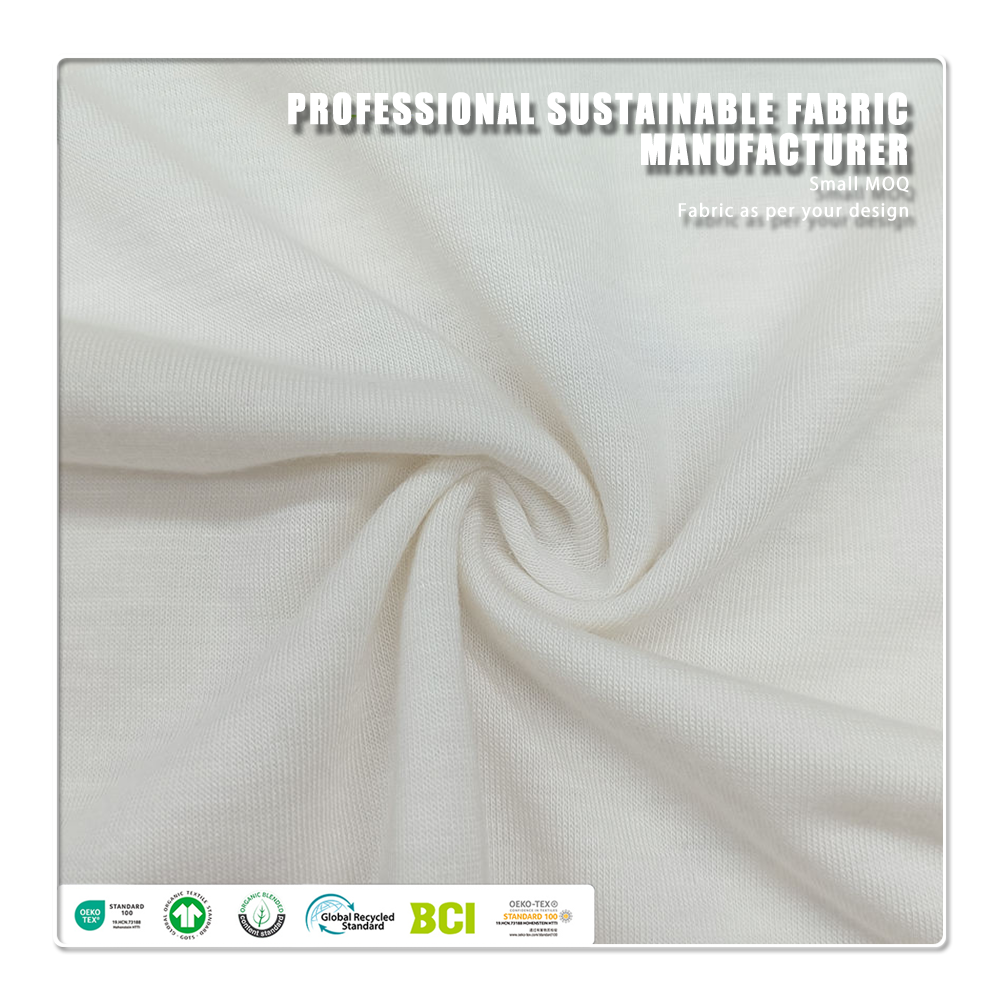
Certifications: Look for suppliers with recognized certifications, such as OEKO-TEX, GOTS, OCS, and GRS, which indicate adherence to environmental and social standards. These certifications not only ensure quality but also reflect a commitment to sustainable practices.

Industry Connections: Networking within industry trade shows, textile expos, and forums can lead to valuable connections with certified suppliers. Engaging with industry peers can also provide insights into their experiences with specific manufacturers.

Direct Outreach: When identifying potential suppliers, reach out directly to inquire about their manufacturing capabilities, quality control processes, and product availability. A professional and responsive communication style can often indicate their commitment to customer service and quality.

By focusing on certified suppliers, buyers can ensure they source lyocell fabric that meets their quality, environmental, and performance standards, ultimately supporting their business objectives and sustainability goals.

Comparing Lyocell Fabric Specifications for Bulk Purchases

When evaluating lyocell fabric for bulk purchases, several specifications are essential to consider. Key factors include fiber strength, breathability, moisture-wicking properties, and dye retention. Lyocell fabric typically boasts a tensile strength greater than cotton, making it durable for various applications, from clothing to home textiles.

Fiber Strength: A strong fiber reduces the likelihood of fabric breakage during production and use. Buyers should verify tensile strength through testing results, ensuring the fabric meets the demands of its intended application.

Breathability and Moisture Management: Lyocell fibers are known for excellent moisture absorption and ventilation. This characteristic is particularly important for garments intended for warm climates or active wear. When requesting samples, consider evaluating these properties by testing how the fabric performs in real-world conditions.

Dye Retention: The ability of lyocell to retain colors without fading is another vital specification. Buyers should request information on the color fastness of the fabric, ideally at a level of 4-5, to ensure the final products maintain their aesthetic appeal over time.

Understanding these specifications not only aids in selecting the right fabric but also ensures that the final products meet quality expectations and performance standards. For those interested in exploring alternative eco-friendly materials, consider looking into Organic Cotton Fabric as a sustainable option.

Our Blog Posts

How is Bamboo Made Into Fabric

14

Oct

How is Bamboo Made Into Fabric

Making the Ultra Soft Fabric from BambooBamboo fabric is a widely used material in the textile and fashion industry because of its natural softness, texture and warmth. At Ohyeah Textile Co., Ltd, we specialize in making use of the magic of bamboo fi...
View More
How Tencel Lyocell Fabric Supports Premium Apparel Manufacturing

13

Oct

How Tencel Lyocell Fabric Supports Premium Apparel Manufacturing

If there is one thing that separates mediocre and exceptional clothes, it is the type of fabric. As manufacturers strive to produce clothing that epitomizes luxurious and resilient designs that are also ethically sourced, Tencel lyocell fabric has qu...
View More
The Growing Demand for Tencel Lyocell in Modern Textile Supply Chains

13

Oct

The Growing Demand for Tencel Lyocell in Modern Textile Supply Chains

The textile industry is currently in the process of massive disruption to move toward greater sustainability, and a leader of the movement has come in the form of Tencel Lyocell. As consumers and apparel companies are demanding more environmentally f...
View More
Why Tencel Lyocell Fabric Delivers Long Lasting Fabric Performance

13

Oct

Why Tencel Lyocell Fabric Delivers Long Lasting Fabric Performance

Tencel lyocell is an eco-friendly fabric that has become a staple in sustainable fashion. As a leading supplier of eco-friendly knitted fabrics in China, Ohyeah Textile has worked with Tencel lyocell for years—and we've learned that it consiste...
View More

Get a Free Quote

Our representative will contact you soon.
Email
Name
Mobile/WhatsApp
Company Name
Message
0/1000

Related product categories

Get a Free Quote

Our representative will contact you soon.
Email
Name
Mobile/WhatsApp
Company Name
Message
0/1000