 EN
Jersey lyocell is an increasingly popular fabric choice for various applications, renowned for its eco-friendly properties and luxurious feel. As a B2B buyer, understanding the nuances of jersey lyocell is essential to making informed purchasing decisions. This article will delve into the key aspects of selecting the right jersey lyocell for your projects, specifications to consider when sourcing, comparisons with other fabric options, testing standards, and the best applications for this versatile material.
Specifications to Consider When Sourcing Jersey Lyocell
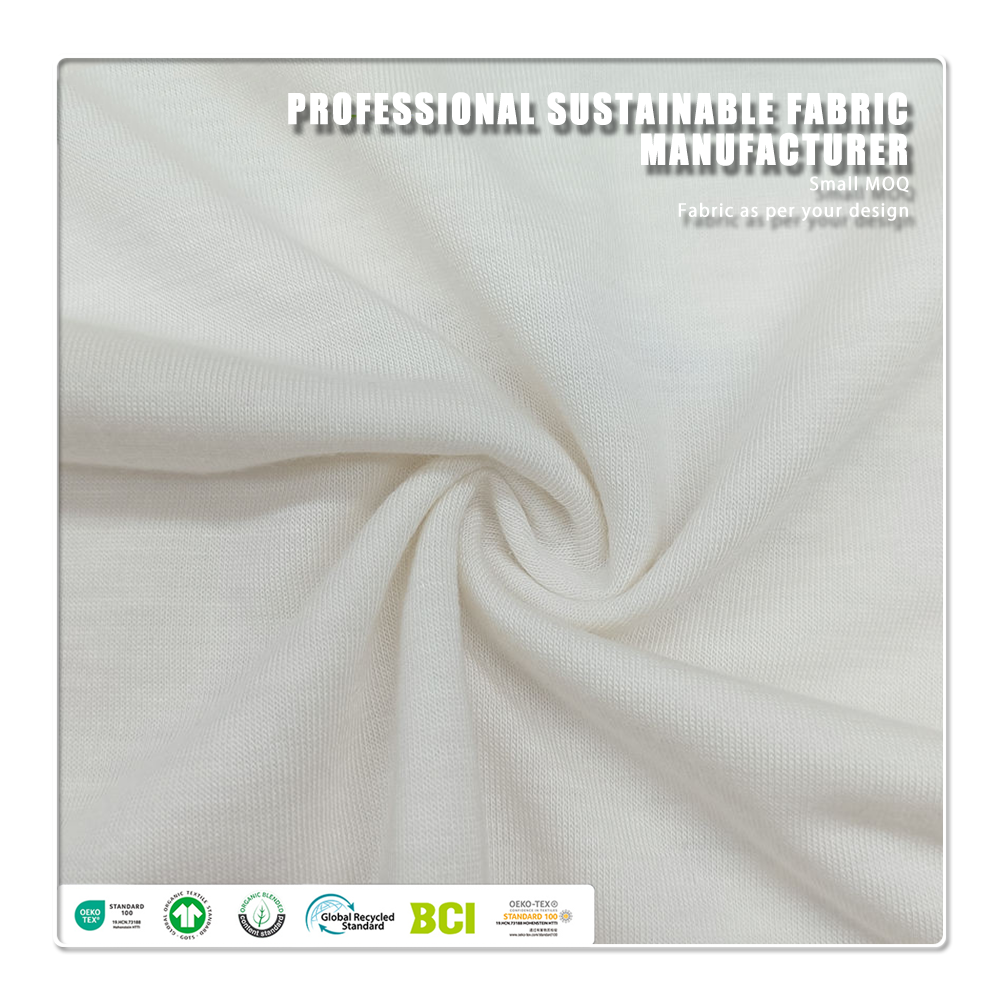
When sourcing jersey lyocell, several specifications are crucial to ensure the fabric meets your quality and performance requirements. Start by confirming the fiber composition. Jersey lyocell is made from sustainably sourced wood pulp, typically from eucalyptus trees, and has excellent moisture absorption properties. Look for certifications such as OEKO-TEX, GOTS, OCS, and GRS, which indicate compliance with eco-friendly practices and materials.
Next, assess the fabric's weight, which is usually measured in grams per square meter (GSM). A common range for jersey lyocell is between 150-250 GSM, depending on the intended use. The fabric's thickness and stretchability are also significant; ensure that it meets your design specifications.
Another vital specification is the fabric's finish. Jersey lyocell can have various finishes, such as brushed, peached, or mercerized, each altering the fabric's texture and appearance. Discuss these options with your supplier to achieve the desired look and feel for your final product.