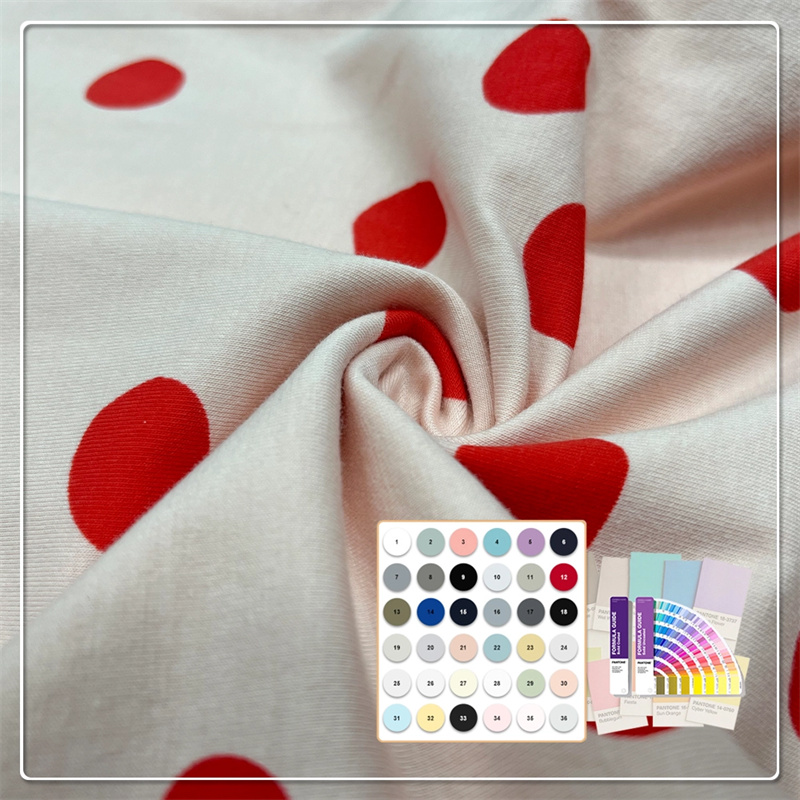
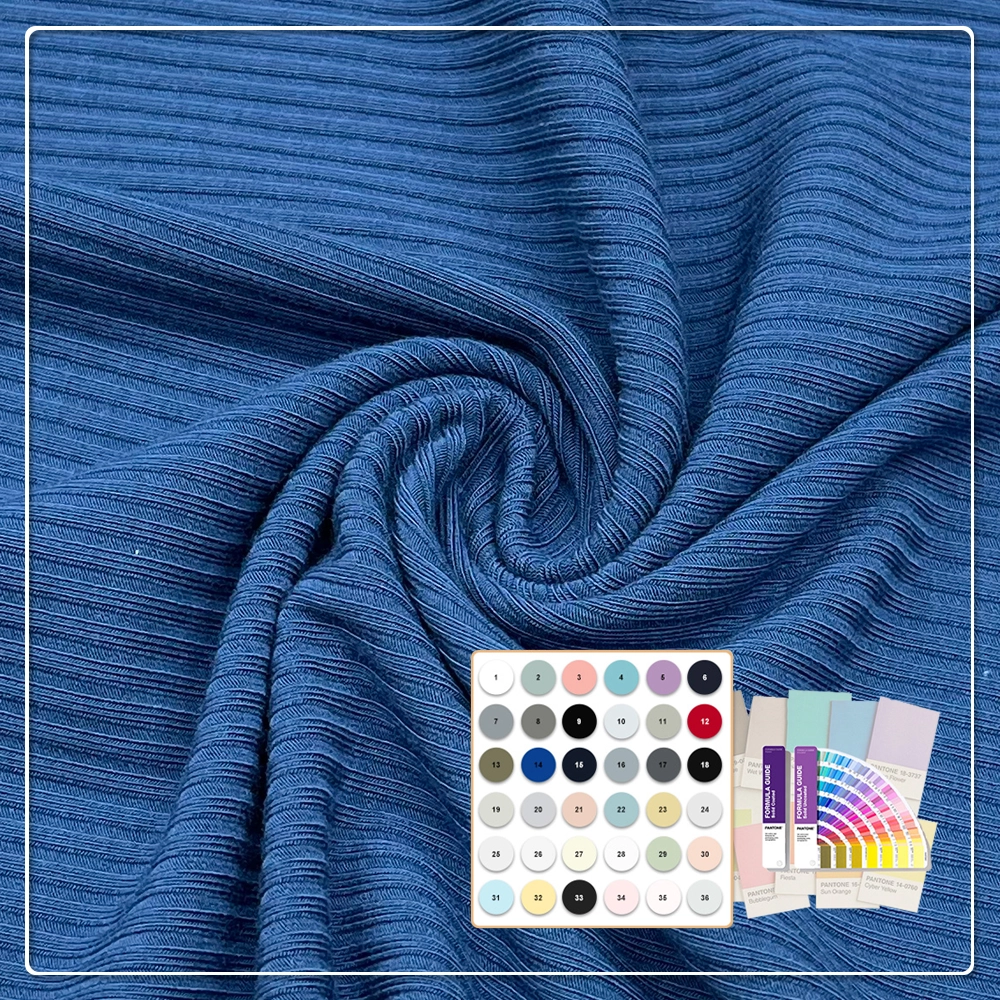
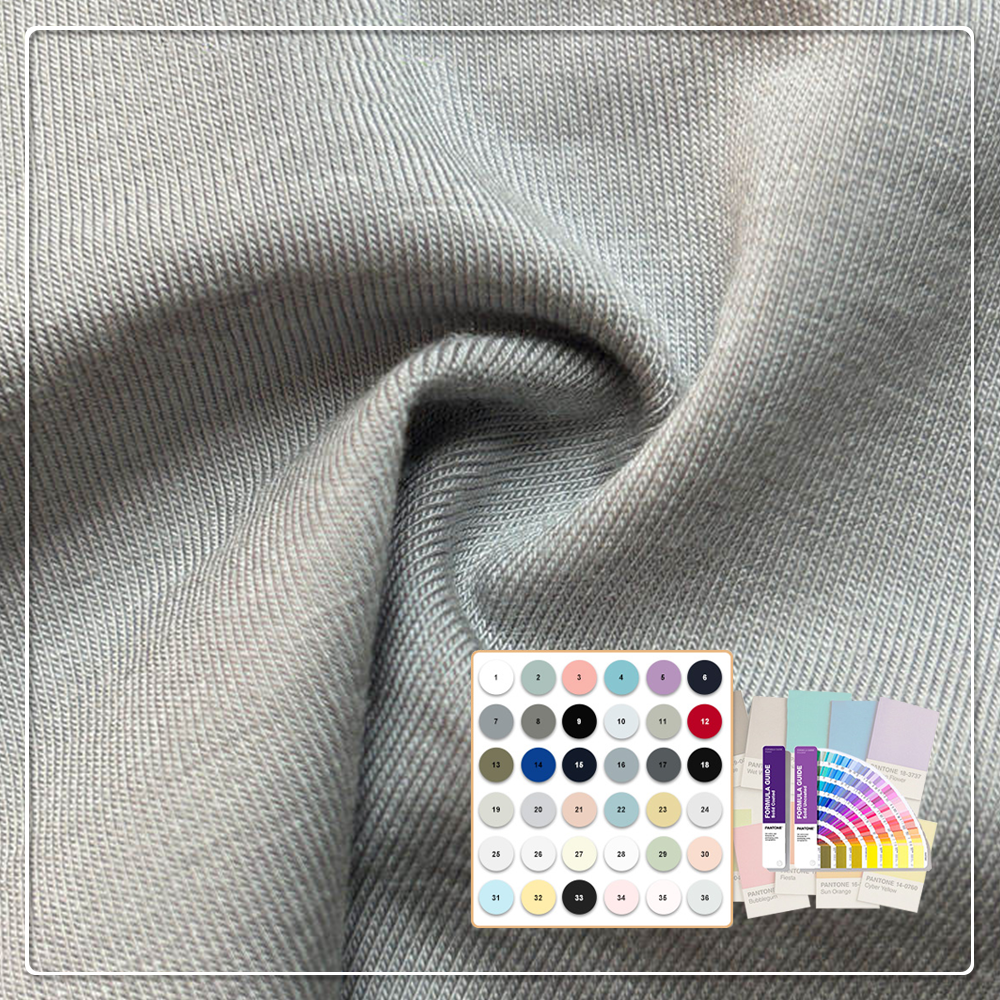
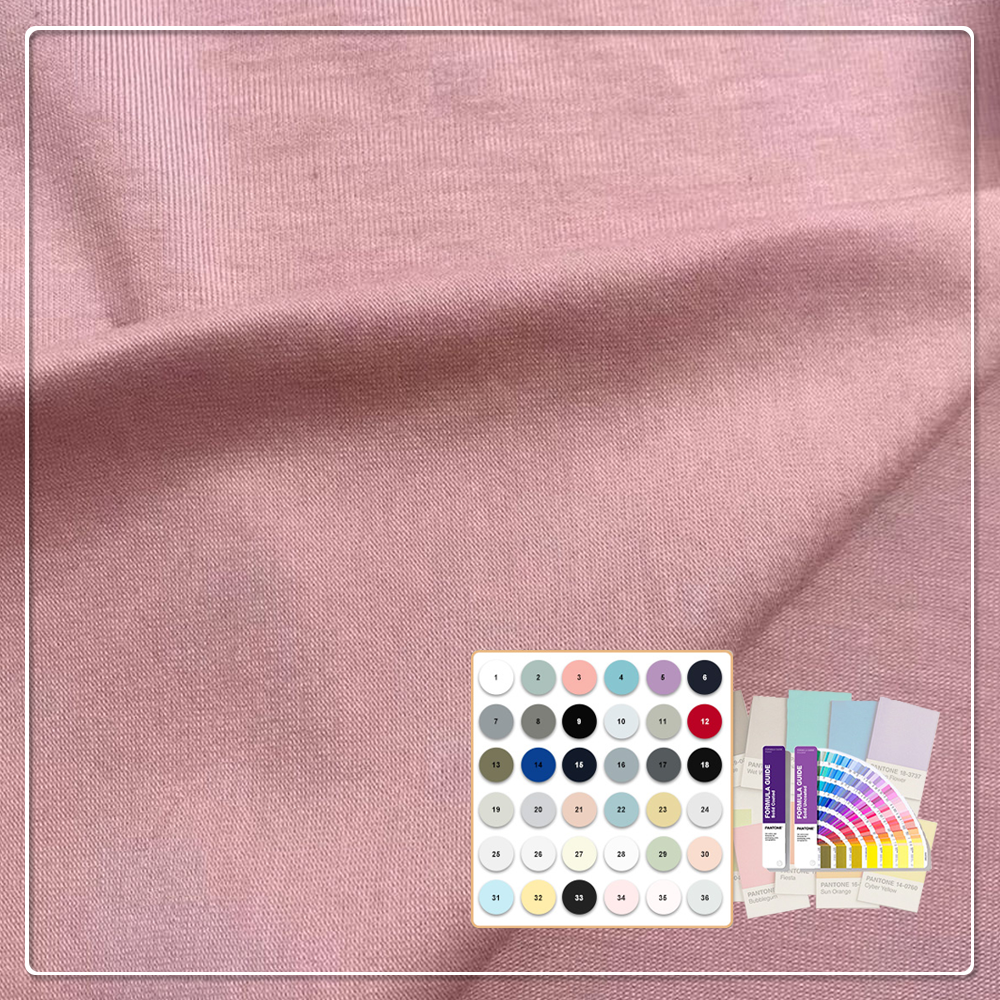
Choosing Quality Bamboo and Cotton Fabrics

Get a Free Quote

Our representative will contact you soon.
Email
Name
Mobile/WhatsApp
Company Name
Message
0/1000

Bamboo and cotton

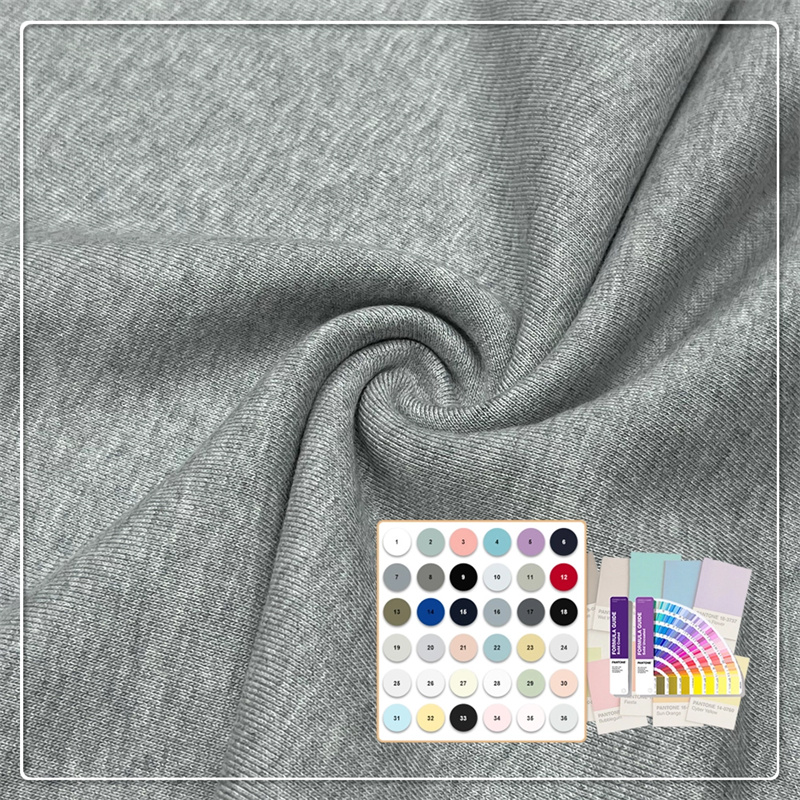
Bamboo and cotton fabrics have gained significant popularity in the textile industry due to their eco-friendly properties and luxurious feel. For B2B buyers, such as purchasing managers and product managers, understanding how to select quality bamboo and cotton textiles, evaluate their specifications, and navigate the purchasing process is essential. This article will provide valuable insights into choosing the right fabrics for wholesale needs, assessing quality, managing costs, and addressing common challenges associated with bamboo print fabric and cotton textiles. 
Our Products

How to Evaluate the Quality of Bamboo and Cotton Textiles

To assess the quality of bamboo and cotton textiles, buyers should review several key specifications: 

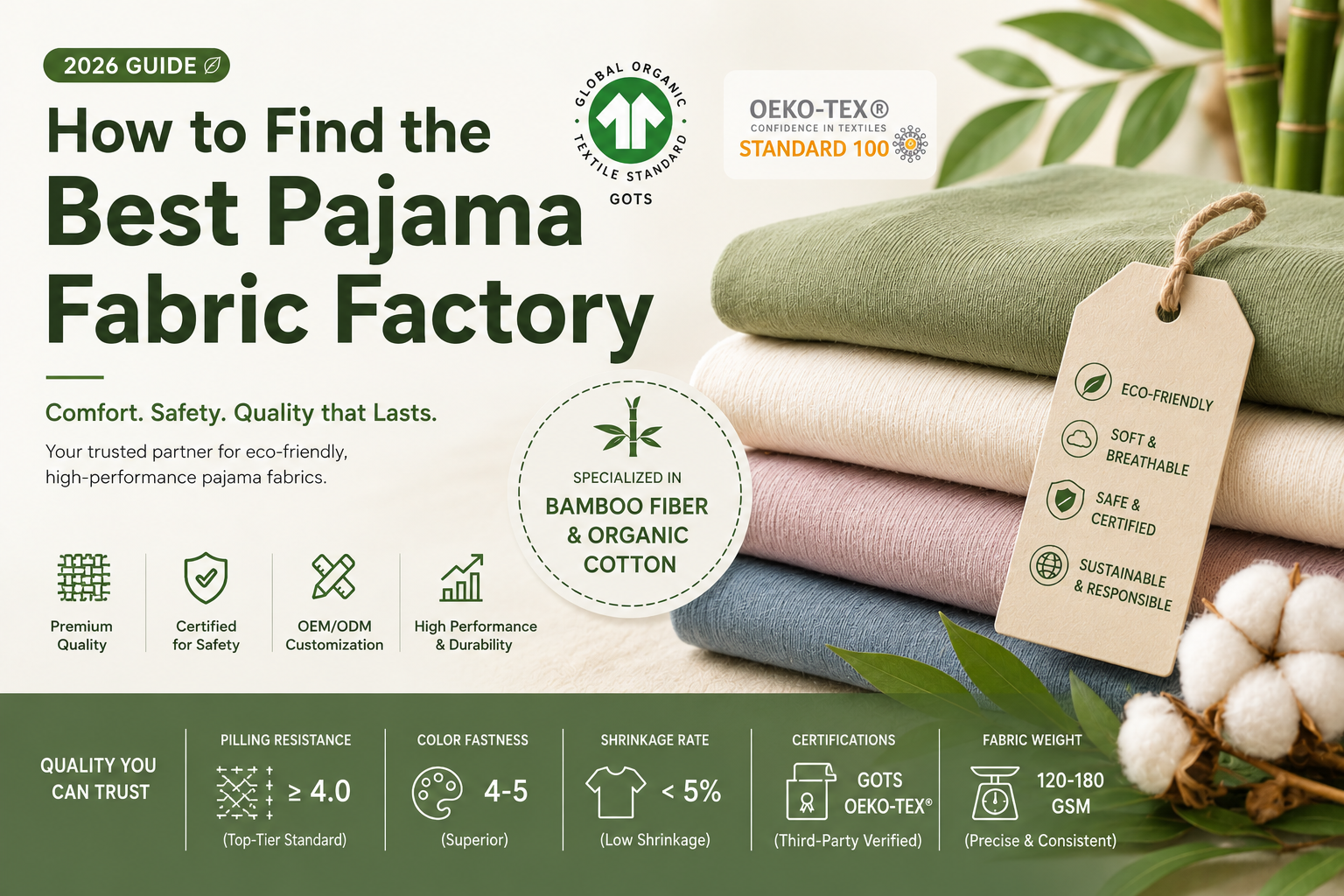
Fabric Weight: This can determine the fabric's durability and suitability for different applications. Heavier weights are often more durable, while lighter weights may be better for breathable garments. 

Color Fastness: Ensure that the fabric maintains its color after washing and exposure to sunlight. A level of 4-5 indicates that the fabric will resist fading and maintain its visual appeal over time. 

Shrinkage: Fabrics should ideally have a shrinkage percentage below 5%. This is crucial for maintaining the intended fit and appearance after laundering. 

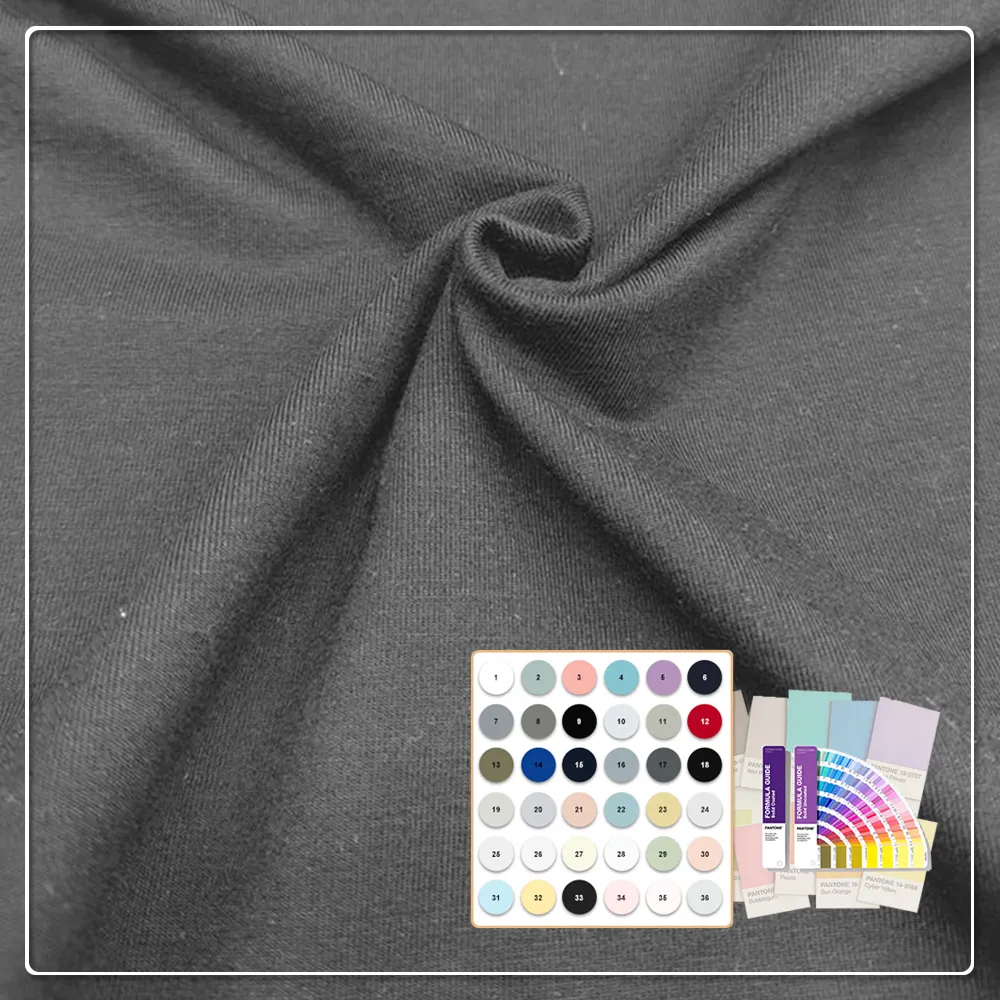
Feel and Texture: Conducting a tactile inspection or requesting fabric samples can help assess the softness and comfort level, which are critical for consumer satisfaction. 

Production Consistency: Reviewing past production batches and customer feedback can provide insight into the manufacturer's ability to maintain quality across orders. 

By focusing on these specifications, buyers can make informed decisions and ensure they meet their quality requirements. 
Cost Considerations for Wholesale Bamboo and Cotton Purchases

When it comes to pricing bamboo and cotton fabrics, several factors come into play: 

Material Costs: The price of raw materials, including viscose from bamboo fabric and organic cotton, fluctuates based on market demand and supply. Understanding these trends can help buyers anticipate changes in pricing. 

Manufacturing Processes: The complexity of the knitting and finishing processes can affect costs. Ohyeah utilizes advanced circular knitting machines, which can enhance production efficiency while maintaining quality. 

Order Volume: Larger orders typically benefit from lower per-unit costs due to economies of scale. Buyers should consider their minimum order quantities (MOQ) and how they align with their purchasing needs. 

Shipping and Logistics: Costs associated with shipping, including distance and method (air vs. sea), can add to the final price. Buyers should factor these into their budget and timeline. 

By understanding these cost considerations, purchasing managers can better negotiate pricing and ensure they stay within budget while sourcing high-quality fabrics. 

Installation Guidance for Projects Using Bamboo and Cotton Materials

When utilizing bamboo and cotton fabrics in projects, proper installation and handling are key to achieving the desired results. Here are some practical tips: 

Pre-Wash Fabrics: To minimize shrinkage, it's advisable to pre-wash bamboo and 100 cotton organic fabric before cutting and sewing. This step can help ensure that the final product maintains its intended dimensions. 

Use Appropriate Sewing Techniques: Bamboo and cotton fabrics may require specific sewing techniques to prevent fraying and ensure durability. Using a ballpoint needle can help prevent damage to the fabric fibers. 

Consider Fabric Care: Inform end-users about the care instructions to maintain the fabric's quality. Generally, cold washing and air drying are recommended to preserve color and reduce shrinkage.  

Test Samples in Actual Conditions: Before full-scale installation, testing samples under actual operating conditions can help identify any potential issues related to performance or compatibility with other materials. 

By following these guidelines, buyers can ensure successful project implementation and maximize the longevity of their bamboo and cotton fabrics. 

Common Issues with Bamboo and Cotton Fabrics and Their Solutions

While bamboo and cotton fabrics are generally reliable, buyers should be aware of potential issues that may arise during production and usage: 

Color Fading: If fabrics do not have adequate color fastness, they may fade over time. Choosing high-quality, certified fabrics can mitigate this risk. 

Pilling: Some bamboo fabrics may be prone to pilling, especially if they are blended with other materials. Selecting higher-grade fabrics and following care instructions can help reduce this issue. 

Shrinkage: Fabrics that shrink excessively can lead to fit issues. As mentioned, pre-washing and selecting fabrics with documented low shrinkage rates are effective solutions. 

Quality Variability: Inconsistent quality between batches can lead to dissatisfaction. Establishing a good relationship with suppliers and conducting thorough quality checks on samples before large orders can help ensure consistency. 

By being proactive about these common issues, buyers can better manage their expectations and maintain high-quality standards in their fabric selection. 

In summary, understanding the intricacies of bamboo and cotton fabrics—from selection and evaluation to installation and common issues—can empower B2B buyers to make informed decisions that align with their business needs. By leveraging the expertise and capabilities of trusted manufacturers like Ohyeah, buyers can secure sustainable and high-quality textiles for their projects. 

Choosing Quality Bamboo and Cotton Fabrics for Your Wholesale Needs

When selecting bamboo and cotton fabrics for wholesale, it's crucial to consider the intended application and performance requirements. Bamboo fabrics are known for their softness, and moisture-wicking properties, making them ideal for active wear and home textiles. Cotton, especially when organic, offers durability and comfort, suitable for a wide range of applications, including apparel and upholstery. 

In evaluating quality, look for certifications such as GOTS (Global Organic Textile Standard) and OEKO-TEX, which indicate that the fabrics meet stringent environmental and safety standards. Ohyeah provides certified eco-friendly fabrics, ensuring compliance with these standards while maintaining high quality. Buyers should also consider factors like color fastness, which is rated on a scale of 1 to 5, with 4-5 being ideal for vibrant and lasting colors. 

Our Blog Posts

How long does bamboo fabric last

04

Feb

How long does bamboo fabric last

One thing I know is the news about bamboo fabric is that in the sustainable clothing industry, it is renowned as a calming fabric due to its fluffy feel, breathability, and greenery. One of the most realistic questions that are frequently posed by de...
View More
Top Pajama Fabric Factory Recommendation Guide 2026: Sourcing the Best Materials

08

May

Top Pajama Fabric Factory Recommendation Guide 2026: Sourcing the Best Materials

Executive Summary: How to Find the Best Pajama Fabric Factory Finding a top pajama fabric factory means looking for more than just a low price. The best factories focus on three things: comfort, safety, and quality that lasts. According to the latest...
View More
How Tencel Lyocell Supports Moisture Control in Textile Applications

29

May

How Tencel Lyocell Supports Moisture Control in Textile Applications

Moisture management is the most important performance property for textiles today. Sweaty, clingy textiles will leave the wearer cold, irritated, or susceptible to skin ailments. The wearers of moisture management fabrics will remain dry and com...
View More
Why Tencel Modal Helps Maintain Fabric Shape After Repeated Washing

29

May

Why Tencel Modal Helps Maintain Fabric Shape After Repeated Washing

If you've ever owned clothing you loved and then noticed that it just doesn't fit right anymore,necklines stretching,cuffs looking limp,or pants becoming baggy,you know how frustrating this can be. To brands,it translates to returns,poor reviews...
View More

Get a Free Quote

Our representative will contact you soon.
Email
Name
Mobile/WhatsApp
Company Name
Message
0/1000

Get a Free Quote

Our representative will contact you soon.
Email
Name
Mobile/WhatsApp
Company Name
Message
0/1000