Key Benefits of Bamboo Fiber Sustainability

Get a Free Quote

Our representative will contact you soon.
Email
Name
Mobile/WhatsApp
Company Name
Message
0/1000

Bamboo fiber sustainability

Bamboo fiber sustainability has emerged as a key consideration for manufacturers looking to produce eco-friendly textiles. This natural material not only offers a range of benefits for the environment, but it also addresses growing consumer demand for sustainable products. For B2B buyers, understanding the advantages, quality evaluation, and sourcing of bamboo fiber is crucial to making informed purchasing decisions. This article will explore these aspects, providing insights that can help businesses navigate the complexities of bamboo fiber sourcing and ensure they meet both quality and sustainability criteria.  bamboo fiber sustainability, quality evaluation, bamboo fiber suppliers, eco-friendly textiles. 

Our Products

How to Evaluate the Quality of Bamboo Fiber Products?

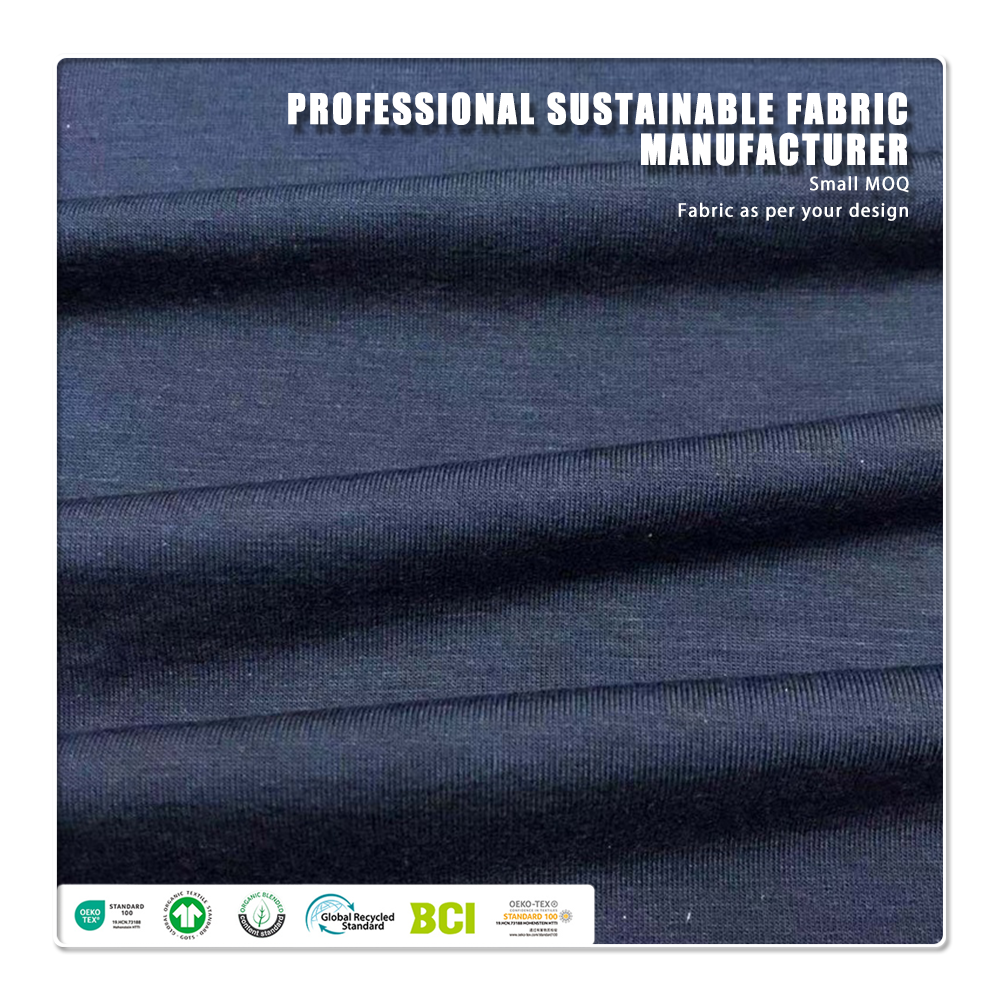
Assessing the quality of bamboo fiber products involves several key factors that buyers should consider. First, it is essential to examine the certifications associated with the bamboo fiber. Look for products that are certified by reputable organizations, such as OEKO-TEX or GOTS, which ensure that the materials are free from harmful substances and produced sustainably. 

Another critical aspect is the fiber's fineness and tensile strength. Bamboo fibers should be fine enough to produce a soft fabric while maintaining durability.  Buyers can request product samples to evaluate these qualities firsthand. High-quality bamboo fiber should feel smooth and possess a certain density that indicates its strength. 

Additionally, buyers should be aware of the fabric's color fastness and shrinkage rates. Products with a color fastness of level 4-5 and shrinkage below 5% are indicative of good quality and durability, ensuring that the fabric will maintain its appearance and fit after multiple washes. This is especially important for manufacturers producing garments that require high performance and longevity. 

Where to Source Reliable Bamboo Fiber Suppliers for Wholesale?

Sourcing reliable bamboo fiber suppliers is crucial for manufacturers aiming to create high-quality products. Start by researching suppliers with a proven track record in eco-friendly textiles, particularly those specializing in bamboo. Trade shows, industry conferences, and online platforms such as Alibaba or ThomasNet can be excellent resources for discovering potential suppliers. 

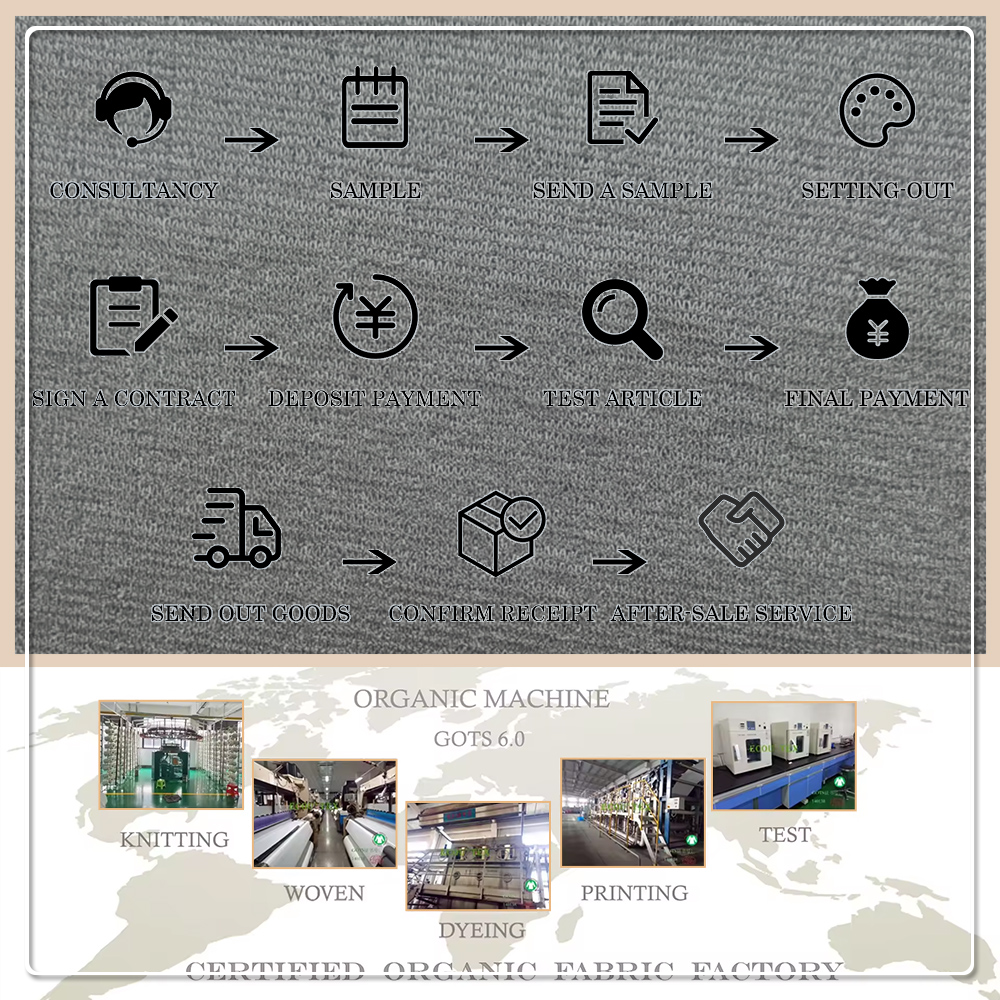
When evaluating suppliers, consider their certifications and production capabilities. A manufacturer like Shaoxing City Ohyeah Textile Co., Ltd., with certifications such as OEKO, GOTS, and GRS, demonstrates a commitment to quality and sustainability. Inquire about their production capacity and the number of circular knitting machines they operate, as this can give you insight into their ability to meet your order volumes. 

Another aspect to consider is the supplier's willingness to provide samples and conduct quality inspections. Reliable suppliers should be open to sending samples for evaluation and should have a robust quality control process in place to ensure consistent product standards. Establishing clear communication and building strong relationships with suppliers can also lead to better terms and conditions for future orders. 

Specifications You Need for Bamboo Fiber Textile Sourcing

When sourcing bamboo fiber textiles, specific specifications should be clearly defined to ensure the final product meets your requirements. Key specifications include: 

Fiber Content: Confirm the percentage of bamboo in the fabric blend. This impacts the fabric's performance characteristics and sustainability. 

Fabric Weight: Specify the weight of the fabric, usually measured in grams per square meter (gsm). This affects the drape and durability of the textile. 

Weave Type: Determine the weave structure (e. g., jersey, rib, or interlock) as it influences the fabric's appearance and functionality. 

Color and Finish: Specify color preferences and any finishing treatments, such as moisture-wicking or anti-bacterial properties, that may be required. 

Shrinkage and Color Fastness: Confirm acceptable levels for shrinkage (ideally below 5%) and color fastness (level 4-5) to ensure the fabric performs well during use. 

Minimum Order Quantity (MOQ): Establish the MOQ to ensure that the supplier can accommodate your production needs without causing excessive inventory. 

By clearly articulating these specifications, buyers can set expectations and minimize discrepancies during the manufacturing process. 

Common Problems with Bamboo Fiber and Their Effective Solutions

Despite its many advantages, bamboo fiber can present certain challenges that buyers and manufacturers should be aware of. One common issue is the potential for inconsistencies in fiber quality. Variations can arise due to differences in the processing methods used by suppliers. To mitigate this risk, buyers should always request samples and conduct thorough quality inspections before placing large orders. 

Another challenge is the environmental impact of the chemical processes used in bamboo fiber production. Some manufacturers utilize harsh chemicals during extraction, which can negate the sustainability benefits. When sourcing bamboo textiles, look for suppliers who employ eco-friendly processing methods, and verify their certifications to ensure compliance with sustainable practices. 

Additionally, bamboo fabrics can sometimes be more prone to wrinkling than other materials. To address this, consider specifying a blend with other fibers, such as organic cotton or recycled polyester, which can enhance the fabric's performance without compromising its eco-friendly attributes. 

Educating your production team about proper care and handling of bamboo textiles can also help minimize issues related to shrinkage and fabric care. This knowledge ensures that the final products maintain their quality and appeal throughout their lifecycle. 

In summary, understanding bamboo fiber sustainability is essential for manufacturers and buyers in the textile industry. By focusing on quality evaluation, reliable sourcing, and addressing common challenges, businesses can leverage the benefits of bamboo fiber while meeting the growing demand for sustainable products. 

What Are the Key Benefits of Bamboo Fiber for Manufacturers?

Bamboo fiber is renowned for its sustainability and versatility, making it an appealing choice for manufacturers. One of the primary benefits is its rapid growth rate; bamboo can reach maturity in just three to five years, making it a highly renewable resource compared to traditional fibers like cotton, which can take several seasons to grow. This rapid growth not only reduces the environmental footprint associated with fiber production but also minimizes land use and water consumption. 

From a performance perspective, bamboo fiber has intrinsic properties that enhance its appeal. It is naturally anti-bacterial and moisture-wicking, making it suitable for a variety of applications, including activewear and home textiles. Additionally, bamboo fabrics exhibit excellent breathability and softness, often compared to cashmere in feel, which can elevate product quality and marketability. 

Moreover, bamboo's biodegradability adds to its sustainability credentials. When disposed of, bamboo fibers break down naturally, unlike synthetic fibers that contribute to environmental waste. This aspect is becoming increasingly important as consumers and businesses alike prioritize eco-friendly products.  Manufacturers can leverage these benefits to align with sustainability goals and meet the expectations of environmentally conscious consumers. bamboo fiber sustainability, quality evaluation, bamboo fiber suppliers, eco-friendly textiles. 

Our Blog Posts

Can you print on bamboo fabric

04

Feb

Can you print on bamboo fabric

I am aware that with the ongoing increase in popularity of sustainable fashion, and environmentally-friendly materials, bamboo fabric has become one of the newest favorites due to its unrivaled softness, breathability, and environmental friendly natu...
View More
What Apparel Manufacturers Expect from Tencel Modal Fabrics

29

May

What Apparel Manufacturers Expect from Tencel Modal Fabrics

Apparel manufacturers act as the bridge between the fiber producers and the consumer brands. Their expectations are tangible, measurable, and very demanding. For Tencel Modal fabrics, what matters to the manufacturer are its performance characteristi...
View More
What Makes Tencel Lyocell a Preferred Choice for Sustainable Apparel

29

May

What Makes Tencel Lyocell a Preferred Choice for Sustainable Apparel

Sustainability has now moved out of the niche and into an expectation among ethical consumers and forward-thinking brands. Among the many eco-friendly fibers currently available, Tencel Lyocell has emerged as a clear front-runner. Here at S...
View More
What Makes Tencel Modal Ideal for High-Quality Loungewear Fabrics

29

May

What Makes Tencel Modal Ideal for High-Quality Loungewear Fabrics

Loungewear, originally designed as casual clothing for the home, has become a key item in the modern wardrobe. Consumers now demand that their loungewear be ultra-soft, extremely comfortable and durable enough to wear day in and day out. They also re...
View More

Get a Free Quote

Our representative will contact you soon.
Email
Name
Mobile/WhatsApp
Company Name
Message
0/1000

Get a Free Quote

Our representative will contact you soon.
Email
Name
Mobile/WhatsApp
Company Name
Message
0/1000