Bamboo Shirt Fabric: A Comprehensive Sourcing Guide

Get a Free Quote

Our representative will contact you soon.
Email
Name
Mobile/WhatsApp
Company Name
Message
0/1000

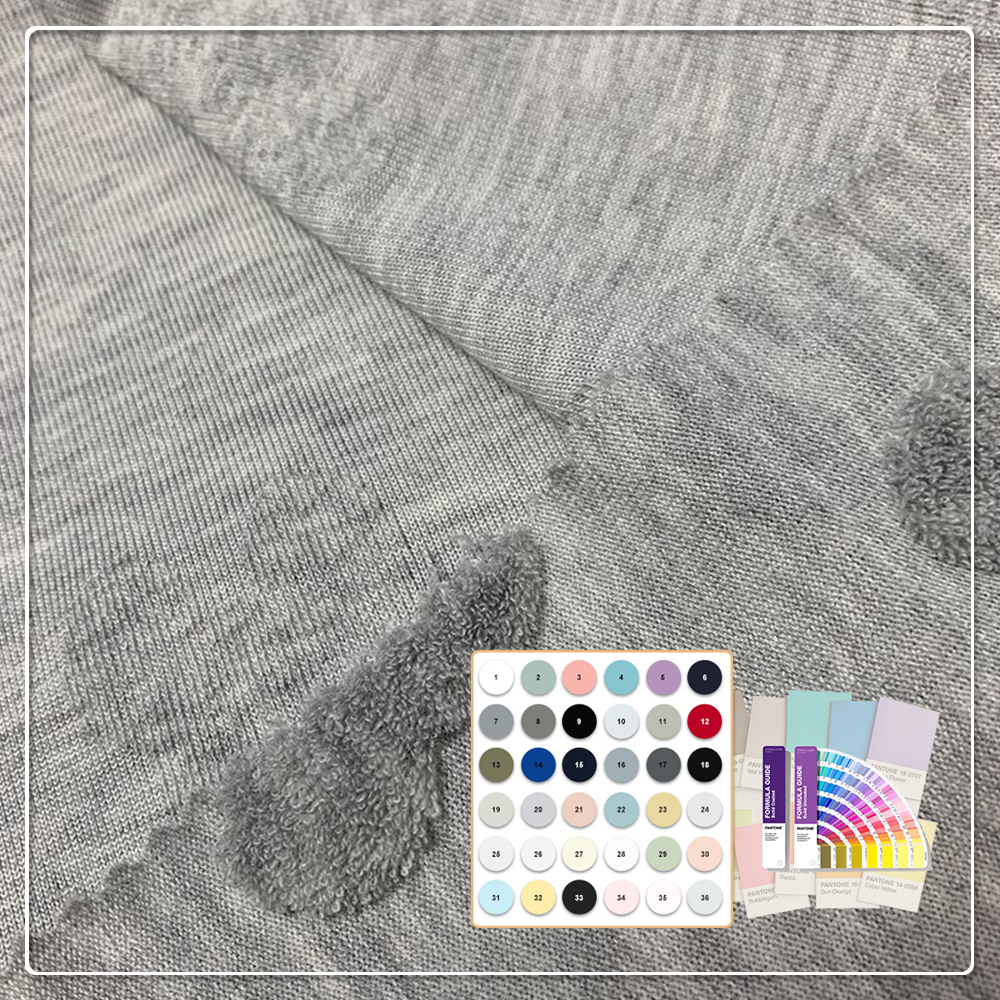
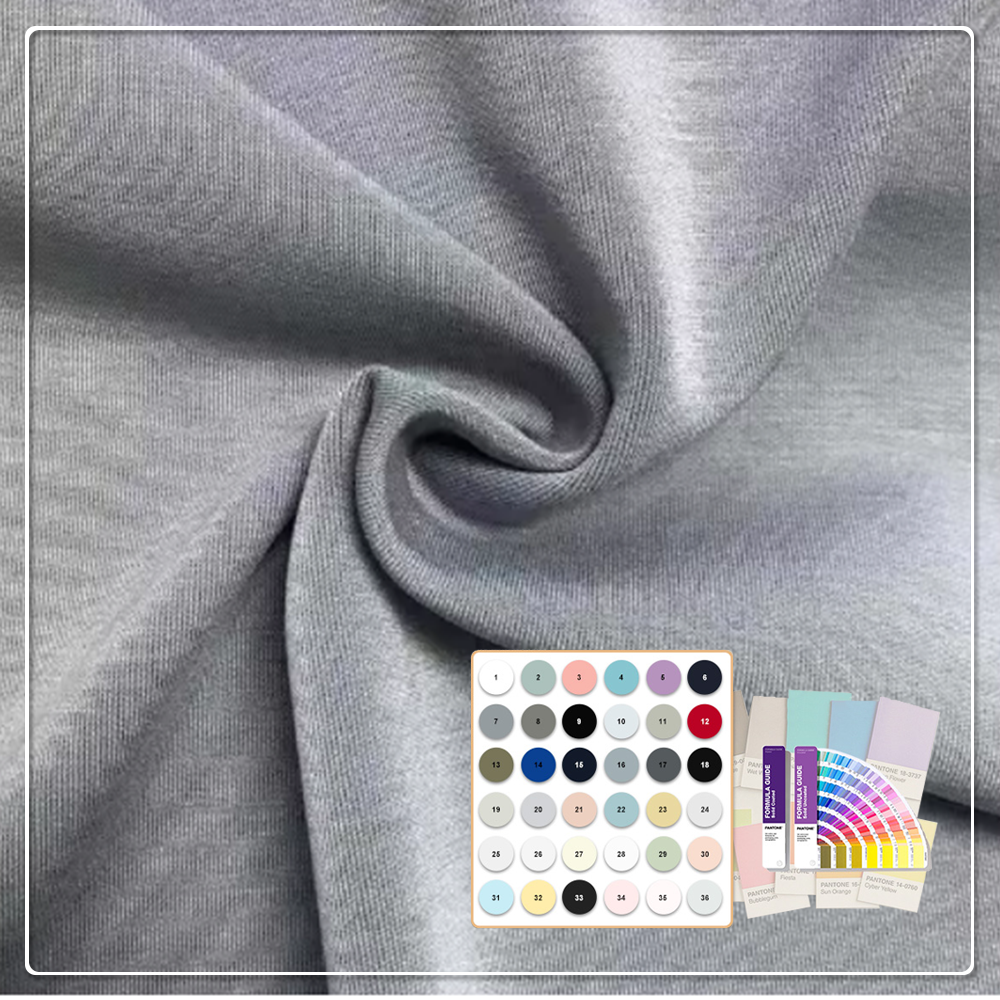
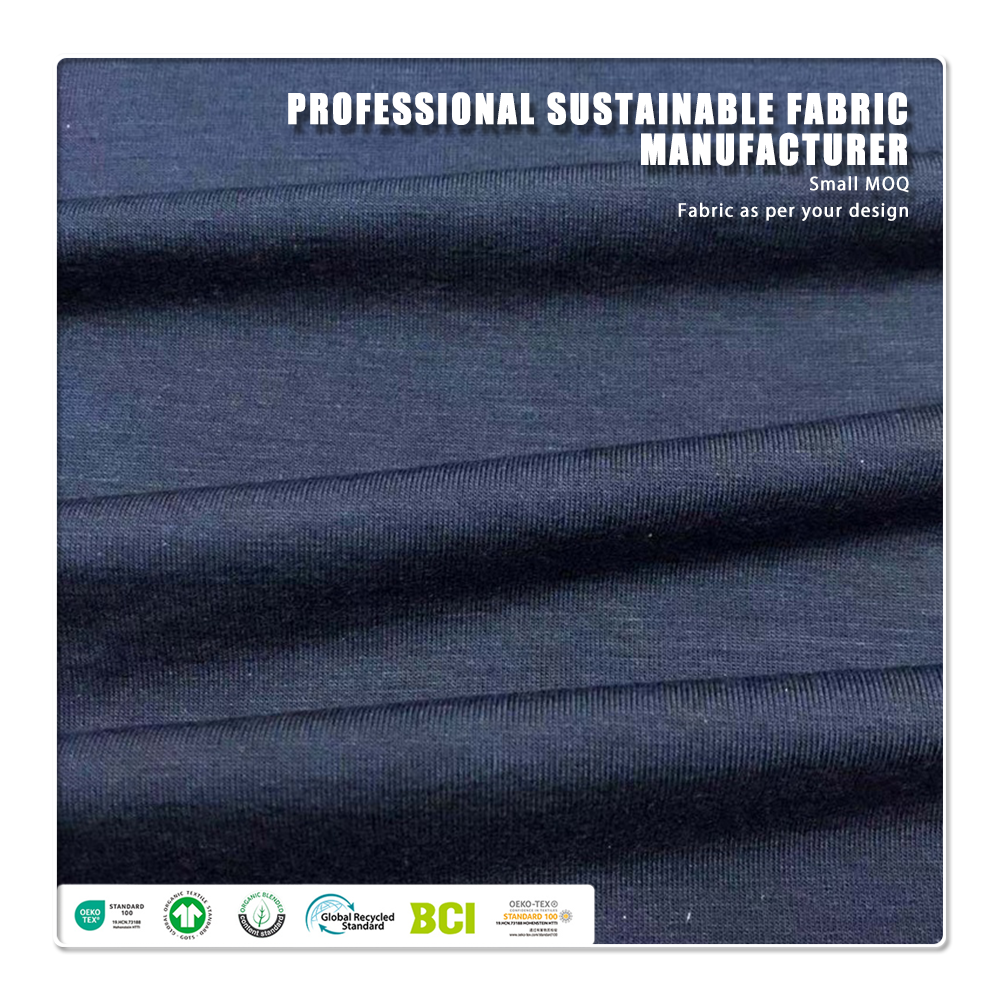
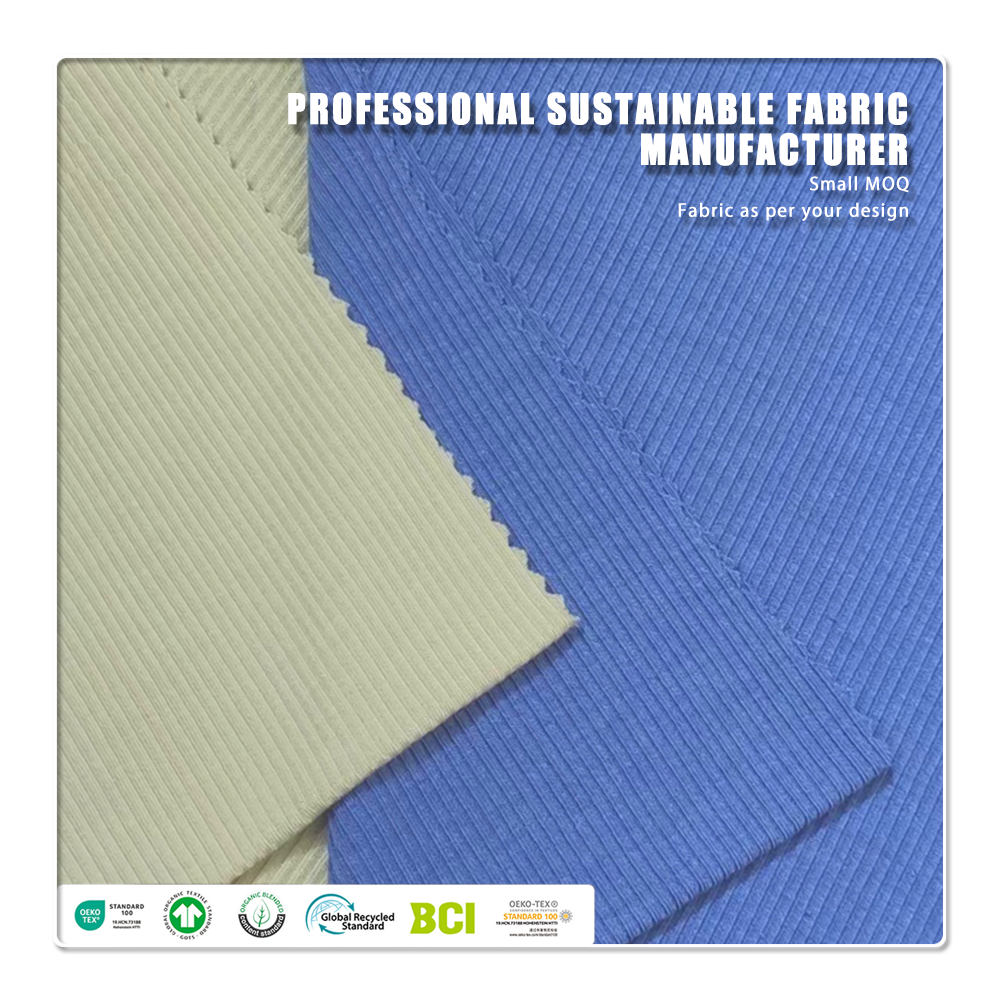
Bamboo shirt fabric

Bamboo shirt fabric is gaining popularity in the textile industry due to its eco-friendly nature and luxurious feel. As businesses look to source high-quality materials, understanding the nuances of bamboo fabric becomes crucial for purchasing managers, product managers, and other professionals in the textile supply chain. This article will address key considerations for sourcing bamboo shirt fabric, including specifications, cost factors, common challenges, and installation guidance, helping buyers make informed decisions. 

Our Products

A Buyeru2019s Guide

To streamline the sourcing process for bamboo shirt fabric, buyers should prepare a comprehensive product specification document when requesting quotes from suppliers. This viscose made from bamboo  should include: 

Material Requirements: Clearly outline that the fabric should be 100% bamboo or a specified blend, and include any desired certifications. 

Dimensions: Specify the width and weight of the fabric, as these factors will impact the final garment's design and cost. 

Quantity: Provide an estimated volume for the order, which can influence pricing and lead times. 

Customizations: Mention any specific dye colors, patterns, or finishes required for the fabric.  

Quality Standards: Include expectations for color fastness, shrinkage rates, and other performance metrics. 

By presenting this information, buyers can help suppliers deliver accurate quotes and minimize back-and-forth communications, thus speeding up the procurement process. 
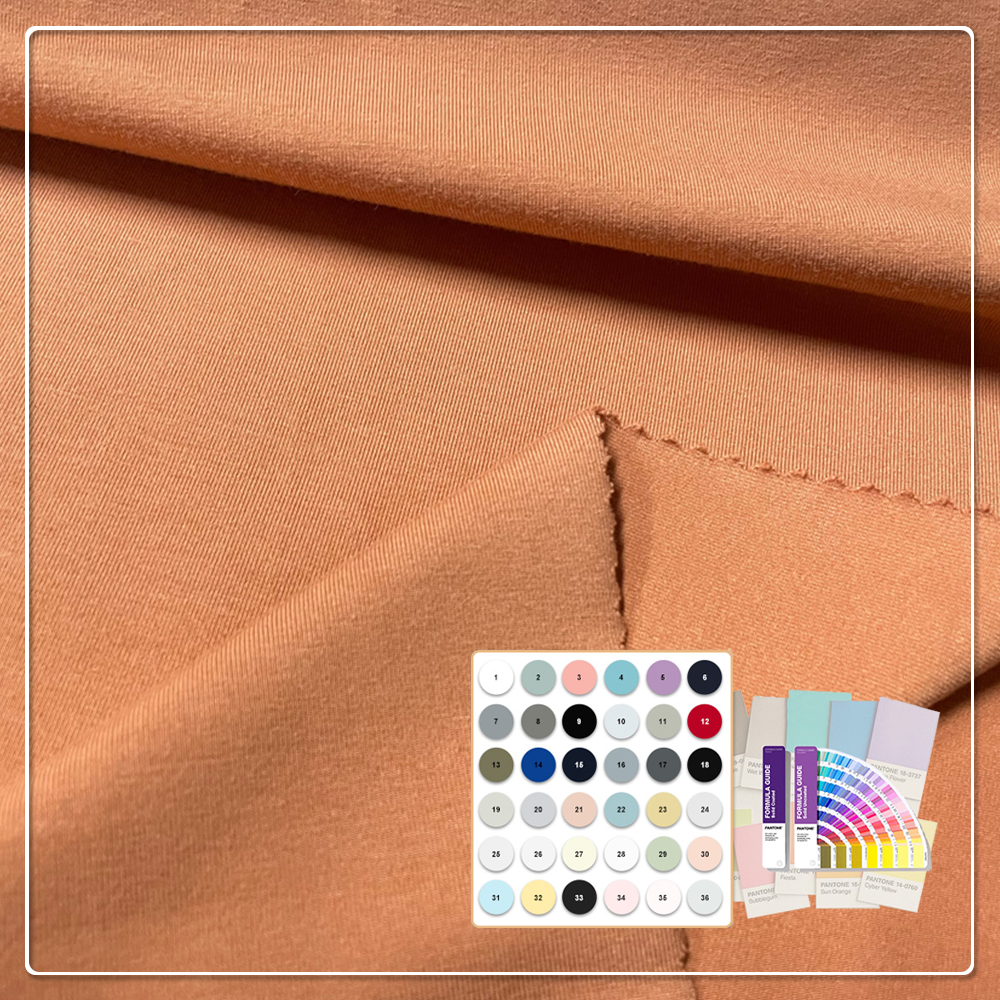
Cost Factors to Consider When Purchasing Bamboo Shirt Fabric in Bulk

When evaluating the cost of bamboo shirt fabric, several factors come into play: 

Material Source: The origin of bamboo can affect pricing. Bamboo sourced from sustainable farms may be more expensive, but viscose fabric from bamboo often results in better quality and environmental impact. 

Production Volume: Higher purchase quantities typically lead to lower per-unit costs. Establishing minimum order quantities (MOQs) with suppliers can help buyers gauge initial financial commitments. 

Customization Requirements: Custom colors or patterns may incur additional costs. It’s essential to clarify these potential expenses upfront. 

Shipping Costs: Depending on the supplier's location and the delivery destination, shipping costs can significantly impact the total purchase price. Buyers should consider logistics when evaluating quotes. 

Payment Terms: Negotiating favorable payment terms can ease cash flow concerns. Exploring options such as deposits or longer payment periods may be beneficial. 

Understanding these factors can help buyers better assess the value of quotes and make informed purchasing decisions. 

Common Problems with Bamboo Shirt Fabric and Their Solutions

While bamboo shirt fabric has many advantages, it is not without challenges. Here are some common issues and their solutions: 

Pilling: Bamboo fabric can pill over time, especially in high-friction areas. To address this, buyers should look for fabrics with tighter weaves and consider additional treatments to enhance durability. 

Color Fading: If the fabric does not have adequate color fastness, it may fade quickly after washing. Buyers should ensure the fabric meets the required level of color fastness (4-5) and consider pre-washing samples to assess how well they retain color. 

Shrinkage: Poorly processed bamboo fabric may shrink significantly after washing. To prevent this, buyers should request samples and verify that shrinkage remains below the 5% threshold before placing bulk orders. 

Sustainability Claims: Some suppliers may overstate the sustainability of their bamboo fabric. Buyers should request detailed certifications and documentation to verify claims and avoid greenwashing. 

By anticipating these challenges, buyers can take proactive steps to mitigate risks and ensure they receive high-quality bamboo fabric. 

Installation Guidance for Bamboo Shirt Fabric in Various Settings

When it comes to using bamboo shirt fabric, understanding the installation or application process is crucial, particularly for manufacturers and designers. Here are some key considerations: 

Cutting: Bamboo fabric can stretch, so precise cutting is essential to avoid inconsistencies in garment sizes. Using sharp, clean tools and following the grain of the fabric can help maintain accuracy. 

Sewing: Employing the right sewing techniques is vital. Use a needle suitable for knits and ensure that thread tension is correctly adjusted to avoid puckering. This will enhance the overall appearance and durability of the finished product. 

Finishing Techniques: Depending on the desired end-use, various finishing techniques such as enzyme washing can enhance the softness and drape of bamboo fabric. Buyers should discuss these options with their manufacturers to achieve the desired look and feel. 

Care Instructions: It’s essential to provide end-users with proper care instructions to maintain the integrity of bamboo fabric. Recommendations typically include washing in cold water, avoiding bleach, and line drying to prevent shrinkage and fading. 

By following these guidelines, manufacturers and designers can ensure that bamboo shirt fabric performs well in its intended applications, leading to higher customer satisfaction and fewer returns. 

Bamboo shirt fabric represents a sustainable choice for modern apparel. By considering the factors outlined, buyers can confidently navigate the sourcing process, ensuring they select high-quality materials that meet their business needs and sustainability goals. 

What to Consider When Sourcing Bamboo Shirt Fabric for Wholesale

When sourcing bamboo shirt fabric, buyers should prioritize several factors to ensure they meet their customers' expectations. First, the material's sustainability is paramount. Bamboo is biodegradable and requires fewer chemicals than traditional cotton, making it an appealing choice for eco-conscious brands.  

Next, consider the fabric's quality attributes. Bamboo shirt fabric typically boasts excellent breathability, moisture-wicking capabilities, and a soft, luxurious texture. Buyers should check for certifications such as OEKO-TEX, GOTS, and OCS, which validate the eco-friendliness and safety of the materials used. Ensure any potential viscose from bamboo fabric can provide these certifications to avoid sourcing issues and align with sustainability goals.  

Another aspect to evaluate is the fabric's durability. Factors such as color fastness and shrinkage rates are critical; high-quality bamboo fabrics should demonstrate a color fastness rating of level 4-5 and shrinkage below 5%. These specifications ensure that the fabric maintains its appearance and fit after washing, which is essential for customer satisfaction. 

Our Blog Posts

How Tencel Lyocell Improves Breathability in Modern Textile Applications

29

May

How Tencel Lyocell Improves Breathability in Modern Textile Applications

Today, breathability is not merely a perk in fabric, but a standard and expected characteristic for consumers wearing sportswear, loungewear, and general apparel. A breathable fabric allows the body to remain cool, dry, and comfortable...
View More
What Makes Tencel Lyocell a Preferred Choice for Sustainable Apparel

29

May

What Makes Tencel Lyocell a Preferred Choice for Sustainable Apparel

Sustainability has now moved out of the niche and into an expectation among ethical consumers and forward-thinking brands. Among the many eco-friendly fibers currently available, Tencel Lyocell has emerged as a clear front-runner. Here at S...
View More
Why Tencel Lyocell Is Widely Used in Sustainable Fashion Collections

29

May

Why Tencel Lyocell Is Widely Used in Sustainable Fashion Collections

Sustainable fashion is no longer a trend that only attracts the fringe;it is now mainstream. Designers and brands are actively searching for materials that cause minimal harm to the planet,while still retaining the highest levels of quality and style...
View More
Why Tencel Modal Is Popular Among Premium Clothing Brands

29

May

Why Tencel Modal Is Popular Among Premium Clothing Brands

The secret to many premium brands lies in offering something truly exceptional. From an exquisite hand feel to an incredible drape or an environmentally responsible story to tell, every nuance matters. Tencel Modal has long been a favored fiber among...
View More

Get a Free Quote

Our representative will contact you soon.
Email
Name
Mobile/WhatsApp
Company Name
Message
0/1000

Get a Free Quote

Our representative will contact you soon.
Email
Name
Mobile/WhatsApp
Company Name
Message
0/1000