Quality Bamboo Terries for Wholesale Buyers

Get a Free Quote

Our representative will contact you soon.
Email
Name
Mobile/WhatsApp
Company Name
Message
0/1000

Bamboo terries

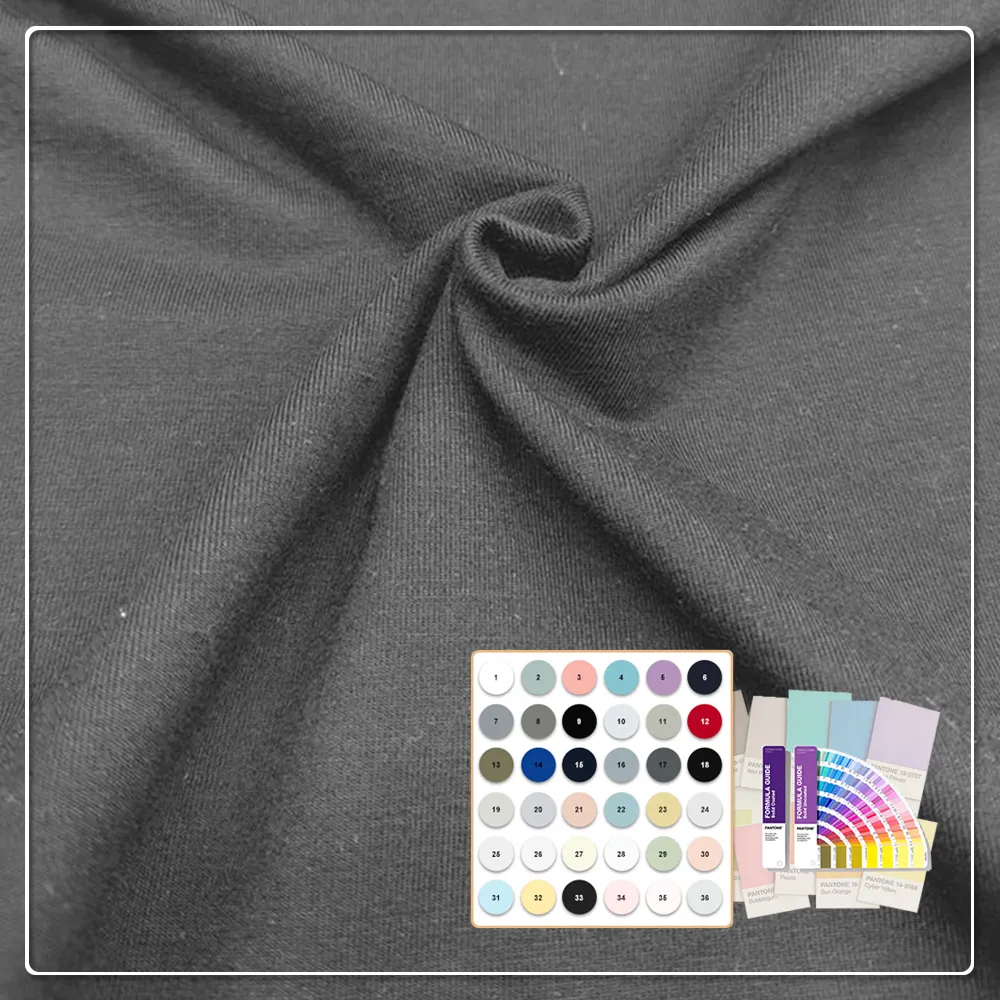
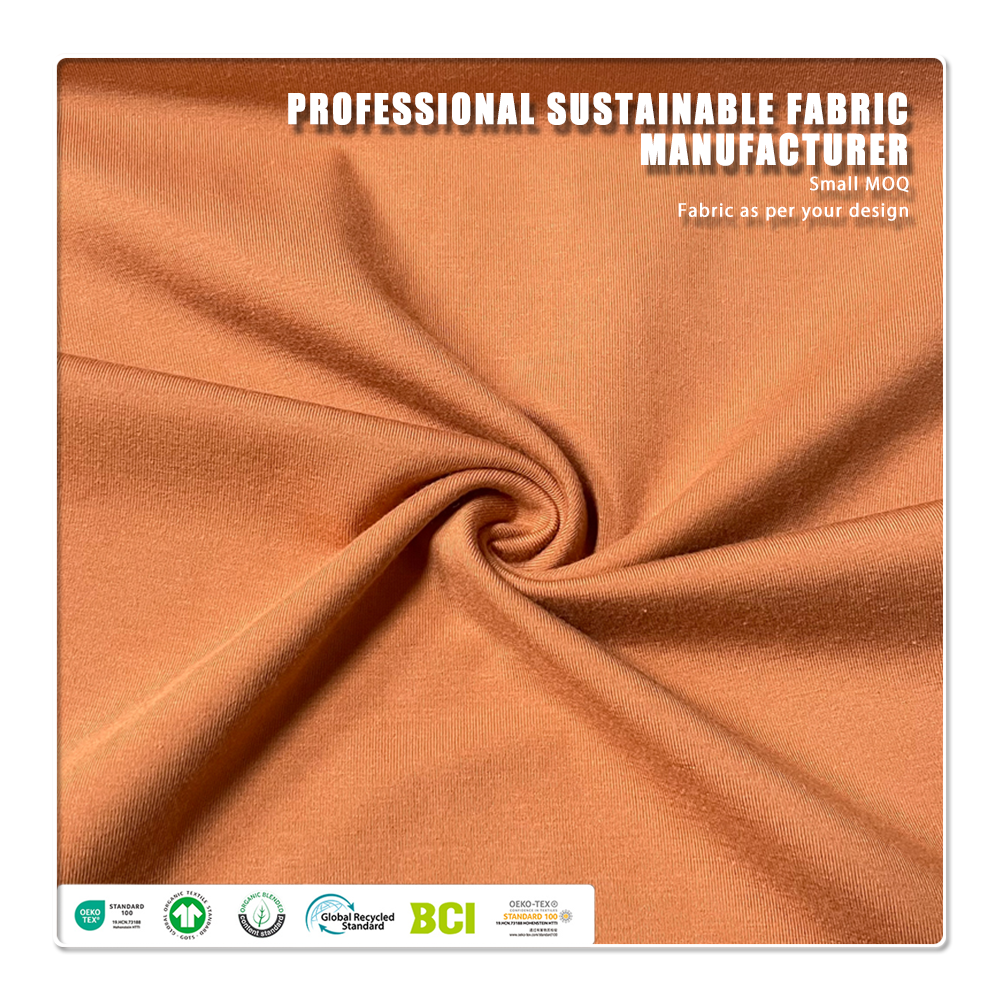
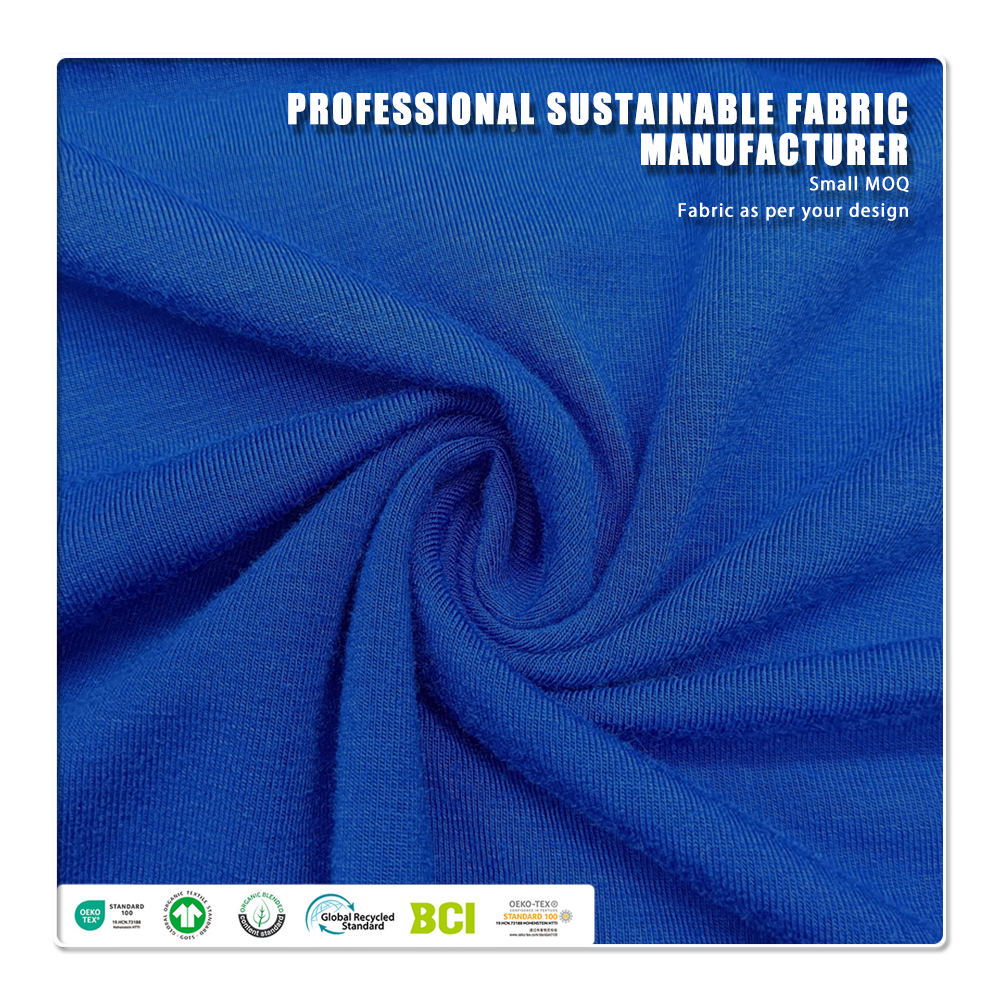
Bamboo terries are a type of knitted fabric made primarily from bamboo fibers, known for their eco-friendly properties and luxurious feel. As a B2B buyer, your concerns may revolve around quality assurance, sourcing reliable suppliers, and understanding the cost implications of wholesale purchases. This article also will guide you through evaluating the quality of bamboo terries, finding trustworthy suppliers, assessing costs, addressing common issues, and highlighting the key features and benefits of these fabrics. 

Our Products

Where to Find Reliable Suppliers for Bamboo Terries in Bulk

Finding reliable suppliers for bamboo terries requires a strategic approach. Start by researching manufacturers with a strong reputation in the textile industry. Look for companies that specialize in eco-friendly fabrics, as they are more likely to have the expertise and commitment to quality that you need. 

Trade shows and textile exhibitions can be invaluable for meeting suppliers in person. These bamboo fabric factory provide opportunities to see samples, ask questions, and build relationships. Online platforms such as Alibaba and Global Sources also list verified manufacturers, but ensure to conduct due diligence by checking reviews, requesting references, and possibly visiting the factory if feasible. 

Another effective method is to leverage industry networks. Engaging with industry associations or forums can lead to recommendations for trustworthy suppliers. It's important to communicate your specific requirements, including minimum order quantities (MOQs), customization capabilities, and delivery timelines, to ensure the supplier can meet your needs. 
Cost Factors to Consider When Buying Bamboo Terries in Wholesale

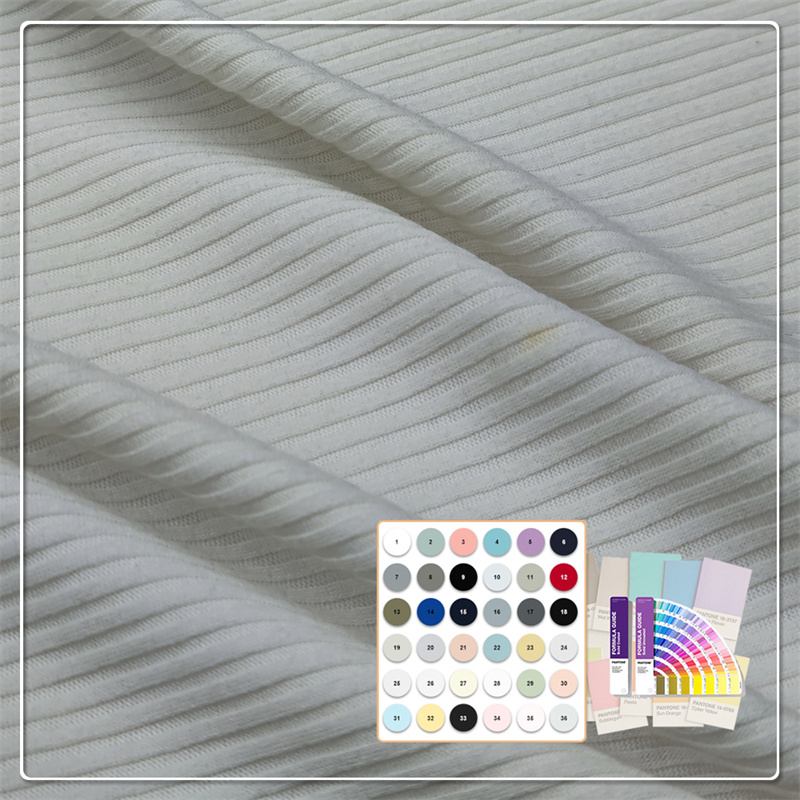
The cost of bamboo terries can vary significantly based on several factors. First, the type of bamboo bamboo fabric manufacturer plays a crucial role;  100% bamboo terries typically command a higher price due to their premium quality. Additionally, the complexity of the fabric's construction—such as the knitting technique and texture—can affect pricing. 

Volume purchasing is another critical cost factor. Many manufacturers offer tiered pricing, where the unit price decreases as the order quantity increases. Be sure to inquire about MOQs to avoid unexpected costs. 

Other considerations include shipping costs, which can fluctuate based on destination and shipping method, and potential tariffs or import duties if sourcing internationally. Always request detailed quotations that break down these costs to avoid any surprises. 

Common Problems with Bamboo Terries and Effective Solutions

Bamboo terries, while known for their advantages, can present several challenges. One common issue is pilling, which can occur due to friction during wear or laundering. To mitigate this, select higher-quality fabrics with tighter knit structures, and advise customers on proper care, such as gentle washing and air drying. 

Another challenge is susceptibility to fading if the fabric is not treated correctly. Ensure that your supplier uses high-quality dyes that are resistant to fading and that the terries have undergone proper finishing processes to enhance color retention. 

In addition, bamboo terries can sometimes shrink if not pre-treated properly. Working with a reputable manufacturer that conducts thorough quality control and pre-shrinking processes can alleviate this concern. Always request samples to test for these issues prior to placing a large order. 

Key Features and Benefits for Buyers

Bamboo terries come with several key features and benefits that make them attractive to buyers. bamboo fabric suppliers natural breathability and moisture-wicking properties make them ideal for a range of applications, from activewear to home textiles. Bamboo fibers are also inherently antibacterial, which helps reduce odors and enhances hygiene—an important consideration for fabric used in clothing and bedding. 

Moreover, bamboo terries are biodegradable and eco-friendly, appealing to environmentally conscious consumers. The luxurious softness of the fabric adds to its allure, providing a plush feel that enhances comfort in various applications. 

Buyers should also appreciate the customizability of bamboo terries. Many manufacturers, including Shaoxing City Ohyeah Textile Co., Ltd., offer options for different weights, textures, and colors, allowing businesses to tailor products to their market needs. This flexibility can be a significant advantage in a competitive market. 

In summary, when sourcing bamboo terries for wholesale, it's vital to evaluate quality through specifications, find trustworthy suppliers, understand cost factors, address potential problems proactively, and recognize the inherent advantages of this eco-friendly fabric. With this knowledge, you can make informed purchasing decisions that is align with your business goals. 

How to Evaluate the Quality of Bamboo Terries for Wholesale Purchase

When evaluating bamboo terries for wholesale purchase, it's essential to consider several key factors that directly affect quality.  First, examine the fabric's composition—100% bamboo terries offer the best softness and breathability, while blends with other materials can alter performance characteristics. The weight of the fabric, typically measured in grams per square meter (GSM), can also indicate quality; higher GSM usually translates to a denser, the more durable fabric. 

Another critical aspect is color fastness, which refers to the fabric's ability to retain its color after washing and exposure to light.  Bamboo terries should ideally have a color fastness rating of level 4-5. Additionally, shrinkage rates should be below 5% to ensure size stability after laundering. A reliable supplier should provide samples that allow you to assess these qualities firsthand before committing to bulk orders. 

Lastly, consider the certifications of the manufacturer. Certifications such as OEKO-TEX, GOTS, and OCS indicate adherence to environmental and safety standards, ensuring that the bamboo terries are produced sustainably and are free from harmful substances. 

Our Blog Posts

The Supply Chain Dynamics of Bamboo Fabric from Manufacturer to Export

14

Oct

The Supply Chain Dynamics of Bamboo Fabric from Manufacturer to Export

Ecofriendly and Organic Bamboo Fabric Source for Wholesale BuyersFor wholesale buyers looking for eco-friendly fabric options, buying bamboo fabric from Ohyeah Textile Co., Ltd. means that support for the environment and ethics are built into the ent...
View More
How long does bamboo fabric last

04

Feb

How long does bamboo fabric last

One thing I know is the news about bamboo fabric is that in the sustainable clothing industry, it is renowned as a calming fabric due to its fluffy feel, breathability, and greenery. One of the most realistic questions that are frequently posed by de...
View More
How Tencel Modal Improves Fabric Flexibility for Activewear

29

May

How Tencel Modal Improves Fabric Flexibility for Activewear

There's something special that activewear needs. It has to stretch and return to shape. It has to be comfortable against the skin during strenuous activity. And now it must come from sustainable sources. It's precisely this amazing flexibil...
View More
Why Tencel Lyocell Is Widely Used in Sustainable Fashion Collections

29

May

Why Tencel Lyocell Is Widely Used in Sustainable Fashion Collections

Sustainable fashion is no longer a trend that only attracts the fringe;it is now mainstream. Designers and brands are actively searching for materials that cause minimal harm to the planet,while still retaining the highest levels of quality and style...
View More

Get a Free Quote

Our representative will contact you soon.
Email
Name
Mobile/WhatsApp
Company Name
Message
0/1000

Get a Free Quote

Our representative will contact you soon.
Email
Name
Mobile/WhatsApp
Company Name
Message
0/1000