EN
The growing trend towards sustainability has made clothes made out of bamboo an attractive option for manufacturers and buyers in the textile industry. Known for their eco-friendly properties, bamboo fabrics offer a unique combination of comfort, durability, and luxury. This article aims to address the key specifications, sourcing strategies, common challenges, applications in the fashion industry, and the manufacturing process of bamboo fabric factory, providing practical insights for purchasing managers, distributors, and other professionals in the B2B sector.
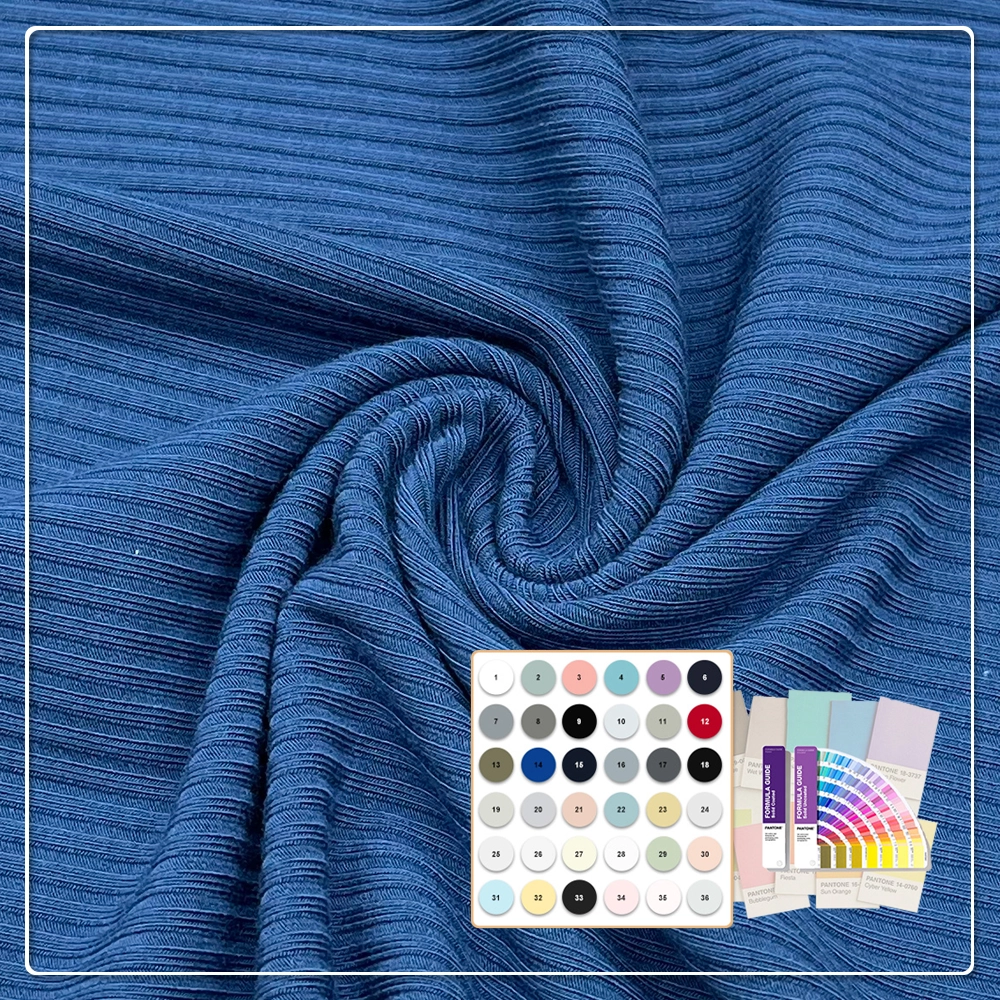
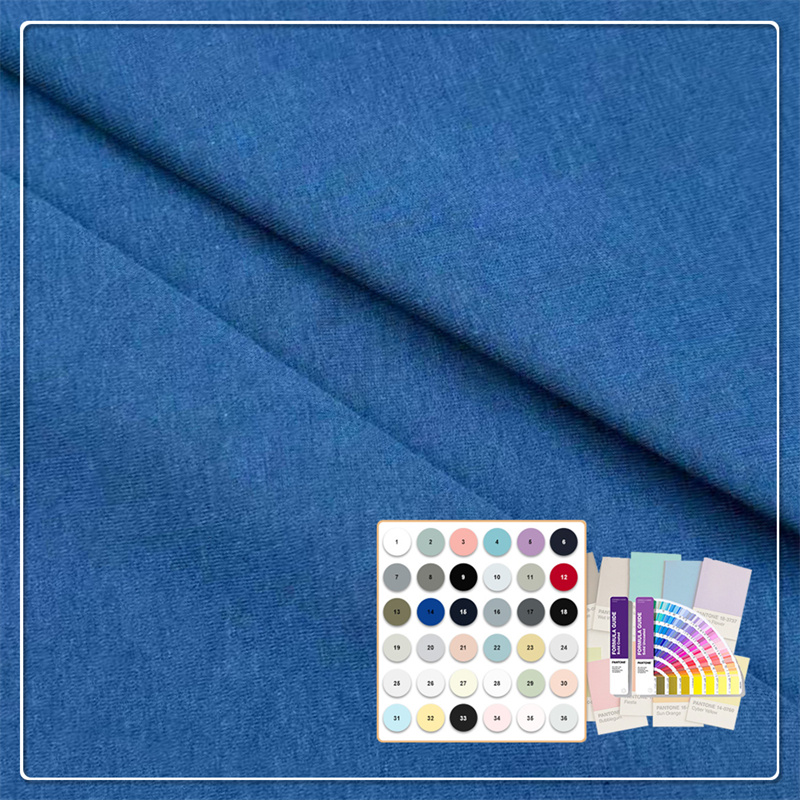
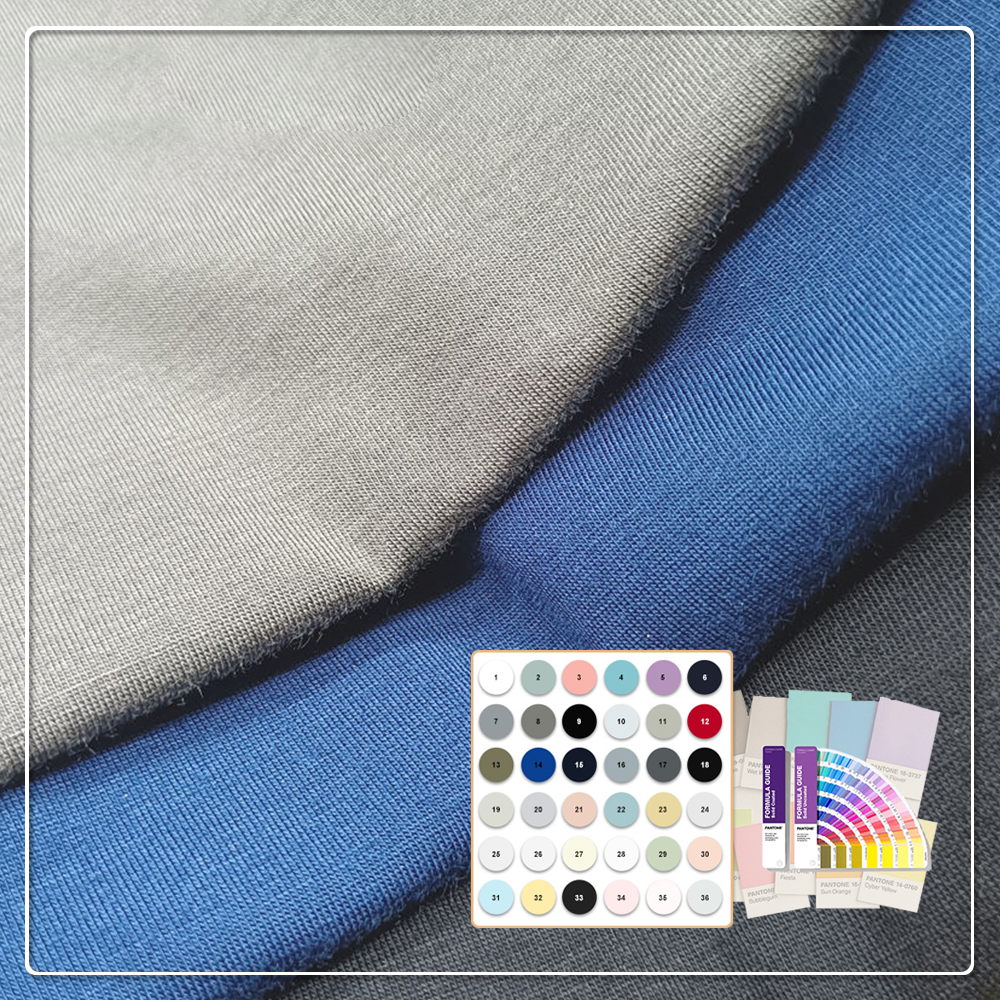
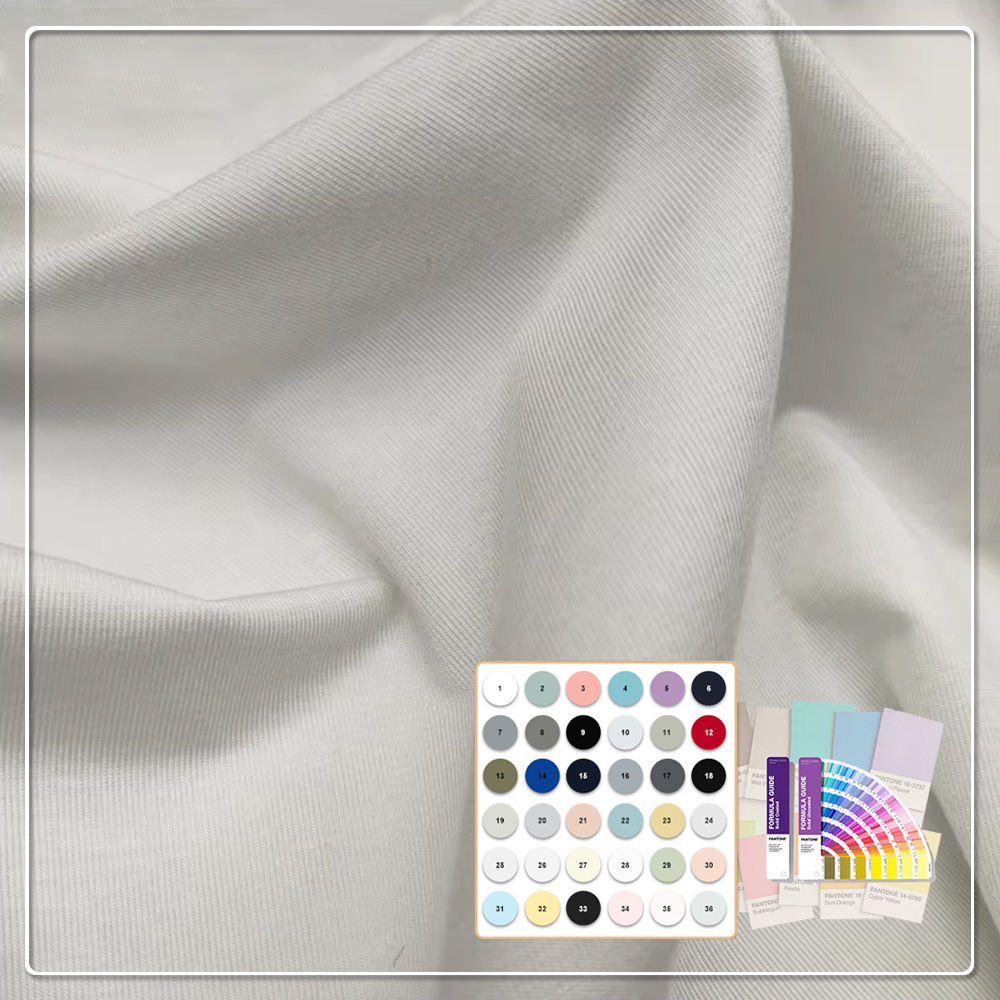



Where to Source Reliable Bamboo Clothing Suppliers for Your Projects
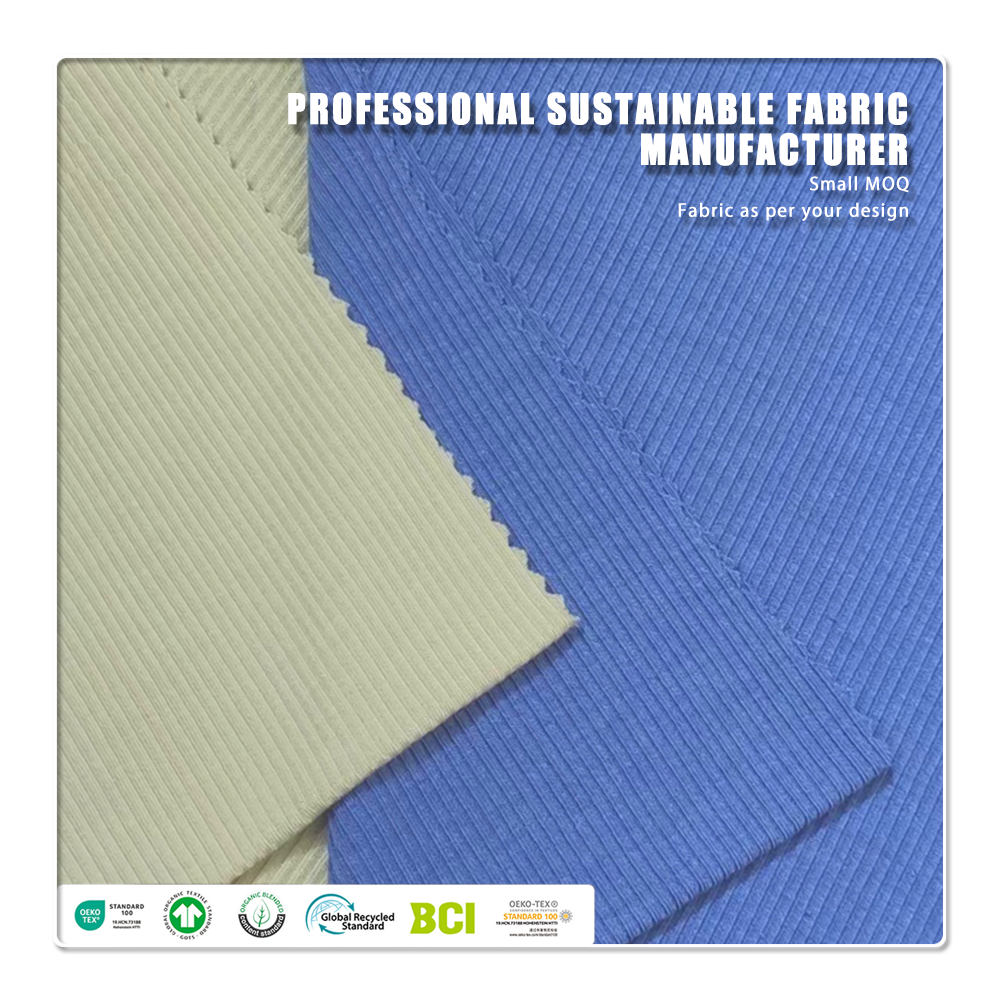
Sourcing reliable bamboo clothing suppliers involves evaluating a combination of factors. Start by researching suppliers with a strong reputation in eco-friendly textiles. Look for manufacturers who hold certifications, such as OEKO-TEX or GOTS, which signify compliance with international safety and environmental standards.
In addition, consider suppliers that offer transparency regarding their supply chain and production processes. A visit to their manufacturing facility can provide insights into their operations, machinery, and quality control practices. For instance, Shaoxing City Ohyeah Textile Co., Ltd. operates over 100 circular knitting machines, resulting in a monthly output of 200 tons, which showcases our capacity to meet large orders.
Networking at industry trade shows or joining relevant textile associations can also help identify potential suppliers. Engaging with industry peers can provide recommendations and insights into suppliers' reliability and product quality.