 EN
Cotton knit fabric is a versatile and eco-friendly material widely used in various applications, known for its comfort, breathability, and stretchability. For purchasing managers, product developers, and engineers, selecting the right type of cotton knit fabric involves understanding specific project requirements, quality standards, and cost factors. This article aims to guide you through the complexities of sourcing cotton knit fabric, addressing your core concerns, and providing actionable insights for informed purchasing decisions.
Understanding the Cost Factors of Bulk Cotton Knit Fabric Orders
When sourcing cotton knit fabric in bulk, several cost factors come into play. The primary elements influencing pricing include material composition, order quantity, and customization options. For example, organic cotton or bamboo fibers tend to command higher prices due to their sustainable farming practices compared to conventional cotton.
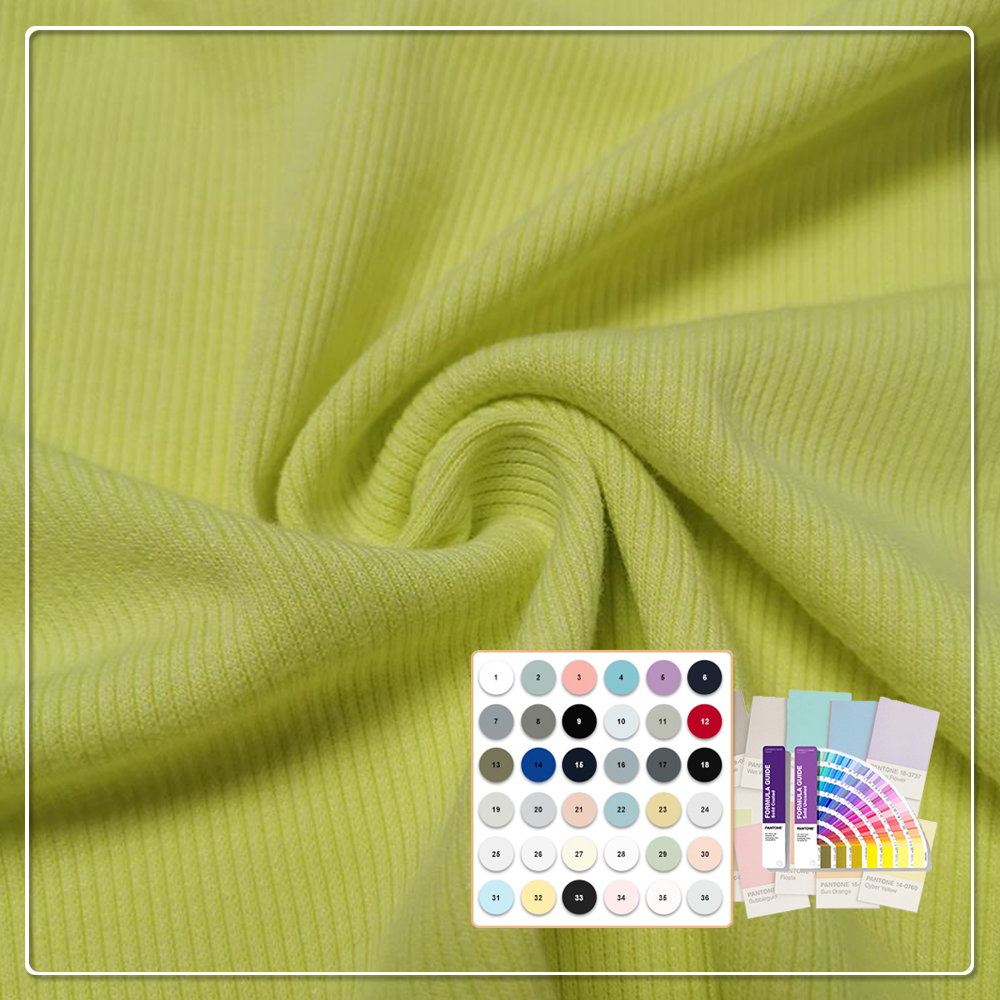
Order quantity significantly impacts unit pricing; larger quantities often lead to bulk discounts. However, buyers must balance the benefits of lower prices against their storage capabilities and cash flow considerations. Additionally, customization, such as specific colors or patterns, may incur extra costs. Buyers should clearly outline their requirements, including desired fabric weight and finish, when requesting quotes to ensure accurate pricing.
Shipping and logistics are also crucial cost factors. Depending on the destination, shipping costs can vary significantly, and lead times should be factored into the overall budget. It is advisable to work closely with suppliers to understand potential logistical challenges and costs associated with bulk orders.