EN
Choosing the right cotton knit material for your wholesale orders can significantly impact the quality and performance of your final products. Cotton knit material is known for its softness, breathability, and versatility, making it a popular choice across various industries. However, B2B buyers often face challenges related to sourcing, quality assurance, and application suitability. This article aims to guide you through the essential factors to consider when selecting cotton knit materials, ensuring that your purchasing decisions align with your product requirements.
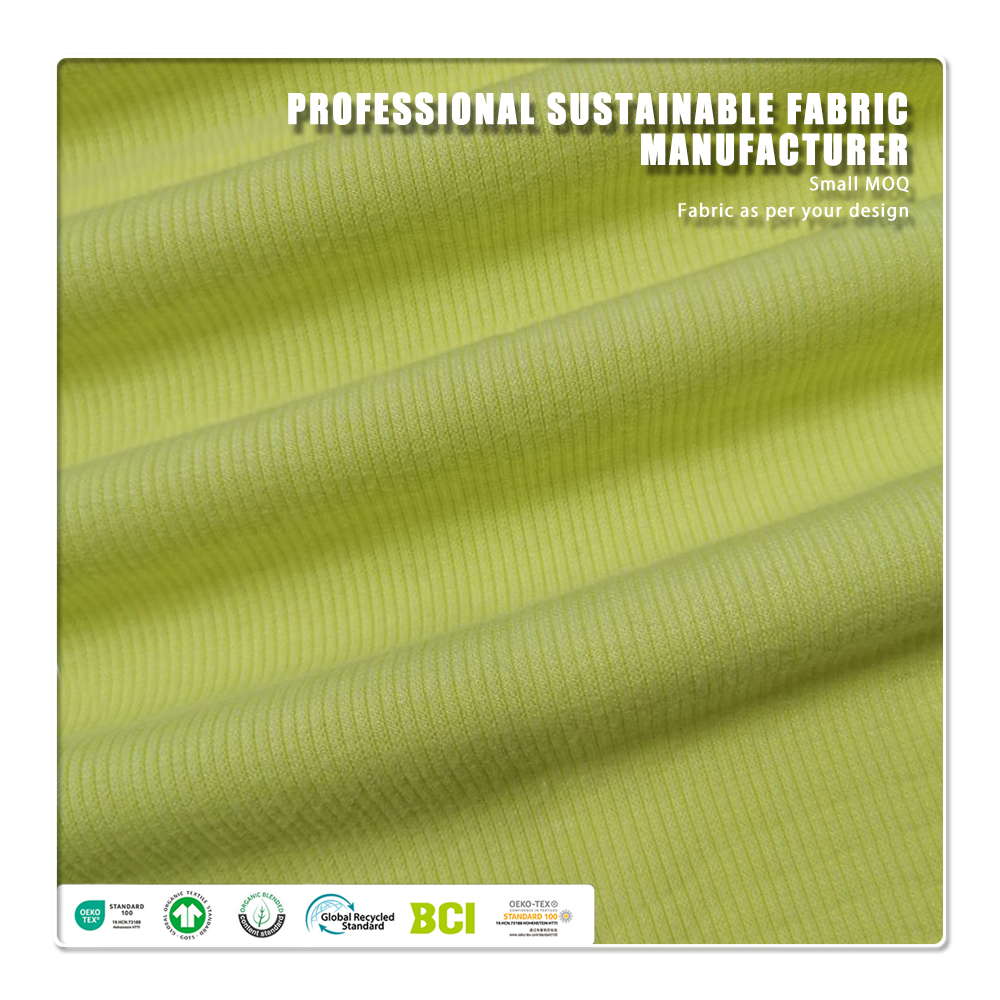
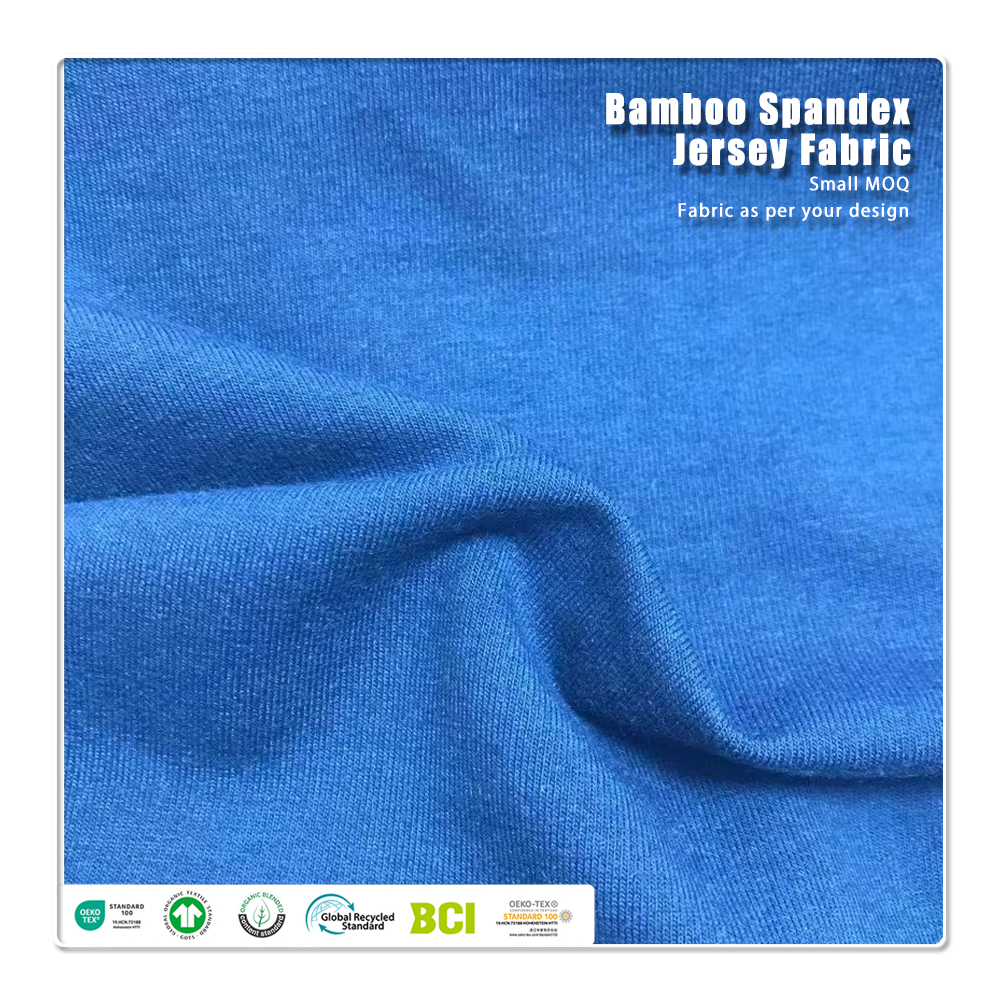
Key Specifications to Consider When Sourcing Cotton Knits
When sourcing cotton knit fabrics, several key specifications should be evaluated:
Weight and Thickness: The weight of the fabric affects its drape and suitability for different garments. Lighter fabrics are generally better for layering, while heavier fabrics offer more warmth and structure.
Color Fastness: A color fastness rating of 4-5 means the fabric will maintain its color even after multiple washes, which is critical for products expected to endure regular use.
Shrinkage: Understanding the shrinkage rate is essential to ensure that your final products fit as intended. A shrinkage rate below 5% is ideal for maintaining garment dimensions.
Certification: Look for certifications such as OEKO-TEX, GOTS, or OCS, which indicate compliance with strict environmental and social criteria. These certifications provide assurance regarding the material’s safety and sustainability.
Customization Options: Determine if the supplier can accommodate custom colors, patterns, or blends. Customization can help you differentiate your product in a competitive market.