Cotton Linen Fabric Printing: A Comprehensive Guide

Get a Free Quote

Our representative will contact you soon.
Email
Name
Mobile/WhatsApp
Company Name
Message
0/1000

cotton linen fabric printing

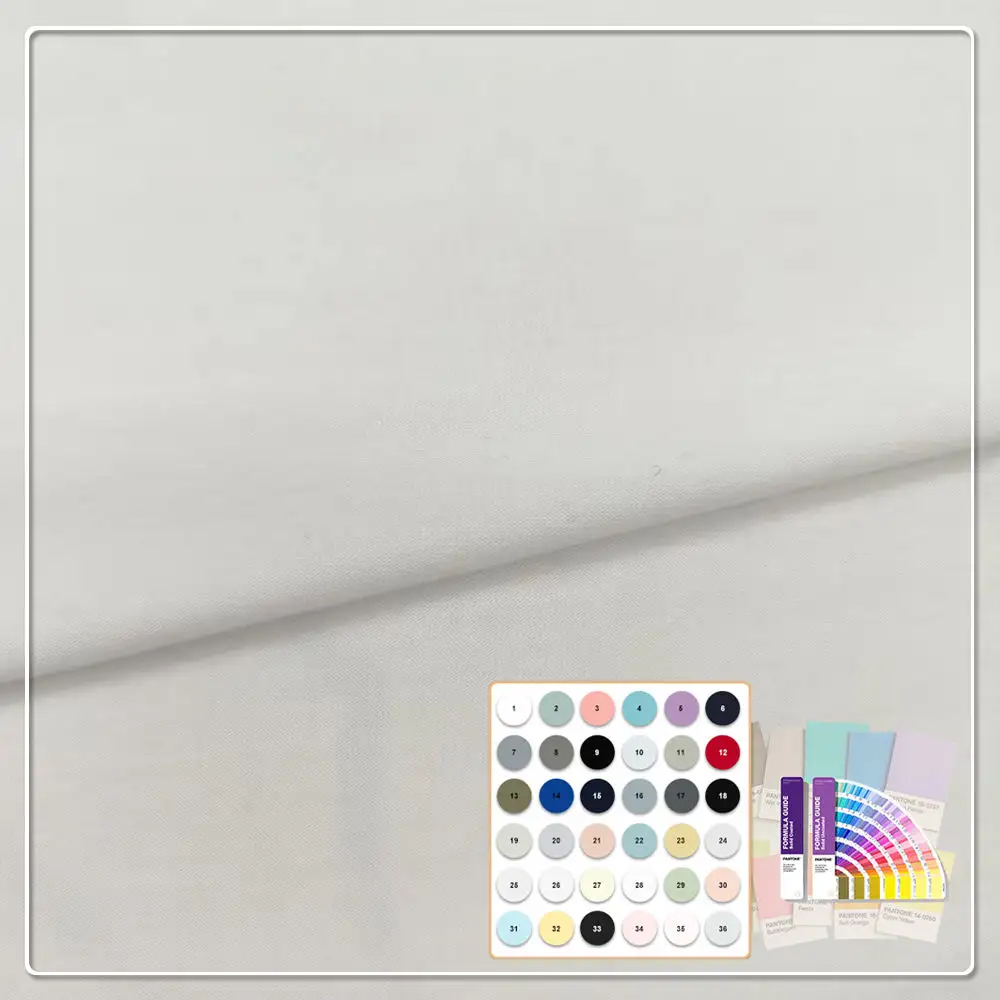
Cotton linen fabric printing is a versatile option for businesses seeking eco-friendly solutions without compromising quality and aesthetics. This innovative fabric blends the softness of cotton with the durability of linen, making it suitable for various applications. B2B buyers often prioritize factors such as sustainability, cost, and print quality when considering fabric options for their projects. This article will provide insights into selecting the right cotton linen fabric, essential specifications, cost considerations for bulk orders, and its diverse industrial applications.

How to Choose the Right Cotton Linen Fabric for Your Projects

Choosing the right cotton linen fabric involves assessing specific project requirements. Start by defining the intended application—whether it’s for fashion apparel, furniture upholstery, or decorative items. Each application may require different fabric characteristics, such as weight, texture, and durability.

Next, consider the desired print technique. Different printing methods, such as screen printing or digital printing, may require specific fabric finishes or weights for optimal results. For example, digital printing often works best with fabrics that have a smooth surface, while screen printing may require a heavier fabric to support thicker inks.

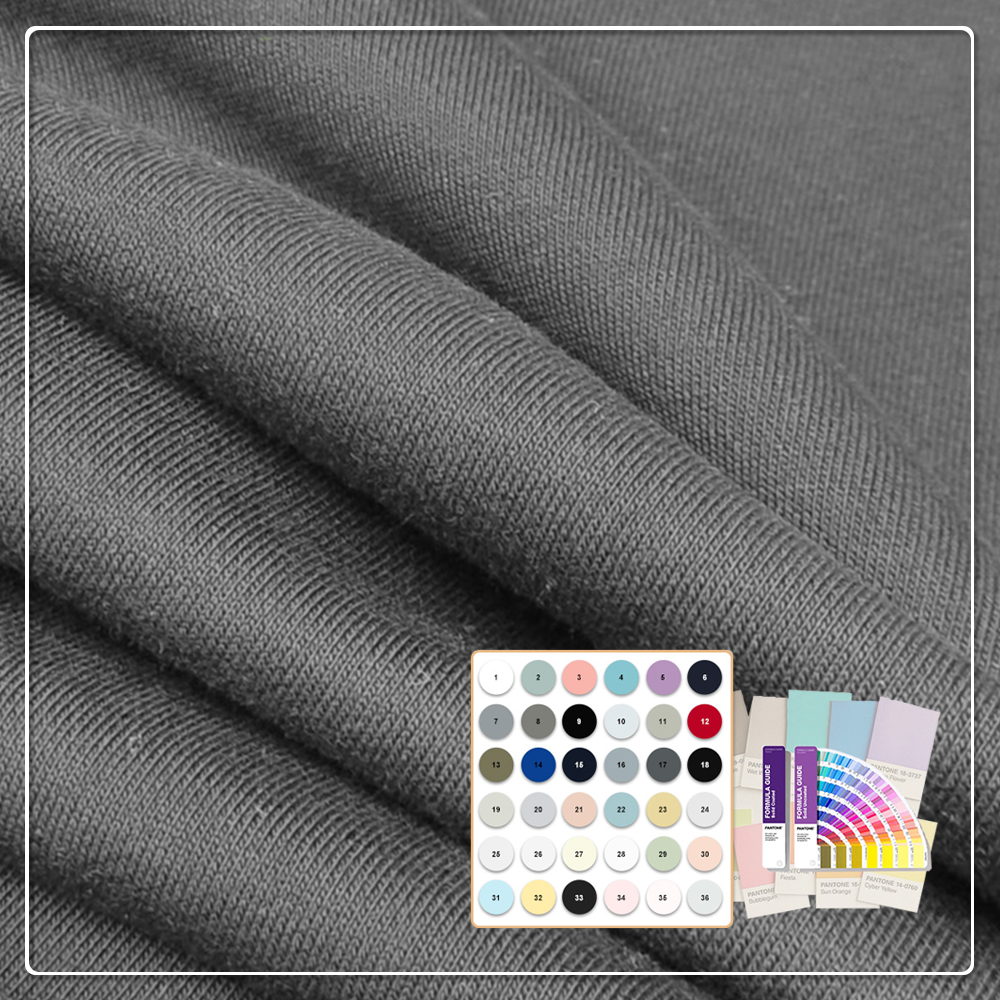
It’s also advisable to request fabric samples before making a bulk purchase. This allows buyers to evaluate the fabric's color, texture, and response to printing techniques. Additionally, discussing customization options with suppliers can help tailor the fabric to meet unique project specifications, such as custom colors or patterns.
Key Specifications of Cotton Linen Fabric Printing to Evaluate

When evaluating cotton linen fabric for printing, several specifications should be closely examined:

Weight: Measured in grams per square meter (GSM), the weight affects the fabric's drape and durability. Heavier fabrics (around 200 GSM and above) are typically used for upholstery, while lighter fabrics (around 130-150 GSM) may be preferred for apparel.

Color Fastness: This refers to the fabric's ability to retain color when exposed to light, washing, and abrasion. A rating of 4-5 is desirable for long-lasting prints.

Shrinkage Rate: A shrinkage rate below 5% is optimal, as it ensures the fabric maintains its dimensions post-wash, preventing issues in the finished product.

Print Surface: The fabric should have a smooth and even surface to ensure consistent ink application and high-quality prints.

Finishing Treatments: Some fabrics undergo treatments to enhance water repellency or stain resistance. Understanding these treatments can help buyers select the most suitable fabric for their specific needs.

Cost Factors in Cotton Linen Fabric Printing for Bulk Orders

Pricing for cotton linen fabric printing can vary significantly based on several factors. First, the choice of material directly impacts cost; organic and recycled fabrics often come at a premium due to the sustainable processes involved in their production.

Second, order quantity plays a crucial role. Larger volumes typically lead to lower per-unit costs, making bulk purchases more economical. However, buyers should also consider the minimum order quantities (MOQs) that suppliers may impose, which can affect overall costs.

Customization requirements also influence pricing. Unique colorways, patterns, or printing techniques may incur additional costs. It’s essential for buyers to communicate their specific needs clearly to suppliers during the RFQ process to receive accurate quotes.

Finally, shipping and handling costs should be factored into the total expense. Understanding the logistics involved in transporting fabric, especially for international orders, can help buyers budget effectively.

Applications of Cotton Linen Fabric Printing in Various Industries

Cotton linen fabric printing finds applications across a wide range of industries, thanks to its unique blend of properties. In the fashion industry, its soft texture and breathable nature make it an ideal choice for summer clothing, dresses, and casual wear. Eco-Friendly Stretch Waterproof Anti-Static Shrink-Resistant 30 Coolmax Polyester 70 Supima Cotton 170GSM Fabric for Bed is often complemented by cotton linen for creating stylish and functional outfits.

Interior design benefits from cotton linen fabric’s durability and aesthetic appeal. It is commonly used for upholstery, curtains, and decorative pillows, where its ability to hold vibrant prints can enhance a space’s visual impact.

The hospitality industry also utilizes cotton linen fabric for table linens, uniforms, and decorative elements in hotels and restaurants. The fabric's easy care and ability to withstand frequent washing make it particularly suitable for these applications.

In the promotional products sector, businesses can leverage cotton linen fabric for creating branded bags or merchandise. The fabric's printability allows for high-quality logos and designs, ensuring effective brand visibility.

Understanding the nuances of cotton linen fabric printing is essential for B2B buyers looking to make informed purchasing decisions. By evaluating specifications, considering application needs, and keeping cost factors in mind, businesses can select the right fabric that meets their quality and sustainability goals.

What to Consider

When selecting cotton linen fabric for printing, buyers should consider several critical factors. First, the composition of the fabric is paramount; cotton offers breathability and softness, while linen provides strength and a unique texture. The fabric's weight and thickness also influence its suitability for different applications, such as apparel, upholstery, and home textiles.

Another important consideration is the fabric's eco-friendliness. With increasing consumer demand for sustainable products, choosing fabrics made from organic or recycled materials can enhance a brand's reputation. Certifications such as GOTS (Global Organic Textile Standard) or OEKO-TEX Certified 69% Bamboo 31% Sorona Single Jersey Fabric-Anti-Bacteria Lightweight for Women's Kids' Clothing can assure buyers of the fabric's environmental credentials.

Printability is another key factor. The fabric should have a suitable surface for achieving the desired print quality. A higher color fastness rating (4-5 for cotton linen fabrics) indicates better resistance to fading, ensuring longevity and vibrancy in printed designs. Finally, understanding the fabric's shrinkage properties (ideally below 5%) can prevent issues in the final product.

Our Blog Posts

What Makes Tencel Modal Suitable for Comfortable Knitwear Production

29

May

What Makes Tencel Modal Suitable for Comfortable Knitwear Production

Comfortable knitwear does not happen by accident. The right fiber, the right manufacturing processes, and an awareness of how fabrics feel against the skin must all come together. For knitwear manufacturers who are serious about c...
View More
Why Tencel Lyocell Meets the Needs of Eco-Conscious Apparel Brands

29

May

Why Tencel Lyocell Meets the Needs of Eco-Conscious Apparel Brands

Making sustainable clothing is no small feat. Eco-friendly brands need materials that are truly sustainable while still delivering comfort, quality, and performance. Lots of 'green' materials have one or more major weaknesses that are overlooked or m...
View More
Modal Tencel Material Opens New Opportunities for Textile Brands

13

Oct

Modal Tencel Material Opens New Opportunities for Textile Brands

The textile market is changing rapidly, and innovative, open minded brands are emerging. In recent years, the eco-friendly fiber trend has gained momentum. The combination of Modal and Tencel has given birth to so called modal tencel material, this n...
View More
What Buyers Look for in High Quality Tencel Lyocell Fabric

13

Oct

What Buyers Look for in High Quality Tencel Lyocell Fabric

With the vast number of fabrics available, both sustainable and not, it can be difficult to decide which one you'd like to use to make a garment. The eco-friendly space continues to evolve and create brand new amazing fabrics, which can enable design...
View More

Get a Free Quote

Our representative will contact you soon.
Email
Name
Mobile/WhatsApp
Company Name
Message
0/1000

Get a Free Quote

Our representative will contact you soon.
Email
Name
Mobile/WhatsApp
Company Name
Message
0/1000