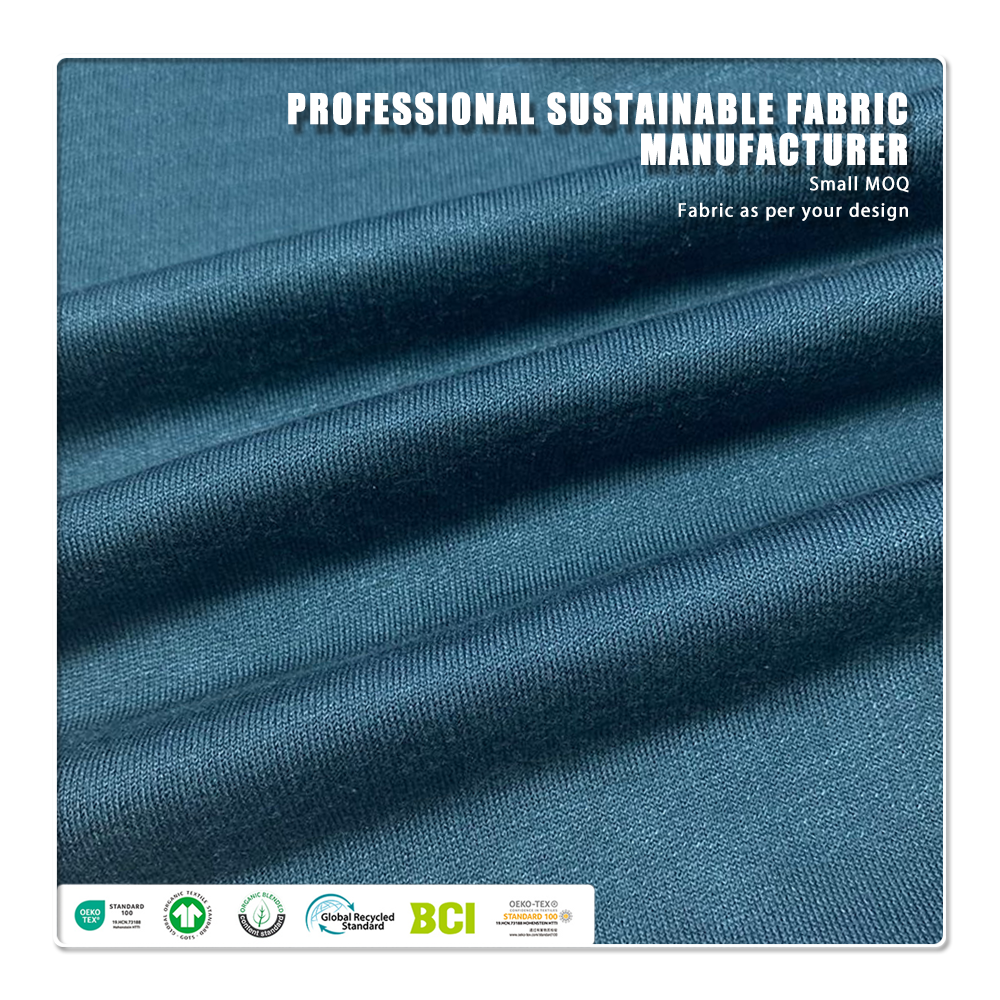
Selecting Cotton Modal Fabric for Sustainable Fashion

Get a Free Quote

Our representative will contact you soon.
Email
Name
Mobile/WhatsApp
Company Name
Message
0/1000

cotton modal fabric

Cotton modal fabric is an advanced textile that combines the softness of cotton with the luxurious drape of modal, a semi-synthetic fiber made from beech trees. It’s essential for buyers, such as purchasing managers and product developers, to understand the nuances of cotton modal fabric, especially when considering it for sustainable fashion and textiles. This article addresses key considerations for selecting cotton modal fabric, its applications, supplier reliability, and quality control measures, empowering buyers to make informed decisions.

Applications of Cotton Modal Fabric in Sustainable Fashion and Textiles

Cotton modal fabric finds extensive applications in sustainable fashion due to its eco-friendly properties and luxurious feel. Here are some common applications:

Apparel: The softness and drape of cotton modal make it a popular choice for various garments, including t-shirts, dresses, and loungewear. Its breathability enhances comfort, making it ideal for everyday wear.

Activewear: Cotton modal combined with performance fibers can create moisture-wicking and comfortable activewear. Its lightweight nature allows for ease of movement, making it suitable for yoga, sports, and casual athletic wear.

Home Textiles: The fabric is also used in home textiles such as bed linens and curtains. Its luxurious feel and aesthetic appeal make it a preferred choice for high-end home décor.

Eco-Friendly Fashion: As brands increasingly focus on sustainability, cotton modal fabric allows designers to create eco-friendly collections without compromising on quality or style. For instance, using eco-friendly materials can enhance the sustainability of fashion products.
What You Need to Know

When sourcing cotton modal fabric, buyers should be aware of the following:

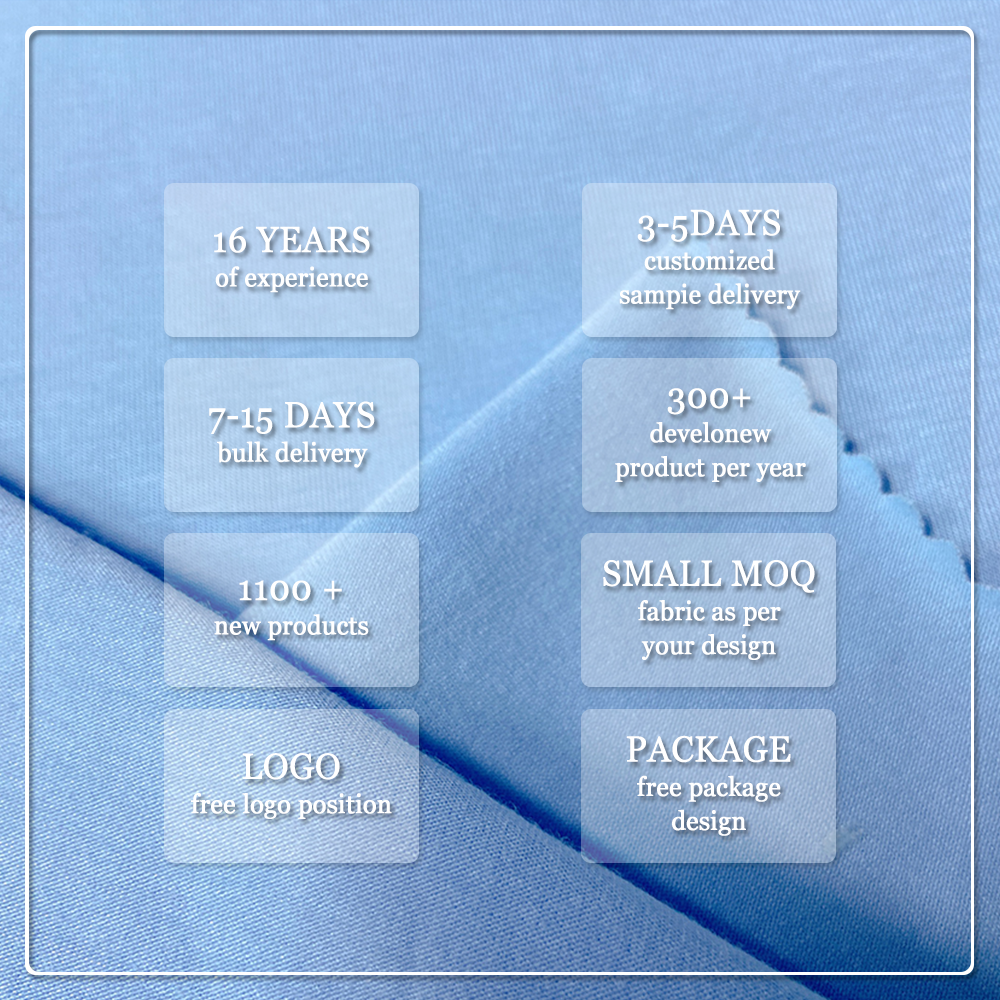
Minimum Order Quantity (MOQ): Different suppliers may have varying MOQs. Understanding these requirements is crucial for budget planning and inventory management.

Lead Times: Production lead times can vary based on the supplier's capacity and current demand. It’s essential to communicate timelines clearly to meet project deadlines.

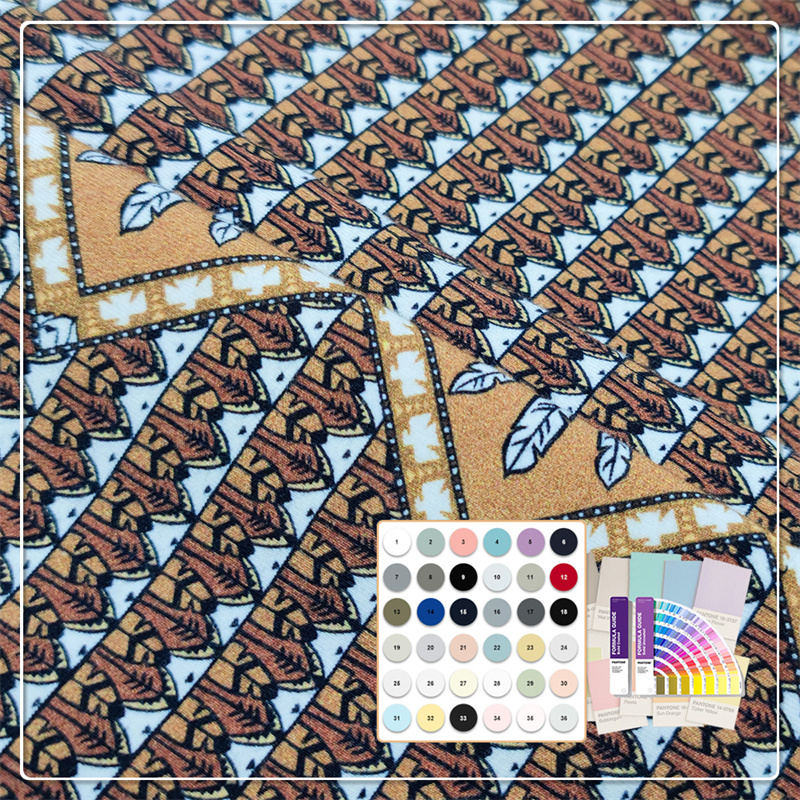
Customization Capabilities: Many manufacturers, including Shaoxing City Ohyeah Textile Co., Ltd., offer customization in terms of color, thickness, and patterns. Buyers should discuss their specific needs to understand what is feasible.

Sample Approval: Before mass production, buyers should always request samples. This helps verify the fabric's quality and performance under actual usage conditions, minimizing the risk of issues post-production.

Where to Find Reliable Suppliers of Cotton Modal Fabric for Impor

Finding a reliable supplier for cotton modal fabric involves thorough research and consideration of several factors:

Industry Reputation: Look for suppliers with a solid reputation in the textile industry. Check reviews, testimonials, and any certifications that demonstrate their commitment to quality and sustainability.

Production Capabilities: Evaluate the supplier's manufacturing capabilities, including the technology used, production capacity, and quality control processes. A manufacturer with over 100 circular knitting machines, like Shaoxing City Ohyeah Textile Co., Ltd., is likely to handle large orders efficiently.

Communication: A reliable supplier should maintain clear and consistent communication. This includes timely responses to inquiries and transparency regarding production timelines, pricing, and any potential issues.

Trade Shows and Networking: Attending trade shows and industry events can help connect buyers with suppliers. Networking within the industry can lead to valuable recommendations and insights.

How to Ensure Quality Control in Cotton Modal Fabric Sourcing

Ensuring quality control in sourcing cotton modal fabric is critical to maintaining product standards. Here are key steps buyers should take:

Establish Quality Standards: Clearly define the quality standards expected for the fabric. This includes specifications for weight, shrinkage, and color fastness. Communicate these standards to the supplier upfront.

Conduct Inspections: Consider conducting on-site inspections during production or hiring third-party quality assurance services. This helps verify that the fabric meets the agreed-upon specifications before shipment.

Request Test Reports: Suppliers should provide test reports for the fabric, confirming that it meets relevant quality and safety standards. This documentation is essential for ensuring compliance with buyer expectations and regulatory requirements.

Feedback Loop: Establish a feedback mechanism post-delivery to address any quality issues that arise. Continuous communication with the supplier can help resolve problems and improve future orders.

By focusing on these aspects, buyers can ensure they select the right cotton modal fabric for their projects, supporting sustainable practices while meeting their specific needs.

What to Consider When Selecting Cotton Modal Fabric for Your Projects

When selecting cotton modal fabric, buyers should consider several critical factors:

Fabric Composition: Cotton modal blends can vary in the ratio of cotton to modal. Higher modal content usually results in increased softness and drape, while a higher cotton content can enhance breathability and durability. It’s vital to assess the end-use of the fabric to determine the most suitable blend.

Weight and Thickness: The weight of the fabric can affect its application. Lightweight cotton modal is ideal for making garments like t-shirts and dresses, while heavier options may be more suitable for outerwear or structured garments. Understanding the intended use will guide the selection of the appropriate weight.

Color Fastness and Shrinkage: Cotton modal fabric typically offers good color fastness, rated between 4-5, which means it resists fading over time. Additionally, shrinkage should be below 5%, ensuring that garments maintain their size after washing. Buyers should confirm these specifications to avoid issues post-production.

Sustainability Certifications: Given the growing demand for sustainable textiles, buyers should look for fabrics that are certified OEKO-TEX, GOTS, OCS, or GRS. These certifications ensure that the fabric meets environmental and social criteria, making them more appealing to eco-conscious consumers.

Our Blog Posts

How is Bamboo Made Into Fabric

14

Oct

How is Bamboo Made Into Fabric

Making the Ultra Soft Fabric from BambooBamboo fabric is a widely used material in the textile and fashion industry because of its natural softness, texture and warmth. At Ohyeah Textile Co., Ltd, we specialize in making use of the magic of bamboo fi...
View More
The Role of Tencel Lyocell in Creating Lightweight Knit Fabrics

29

May

The Role of Tencel Lyocell in Creating Lightweight Knit Fabrics

Lightweight knits are becoming an essential part of any modern wardrobe,and for good reason:not only are they comfortable and breathable,but they also allow for effortless layering. However,to create a light,airy knit without sacrificing integrity,a ...
View More
What Gives Tencel Modal Fabric Its Soft and Premium Feel

13

Oct

What Gives Tencel Modal Fabric Its Soft and Premium Feel

Some designer collections feature Tencel modal fabric, one of the best features of this fabric, and it's hallmarks of luxurious clothing, with unparalleled softness, flow and shine. The most popular fabric for fashion is an instant hit, and the magic...
View More

Get a Free Quote

Our representative will contact you soon.
Email
Name
Mobile/WhatsApp
Company Name
Message
0/1000

Related product categories

Get a Free Quote

Our representative will contact you soon.
Email
Name
Mobile/WhatsApp
Company Name
Message
0/1000