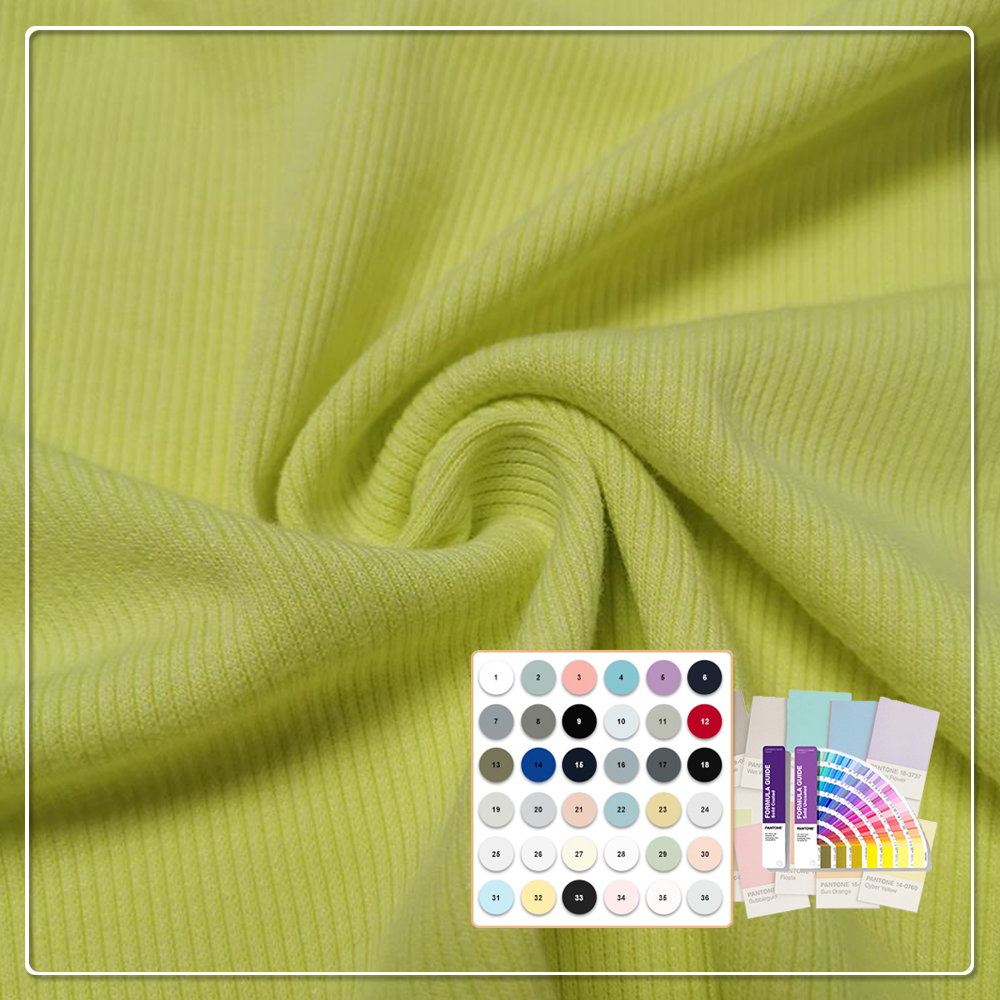
Sourcing Cotton Print Fabric for Wholesale Success

Get a Free Quote

Our representative will contact you soon.
Email
Name
Mobile/WhatsApp
Company Name
Message
0/1000

cotton print fabric

When sourcing cotton print fabric for wholesale, it is crucial to understand the nuances that affect quality, sustainability, and cost. Cotton print fabric, known for its versatility and comfort, is widely used in various applications, from apparel to home textiles. B2B buyers, such as purchasing managers and product developers, often face challenges in ensuring they select the right fabric that meets both their quality standards and environmental commitments. This article will guide you through the essential considerations for sourcing cotton print fabric, focusing on specifications, quality evaluation, cost factors, and common issues with effective solutions.

Key Specifications for Eco-Friendly Cotton Print Fabric Selection

When selecting eco-friendly cotton print fabric, several key specifications are vital:

Material Composition: Ensure that the fabric is made from 100% organic cotton or blends with sustainable materials like bamboo or recycled polyester. This not only meets eco-friendly criteria but also enhances the fabric's performance and feel.

Weight and Thickness: The weight of the fabric, typically measured in grams per square meter (GSM), affects its drape and durability. Lightweight fabrics (around 100-150 GSM) are suitable for summer apparel, while heavier fabrics (200+ GSM) may be better for winter clothing or home textiles.

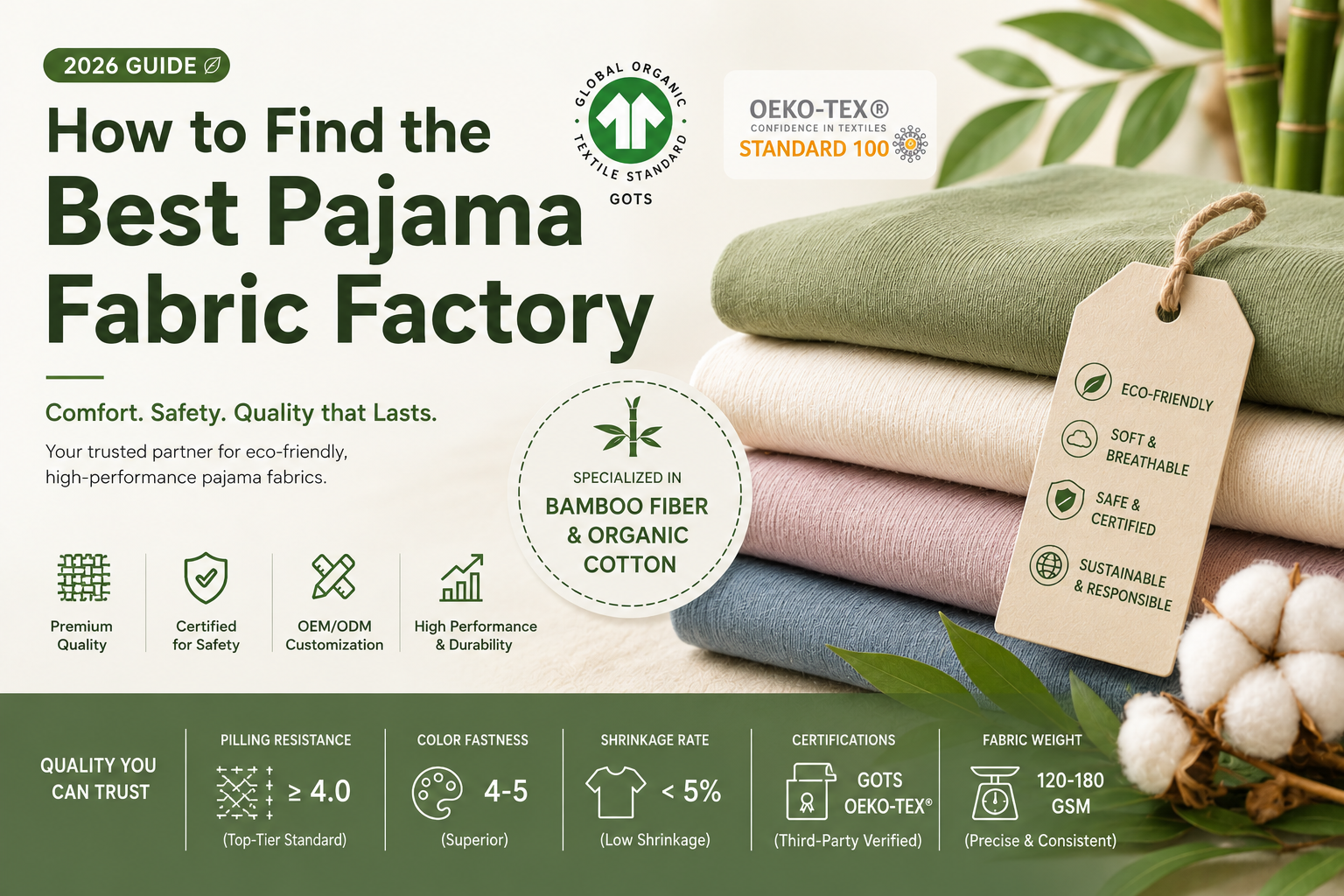
Shrinkage Rate: Look for fabrics with low shrinkage rates, ideally below 5%. This ensures that the fabric maintains its size and shape after washing, a critical factor for manufacturers aiming for consistency in their final products.

Print Technology: The method used for printing can affect not only the look but also the durability of the fabric. Digital printing offers high precision and is often more eco-friendly compared to traditional methods that use more water and chemicals.

Color Fastness: As mentioned, a color fastness rating of 4-5 is ideal for cotton print fabrics. This specification ensures that the colors do not fade easily, which is essential for maintaining product quality over time.
How to Evaluate Quality in Cotton Print Fabric for Your Projects

Evaluating the quality of cotton print fabric before purchase is critical for ensuring that it meets your project requirements. Here are some practical steps:

Sample Approval: Always request samples before committing to a larger order. Assess the samples for color accuracy, print quality, and fabric texture. During this stage, check for any imperfections or inconsistencies in the print.

Physical Testing: Perform basic tests such as the burn test to identify the fiber content and check for shrinkage by washing the sample. Measure any changes in size or feel, which can indicate potential issues in mass production.

Quality Control Processes: Inquire about the manufacturer’s quality control processes. For example, our team at Shaoxing City Ohyeah Textile Co., Ltd. employs strict quality checks throughout the production process, from raw material selection to final inspections.

End-Use Testing: Depending on the intended application, you may want to test the fabric's performance in real-world conditions. This could involve assessing its durability, breathability, or resistance to wear and tear.

Cost Factors to Consider When Purchasing Cotton Print Fabric in Bulk

The cost of cotton print fabric can vary significantly based on several factors:

Material Quality: Higher-quality organic cotton or eco-friendly blends typically come at a premium. However, investing in better materials can lead to higher customer satisfaction and fewer returns.

Printing Methods: The choice of printing technology also affects the price. Digital printing, while often more expensive upfront, can be more cost-effective for smaller runs due to lower setup costs.

Order Quantity: Bulk purchases usually come with a reduced per-unit cost, but be mindful of the MOQ. Ensure that the quantity aligns with your projected sales to avoid excess inventory.

Shipping and Handling: Factor in shipping costs, which can vary depending on the supplier's location and the quantity ordered. Also, consider any tariffs or import duties if sourcing internationally.

Customization Costs: If you require specific designs or custom prints, be prepared for additional charges. Clearly communicate your needs during the sourcing phase to get accurate quotations.

Common Problems with Cotton Print Fabric and Effective Solutions

Despite its popularity, cotton print fabric can present certain challenges. Here are some common problems and how to address them:

Fading Colors: Over time, colors may fade due to poor dye quality or inadequate printing methods. To mitigate this issue, ensure that you're sourcing from manufacturers who have a proven track record of high color fastness ratings.

Shrinkage: As previously mentioned, excessive shrinkage can lead to sizing issues in finished products. Always confirm the shrinkage rate with your supplier and consider pre-shrinking the fabric if necessary.

Print Quality Issues: Inconsistent print quality can lead to unsatisfactory products. Regular quality checks and requesting samples can help catch these issues early in the production process.

Environmental Impact: Eco-conscious buyers may be concerned about the environmental impact of their fabric choices. Choose suppliers who prioritize sustainable practices and can provide relevant certifications, such as eco-friendly certifications.

Supply Chain Delays: Delays in fabric delivery can disrupt production schedules. Building strong relationships with reliable suppliers and maintaining clear communication can help alleviate this concern.

By addressing these common issues proactively, you can enhance the quality of your cotton print fabric sourcing process and ultimately provide superior products to your customers.

What to Consider When Sourcing Cotton Print Fabric for Wholesale

When sourcing cotton print fabric, several factors should be prioritized to ensure you make an informed decision. Firstly, assess the intended application of the fabric. Different applications, such as clothing, home textiles, or industrial uses, may require variations in fabric weight, weave, and finish.

Next, evaluate the certifications of the manufacturer. For instance, at Shaoxing City Ohyeah Textile Co., Ltd., our fabrics are OEKO-TEX, GOTS, OCS, and GRS certified, ensuring they meet stringent environmental and quality standards. This is crucial for brands committed to sustainability and reducing their ecological footprint.

Additionally, consider the fabric's print quality, which can significantly impact the final product's aesthetics. Look for manufacturers that offer high color fastness levels—our cotton print fabrics achieve color fastness levels of 4-5, which means they retain their vibrancy even after multiple washes. This is particularly important for consumer satisfaction and brand reputation.

Lastly, knowing the minimum order quantity (MOQ) and lead times is essential for managing inventory and production schedules. Inquire about these elements during the sourcing process to avoid unexpected delays.

Our Blog Posts

Top Pajama Fabric Factory Recommendation Guide 2026: Sourcing the Best Materials

08

May

Top Pajama Fabric Factory Recommendation Guide 2026: Sourcing the Best Materials

Executive Summary: How to Find the Best Pajama Fabric Factory Finding a top pajama fabric factory means looking for more than just a low price. The best factories focus on three things: comfort, safety, and quality that lasts. According to the latest...
View More
How Tencel Modal Fabric Enhances Softness in Everyday Apparel

29

May

How Tencel Modal Fabric Enhances Softness in Everyday Apparel

Everyday clothing is defined by the comfort it provides during daily wear. A soft feeling against the skin is not just desired but necessity,from dawn to dusk. Say goodbye to scratchy,uncomfortable clothes in your e...
View More
What Tencel Lyocell’s Moisture Absorption Means for High-End Sportswear

13

Oct

What Tencel Lyocell’s Moisture Absorption Means for High-End Sportswear

In the competitive market of high-end sportswear, the performance is dictated by how a fabric responds to the simplest action of the body to exercise, perspiration. This is because moisture control has been a competitive factor of premium brands and ...
View More
Why Tencel Modal is the Secret Ingredient for Long-Lasting Softness

13

Oct

Why Tencel Modal is the Secret Ingredient for Long-Lasting Softness

The first feature that is mostly noticed by the consumers in the textile industry is softness although the quality of the textile is defined by the quality of the softness in the long run. A shirt that feels smooth one day and pilled or rough the nex...
View More

Get a Free Quote

Our representative will contact you soon.
Email
Name
Mobile/WhatsApp
Company Name
Message
0/1000

Get a Free Quote

Our representative will contact you soon.
Email
Name
Mobile/WhatsApp
Company Name
Message
0/1000