Sourcing Sustainable Cotton Fabrics for Wholesale

Get a Free Quote

Our representative will contact you soon.
Email
Name
Mobile/WhatsApp
Company Name
Message
0/1000

Cotton sustainable

Sustainable cotton is an eco-friendly alternative that addresses the growing demand for environmentally responsible textiles. As purchasing managers and product developers increasingly focus on sustainability, understanding the qualities and applications of sustainable cotton becomes essential. This article will guide you through key considerations for evaluating eco-friendly cotton materials, specifications to review, and the various industries that benefit from sustainable cotton fabrics. It will also offer practical installation guidance and technical specifications to ensure you make informed decisions. sustainable cotton fabrics, eco-friendly cotton materials, organic cotton, GOTS. 

Our Products

Where to Find Reliable Suppliers of Sustainable Cotton Materials

When reviewing sustainable cotton fabrics, specific key specifications should be prioritized: 

Material Composition: Ensure that the fabric is made from 100% organic cotton or a blend that meets sustainability criteria. For instance, blends with bamboo or recycled polyester can enhance durability and moisture-wicking properties. 

Weight and Thickness: The weight of the fabric, usually measured in grams per square meter (GSM), affects its application. Lighter fabrics are suitable for garments, while heavier fabrics are ideal for upholstery or durable goods. 

Manufacturing Process: Understanding how the fabric is produced can inform you about its environmental impact. Our factory utilizes circular knitting machines, which reduce waste and allow for innovative fabric designs. 

Performance Attributes: Key attributes such as breathability, stretchability, and resistance to wear and tear should align with your specific application requirements. 

Certifications: As mentioned earlier, certifications like GOTS and OEKO-TEX provide assurance regarding the material's environmental and health standards. 

These specifications not only help in evaluating the fabric’s quality but also guide you in selecting the right material for your project. 
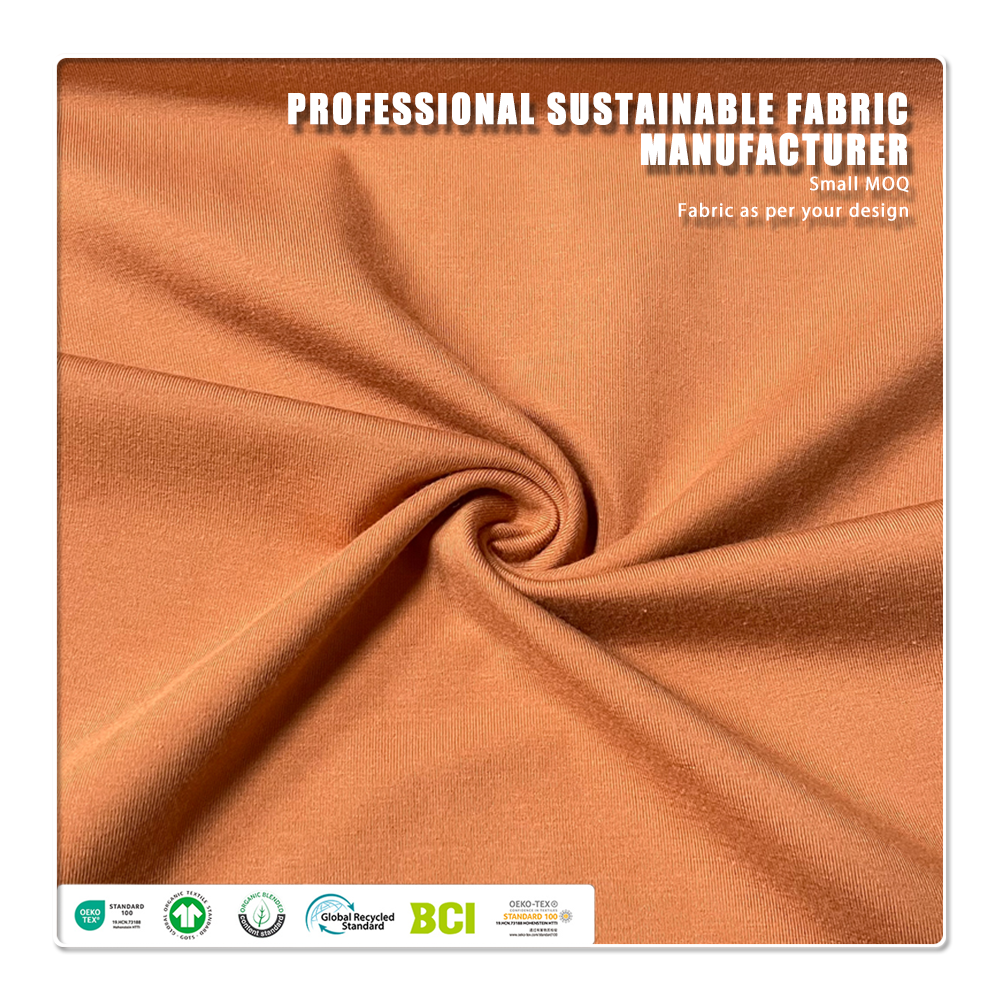
Specifications to Look for in Sustainable Cotton Fabric Products

Sustainable cotton has versatile applications across multiple industries. In the fashion sector, it is increasingly favored for its softness and eco-friendliness, appealing to consumers who prioritize sustainability. It is commonly used in clothing, accessories, and even footwear. 

In the home textiles market, sustainable cotton is popular for bed linens, towels, and curtains. Its breathable nature and comfort make it an excellent choice for products that come in direct contact with the skin. 

Additionally, in the industrial sector, sustainable cotton is used for products like reusable bags, uniforms, and other durable goods. Its strength and durability make it suitable for heavy-duty applications without compromising on sustainability. 

Understanding the specific needs of your target market will help you leverage sustainable cotton’s advantages effectively. 

Applications of Sustainable Cotton Fabrics in Various Industries

When it comes to projects involving sustainable cotton materials, proper installation is crucial to maximize performance and longevity. Here are some guidelines: 

Preparation: Ensure that the installation area is clean and free of debris. For fabrics used in upholstery, pre-treat surfaces to enhance adhesion if necessary. 

Cutting and Handling: Use sharp tools for cutting the fabric to avoid fraying. Handle the fabric carefully to maintain its integrity, especially if it features delicate weaves or finishes. 

Sewing and Assembly: Use appropriate stitching techniques for sustainable cotton fabrics. For example, a straight stitch may be suitable for basic seams, while a zig-zag stitch can provide additional elasticity. 

Testing: Before full-scale installation, conduct a test run with a sample piece to ensure that the fabric performs well under anticipated conditions. This includes checking for color fading, shrinkage, and durability. 

By following these guidelines, you can ensure your sustainable cotton projects are executed successfully, providing high-quality outcomes for your customers. 

How to Choose the Right Sustainable Cotton Fabric for Your Needs

The technical specifications of our eco-friendly cotton fabrics are designed to meet various industrial and commercial needs. Here are some key aspects: 

Fiber Source: Our fabrics are made from 100% organic cotton sourced from certified farms, ensuring minimal environmental impact from cultivation to production. 

Production Capability: With over 100 circular knitting machines and a monthly output of 200 tons, we can accommodate large orders while maintaining consistency in quality. 

Quality Control Processes: Our dedicated quality control team inspects every batch of fabric for adherence to specified standards, ensuring that buyers receive products that meet their expectations. 

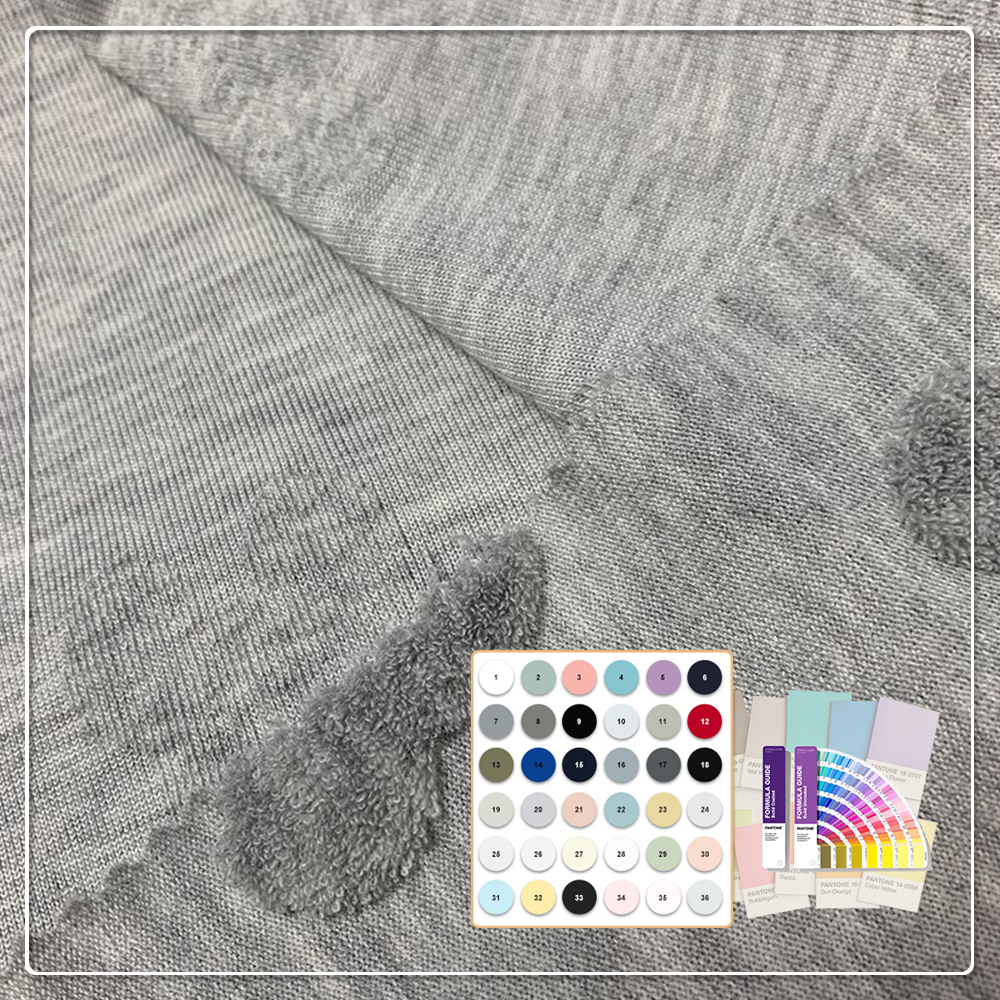
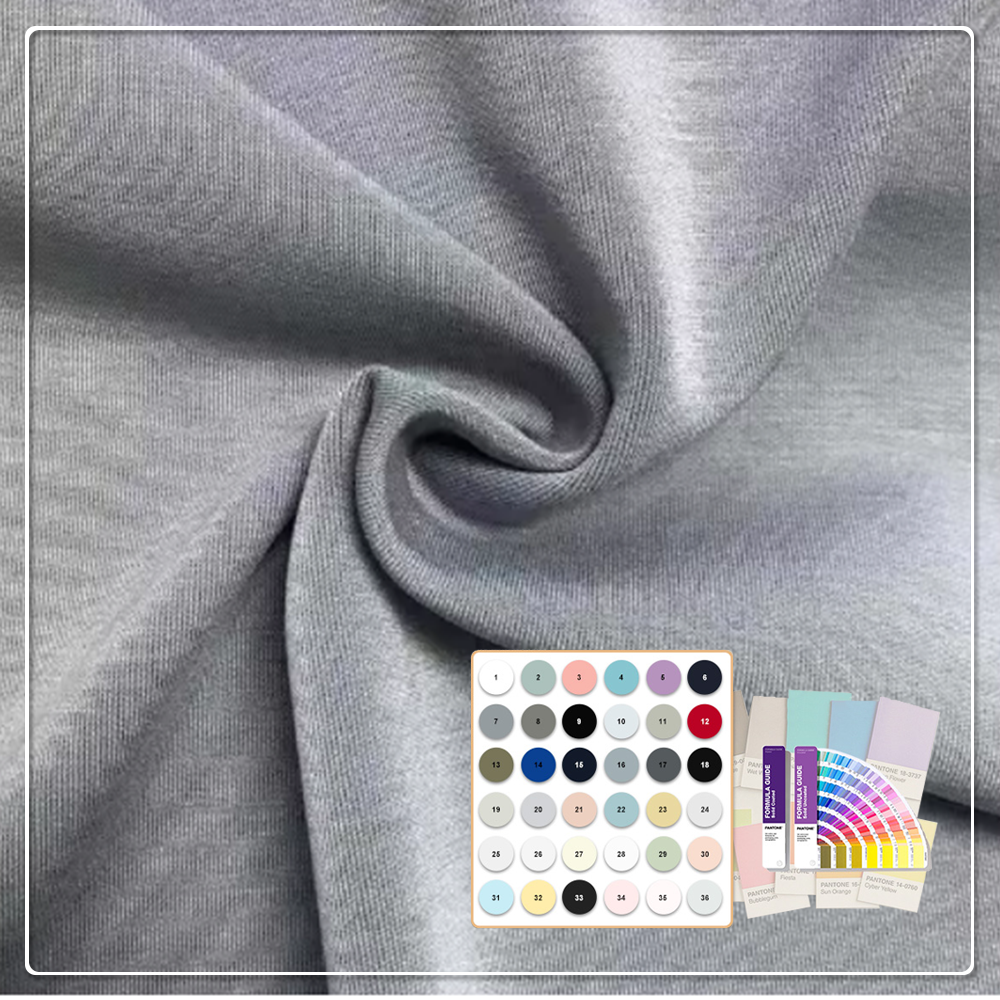
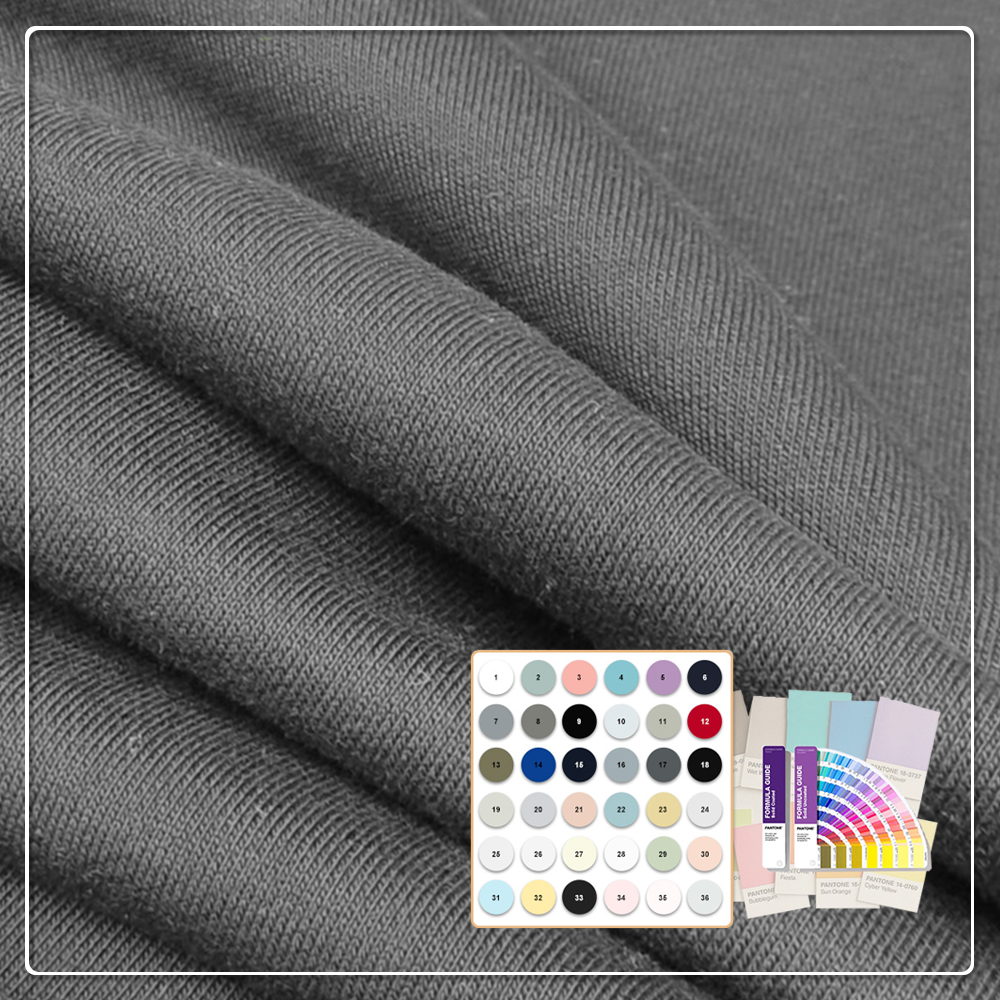
Customization Options: We offer customization in terms of color, pattern, and weight, allowing clients to achieve their desired specifications for unique projects. 

Lead Time and Minimum Order Quantity (MOQ): Understanding lead times and MOQs is essential for planning. We offer flexible MOQ options to cater to both small-scale and large-scale projects, with lead times that can be discussed based on the specifics of your order. 

By understanding these technical specifications, buyers can make informed decisions that align with their project requirements and sustainability goals. 

What to Consider When Sourcing Sustainable Cotton Fabrics for Wholesale

When assessing the quality of sustainable cotton fabrics, several factors need to be considered. First, look for certifications such as GOTS (Global Organic Textile Standard) and OEKO-TEX, which verify the eco-friendliness and safety of the materials. These certifications ensure that the cotton is grown without harmful pesticides and that the manufacturing processes adhere to strict environmental standards. 

Next, evaluate the fabric's physical properties, such as color fastness and shrinkage. For instance, our eco-friendly cotton fabrics have a color fastness rating of level 4-5 and shrinkage below 5%. This means they maintain their color integrity and shape even after multiple washes, which is crucial for producing durable end products. 

Finally, consider the tactile qualities of the cotton. The fabric should feel soft and luxurious while also being robust enough for its intended application. A quality inspection is vital; buyers should request samples to evaluate fabric performance in real-world conditions before placing a bulk order. 

Our Blog Posts

How Tencel Modal Improves Fabric Flexibility for Activewear

29

May

How Tencel Modal Improves Fabric Flexibility for Activewear

There's something special that activewear needs. It has to stretch and return to shape. It has to be comfortable against the skin during strenuous activity. And now it must come from sustainable sources. It's precisely this amazing flexibil...
View More
What Makes Tencel Lyocell a Preferred Choice for Sustainable Apparel

29

May

What Makes Tencel Lyocell a Preferred Choice for Sustainable Apparel

Sustainability has now moved out of the niche and into an expectation among ethical consumers and forward-thinking brands. Among the many eco-friendly fibers currently available, Tencel Lyocell has emerged as a clear front-runner. Here at S...
View More
Why Tencel Lyocell Is Widely Used in Sustainable Fashion Collections

29

May

Why Tencel Lyocell Is Widely Used in Sustainable Fashion Collections

Sustainable fashion is no longer a trend that only attracts the fringe;it is now mainstream. Designers and brands are actively searching for materials that cause minimal harm to the planet,while still retaining the highest levels of quality and style...
View More
Why Tencel Lyocell Meets the Needs of Eco-Conscious Apparel Brands

29

May

Why Tencel Lyocell Meets the Needs of Eco-Conscious Apparel Brands

Making sustainable clothing is no small feat. Eco-friendly brands need materials that are truly sustainable while still delivering comfort, quality, and performance. Lots of 'green' materials have one or more major weaknesses that are overlooked or m...
View More

Get a Free Quote

Our representative will contact you soon.
Email
Name
Mobile/WhatsApp
Company Name
Message
0/1000

Get a Free Quote

Our representative will contact you soon.
Email
Name
Mobile/WhatsApp
Company Name
Message
0/1000