Custom Fabric Printing Solutions for B2B Buyers

Get a Free Quote

Our representative will contact you soon.
Email
Name
Mobile/WhatsApp
Company Name
Message
0/1000

custom fabric printing

Custom fabric printing offers businesses an opportunity to create unique, personalized textiles that meet specific requirements for branding and functionality. As B2B buyers, concerns often revolve around quality, material suitability, and the sustainability of the fabrics used. This article aims to provide insights into evaluating custom fabric printing materials, sourcing eco-friendly solutions, exploring applications across various industries, wholesale opportunities for distributors, and a comprehensive buyer's guide.

Where to Source Eco-Friendly Custom Fabric Printing Solutions

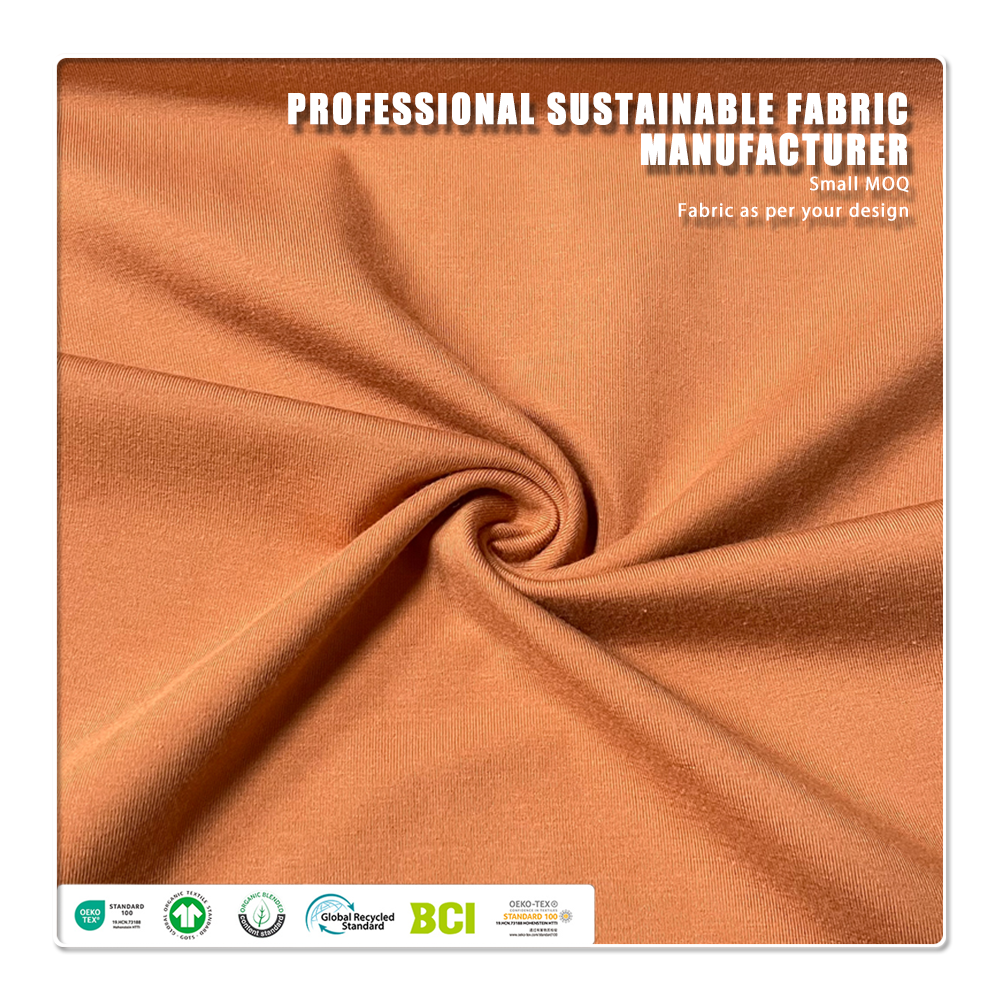
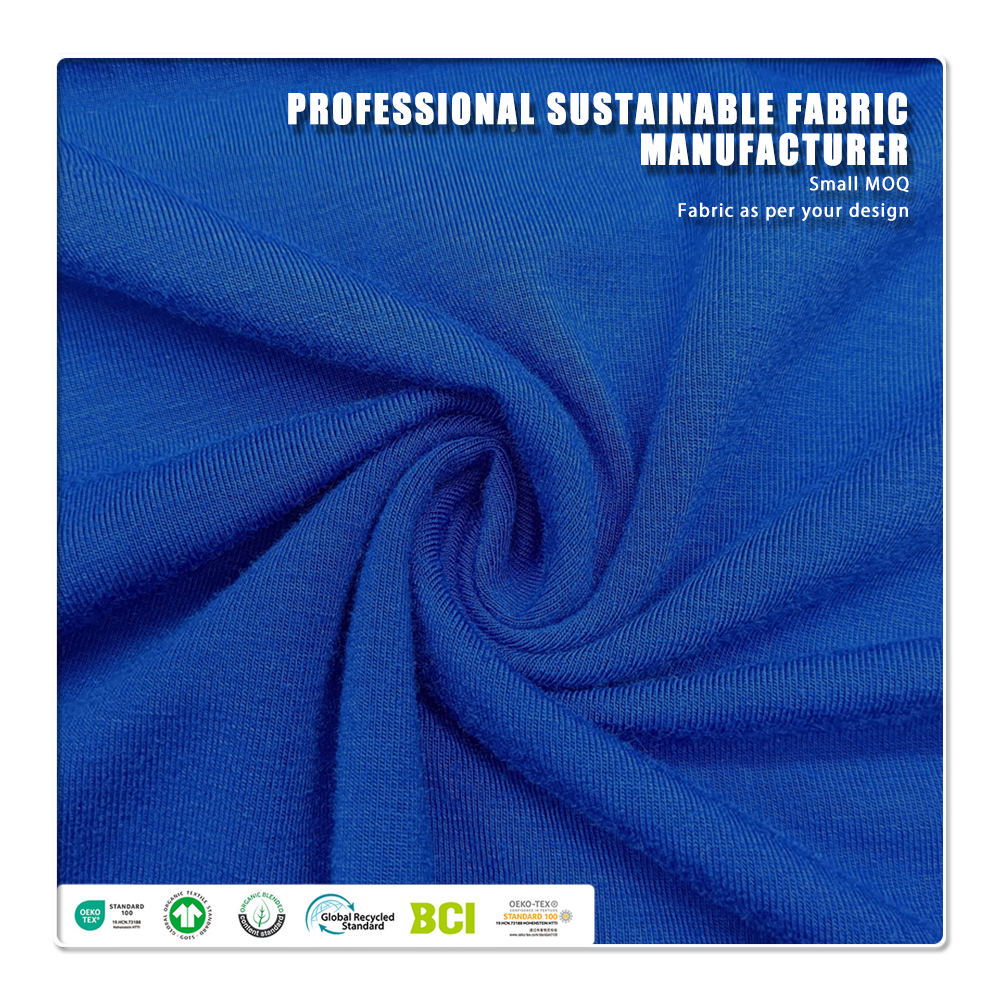
Sourcing eco-friendly custom fabric printing solutions requires a strategic approach. Start by identifying manufacturers that specialize in sustainable textiles. Look for companies like Shaoxing City Ohyeah Textile Co., Ltd., which focuses on eco-friendly knitted fabrics and holds relevant certifications.

When reaching out to potential suppliers, inquire about their sourcing practices for raw materials, their production methods, and their policies regarding waste management and recycling. Additionally, confirm that their custom fabric printing processes utilize environmentally safe inks and dyes, which contribute to a reduced ecological footprint. For example, their Eco-Friendly Stretch Waterproof Fabric is a great option for sustainable projects.

It's also beneficial to request samples to evaluate the fabric's quality and printability. This step not only helps gauge the supplier's capabilities but also ensures that the final product aligns with your brand's sustainability goals.
Applications of Custom Fabric Printing in Various Industries

Custom fabric printing has a wide range of applications across several industries. In the fashion sector, it allows designers to create unique garments that reflect their brand identity. High-quality eco-friendly fabrics are particularly appealing to consumers who prioritize sustainable fashion.

In the interior design industry, custom printed fabrics are utilized for upholstery, curtains, and other decorative elements. The ability to customize patterns and colors enables designers to tailor their offerings to specific client needs, enhancing the overall aesthetic of a space.

Event management is another sector that greatly benefits from custom fabric printing. From banners to backdrops, businesses can create visually impactful displays that resonate with their audience. The use of durable materials ensures that the printed items can withstand various environmental conditions, making them suitable for both indoor and outdoor use.

Wholesale Opportunities in Custom Fabric Printing for Distributors

Distributors looking to enter the custom fabric printing market can find lucrative opportunities by partnering with manufacturers that offer wholesale options. Shaoxing City Ohyeah Textile Co., Ltd. has a robust manufacturing capability, with over 100 circular knitting machines and a monthly output of 200 tons, making it well-positioned to accommodate large orders.

When considering wholesale arrangements, it’s important to assess minimum order quantities (MOQs) and available customization options. Buyers should also verify lead times to ensure they can meet client demands efficiently. Establishing a strong relationship with manufacturers who prioritize quality control and sustainable practices can enhance the credibility of distributors in the marketplace.

Additionally, providing value-added services, such as design consultation or inventory management, can set distributors apart from competitors and attract a broader customer base.

A Buyeru2019s Guide

When preparing to purchase custom fabric printing, a comprehensive approach will help streamline the process. Here are key factors to consider:

Product Specifications: Clearly define the desired material, dimensions, and printing techniques. This includes understanding the fabric's end-use, which influences the choice of material and print quality.

Provider Evaluation: Look for manufacturers with a proven track record in eco-friendly practices and quality assurance. Request certifications and references to gauge their reliability.

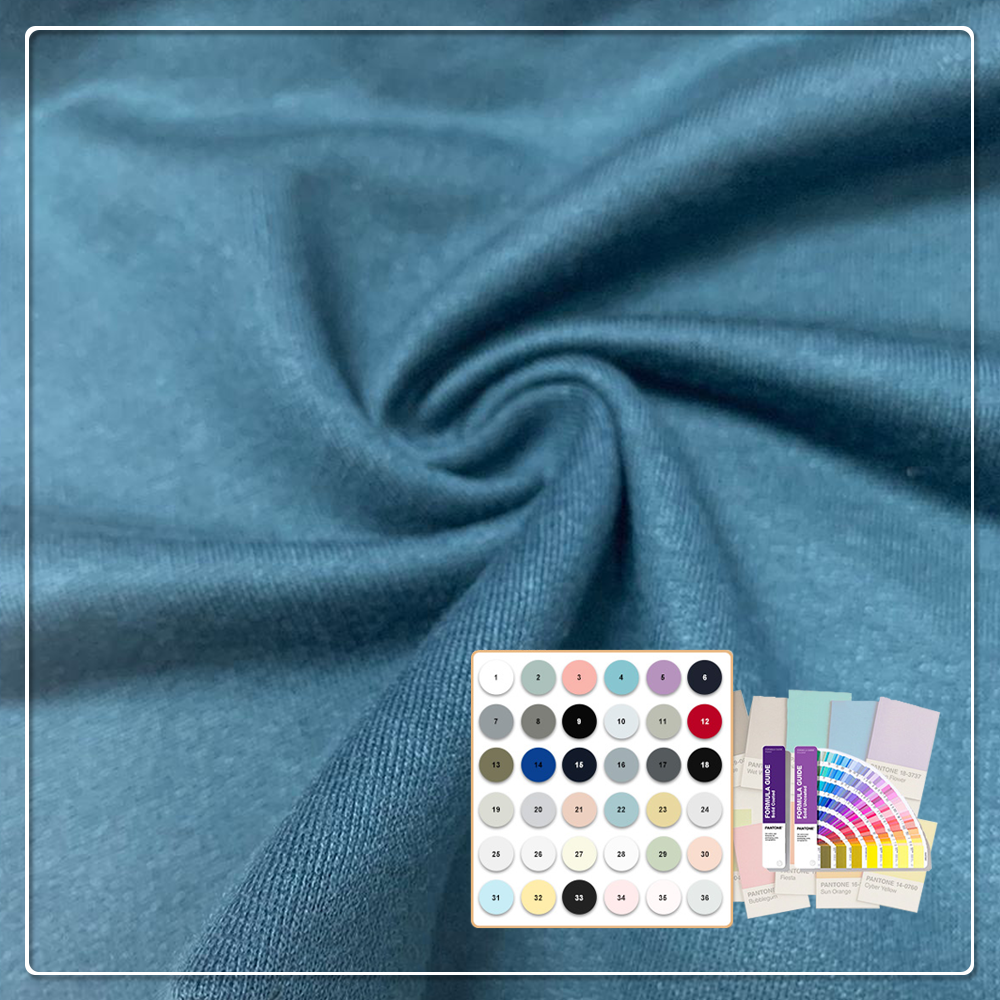
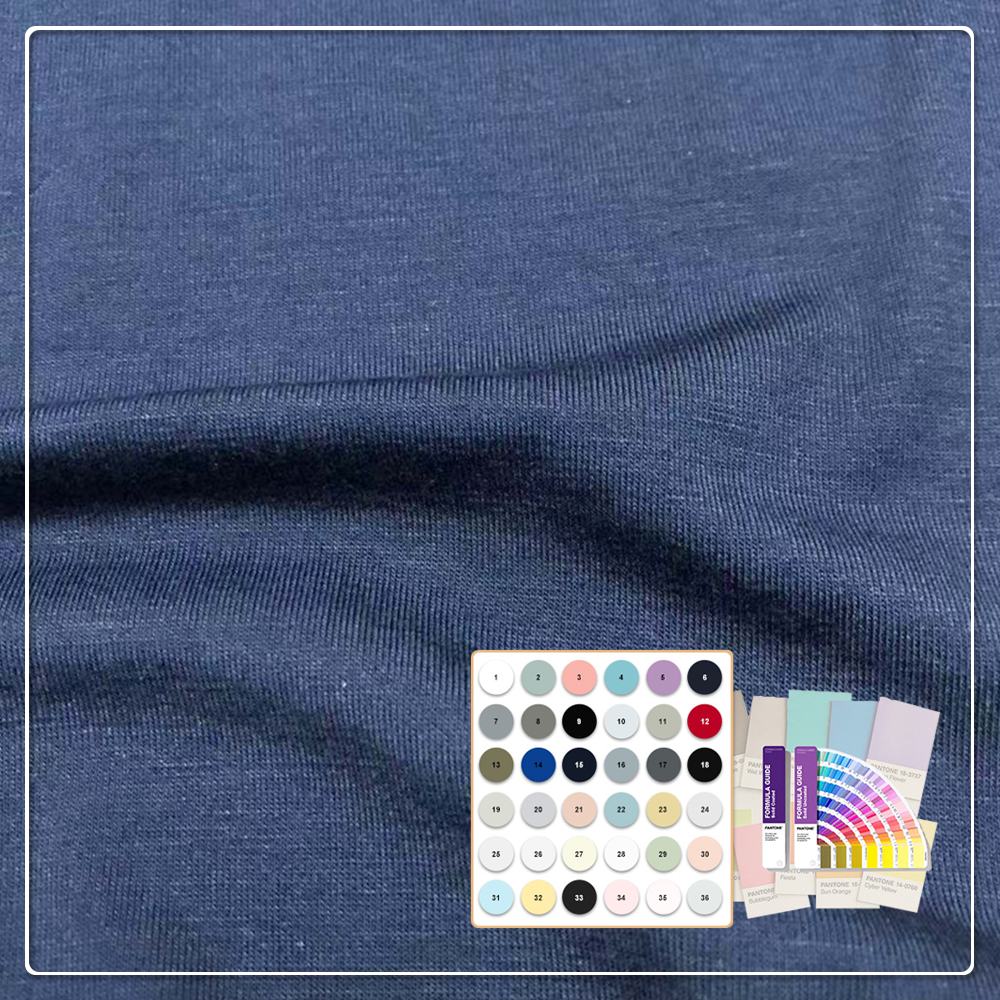
Sample Approval: Always request samples before mass production. Assess the fabric's feel, print quality, and color accuracy. Testing samples under actual usage conditions can prevent potential issues.

Pricing Factors: Understand that pricing can vary significantly based on material choice, order volume, and customization complexity. Ensure that all factors affecting cost are discussed upfront.

Lead Time and Delivery: Confirm lead times for production and shipping. Factors such as order complexity and current production schedules can affect timelines.

Quality Control Protocols: Ensure that the manufacturer has robust quality control processes in place. This includes checking for color consistency, durability of prints, and conformity to specifications.

By following these guidelines, buyers can navigate the complexities of custom fabric printing effectively, ensuring that they make informed choices that align with their business needs and sustainability goals.

How to Evaluate the Quality of Custom Fabric Printing Materials

When assessing the quality of materials for custom fabric printing, several specifications should be considered. First, the material's composition is crucial. Fabrics made from eco-friendly materials like organic cotton, bamboo, or recycled polyester not only meet sustainability goals but also offer durability and comfort suitable for a range of applications. For instance, consider using Oeko-Tex Certified 69% Bamboo 31% Sorona Single Jersey Fabric for its anti-bacterial properties and lightweight nature.

Color fastness is another important factor, particularly for products that will be exposed to sunlight or frequent washing. A color fastness level of 4-5, as provided by high-quality manufacturers, indicates that the fabric can withstand fading over time. Furthermore, shrinkage should be kept below 5%, ensuring that the printed products maintain their intended dimensions after washing.

Buyers should also examine the production processes and quality control measures implemented by manufacturers. A reputable company should possess certifications such as OEKO-TEX, GOTS, OCS, and GRS, which signify adherence to environmental and social standards throughout the textile supply chain.

Our Blog Posts

How Tencel Lyocell Fabric Enhances Premium Knitwear Comfort

29

May

How Tencel Lyocell Fabric Enhances Premium Knitwear Comfort

Comfort is never a luxury when it comes to premium knitwear. It is an absolute must. The conscious consumer today demands soft comfort lasts,breathability that performs,and a clear conscience behind the fabric. Tencel Lyocell has been revolution...
View More
What Buyers Value Most in Tencel Lyocell Fabric Performance

29

May

What Buyers Value Most in Tencel Lyocell Fabric Performance

When buyers look at Tencel Lyocell for their line, they are more interested in facts and figures than marketing gimmicks. They need facts on performance, consistent quality, a trustworthy supplier with verifiable certifications, and benefit...
View More
What Makes Tencel Modal Suitable for Comfortable Knitwear Production

29

May

What Makes Tencel Modal Suitable for Comfortable Knitwear Production

Comfortable knitwear does not happen by accident. The right fiber, the right manufacturing processes, and an awareness of how fabrics feel against the skin must all come together. For knitwear manufacturers who are serious about c...
View More
The Low-Shrinkage Advantage of Tencel Modal in Mass Production

13

Oct

The Low-Shrinkage Advantage of Tencel Modal in Mass Production

The number of challenges that are as expensive and disruptive as the fabric shrinkage are scarce to manufacturers and brands with a large scale. In case of shrinking clothes after manufacturing, and worse still when they reach the consumers, the cons...
View More

Get a Free Quote

Our representative will contact you soon.
Email
Name
Mobile/WhatsApp
Company Name
Message
0/1000

Get a Free Quote

Our representative will contact you soon.
Email
Name
Mobile/WhatsApp
Company Name
Message
0/1000