Custom Printed Fabric Manufacturers: Key Considerations

Get a Free Quote

Our representative will contact you soon.
Email
Name
Mobile/WhatsApp
Company Name
Message
0/1000

Custom printed fabric manufacturers

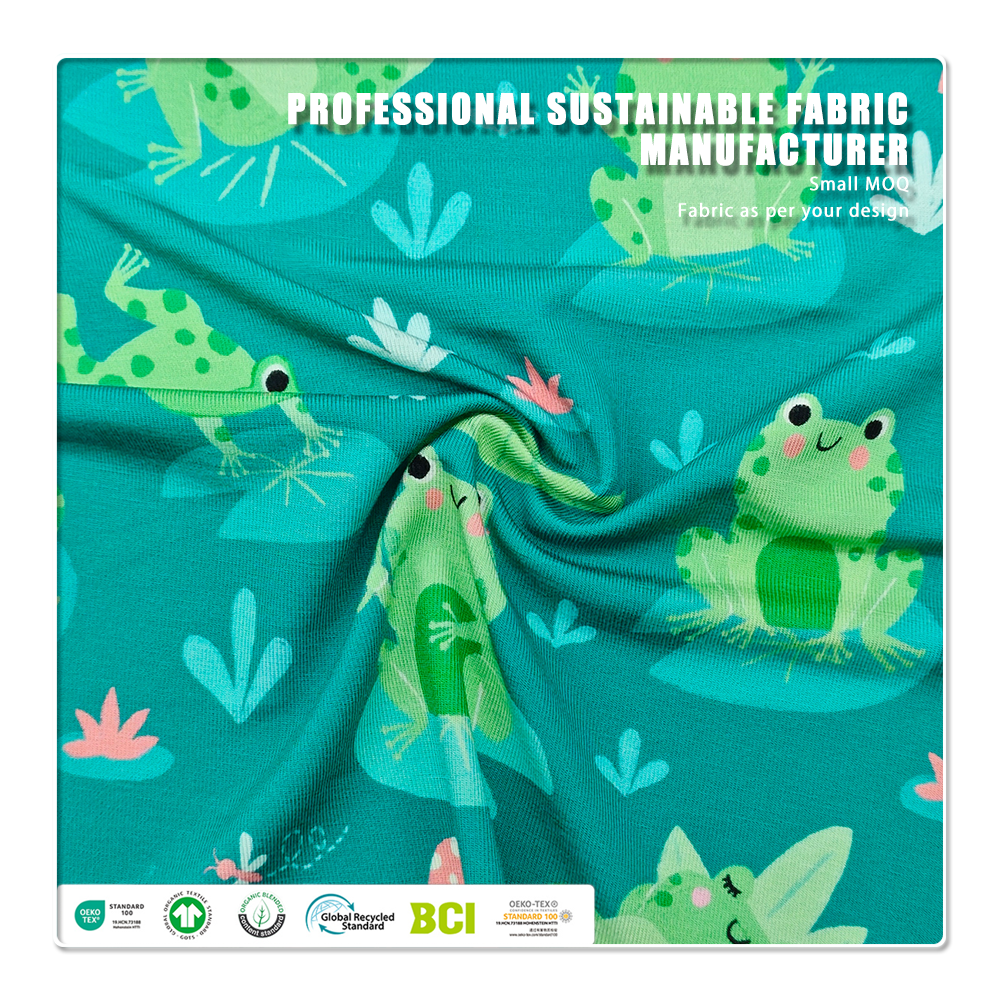
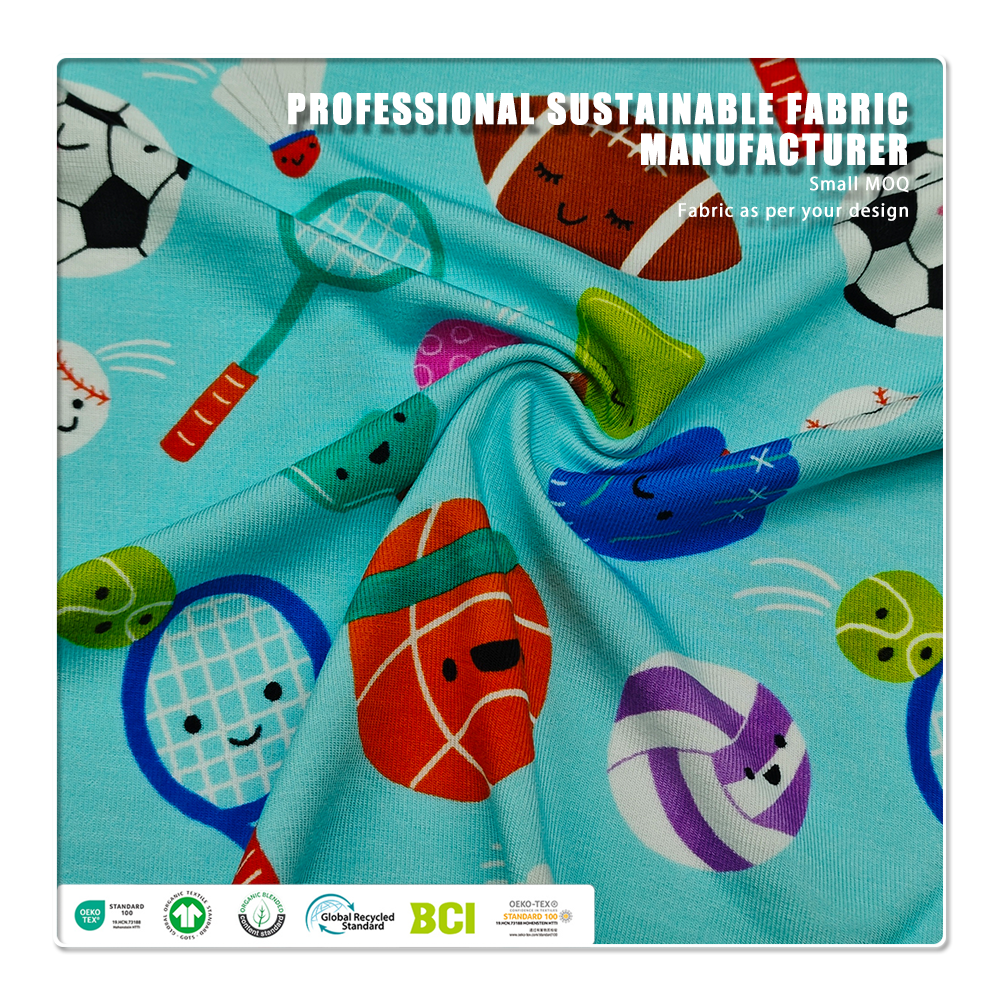
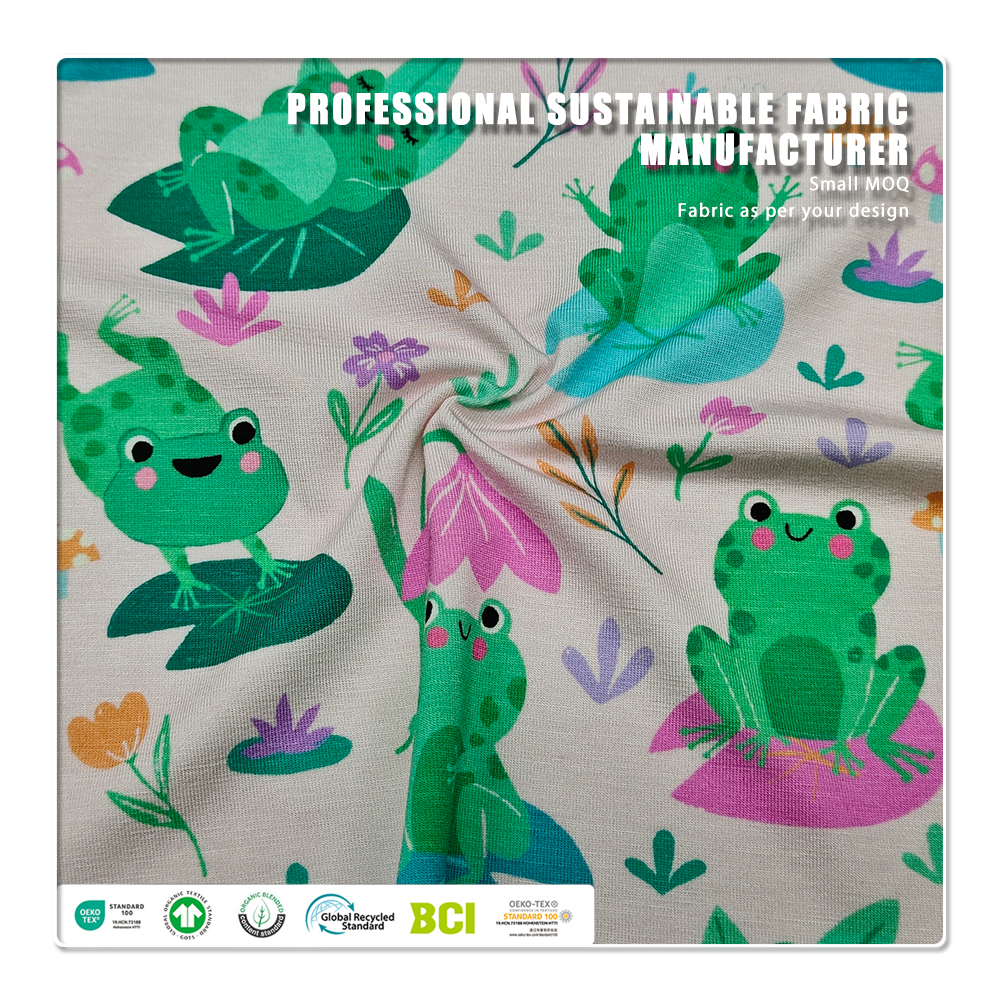
Custom printed fabric manufacturers provide tailored textile solutions that meet specific industry needs, combining aesthetics with functionality. For B2B buyers, such as purchasing managers and product developers, the  custom printed bamboo fabric concerns often revolve around material quality, customization options, production capacity, and sustainability.  This article aims to guide you through the essential factors to custom printed fabric manufacturers consider when choosing a custom printed fabric manufacturer, ensuring that you make an informed decision. 
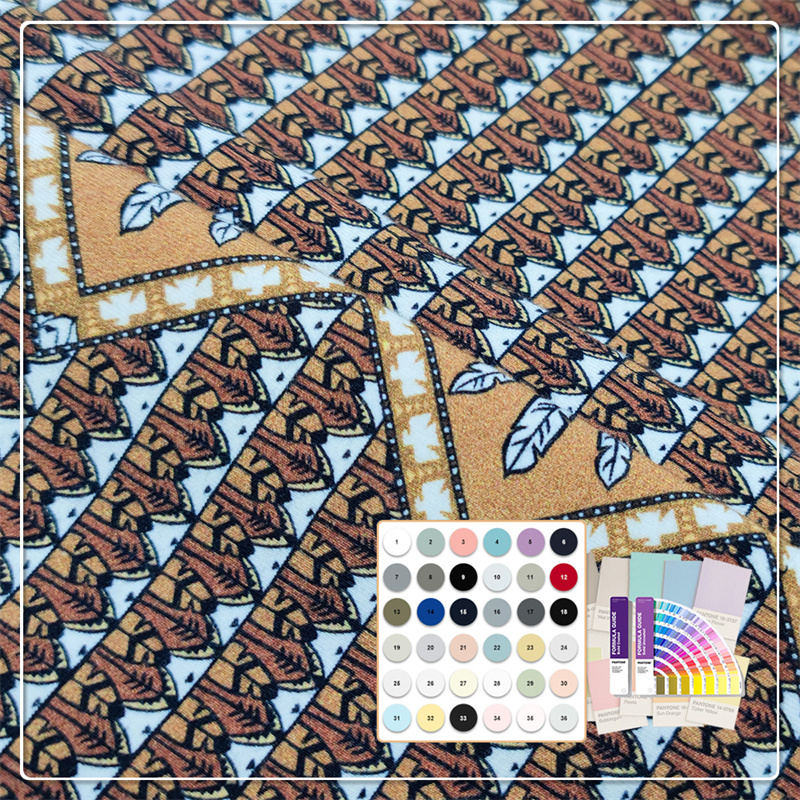
Our Products

Comparing Quality Standards for Custom Printed Fabrics

Quality standards are pivotal in the selection process for custom printed fabrics. Key specifications to compare include color fastness, which measures how well a fabric retains its color when exposed to washing or sunlight. Fabrics with a color fastness rating of level 4-5 are generally considered good, indicating they will maintain their appearance through regular use. 

Another important quality metric is shrinkage. Fabrics should ideally have a shrinkage rate below 5%, ensuring that the final products maintain their intended dimensions after washing or use. This is particularly important for printed bamboo jersey fabric applications in clothing and upholstery, where fit and appearance are crucial. 

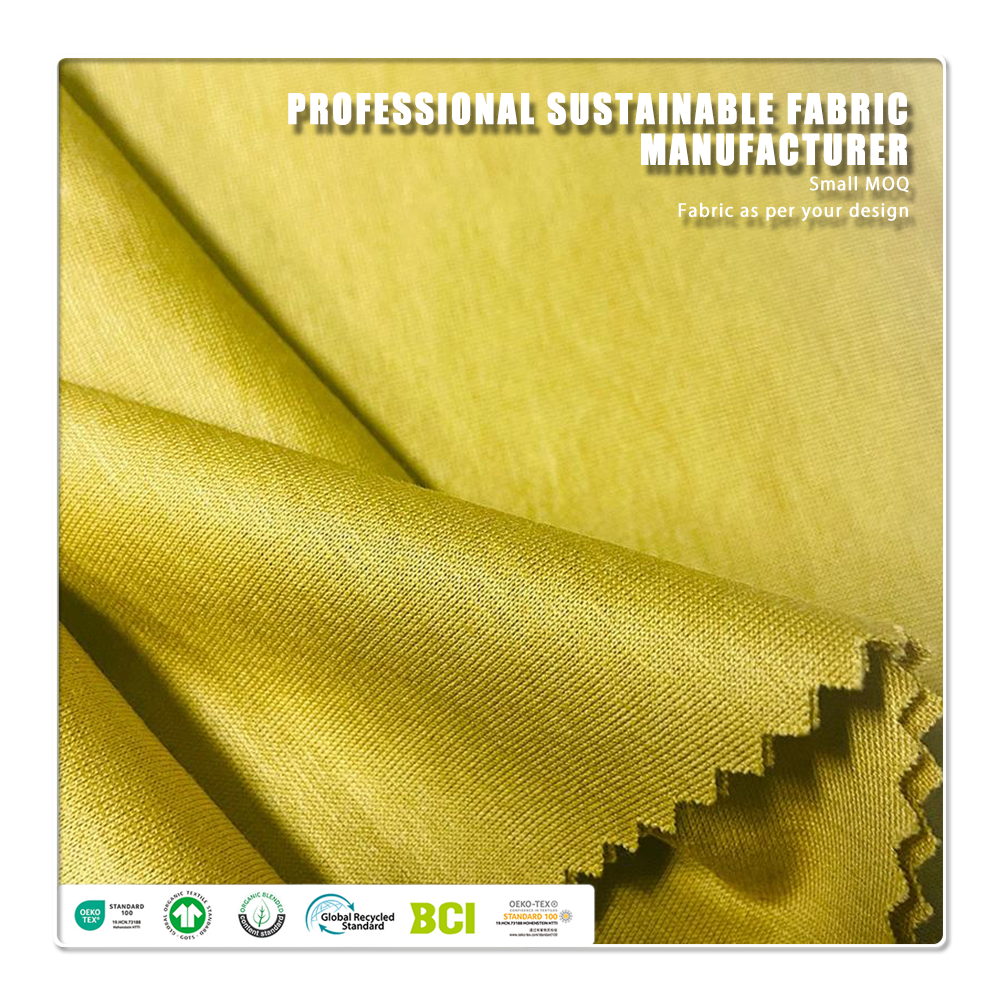
In addition, inquire about the manufacturer's certifications. Certifications such as GRS (Global Recycled Standard) can indicate a commitment to sustainable  practices and material sourcing. Understanding these standards helps you select manufacturers that align with your company’s values and product expectations. 
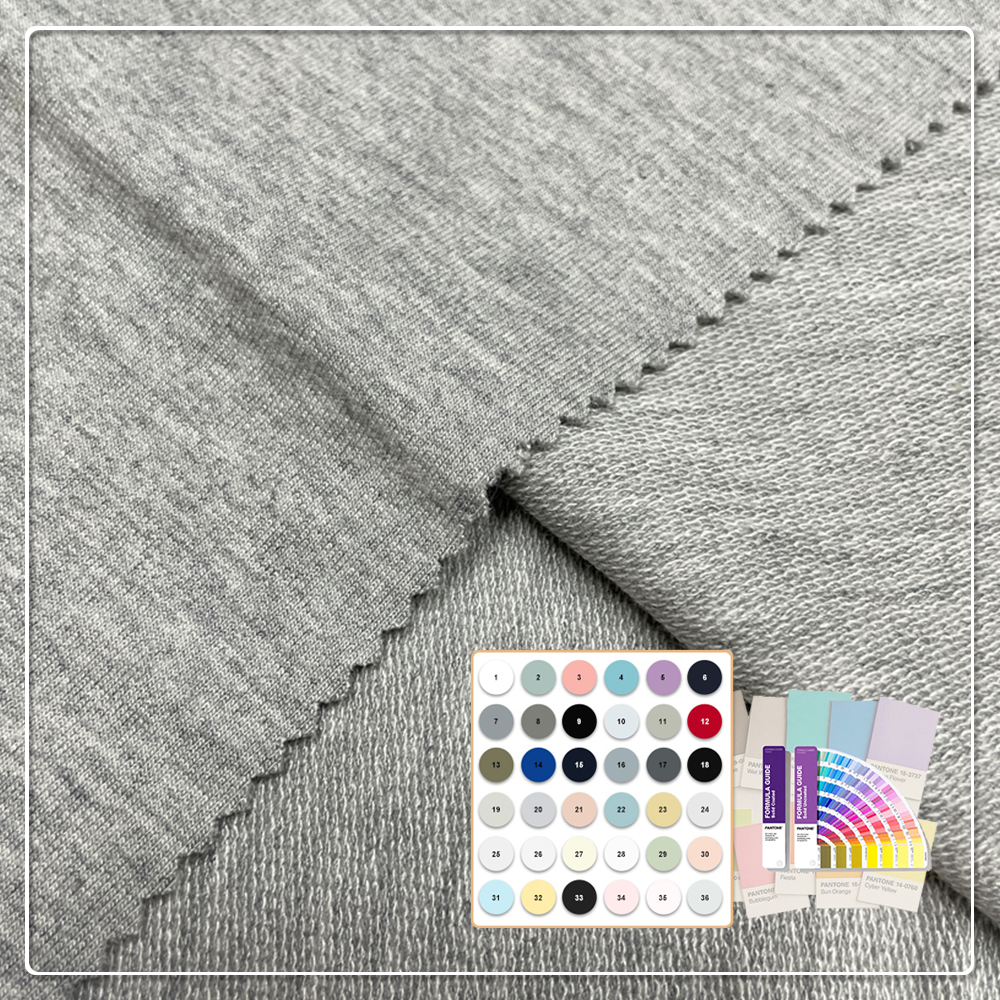
Key Specifications for Eco-Friendly Custom Printed Fabrics

When sourcing eco-friendly custom printed fabrics, it's vital to consider the following specifications: 

Material Composition: Look for fabrics made from organic or recycled materials, such as organic cotton or recycled polyester, which have lower environmental impacts compared to conventional fabrics. 

Production Process: Eco-friendly manufacturing processes should minimize waste and hazardous chemicals. Certifications like GOTS and OCS provide assurance that the production methods adhere to environmental and social standards. 

Performance Characteristics: Evaluate attributes such as custom printed fabric manufacturers breath ability, moisture-wicking, and durability. These characteristics are essential for ensuring that the fabric performs well in its intended application, whether for apparel, home textiles, or industrial uses. 

Understanding these specifications enables buyers to select fabrics that not only meet their performance requirements but also contribute positively to sustainability efforts. 

Bulk Order Considerations for Custom Printed Fabrics

When planning to place bulk orders for custom printed fabrics, several considerations come into play. First, establish your minimum order quantity (MOQ). Different manufacturers may have varying MOQs based on their production capabilities and fabric types. It's essential to confirm this upfront to avoid delays in your supply chain. Lead time is another critical factor. Inquire about the typical production timeline from design approval to delivery. Manufacturers with a robust production process, such as those operating over 100 circular knitting printed jersey fabric with a monthly output of 200 tons, can often accommodate larger orders more efficiently. Additionally, discuss packaging and shipping options. Ensure that the packaging methods used protect the fabric during transportation while also aligning with your sustainability goals. Eco-friendly packaging can enhance the overall appeal of your product while minimizing environmental impact. 

Common Problems and Solutions with Custom Printed Fabrics

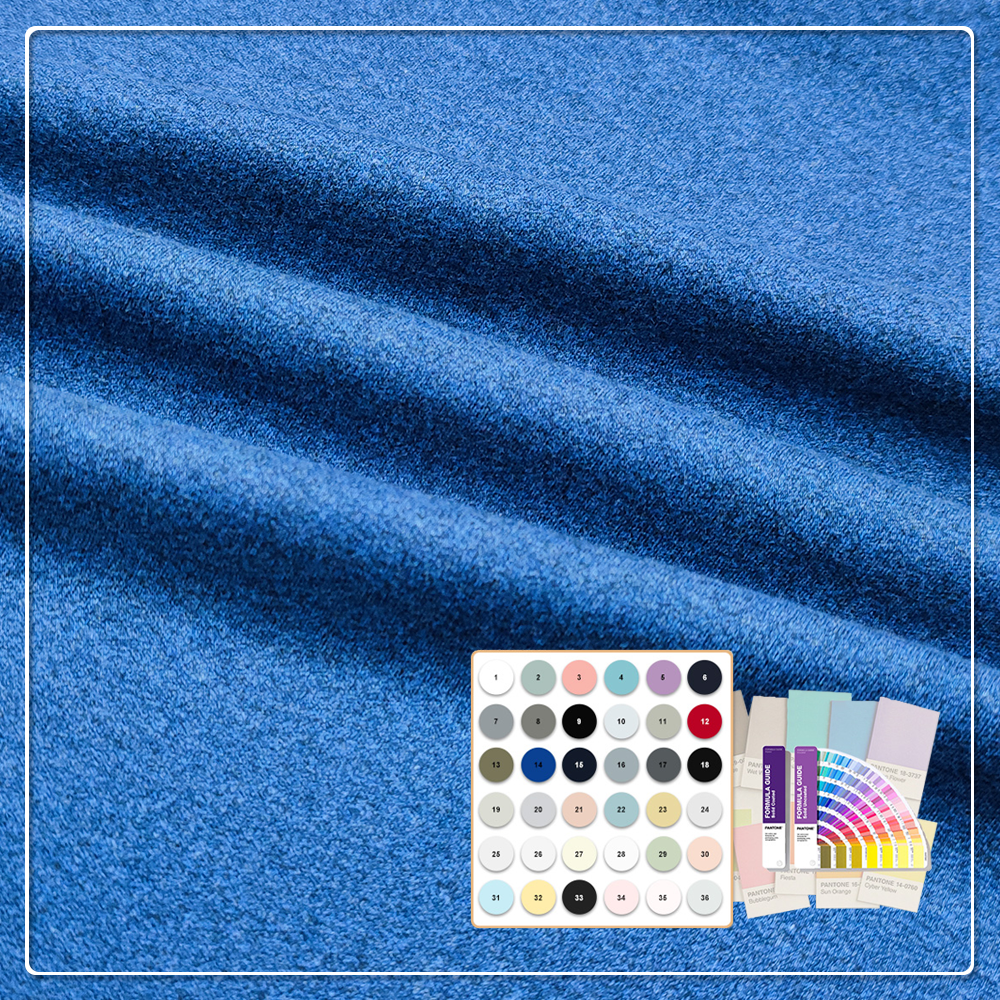
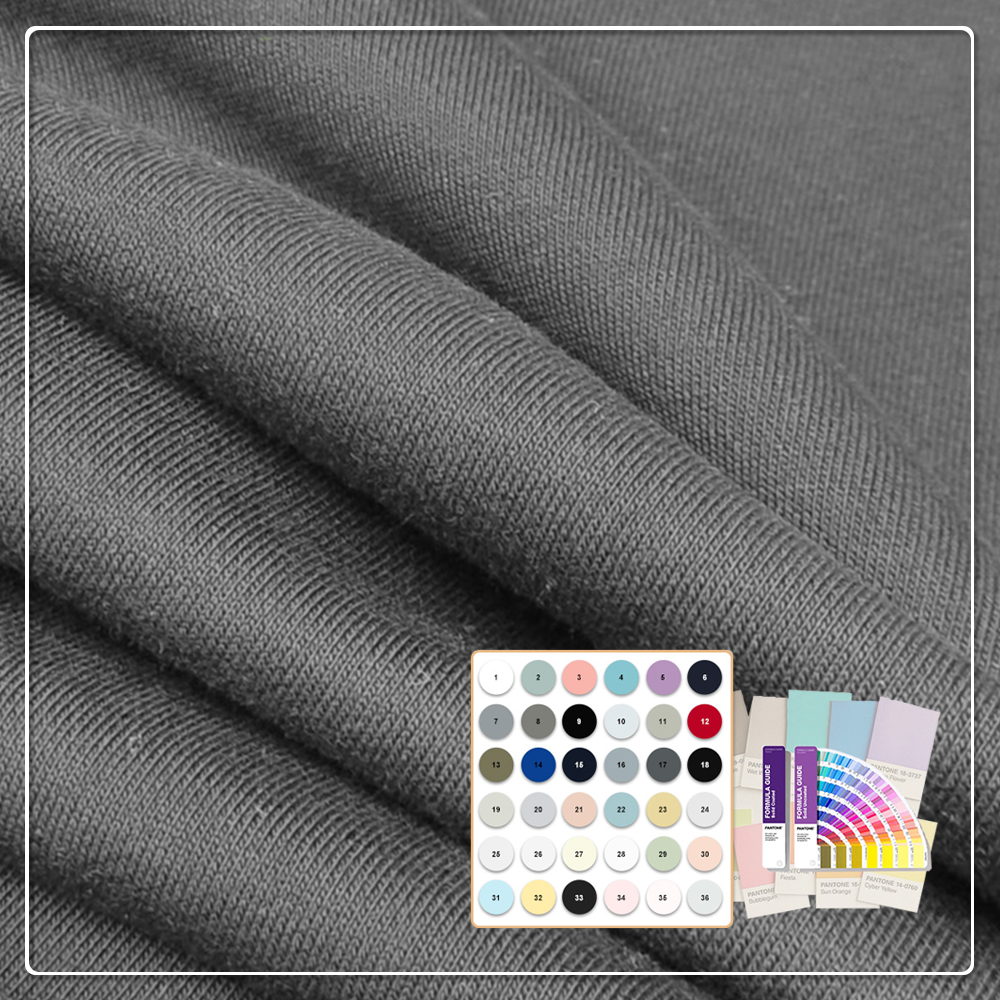
Buyers may encounter several common issues when working with custom printed fabrics, but understanding these can lead to effective solutions. One frequent challenge is sample approval. Before committing to mass production, it is crucial to review and approve a finished sample, not just the artwork or material specifications. This helps confirm dimensions, fit, surface appearance, and actual production performance. Many buyers overlook this step and might face discrepancies in the final product. Another issue can arise from color matching. It's not uncommon for the colors seen on screens to differ from the final printed fabric. To mitigate this risk, request physical samples or color swatches to ensure accurate color representation that meets your design expectations. Lastly, production consistency is vital for repeat orders. Variations in fabric quality can occur due to custom printed fabric manufacturers changes in material sourcing or manufacturing processes.  Establishing a clear communication channel with the manufacturer regarding specifications and quality expectations can help maintain consistency across orders. By being aware of these common problems and their solutions, buyers can navigate the complexities of sourcing custom printed fabrics more effectively, leading to successful project outcomes. 

What to Look for in Custom Printed Fabric Manufacturers

When selecting a custom printed fabric manufacturer, focus on several key factors to ensure they align with your specific requirements. First, evaluate their manufacturing capabilities. Look for a manufacturer that operates advanced machinery, such as circular knitting machines, which can produce a variety of fabric types efficiently. 

Next, consider the material selection. A reputable manufacturer should offer eco-friendly options, such as bamboo, organic cotton, and recycled polyester, which not only meet increasing consumer demand for sustainable products but also comply with certifications like OEKO-TEX, GOTS, and OCS. 

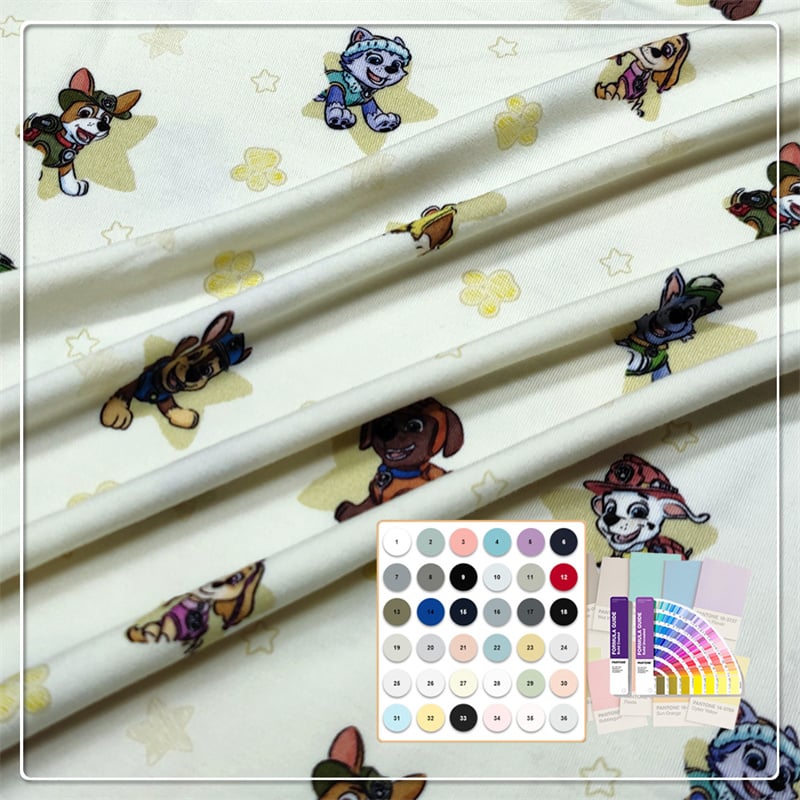
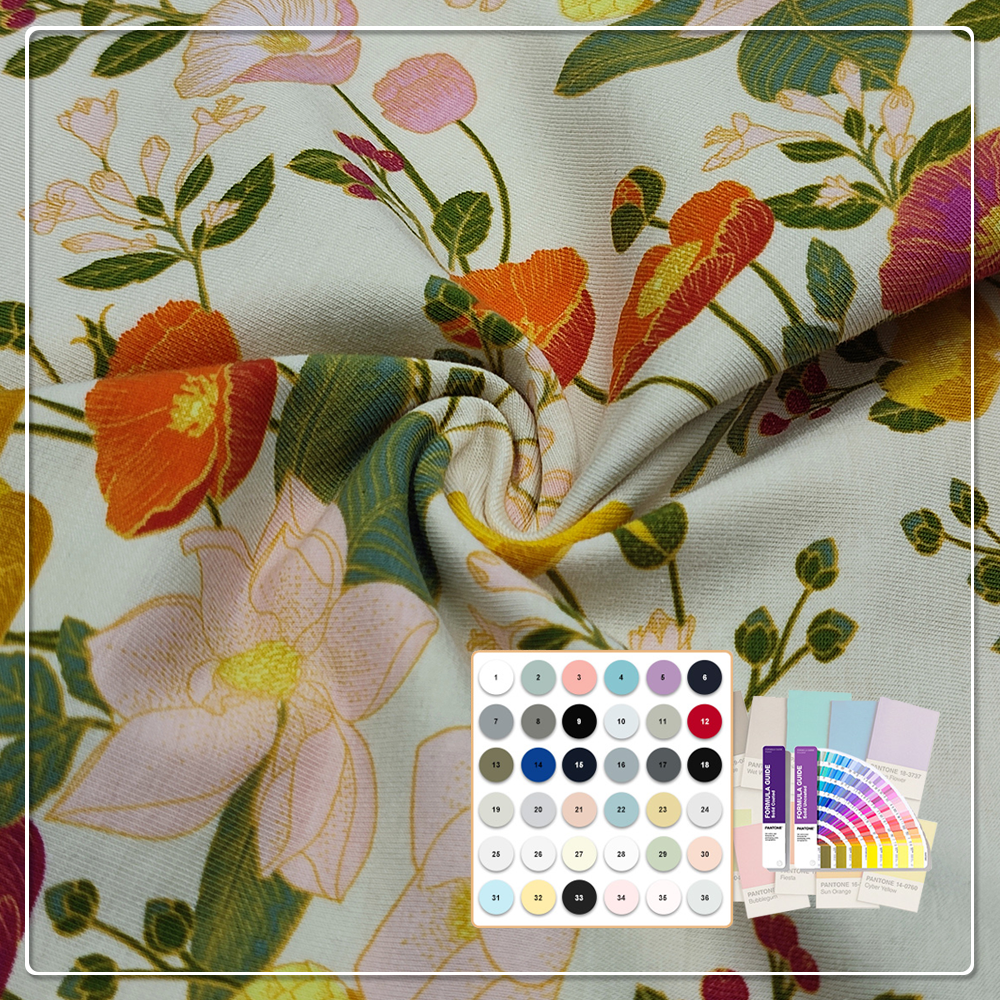
Customization options are also crucial. Determine if they custom printed fabric manufacturers can accommodate your design specifications, including color, pattern, and fabric weight. A manufacturer like Shaoxing City Ohyeah Textile Co., Ltd. specializes in creating innovative fabrics that meet diverse functional requirements while providing luxurious aesthetics. 

Lastly, assess their quality control processes. A strong quality assurance program ensures that the fabrics meet the necessary durability and performance standards. Understanding their testing methods and inspection stages can provide insight into how they maintain high-quality output. 

Our Blog Posts

How bamboo fabric is made

04

Feb

How bamboo fabric is made

I am aware that bamboo fabric has swept the textile industry with its smooth touch, the technological breathing quality and some amazing eco-factors. In Shaoxing city Ohyeah Textile Co., Ltd. a registered producer of high quality bamboo fabrics we do...
View More
How Tencel Lyocell Supports Moisture Control in Textile Applications

29

May

How Tencel Lyocell Supports Moisture Control in Textile Applications

Moisture management is the most important performance property for textiles today. Sweaty, clingy textiles will leave the wearer cold, irritated, or susceptible to skin ailments. The wearers of moisture management fabrics will remain dry and com...
View More
The Growing Demand for Tencel Modal in Global Knit Fabric Markets

29

May

The Growing Demand for Tencel Modal in Global Knit Fabric Markets

Consumers,brands,and retailers are moving away from conventional fibers toward fibers which offer both performance and sustainability. Of many options,the growth in demand for Tencel Modal has been particularly strong. Shaoxing City Ohyeah Texti...
View More

Get a Free Quote

Our representative will contact you soon.
Email
Name
Mobile/WhatsApp
Company Name
Message
0/1000

Related product categories

Get a Free Quote

Our representative will contact you soon.
Email
Name
Mobile/WhatsApp
Company Name
Message
0/1000