 EN
EN
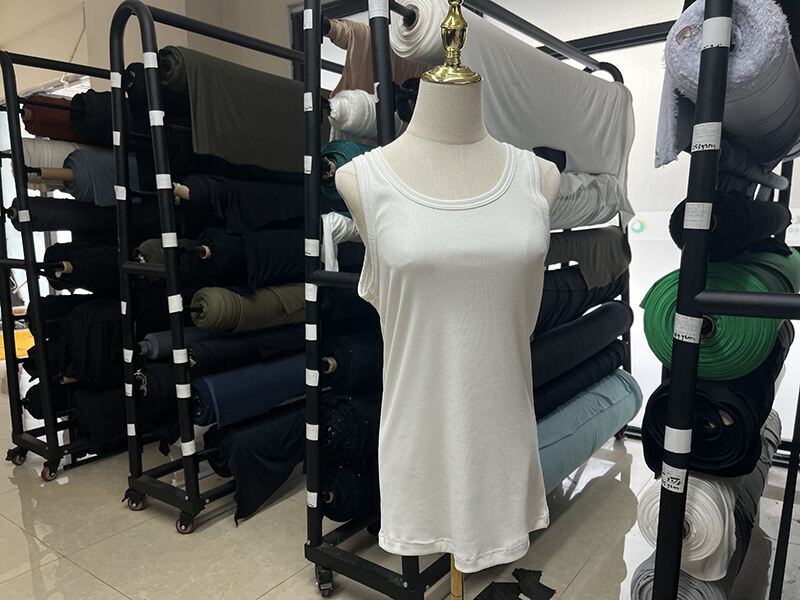
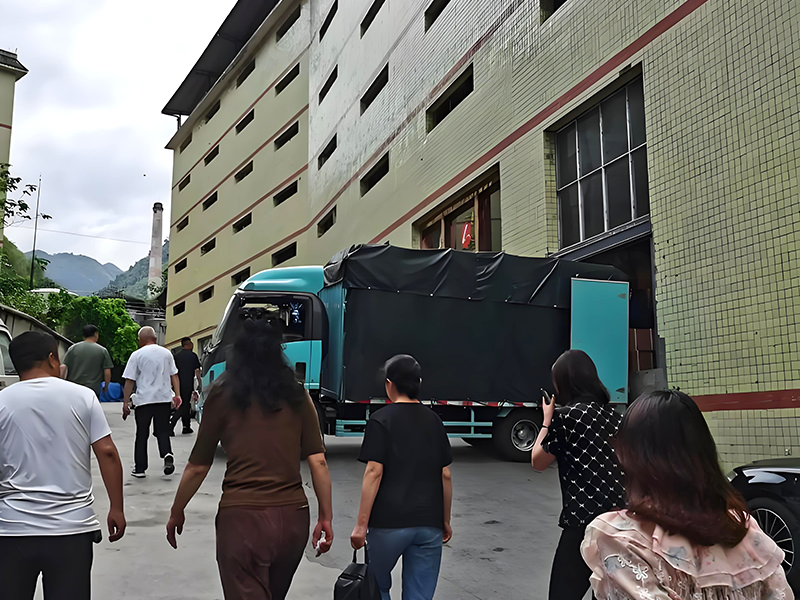
I am aware that bamboo fabric has swept the textile industry with its smooth touch, the technological breathing quality and some amazing eco-factors. In Shaoxing city Ohyeah Textile Co., Ltd. a registered producer of high quality bamboo fabrics we do not doubt transparency. I would like to take you on the sustainable path of the manufacturing process of our bamboo fabric, starting with grass and continuing to the final product, which is the high-quality knit in sustainable fashion and home goods.
Step 1: Sourcing & Harvesting – A Renewable Beginning
I begin with the very plant, the bamboo which usually happens to be the Moso bamboo and is one of the most eco-friendly resources on the planet. I appreciate the fact that it does not demand any pesticides, fertilisers, and does not need a lot of irrigation in order to grow and that it rapidly re-grows on its root system once it has been harvested. We give preference to harvesting of responsibly managed plantations, which guarantees that the material of our fabric is according to the environmental principles of our GOTS (Global Organic Textile Standard) and OCS (Organic Content Standard) certifications.
Step 2: Creating Bamboo Pulp – The Foundation of the Fiber
I supervise the mechanical Bamboo stalk pulp into a fibrous soft mass. I realize that the secret of making the viscose fiber that is in majority of my bamboo textiles is the chemical processing. I make sure the crushed bamboo is gently cooked into a closed-loop solution, usually of amine oxide or NaOH to dissolve the natural cellulose to produce a viscous, honey-like solution, which I refer to as bamboo pulp. I am proud because our plant has superior technological systems that recycle and reuse more than 99 percent of these processing chemicals which make minimal contribution to the environment and that workers are not exposed to occupational risks as it is the hallmark of our OEKO-TEX® certificate.
Step 3: Spinning the Fiber – From Liquid to Thread
Then I force the purified solution of bamboo cellulose through a spinneret, which is a device with small holes, into a neutralizing bath. The thing is that I observe the process when this bath coagulates the streams of liquid and turns them into uninterrupted and thin filaments of pure bamboo cellulose. These filaments are twisted together to form continuous filamentous bamboo. I understand that quality of this yarn is the most important thing; our professional team strictly controls the quality by examining the consistency, tensile strength and fineness as the final outcome that dictates the feeling of hands and durability of the final cloth.
Step 4: Knitting & Construction – Where Technology Meets Craft
I supervise the spun bamboo to be loaded to one of our banks with more than 100 state of the art circular knitting machines. I make sure that the yarn is knitted into seamless tubes of fabric that are tightly tightened and with controlled gauge. I am able to change the kind of knit (single jersey, interlock, rib) to produce clothes of varying weight, drapes, and textures; between lightweight and breathable jerseys to wear under t-shirts and heavier knits to sportswear. I am also proud that this contemporary and smooth process is the heart of our monthly production of 200 tons that is able to produce it at the scale without compromising the quality.
Step 5: Dyeing & Finishing – Ensuring Beauty and Performance
I deal with the knitted greige fabric once it goes through the dyeing and finishing process, which is a very crucial part of the fabric since it determines how the fabrics perform and the luxury.
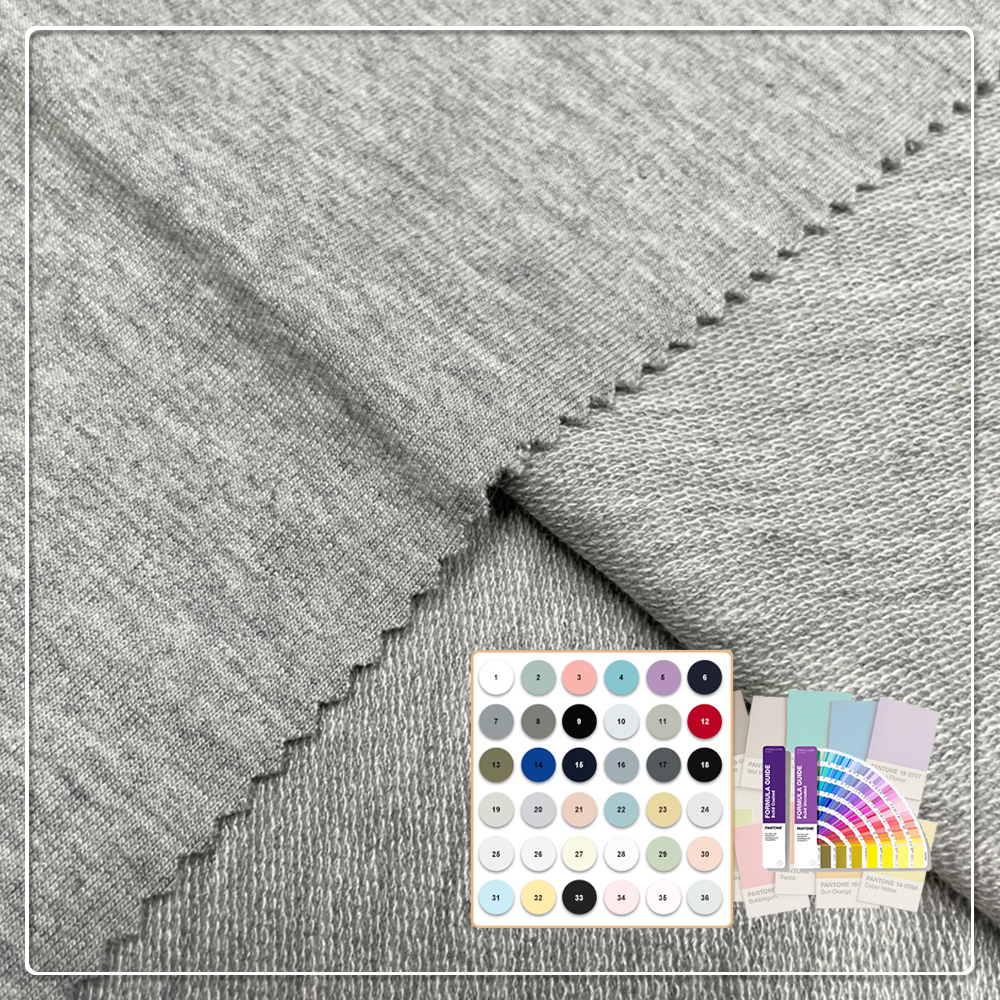
Dyeing: I apply high tech, low impact dyeing. I am aware of the high absorbency of bamboo that makes it a wonderful medium of dye and that takes less water and energy. I make the results rich, deep colors with the excellent fastness of color we guarantee being 4-5 rich and deep colors.
Finishing: I use regulated shrinking, softening, and stabilization. I am aware that our proprietary finishing methods that ensure our fabric have their luxurious hand feel and their shrinkage is lower than 5% to give designers the dependability of stable dimensions.
Step 6: Certification & Quality Control – The Final Assurance
I am in charge and I ensure that our quality control team does the very careful checking before any piece of fabric goes out of our plant. I inspect all the yards, to keep their colors the same and to watch out whether there are any flaws. I also take care of products receiving their GRS (Global Recycled Standard) certification in case we are manufacturing blends based on recycled polyester and this will create a complete circle of the sustainability story. I do not see these certificates as badges, but as a promise recorded in writing of our product to be safe, ethical and environmentally responsible on every stage of its existence.
In my opinion, it is apparent when discussing the process of creating bamboo fabric that the beauty is in the combination between the raw material of nature and sophisticated and responsible production. The process is one that we are good at providing innovative, high-quality and luxurious bamboo knits that will enable the next generation of sustainable design.
Table of Contents
- Step 1: Sourcing & Harvesting – A Renewable Beginning
- Step 2: Creating Bamboo Pulp – The Foundation of the Fiber
- Step 3: Spinning the Fiber – From Liquid to Thread
- Step 4: Knitting & Construction – Where Technology Meets Craft
- Step 5: Dyeing & Finishing – Ensuring Beauty and Performance
- Step 6: Certification & Quality Control – The Final Assurance