 EN
Digital print shirt fabric is a specialized textile designed for high-quality printing applications in the fashion industry. As B2B buyers, such as purchasing managers and product developers, consider various factors including material quality, sustainability, production capabilities, and cost-effectiveness. This article aims to provide you with essential insights into selecting the right digital print shirt fabric, focusing on eco-friendly options, specifications, and practical applications to enhance your purchasing decisions.
Specifications for Eco-Friendly Digital Print Shirt Fabrics
When evaluating eco-friendly digital print shirt fabrics, pay attention to these specifications:
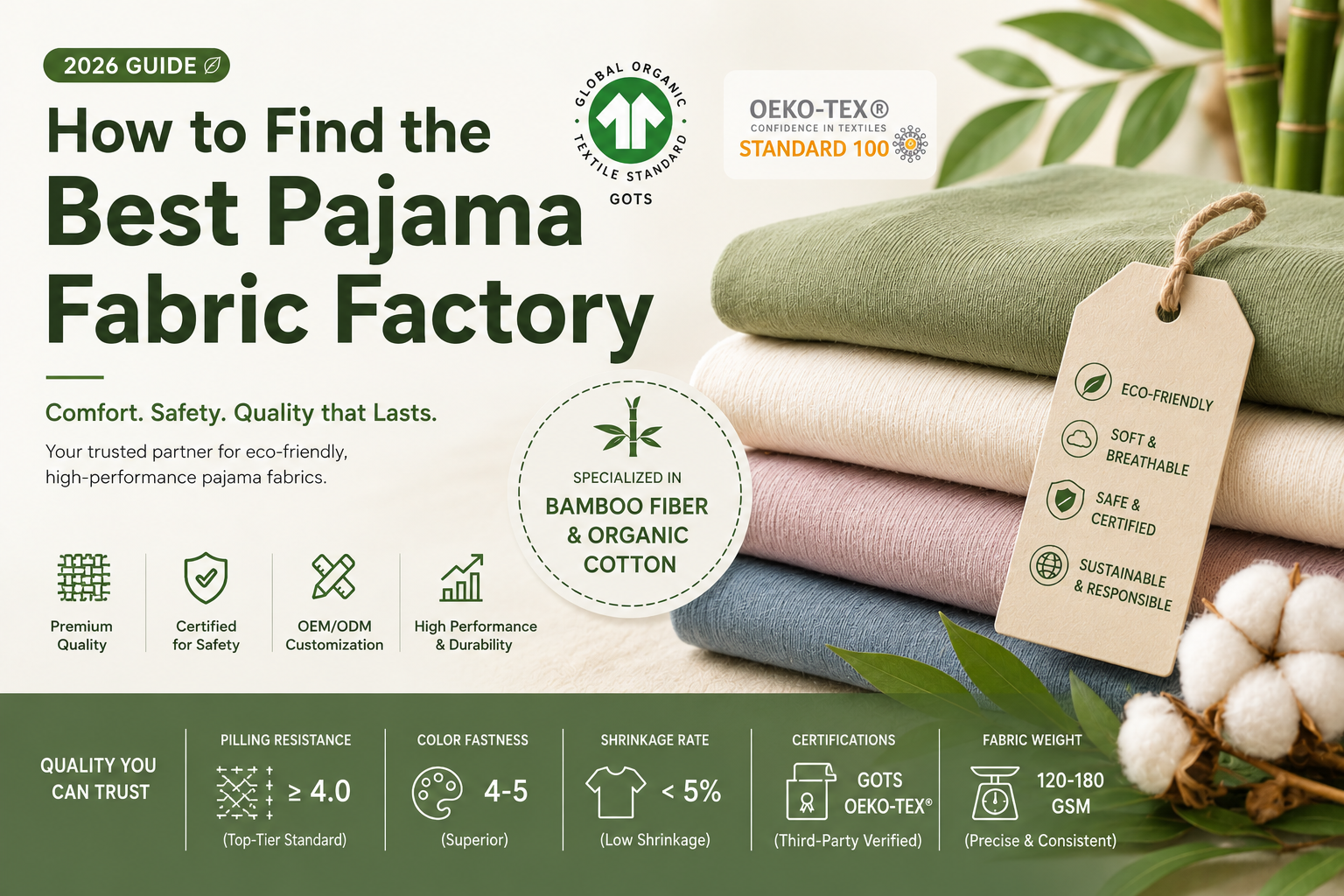
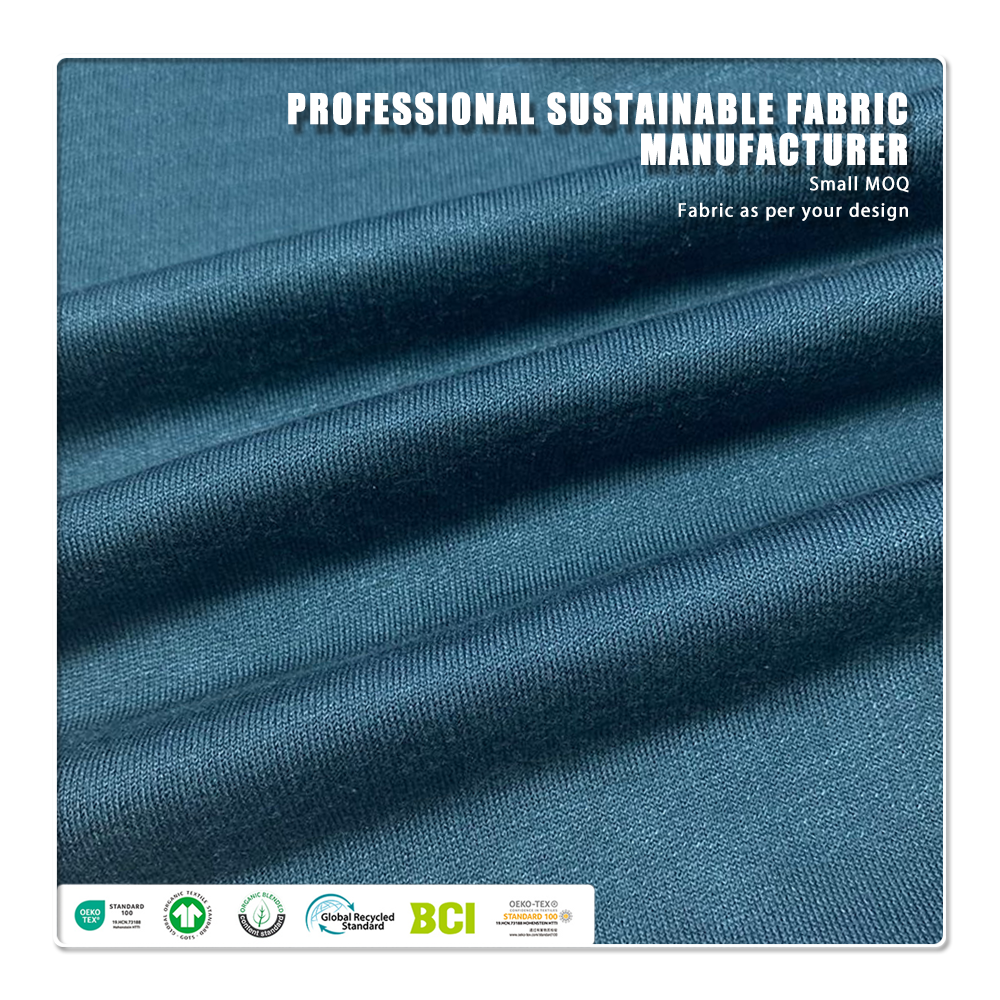
Certifications: Look for fabrics certified by OEKO-TEX, GOTS, OCS, and GRS. These certifications indicate compliance with strict environmental and social standards, ensuring that the fabric is safe for consumers and produced sustainably.
Color Fastness: As mentioned, a color fastness of level 4-5 is crucial for maintaining the vibrancy of prints. This rating reflects the fabric's ability to resist fading from washing and exposure to sunlight.
Composition Ratios: Understand the blend of materials used. For example, a fabric made from a mix of organic cotton and recycled polyester can provide a balance of comfort and durability.
Technical Parameters: Assess the fabric's thickness and weave structure, as these factors can affect printing quality and the overall aesthetic of the finished garment.